

TL;DR
European authorities are exploring regulations to limit the use of smart glasses due to privacy concerns. The move signals a new privacy frontier and could impact device manufacturers and users.
European regulators are considering implementing strict regulations on smart glasses to address privacy concerns, marking a significant shift in policy that could impact manufacturers and users across the continent.
The European Commission is reportedly examining proposals that would impose new restrictions on smart glasses, devices equipped with cameras and sensors capable of recording and transmitting data. While specific legislative details are still under development, sources indicate that the regulations aim to limit the use of such devices in public spaces to protect individual privacy.
Officials have not yet released formal proposals, but reports suggest that the regulatory focus is on ensuring user consent, data security, and preventing covert recording. Industry stakeholders have expressed concern about potential restrictions, which could affect the adoption and innovation of smart wearable technology within Europe.
Potential Impact on Smart Glass Industry and Privacy Rights
This development signals a shift toward stricter privacy protections for individuals in Europe, where existing laws like the GDPR already set high standards. If implemented, these regulations could restrict the deployment of smart glasses in public and private settings, affecting manufacturers, developers, and consumers. The move underscores the growing importance of privacy in wearable tech and could influence similar policies elsewhere.
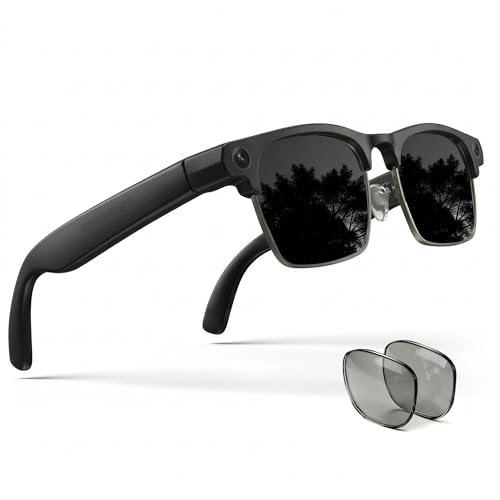
AI Smart Glasse for Men Women —8 MP Camera, Open-Ear Speakers for Audio, Video Recording and Bluetooth, Real-Time Translation-Sunglasses (Extra Photochromic Lenses), Voice Control Smart Wearable
- Real-Time Translation: Supports 130+ languages instantly
- 8MP HD Camera: Capture videos from a first-person view
- Interchangeable Lenses: Includes sunglasses and photochromic lenses
As an affiliate, we earn on qualifying purchases.
As an affiliate, we earn on qualifying purchases.
Europe’s Growing Privacy Regulations and Wearable Tech Trends
Europe has been at the forefront of data privacy regulation, with the GDPR setting global standards for data protection. The regulatory scrutiny of smart glasses reflects ongoing concerns about surveillance, covert recording, and data security. Previous discussions have centered on the need to balance technological innovation with individual rights, but concrete legislative proposals specific to smart glasses have yet to be finalized.
This potential crackdown follows a broader trend of increasing regulation on surveillance devices and wearable technology, driven by public concern over privacy violations and misuse of data. Industry groups have historically lobbied against overly restrictive rules, citing innovation and economic growth, but policymakers emphasize protecting citizens’ privacy rights.
“The European regulatory landscape is shifting towards tighter controls on devices that can record and transmit data in public spaces.”
— an anonymous researcher

VOICFUT AI Smart Glasses with Camera, 4K Anti-Shake Video & Photo Capture
- 4K Video & Photo Capture: Clear photos and videos with EIS
- Easy App Sync: Simple setup and file management
- Open-Ear Audio: Enjoy audio without blocking ears
As an affiliate, we earn on qualifying purchases.
As an affiliate, we earn on qualifying purchases.
Details of Proposed Regulations and Enforcement Likely to Evolve
It is not yet clear what specific restrictions will be enacted, how they will be enforced, or the timeline for implementation. Stakeholders await formal proposals and legislative drafts, which are still under discussion.

Vision Sync Glasses, Auto Focus Varifocal Glasses, Smart Adaptive Eyewear with UV & Anti Blue Light Protection (2.5)
- 2-in-1 Magnetic Design: Switch lenses in seconds
- HD Polarized Lens: Reduces glare and enhances clarity
- Lightweight & Comfortable: Durable frame for all-day wear
As an affiliate, we earn on qualifying purchases.
As an affiliate, we earn on qualifying purchases.
Next Steps in Regulatory Development and Industry Response
European regulators are expected to publish formal proposals in the coming months. Industry groups and consumer advocates will likely respond with feedback, and legislative debates are anticipated before any rules are finalized. Monitoring developments will be crucial for stakeholders involved in wearable tech.

Smart AI Glasses with Camera, 4K HD Video Recording, Real-Time AI Translation, Sunglasses with Camera, Photochromic Lenses, Smart Voice Assistant, Open-Ear Audio for Travel, Work, Music, and Daily Use
- 4K HD Camera: Capture high-quality photos and videos
- Real-Time Translation: Instant AI-powered language translation
- Private Directional Audio: Open-ear Bluetooth audio for privacy
As an affiliate, we earn on qualifying purchases.
As an affiliate, we earn on qualifying purchases.
Key Questions
What specific restrictions are being considered for smart glasses?
Details are still under development, but proposals reportedly focus on limiting covert recording, requiring user consent, and restricting use in certain public spaces.
How might these regulations affect smart glass manufacturers?
Manufacturers could face new compliance requirements, potential restrictions on device features, and limitations on marketing or deploying products in Europe.
Could this lead to similar regulations elsewhere?
Yes, increased privacy concerns in Europe may influence regulatory approaches in other regions, especially where privacy laws are evolving.
When will the regulations likely come into effect?
It remains uncertain; formal proposals are expected in the coming months, with potential implementation timelines yet to be announced.
Source: Hacker News