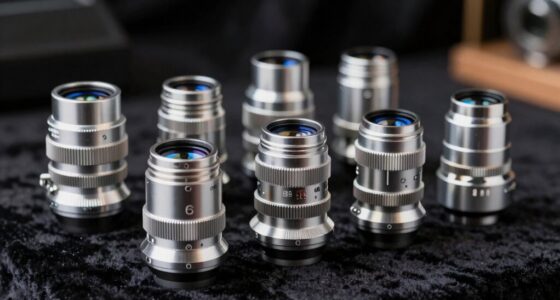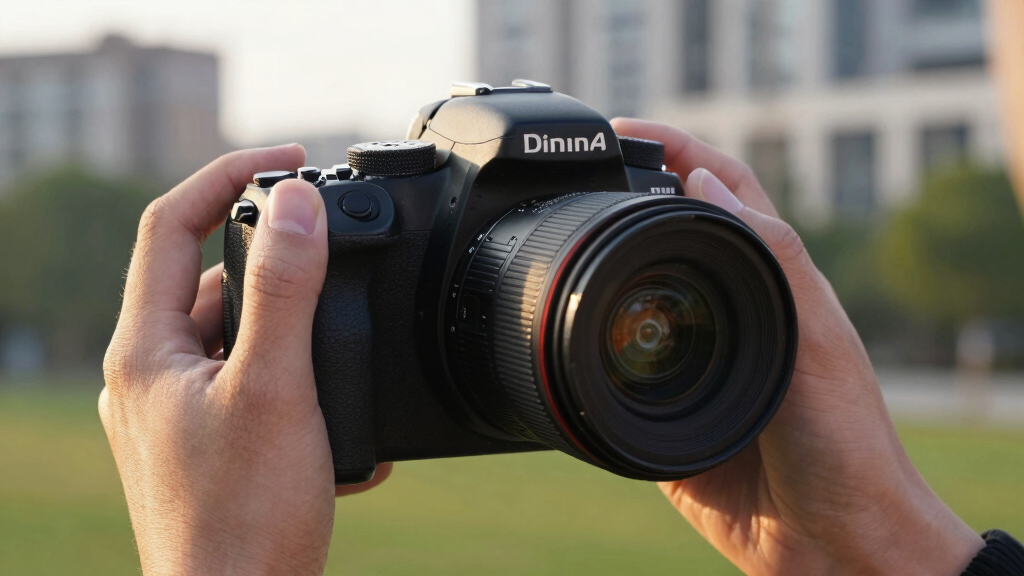
The Canon EOS R50 with the RF-S 18-45mm lens is my best overall photography camera because it combines reliable autofocus, approachable controls, and a modern lens system without moving into premium pricing. The Canon EOS R100 is the stronger value pick for buyers who can accept a fixed screen and simpler operation, while the Canon EOS R6 Mark II leads the premium choices with faster performance and a full-frame sensor. The main tradeoffs are sensor size, autofocus capability, lens flexibility, portability, and whether a low-priced accessory bundle adds genuine photographic value. Several listings contain the same underlying camera, so I place more weight on the body and included lenses than on bags, cards, tripods, or inflated accessory counts. Continue reading for the full breakdown and a buyer-focused explanation of where each option fits.
Complete the kit



Key Takeaways
- The Canon EOS R50 ranks first because its autofocus, vari-angle touchscreen, compact body, and RF lens compatibility create the best balance for most photographers in this lineup.
- The EOS R6 Mark II is the performance leader, but its price and advanced controls make it a weaker match for casual beginners than the R50.
- The EOS R100 offers the clearest value among the mirrorless options, although its fixed display and reduced interface flexibility are meaningful compromises.
- Dual-lens kits add more photographic range than bundles padded with tripods, lights, filters, and memory cards; the R50 18-45mm and 55-210mm kit is the most versatile package here.
- The Rebel T7 and 2000D listings share closely related hardware, so lens condition, seller warranty, regional compatibility, and bundle quality matter more than the number of accessories shown.
| Canon EOS R100 Mirrorless Camera with RF-S 18-45mm F4.5-6.3 IS STM Lens Kit |  | Best Budget Mirrorless | Sensor: 24.1MP APS-C CMOS | Lens: RF-S 18-45mm F4.5-6.3 IS STM | Processor: DIGIC 8 | VIEW LATEST PRICE | See Our Full Breakdown |
| Canon EOS RP Full-Frame Mirrorless Camera with RF24-105mm Lens Kit |  | Best Affordable Full-Frame | Sensor: 26.2MP full-frame CMOS | Lens: RF 24-105mm F4-7.1 IS STM | Lens Stabilization: Optical | VIEW LATEST PRICE | See Our Full Breakdown |
| Canon EOS R50 Mirrorless Camera Kit with 18-45mm Lens, Shoulder Bag, and 64GB Memory Card |  | Best Ready-to-Shoot Creator Kit | Camera Type: Mirrorless | Sensor Format: APS-C | Lens: 18-45mm | VIEW LATEST PRICE | See Our Full Breakdown |
| Canon EOS Rebel T7 DSLR Camera with 18-55mm Lens (Renewed) |  | Best Renewed DSLR Value | Camera Type: DSLR | Condition: Renewed | Sensor: 24.1MP CMOS | VIEW LATEST PRICE | See Our Full Breakdown |
| Canon EOS R50 Mirrorless Camera with RF-S 18-45mm F4.5-6.3 IS STM Lens Kit |  | Best Overall | Sensor: 24.2MP APS-C CMOS | Lens: RF-S 18-45mm F4.5-6.3 IS STM | Autofocus: Dual Pixel CMOS AF II with 651 zones | VIEW LATEST PRICE | See Our Full Breakdown |
| NBD 5K Digital Camera for Photography |  | Best Budget Vlogging Camera | Video resolution: 5K | Photo resolution: 64MP | Zoom: 18X digital | VIEW LATEST PRICE | See Our Full Breakdown |
| Canon EOS R6 Mark II Mirrorless Camera with RF24-105mm F4-7.1 IS STM Lens Kit |  | Best Overall | Sensor: 24.2MP full-frame CMOS | Processor: DIGIC X | ISO range: 100-102400, expandable to 204800 | VIEW LATEST PRICE | See Our Full Breakdown |
| Canon EOS R50 Mirrorless Camera with 18-45mm & 55-210mm RF-S Lenses |  | Best for Beginners | Sensor: 24.2MP APS-C | Standard lens: RF-S 18-45mm | Telephoto lens: RF-S 55-210mm | VIEW LATEST PRICE | See Our Full Breakdown |
| Canon EOS Rebel T7 DSLR Camera with 18-55mm and 75-300mm Lenses Bundle |  | Best DSLR Two-Lens Bundle | Sensor: 24.1MP APS-C CMOS | ISO range: 100-6400, expandable to 12800 | Autofocus: 9-point AF system | VIEW LATEST PRICE | See Our Full Breakdown |
| Canon EOS 2000D Rebel T7 DSLR Camera with 18-55mm Lens and Accessories Kit |  | Best Accessory Bundle | Sensor: 24.1MP APS-C CMOS | Lens: 18-55mm f/3.5-5.6 | Video recording: Full HD 1080p at 30 fps | VIEW LATEST PRICE | See Our Full Breakdown |
| Canon EOS 2000D Rebel T7 DSLR Camera Bundle with 18-55mm Lens |  | Best All-in-One Starter Kit | Sensor: 24.1MP APS-C CMOS | Processor: DIGIC 4+ | Lens: EF-S 18-55mm f/3.5-5.6 DC III | VIEW LATEST PRICE | See Our Full Breakdown |
| 5K Digital Camera for Photography with Dual Screen |  | Best Budget Pick for Selfies and Social Posts | Photo resolution: 80MP | Video: 5K at 30 fps | Zoom: 16X digital | VIEW LATEST PRICE | See Our Full Breakdown |
| Canon EOS Rebel T7 DSLR Camera with 18-55mm and 75-300mm Lenses |  | Best Two-Lens DSLR Kit | Sensor: 24.1MP APS-C CMOS | Standard lens: EF-S 18-55mm | Telephoto lens: EF 75-300mm | VIEW LATEST PRICE | See Our Full Breakdown |
| Canon EOS 2000D Rebel T7 DSLR Camera with 18-55mm Lens and Accessories Bundle |  | Best Accessory-Heavy Value Bundle | Camera: Canon EOS 2000D / Rebel T7 DSLR | Main lens: 18-55mm | Viewfinder: Optical | VIEW LATEST PRICE | See Our Full Breakdown |
| Canon EOS Rebel T7 DSLR Camera with 18-55mm and 420-800mm Lenses |  | Best for Extreme Telephoto on a Budget | Sensor: 24.1MP APS-C CMOS | Processor: DIGIC 4+ | Standard lens: EF-S 18-55mm f/3.5-5.6 IS II | VIEW LATEST PRICE | See Our Full Breakdown |
| photography camera | Sensor | Autofocus | Connectivity | Lens |
|---|---|---|---|---|
| Canon EOS R100 Mirrorless Came | 24.1MP APS-C CMOS | Dual Pixel CMOS AF with face and eye detection | Wi-Fi and Bluetooth | RF-S 18-45mm F4.5-6.3 IS STM |
| Canon EOS RP Full-Frame Mirror | 26.2MP full-frame CMOS | Dual Pixel CMOS AF with 4,779 selectable AF positions | — | RF 24-105mm F4-7.1 IS STM |
| Canon EOS R50 Mirrorless Camer | — | Dual Pixel AF II | — | 18-45mm |
| Canon EOS Rebel T7 DSLR Camera | 24.1MP CMOS | 9-point AF system | Wi-Fi and NFC | 18-55mm |
| Canon EOS R50 Mirrorless Camer | 24.2MP APS-C CMOS | Dual Pixel CMOS AF II with 651 zones | Wi-Fi and Bluetooth | RF-S 18-45mm F4.5-6.3 IS STM |
| NBD 5K Digital Camera for Phot | — | — | — | 4.7mm f/1.8 |
| Canon EOS R6 Mark II Mirrorles | 24.2MP full-frame CMOS | Dual Pixel CMOS AF II with 1,053 zones | — | — |
| Canon EOS R50 Mirrorless Camer | 24.2MP APS-C | Dual Pixel CMOS AF | — | — |
| Canon EOS Rebel T7 DSLR Camera | 24.1MP APS-C CMOS | 9-point AF system | Wi-Fi and NFC | — |
| Canon EOS 2000D Rebel T7 DSLR | 24.1MP APS-C CMOS | 9-point AF system | Wi-Fi with NFC | 18-55mm f/3.5-5.6 |
| Canon EOS 2000D Rebel T7 DSLR | 24.1MP APS-C CMOS | — | Wi-Fi and NFC | EF-S 18-55mm f/3.5-5.6 DC III |
| 5K Digital Camera for Photogra | — | — | Wi-Fi | — |
| Canon EOS Rebel T7 DSLR Camera | 24.1MP APS-C CMOS | 9-point AF system | Wi-Fi and NFC | — |
| Canon EOS 2000D Rebel T7 DSLR | — | — | Wi-Fi and NFC | — |
| Canon EOS Rebel T7 DSLR Camera | 24.1MP APS-C CMOS | — | Wi-Fi with NFC | — |
More Details on Our Top Picks
Canon EOS R100 Mirrorless Camera with RF-S 18-45mm F4.5-6.3 IS STM Lens Kit
I rank the Canon EOS R100 as the budget mirrorless pick because its 24.1MP APS-C sensor offers a meaningful image-quality step up from phone cameras without adding much weight. Compared with the Canon EOS Rebel T7, it provides stronger face and eye detection plus 4K recording, making moving subjects and casual video easier to capture. The Canon EOS R50 remains the better hybrid camera: it shoots faster, has more advanced tracking, and adds a vari-angle touchscreen. The R100 instead makes sense when price and simplicity carry more weight than speed. Its 6.5 fps burst rate is adequate for family photography but restrictive for sports, while the slow 18-45mm lens and lack of in-body stabilization make dim interiors harder to photograph. I see it as a capable entry point, not a long-term enthusiast body.
Pros:- 24.1MP APS-C sensor delivers detailed still images
- Face and eye detection simplify portraits and family photography
- Compact body is easy to carry while traveling
- 4K and Full HD recording provide basic video flexibility
Cons:- 6.5 fps maximum burst rate trails the EOS R50
- F4.5-6.3 kit lens is restrictive in low light
- No in-body image stabilization
Best for: First-time mirrorless buyers who mainly photograph family, travel, and everyday subjects on a limited budget
Not ideal for: Indoor event, sports, or wildlife photographers who need a bright lens, faster bursts, or stabilized handheld shooting
- Sensor:24.1MP APS-C CMOS
- Lens:RF-S 18-45mm F4.5-6.3 IS STM
- Processor:DIGIC 8
- Autofocus:Dual Pixel CMOS AF with face and eye detection
- Continuous Shooting:Up to 6.5 fps
- 4K Video:24 fps
- Full HD Video:Up to 60 fps
- Connectivity:Wi-Fi and Bluetooth
Our verdict“I recommend the EOS R100 to budget-focused beginners who want mirrorless image quality and can accept modest speed and limited low-light capability.”
Canon EOS RP Full-Frame Mirrorless Camera with RF24-105mm Lens Kit
The Canon EOS RP earns its place by pairing a 26.2MP full-frame sensor with a useful 24-105mm zoom in a relatively compact kit. That larger sensor gives portrait and landscape photographers more control over depth of field than the APS-C Canon EOS R50, while the broader lens range reduces how often lenses need to be changed during travel. Yet the R50 is quicker and more video-friendly, with faster bursts and more advanced subject tracking. The RP’s kit lens narrows to F7.1 at the long end, so its full-frame advantage is partly offset in dim conditions. Optical lens stabilization helps with stationary subjects, but it cannot freeze people in motion. I place this below newer all-rounders because its older DIGIC 8 platform and 4K limitations make it less adaptable, though full-frame stills at an accessible level remain its clear appeal.
Pros:- 26.2MP full-frame sensor supports detailed images and shallow depth of field
- 24-105mm lens covers wide-angle through short-telephoto subjects
- Optical stabilization helps reduce handheld camera shake
- Compact form factor makes full-frame travel more manageable
Cons:- F4-7.1 variable aperture limits subject isolation and low-light performance at longer focal lengths
- Older autofocus and processing platform trails the EOS R50 for action
- No weather-sealing specification is provided
Best for: Portrait, landscape, and travel photographers seeking an accessible entry into Canon full-frame photography
Not ideal for: Sports shooters and video-first creators who need fast bursts, stronger subject tracking, and more flexible 4K capture
- Sensor:26.2MP full-frame CMOS
- Lens:RF 24-105mm F4-7.1 IS STM
- Lens Stabilization:Optical
- Processor:DIGIC 8
- Autofocus:Dual Pixel CMOS AF with 4,779 selectable AF positions
- Video:4K UHD 2160p
- Display:3-inch screen
- Maximum Shutter Speed:1/4000 second
- File Formats:JPEG and RAW
Our verdict“I would choose the EOS RP for affordable full-frame still photography, but not when action speed or video performance leads the buying decision.”
Canon EOS R50 Mirrorless Camera Kit with 18-45mm Lens, Shoulder Bag, and 64GB Memory Card
I give this Canon EOS R50 accessory kit a package-focused role: it combines the camera, 18-45mm lens, 64GB memory card, and shoulder bag, so a new owner can start shooting without sourcing basic extras. The underlying R50 is much more capable than the Canon EOS R100 for video, offering Dual Pixel AF II and a vari-angle touchscreen that simplify self-recording and unusual camera angles. Compared with the standard Canon EOS R50 lens kit in this lineup, however, the photographic performance is the same; the buying case rests on the accessories and their price. The 18-45mm lens is portable but neither long-reaching nor bright, and serious portrait or wildlife work will prompt an early lens purchase. There is also no in-body stabilization. I would rank this bundle above the bare kit only when its included essentials represent genuine savings.
Pros:- Dual Pixel AF II provides dependable subject tracking
- Vari-angle touchscreen supports self-recording and low-angle framing
- 4K recording suits entry-level content production
- Memory card and shoulder bag reduce initial accessory purchases
Cons:- Accessory value depends heavily on the bundle price and component quality
- 18-45mm kit lens has limited reach and low-light capability
- No in-body image stabilization
Best for: New vloggers and casual photographers who need a camera, memory card, and carrying bag in one purchase
Not ideal for: Buyers who already own storage and a camera bag, since the standard EOS R50 kit offers the same core imaging performance
- Camera Type:Mirrorless
- Sensor Format:APS-C
- Lens:18-45mm
- Video Resolution:4K
- Autofocus:Dual Pixel AF II
- Display:Vari-angle touchscreen
- Included Storage:64GB memory card
- Included Carrying Accessory:Shoulder bag
Our verdict“I favor this EOS R50 bundle for first-time creators who need every basic item, provided it costs little more than the standard lens kit.”
Canon EOS Rebel T7 DSLR Camera with 18-55mm Lens (Renewed)
The renewed Canon EOS Rebel T7 is my value choice for buyers who specifically want an affordable DSLR and access to Canon EF and EF-S lenses. Its 24.1MP CMOS sensor can produce detailed photographs, and the 18-55mm lens covers everyday scenes without complicating the learning process. Compared with the Canon EOS R100, though, the T7 feels dated: its nine-point autofocus system is less reliable for moving subjects, and it lacks 4K recording. The fixed 3-inch display is also less useful for creative angles than the Canon EOS R50’s vari-angle touchscreen. An optical-viewfinder DSLR workflow and simple controls may still appeal to students, but renewed condition introduces uncertainty around cosmetic wear and battery health. I rank it behind the mirrorless models because low purchase cost comes with slower technology and a less future-facing camera system.
Pros:- 24.1MP sensor provides ample resolution for everyday photography
- Simple controls and automatic modes suit new DSLR users
- Wi-Fi and NFC support convenient image sharing
- Renewed pricing can make an interchangeable-lens camera more accessible
Cons:- Nine-point autofocus system is weak for fast or unpredictable subjects
- No 4K video recording
- Renewed condition may bring variable cosmetic wear and battery health
Best for: Photography students and budget buyers who want a traditional optical-viewfinder DSLR with access to used Canon EF lenses
Not ideal for: Video creators and action photographers who need 4K recording, broad autofocus coverage, or dependable subject tracking
- Camera Type:DSLR
- Condition:Renewed
- Sensor:24.1MP CMOS
- Lens:18-55mm
- ISO Range:100-6400, expandable to 12800
- Autofocus:9-point AF system
- Display:3.0-inch LCD
- Connectivity:Wi-Fi and NFC
Our verdict“I see the renewed Rebel T7 as a low-cost photography classroom, while buyers interested in action or video should choose the EOS R100 or R50.”
Canon EOS R50 Mirrorless Camera with RF-S 18-45mm F4.5-6.3 IS STM Lens Kit
I rank the Canon EOS R50 first because it offers the strongest balance of still-photo speed, autofocus, portability, and video capability in this group. Its Dual Pixel CMOS AF II system covers 651 zones, while shooting at up to 15 fps makes it far better suited to pets, children, and casual sports than the Canon EOS R100. It also records 4K at 30 fps and Full HD at 120 fps, giving hybrid creators more room than the Canon EOS Rebel T7. The EOS RP retains an advantage for photographers who want a full-frame sensor and shallower depth of field, but the R50 is the easier all-purpose choice. Its weaknesses sit mostly around the lens: 18-45mm is short for wildlife and F4.5-6.3 is slow indoors. With no in-body stabilization, lens choice matters once photography becomes more ambitious.
Pros:- 651-zone Dual Pixel CMOS AF II tracks subjects effectively
- Up to 15 fps continuous shooting handles action better than the EOS R100
- 4K 30 fps and Full HD 120 fps support hybrid photo-video work
- Vari-angle touchscreen and electronic viewfinder offer flexible framing
Cons:- 18-45mm lens is too short for distant sports and wildlife
- F4.5-6.3 aperture limits low-light performance and background blur
- No in-body image stabilization
Best for: Hybrid beginners and family photographers who want responsive autofocus, fast bursts, and credible video in a small camera
Not ideal for: Low-light specialists and wildlife photographers who need in-body stabilization, a bright aperture, or substantial telephoto reach
- Sensor:24.2MP APS-C CMOS
- Lens:RF-S 18-45mm F4.5-6.3 IS STM
- Autofocus:Dual Pixel CMOS AF II with 651 zones
- Continuous Shooting:Up to 15 fps
- 4K Video:Up to 30 fps
- Full HD Video:Up to 120 fps
- Viewfinder:2.36-million-dot electronic viewfinder
- Display:Vari-angle touchscreen
- Connectivity:Wi-Fi and Bluetooth
Our verdict“I recommend the EOS R50 as the best all-round choice for buyers who want one approachable camera for sharp photos, moving subjects, and video.”
NBD 5K Digital Camera for Photography
I rank the NBD 5K Digital Camera as the budget vlogging pick because its 180-degree flip screen, two batteries, and included 64GB card create a ready-to-record package. The 64MP photo setting and 5K video mode offer appealing output flexibility for social posts, while autofocus and anti-shake assistance reduce the workload for newcomers. Compared with the Canon EOS R50, however, this model lacks a larger APS-C sensor and interchangeable lenses, so it offers less control over depth of field and low-light photography. Its 18X digital zoom also enlarges the image electronically rather than adding genuine optical reach, which can reduce detail. I place it below the interchangeable-lens cameras for still photography, but its low-barrier setup makes sense for casual creators who value convenience over system growth.
Pros:- 180-degree flip screen supports self-recording and high- or low-angle framing
- 5K video and 64MP photo modes provide flexible output options
- Two batteries and a 64GB TF card reduce extra setup purchases
- Autofocus and anti-shake assistance are approachable for beginners
Cons:- 18X digital zoom can sacrifice detail because it is not optical zoom
- Low-light autofocus may be less dependable
- Limited system expansion and manual control for advanced photography
Best for: First-time vloggers and casual travel creators who want a flip screen, storage, and spare battery in one package
Not ideal for: Advanced photographers who need interchangeable lenses, strong low-light autofocus, and extensive manual controls
- Video resolution:5K
- Photo resolution:64MP
- Zoom:18X digital
- Screen:180-degree flip screen
- Lens:4.7mm f/1.8
- Battery package:Two batteries included
- Included storage:64GB TF card
Our verdict“I recommend this for budget-minded vloggers who want an all-in-one starter package and can accept limited photographic control.”
Canon EOS R6 Mark II Mirrorless Camera with RF24-105mm F4-7.1 IS STM Lens Kit
The Canon EOS R6 Mark II earns my top position because it combines a full-frame 24.2MP sensor with the fastest shooting and most capable autofocus in this group. Its 12 fps mechanical rate suits action without relying on an electronic shutter, while 40 fps provides extra timing latitude for sports and wildlife. Dual Pixel CMOS AF II can recognize people, animals, vehicles, aircraft, trains, and horses, making it far more adaptable than the Canon EOS Rebel T7 and its nine-point system. Compared with the Canon EOS R50, the R6 Mark II offers greater low-light potential and a broader ISO range, but it carries a steeper learning curve and sits in a more expensive class. I rank it first for its photographic range, though beginners seeking simplicity may get better value from the R50.
Pros:- Full-frame 24.2MP sensor supports strong image quality across varied lighting
- Up to 40 fps electronic shooting captures brief action
- Dual Pixel CMOS AF II provides broad subject recognition
- RF24-105mm kit lens covers useful everyday focal lengths
Cons:- Advanced controls and autofocus options create a learning curve
- Premium positioning makes it harder to justify for casual photography
- Kit lens has a relatively slow f/4-7.1 variable aperture
Best for: Enthusiast and professional photographers shooting action, wildlife, events, or low-light subjects who want one versatile full-frame body
Not ideal for: Budget-conscious beginners who prefer simple controls and do not need 40 fps shooting or advanced subject detection
- Sensor:24.2MP full-frame CMOS
- Processor:DIGIC X
- ISO range:100-102400, expandable to 204800
- Mechanical continuous shooting:Up to 12 fps
- Electronic continuous shooting:Up to 40 fps
- Autofocus:Dual Pixel CMOS AF II with 1,053 zones
- Subject detection:People, animals, vehicles, aircraft, trains, and horses
- Included lens:RF24-105mm F4-7.1 IS STM
Our verdict“I place the R6 Mark II first for serious photographers who value autofocus, speed, and full-frame versatility more than simplicity or low cost.”
Canon EOS R50 Mirrorless Camera with 18-45mm & 55-210mm RF-S Lenses
I see the Canon EOS R50 two-lens kit as the strongest beginner choice because it pairs a compact body with focal lengths suited to everyday scenes, portraits, travel, and distant subjects. Its 24.2MP APS-C sensor gives new photographers more room to develop than the fixed-lens NBD 5K camera, while Dual Pixel CMOS AF reduces the difficulty of keeping moving subjects sharp. The 18-45mm and 55-210mm lenses also make this package more flexible from day one than the single-lens R50 kit elsewhere in the roundup. It cannot match the Canon EOS R6 Mark II’s full-frame low-light potential or rapid burst shooting, and shorter battery life may require a spare on long outings. I rank it behind the R6 Mark II on capability, yet its portable two-lens system offers a friendlier balance of range, image quality, and learning potential.
Pros:- 24.2MP APS-C sensor provides detailed still images
- Two-lens kit covers everyday through telephoto photography
- Dual Pixel CMOS AF simplifies subject tracking
- Compact body is easier to carry than the Rebel T7 DSLR bundles
Cons:- Battery life may require carrying a spare for long sessions
- Menu depth can feel complicated to first-time camera owners
- APS-C system offers less low-light headroom than the full-frame R6 Mark II
Best for: New photographers who want a lightweight mirrorless system covering wide everyday views through telephoto subjects
Not ideal for: Frequent low-light event shooters who need full-frame performance, longer battery endurance, or advanced high-speed controls
- Sensor:24.2MP APS-C
- Standard lens:RF-S 18-45mm
- Telephoto lens:RF-S 55-210mm
- Video resolution:4K
- Autofocus:Dual Pixel CMOS AF
- Battery:LP-E17
- Included storage:64GB memory card
- Included carrying accessory:Shoulder bag
Our verdict“I recommend this R50 kit to beginners who want broad focal-length coverage without carrying a larger DSLR system.”
Canon EOS Rebel T7 DSLR Camera with 18-55mm and 75-300mm Lenses Bundle
The Canon EOS Rebel T7 two-lens bundle is my pick for buyers who prefer an optical viewfinder and want both everyday and telephoto coverage in one DSLR package. The 24.1MP APS-C sensor provides ample resolution for prints and cropping, while the 18-55mm and 75-300mm lenses cover a wider photographic range than the Canon EOS 2000D kit with only an 18-55mm lens. That versatility makes wildlife, field sports, and distant details more accessible without an immediate lens purchase. The tradeoff is dated performance: nine autofocus points and 3 fps continuous shooting are restrictive beside the Canon EOS R50’s Dual Pixel autofocus, and Full HD video trails its 4K recording. I rank this below the mirrorless choices because of those limitations, but its complete DSLR setup remains appealing for deliberate still photography.
Pros:- Two included zoom lenses cover standard and telephoto perspectives
- 24.1MP APS-C sensor supports detailed still photography
- Optical viewfinder provides a direct, lag-free view
- Wi-Fi and NFC simplify transfers to compatible devices
Cons:- Three fps burst rate is slow for sports and fast wildlife
- Nine-point autofocus system offers limited frame coverage
- Video recording stops at Full HD rather than 4K
Best for: Beginning DSLR photographers who want an optical viewfinder and two lenses for landscapes, portraits, and distant subjects
Not ideal for: Action and hybrid creators who need fast bursts, broad autofocus coverage, or 4K video
- Sensor:24.1MP APS-C CMOS
- ISO range:100-6400, expandable to 12800
- Autofocus:9-point AF system
- Continuous shooting:Up to 3 fps
- Viewfinder:Optical, 95% coverage
- Display:3.0-inch LCD, 920,000 dots
- Video recording:Full HD 1080p
- Connectivity:Wi-Fi and NFC
- Included lenses:EF-S 18-55mm and EF 75-300mm
Our verdict“I favor this bundle for still-focused DSLR beginners who value telephoto reach more than modern autofocus and video features.”
Canon EOS 2000D Rebel T7 DSLR Camera with 18-55mm Lens and Accessories Kit
I assign the Canon EOS 2000D Rebel T7 kit the accessory-focused role because its 128GB card, flash, filters, tripod, and case provide many of the extras a new owner might otherwise buy separately. The 24.1MP APS-C sensor and 18-55mm lens suit family photos, travel scenes, and basic portraits, while Auto Scene and Creative Auto modes offer an approachable path beyond phone photography. Compared with the Canon EOS Rebel T7 two-lens bundle, this package supplies more storage and support gear but lacks the 75-300mm lens needed for meaningful telephoto reach. Its nine-point autofocus and Full HD ceiling also fall well behind the Canon EOS R50 for moving subjects and video. I rank it as a starter-kit value, not a performance leader; buyers should choose it for package convenience rather than speed or long-term system flexibility.
Pros:- 24.1MP APS-C sensor provides useful resolution for prints and cropping
- 128GB memory card offers generous included storage
- Flash, tripod, filters, and case create a broad starter package
- Wi-Fi and NFC support convenient image sharing
Cons:- Single 18-55mm lens provides little reach for distant subjects
- Nine-point autofocus is basic by current mirrorless standards
- Full HD at 30 fps limits video detail and frame-rate choices
Best for: First-time DSLR owners who want a standard zoom, high-capacity card, tripod, flash, filters, and case in one purchase
Not ideal for: Sports, wildlife, and video creators who need telephoto reach, advanced subject tracking, fast bursts, or 4K recording
- Sensor:24.1MP APS-C CMOS
- Lens:18-55mm f/3.5-5.6
- Video recording:Full HD 1080p at 30 fps
- Maximum extended ISO:12800
- Autofocus:9-point AF system
- Connectivity:Wi-Fi with NFC
- Included storage:128GB memory card
- Included accessories:Filters, flash, tripod, and case
Our verdict“I recommend this kit to new DSLR buyers who prioritize bundled accessories and storage over telephoto coverage or modern performance.”
Canon EOS 2000D Rebel T7 DSLR Camera Bundle with 18-55mm Lens
I rank the Canon EOS 2000D Rebel T7 bundle as the strongest ready-to-shoot package here because it pairs a genuine 24.1MP APS-C sensor with storage, lighting, support, and carrying gear. That larger sensor gives new photographers more room to learn composition and low-light technique than the fixed-lens 5K Digital Camera, while the optical viewfinder provides a traditional shooting experience. Compared with the Canon T7 two-lens kit, however, its 18-55mm lens offers far less reach for wildlife or field sports. The 3 fps burst rate also makes fast action difficult, and Full HD video feels dated beside 5K-marketed compact options. I place it ahead of the accessory-heavy 32GB bundle because its 64GB card and LED light form a more useful starter package.
Pros:- 24.1MP APS-C sensor provides detailed photographs and more creative control than small fixed-lens cameras
- 64GB card, tripod, case, and LED light reduce the number of separate purchases
- Wi-Fi and NFC support wireless sharing and remote operation
- Guided controls make DSLR photography approachable for beginners
Cons:- Maximum 3 fps shooting is too slow for demanding action sequences
- Full HD video at 30 fps trails newer 4K and 5K-capable cameras
- The basic 18-55mm lens lacks the reach and wider aperture many photographers eventually want
Best for: I recommend it to first-time DSLR buyers who want one package for portraits, travel, family photography, and basic indoor video.
Not ideal for: I would skip it for sports shooters or video-first creators because 3 fps bursts and 1080p recording limit action and production flexibility.
- Sensor:24.1MP APS-C CMOS
- Processor:DIGIC 4+
- Lens:EF-S 18-55mm f/3.5-5.6 DC III
- Video:Full HD 1080p at 30 fps
- ISO range:100-6400, expandable to 12800
- Continuous shooting:Up to 3 fps
- Display:3.0-inch LCD, 920k dots
- Connectivity:Wi-Fi and NFC
- Included storage:64GB SD card
Our verdict“I would choose this bundle for learning still photography with a practical accessory set, provided fast action and modern video are not priorities.”
5K Digital Camera for Photography with Dual Screen
The 5K Digital Camera occupies a different lane from every Canon DSLR in this batch: I see it as a low-cost, social-first option rather than a platform for learning interchangeable-lens photography. Its dual-screen design, fill light, beauty function, Wi-Fi, and two batteries make self-recording simpler than with the Canon EOS 2000D, whose fixed rear display is less convenient for framing yourself. The claimed 80MP photos and 5K video sound ambitious, but resolution figures alone do not equal the larger sensor, optical zoom, or control offered by the Rebel T7. Its 16X digital zoom crops the image instead of adding real lens reach, which can reduce detail. I rank it for convenience and portability, while buyers focused on image quality should favor an APS-C Canon.
Pros:- Front and rear screens simplify selfies and solo video framing
- Built-in fill light and beauty function support quick social content without extra gear
- Wi-Fi allows direct wireless sharing
- Two batteries and a 32GB card are included
Cons:- Digital zoom cannot match the optical detail delivered by interchangeable telephoto lenses
- Beginner-oriented controls leave less room for technical growth
- Roughly two hours of battery life can interrupt longer shooting days
Best for: I recommend it to casual creators who mainly shoot selfies, travel clips, and social-media posts and want a screen facing both directions.
Not ideal for: I would skip it for photographers seeking interchangeable lenses, strong long-range detail, or extensive manual control.
- Photo resolution:80MP
- Video:5K at 30 fps
- Zoom:16X digital
- Display:2.8-inch dual-screen system
- Connectivity:Wi-Fi
- Lighting:Built-in fill light
- Included storage:32GB TF card
- Batteries:Two rechargeable batteries
Our verdict“I would pick this for easy self-recording and casual sharing, but not as a substitute for the photographic control of an APS-C camera.”
Canon EOS Rebel T7 DSLR Camera with 18-55mm and 75-300mm Lenses
I give the Canon EOS Rebel T7 two-lens kit the highest rank among these T7 packages for photographic range. The 18-55mm lens handles everyday scenes and group portraits, while the 75-300mm telephoto brings distant animals, outdoor sports, and compressed portraits within reach. That makes it more adaptable than the Canon EOS 2000D bundle with only an 18-55mm lens, even though the latter supplies more accessories. It is also a safer general-purpose choice than the renewed 420-800mm package, whose extreme telephoto lens is far more specialized. The tradeoffs come from the aging body: nine autofocus points, 95% viewfinder coverage, and Full HD video lag behind Canon’s R50 and R100 mirrorless cameras. I favor this kit for still-photo learners who value real optical reach over newer video features.
Pros:- Two lenses cover everyday wide views through genuine 300mm telephoto reach
- 24.1MP APS-C sensor captures detailed still images
- Optical viewfinder supports clear, distraction-free composition
- Wi-Fi and NFC provide convenient sharing and remote control
Cons:- Nine-point autofocus system offers sparse frame coverage by current standards
- Full HD video falls behind 4K-capable mirrorless alternatives
- Optical viewfinder shows only about 95% of the captured frame
Best for: I recommend it to beginner wildlife, travel, and family photographers who want wide-to-telephoto coverage without choosing lenses separately.
Not ideal for: I would skip it for serious action or hybrid creators who need dense autofocus coverage, 4K video, or a preview showing the final exposure.
- Sensor:24.1MP APS-C CMOS
- Standard lens:EF-S 18-55mm
- Telephoto lens:EF 75-300mm
- Autofocus:9-point AF system
- Video:Full HD 1080p
- Viewfinder:Optical, approximately 95% coverage
- Connectivity:Wi-Fi and NFC
- Operating temperature:32-104°F / 0-40°C
Our verdict“I would buy this kit for affordable lens flexibility and still photography, while choosing an EOS R model for stronger autofocus and video.”
Canon EOS 2000D Rebel T7 DSLR Camera with 18-55mm Lens and Accessories Bundle
I assign the Canon EOS 2000D accessory bundle a value-focused role because it supplies a tripod, case, 32GB card, wide-angle attachments, and a 20-piece kit around a beginner-friendly DSLR. Compared with the 64GB Canon EOS 2000D bundle, it provides less storage and lacks that package’s listed LED light, but its wide-angle accessories may appeal more to buyers shooting interiors, landscapes, or group photos. The underlying 18-55mm setup remains limited beside the Canon Rebel T7 kit with a true 75-300mm lens; clip-on or auxiliary optics do not replace a dedicated telephoto. I also factor in the listing’s renewed-product concern, which may mean less predictable cosmetic condition or warranty coverage. This ranks below the stronger lens kits, yet it makes sense when obtaining the basic support and carrying gear at once matters most.
Pros:- 20-piece package covers common setup, carrying, and maintenance needs
- Wi-Fi and NFC support wireless image transfer and remote control
- Optical viewfinder provides a traditional DSLR shooting method
- Included wide-angle accessories broaden creative options for beginners
Cons:- Renewed status may bring shorter warranty coverage or variable cosmetic condition
- 32GB card holds less content than the competing 64GB EOS 2000D bundle
- Accessory quantity cannot compensate for the limited reach of the main 18-55mm lens
Best for: I recommend it to budget-minded DSLR beginners who need a tripod, bag, memory card, and wide-angle accessories in the same purchase.
Not ideal for: I would skip it for buyers who want a new-condition camera, dependable warranty coverage, or genuine long-telephoto capability.
- Camera:Canon EOS 2000D / Rebel T7 DSLR
- Main lens:18-55mm
- Viewfinder:Optical
- Connectivity:Wi-Fi and NFC
- Included storage:32GB SanDisk memory card
- Support:Tripod included
- Carrying gear:Camera case included
- Accessory package:Wide-angle optics and 20-piece bundle
Our verdict“I would choose this package when accessory value outweighs storage capacity, telephoto reach, and the reassurance of buying new.”
Canon EOS Rebel T7 DSLR Camera with 18-55mm and 420-800mm Lenses
The Canon EOS Rebel T7 420-800mm bundle earns a narrow but clear role: it offers the longest listed reach in this group for moon shots, distant wildlife, and stationary subjects. Its 420-800mm f/8.3 lens reaches far beyond the 75-300mm lens in the standard Rebel T7 kit, but that advantage brings a steep handling tradeoff. The long lens is bulky, relatively dim, and harder to keep steady, while the camera’s 3 fps burst rate is poorly matched to unpredictable birds or sports. A tripod and remote help with static scenes, and the 18-55mm lens preserves everyday flexibility. I rank it below the conventional two-lens kit for most photographers because the renewed condition and specialized telephoto demand more patience. Still, the 24.1MP APS-C sensor gives hobbyists a capable base for daylight long-distance work.
Pros:- 420-800mm lens supplies the longest listed focal reach in this batch
- 24.1MP APS-C sensor supports detailed still photographs
- 18-55mm lens keeps the kit usable for everyday scenes
- Tripod, remote, backpack, and 64GB card support field use
Cons:- The bulky 420-800mm f/8.3 lens needs strong light and careful stabilization
- Three-frame-per-second bursts are restrictive for moving wildlife and sports
- Renewed condition may involve limited warranty coverage or cosmetic wear
Best for: I recommend it to patient hobbyists photographing the moon, distant wildlife, or static outdoor subjects from a tripod in good light.
Not ideal for: I would skip it for handheld travel, indoor events, or fast wildlife because the long, dim lens and 3 fps burst rate make those subjects difficult.
- Sensor:24.1MP APS-C CMOS
- Processor:DIGIC 4+
- Standard lens:EF-S 18-55mm f/3.5-5.6 IS II
- Telephoto lens:420-800mm f/8.3 HD telephoto
- Video:Full HD 1080p at 30 fps
- ISO range:100-6400, expandable to 12800
- Burst rate:Up to 3 fps
- Display:3.0-inch LCD
- Connectivity:Wi-Fi with NFC
Our verdict“I would select this renewed bundle only when extreme telephoto reach is the main goal and tripod-based shooting is acceptable.”
How We Picked
I ranked these cameras by still-image performance, autofocus reliability, handling, lens usefulness, build quality, and long-term system flexibility. Because the target is the best photography cameras rather than general content-creation devices, I gave more weight to sensor quality and dependable focusing than to headline video resolution, beauty modes, or digital zoom claims. I also judged how easily a new owner could reach consistent results without outgrowing the camera after learning the basics.
The order reflects camera capability before bundle size. A useful second optical lens raised a package more than generic accessories, while renewed condition, uncertain third-party optics, fixed screens, and limited upgrade paths lowered some entries. Full-frame models received credit for low-light potential and depth-of-field control, but I balanced that advantage against cost, weight, and lens expense. This approach places the EOS R50 ahead of cheaper bundles for broad appeal, the EOS R6 Mark II at the top for demanding work, and the compact 5K models near the bottom because large megapixel labels and digital zoom do not replace a stronger sensor and interchangeable lenses.
| photography camera | Connectivity |
|---|---|
| Canon EOS R100 Mirrorless Came | Wi-Fi and Bluetooth |
| Canon EOS RP Full-Frame Mirror | — |
| Canon EOS R50 Mirrorless Camer | — |
| Canon EOS Rebel T7 DSLR Camera | Wi-Fi and NFC |
| Canon EOS R50 Mirrorless Camer | Wi-Fi and Bluetooth |
| NBD 5K Digital Camera for Phot | — |
| Canon EOS R6 Mark II Mirrorles | — |
| Canon EOS R50 Mirrorless Camer | — |
| Canon EOS Rebel T7 DSLR Camera | Wi-Fi and NFC |
| Canon EOS 2000D Rebel T7 DSLR | Wi-Fi with NFC |
| Canon EOS 2000D Rebel T7 DSLR | Wi-Fi and NFC |
| 5K Digital Camera for Photogra | Wi-Fi |
| Canon EOS Rebel T7 DSLR Camera | Wi-Fi and NFC |
| Canon EOS 2000D Rebel T7 DSLR | Wi-Fi and NFC |
| Canon EOS Rebel T7 DSLR Camera | Wi-Fi with NFC |
Factors to Consider When Choosing Best Photography Cameras
I would choose among these cameras by starting with the photographs I want to make, then matching the body, lens range, and handling to that goal. The biggest specification is not always the most useful one; a responsive camera with the right lens will usually serve a buyer better than an accessory-heavy package built around older hardware.
Choose Sensor Size Around Light, Lenses, and Budget
A full-frame sensor can produce cleaner images at high ISO and make shallow backgrounds easier to achieve, which helps with portraits, events, and low-light work. That does not automatically make the EOS RP or R6 Mark II the right purchase, since full-frame lenses are often larger and more expensive. APS-C models such as the R50 and R100 provide lower system cost and extra apparent reach, useful for travel, family photography, and distant subjects. Sensor size also affects lens behavior: a wide-angle lens becomes less wide on APS-C, while telephoto subjects fill more of the frame. I would pay for full frame when low-light output, subject separation, or paid work justifies the added expense. For general photography, a modern APS-C body usually leaves more budget for the lens that shapes the final image.
Prioritize Autofocus and Handling Over Headline Resolution
Megapixel counts attract attention, but focus accuracy and camera response determine how many photographs are actually usable. Subject-detection autofocus is especially helpful with children, pets, street scenes, and portraits because it reduces the need to move a focus point manually. A vari-angle touchscreen also changes how comfortably I can frame from low, high, or forward-facing positions. By comparison, the R100 and Rebel T7 models ask the photographer to rely more heavily on buttons, viewfinder technique, and slower live-view operation. Those limits can be acceptable for landscapes, products, and deliberate portraits, where the subject is predictable. Buyers interested in action or spontaneous family moments should put modern autofocus ahead of extra accessories.
Treat the Included Lens as Part of the Camera
The body records the image, but the lens controls framing, light gathering, and rendering. An 18-45mm or 18-55mm kit lens covers everyday scenes, yet it offers limited reach for wildlife, field sports, and distant details. Adding a 55-210mm or 75-300mm lens creates a more useful two-lens setup, though changing lenses adds weight and exposes the sensor to dust. Very long third-party zooms, including 420-800mm bundle lenses, may rely on manual focus, narrow apertures, and a tripod, so their focal-length claims can overstate their practical convenience. I would check whether every lens is made by the camera brand, supports autofocus, and carries a clear warranty. A smaller package with two credible optical lenses is usually a better purchase than a large box filled with filters and adapters.
Decide Between Mirrorless Simplicity and DSLR Savings
Mirrorless cameras provide live exposure previews and newer autofocus systems, making them easier to learn for buyers moving up from a phone. Their smaller bodies travel well, although compact grips can feel cramped with long lenses and electronic viewfinders consume more battery power. The Rebel T7 and 2000D use older DSLR designs with optical viewfinders, basic autofocus, and long-established EF lens compatibility. They remain appealing when low purchase price and battery endurance matter more than touchscreen operation or subject recognition. A DSLR can still produce excellent photographs, but its lower price should leave room for a suitable lens rather than encourage spending on marginal bundle extras. I would choose mirrorless for a longer upgrade path and DSLR only when the savings are substantial.
Inspect Bundle Quality, Condition, and Regional Details
Several products here are variations of the same camera paired with different accessories, so bundle size is a poor ranking shortcut. Low-cost tripods may be unstable, bundled lights may offer limited output, and generic batteries can lack the reliability of original units. Memory cards are useful, but capacity alone says little about write speed or durability. Renewed cameras can offer good value when the seller provides a clear inspection process, return window, and warranty; without those protections, the discount may not cover the risk. The EOS 2000D and Rebel T7 names can also indicate regional packaging, which may affect charger plugs, menu documentation, and manufacturer service. I would verify the exact body, lens model numbers, condition, and warranty before giving any value to the accessory list.
Budget for the Complete Photography Setup
The purchase price is only the beginning of a camera system, and future lenses usually matter most. Portrait photographers may eventually want a bright prime lens, while wildlife buyers benefit more from a stabilized telephoto and a sturdy support. Extra batteries, a dependable card, a comfortable strap, and editing software can also improve day-to-day use more than decorative accessories. Full-frame ownership raises these later costs because suitable lenses tend to be larger and more expensive. I would reserve part of the budget for one lens matched to the intended subject instead of buying the most advanced body with no room to expand. A modest camera paired with purposeful optics often delivers better practical value than a premium body restricted to a slow kit zoom.
Frequently Asked Questions
Is the Canon EOS R50 worth paying more for than the EOS R100?
For most beginners and family photographers, I think the EOS R50 justifies its higher price through better subject detection, a vari-angle touchscreen, and more approachable control. Those features matter when photographing moving people, pets, or scenes from awkward angles. The EOS R100 makes sense when price is the main constraint and the camera will be used for slower subjects or viewfinder-based shooting. Both accept RF and RF-S lenses, so image-making flexibility can grow over time. I would choose the R50 for frequent use and the R100 for the lowest-cost mirrorless entry.
Should I buy the EOS RP or an EOS R50 for photography?
The EOS RP is better suited to full-frame portraits, landscapes, and low-light scenes where sensor size matters more than speed. The R50 has a smaller sensor but offers newer autofocus behavior, a more beginner-friendly interface, and a lighter overall setup. Full-frame RF lenses can raise the EOS RP system cost well beyond the initial kit price. The R50 also gives telephoto lenses more apparent reach, which can help with travel and wildlife. I would pick the RP for deliberate full-frame image making and the R50 for broader everyday versatility.
Is a two-lens camera kit better than a bundle with many accessories?
A two-lens kit is usually more valuable when the second lens adds a genuinely different focal range. The R50 package with 18-45mm and 55-210mm lenses covers everyday scenes and distant subjects without relying on digital enlargement. Accessory bundles can still save time, but bags, filters, tripods, and lights vary widely in quality. I would not pay a large premium unless the seller identifies the brands and exact models. For photographic growth, useful optical coverage has more lasting value than a high accessory count.
Are the renewed Rebel T7 bundles a safe way to save money?
A renewed Rebel T7 can be a sensible budget choice when it comes with a meaningful warranty and return period. I would check the shutter operation, sensor cleanliness, autofocus, battery health, flash, card slot, and every included lens soon after delivery. Cosmetic wear matters less than reliable controls and clean optical elements. The savings become less appealing when a package includes an unbranded telephoto lens or accessories that would be inexpensive to replace. Buyers who want lower risk and a longer system life may find a new EOS R100 to be the better value despite its higher initial cost.
Do 64MP or 80MP compact 5K cameras beat Canon interchangeable-lens models?
Large resolution labels do not mean these compact cameras will outperform a Canon model with a larger sensor and optical zoom lens. Processing, lens quality, autofocus, dynamic range, and low-light performance all influence detail. Digital zoom enlarges part of an image rather than bringing the subject closer optically, so it can reduce visible quality. The inexpensive 5K models may suit casual daylight snapshots, selfies, or buyers who want a simple all-in-one package. For portraits, action, low light, or long-term skill development, I would favor the R50, R100, or even a Rebel T7.
Conclusion
For the widest range of buyers, my best overall choice is the Canon EOS R50 with the RF-S 18-45mm lens because it balances autofocus, handling, portability, and system growth. The EOS R100 is my best value pick for photographers willing to give up the R50’s touchscreen flexibility, while an R50 starter bundle with a bag and card can suit beginners who need a ready-to-shoot package. Buyers who want both everyday and telephoto coverage should choose the R50 dual-lens kit rather than paying for a bundle dominated by generic accessories.
For higher-end portraits, events, action, and low-light work, the EOS R6 Mark II is my premium recommendation; the EOS RP is the less costly route into full-frame photography for slower, more deliberate subjects. A carefully warranted Rebel T7 kit remains a reasonable DSLR choice for strict budgets, especially when it includes Canon-made 18-55mm and 75-300mm lenses. The compact 5K cameras fit casual snapshots and selfie-focused use, but I would skip them when autofocus, lens growth, or low-light quality carries real weight. Across this lineup, the strongest purchase is the camera whose controls and lenses match the intended subjects, not the box with the longest specification or accessory list.