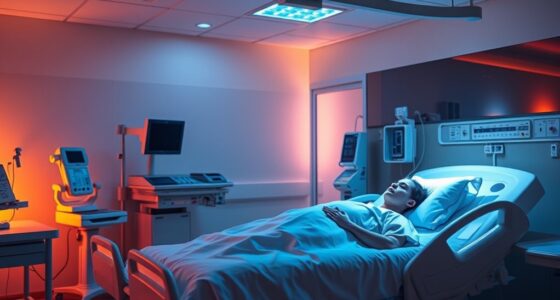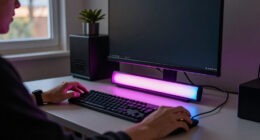
You’ll find that lighting intensity has a bigger effect on your alertness than color does. Brighter environments stimulate your brain’s alertness pathways, helping you stay focused and awake. While color can influence your mood and relaxation, it doesn’t directly boost alertness as much as increasing brightness does. If you want to optimize your environment for maximum alertness, adjusting light intensity makes the biggest difference—keep exploring to discover how light color can complement your setting too.

Get the latest gadgets delivered free with Prime
- Fast, free delivery on millions of items
- Prime Video, Amazon Music and more included
- Member-only deals all year
Key Takeaways
- Brightness (intensity) directly enhances visual clarity and cognitive focus, boosting alertness regardless of color.
- Blue-enriched light, especially at high intensity, significantly suppresses melatonin, increasing alertness.
- High-intensity warm lighting can promote alertness, but blue spectrum at high brightness has a stronger effect.
- Dim or warm-colored lighting reduces alertness, even if the color is stimulating; intensity amplifies this effect.
- Both factors interact, but light intensity generally has a more immediate and measurable impact on alertness levels.

Lighting plays an essential role in setting the mood and functionality of a space, but understanding how intensity and color interact can greatly enhance your environment. When it comes to alertness, both factors influence how you perceive your surroundings and how your body responds. Your circadian rhythm, the internal clock that regulates sleep-wake cycles, is deeply affected by light exposure, especially its intensity and hue. Bright, blue-enriched light can simulate daylight, signaling your body to stay alert, while softer, warmer tones promote relaxation. Recognizing this interplay helps you tailor lighting to your needs, whether you’re working, relaxing, or winding down.
In terms of visual perception, the way your eyes process different lighting conditions directly impacts your alertness. Higher light intensity, especially in the blue spectrum, enhances clarity and focus, making details stand out more sharply. This increased brightness stimulates your retina, sending signals to your brain that it’s daytime, which suppresses melatonin production—the hormone responsible for sleep. Consequently, you feel more awake and attentive. Conversely, dim lighting or warmer hues tend to signal winding down, encouraging relaxation and drowsiness. When you’re choosing lighting for a workspace or living area, understanding how intensity and color influence visual perception helps you create an environment that either energizes or calms you.
The interaction between lighting intensity and color also plays an essential role in aligning with your circadian rhythm. Bright, cool-colored light during the day boosts alertness, helping you stay focused and productive. At night, reducing intensity and shifting to warmer tones supports your body’s natural transition towards sleep. If you neglect this balance, you might experience disrupted sleep patterns or decreased alertness during the day. For example, exposure to harsh, blue-rich light before bedtime can interfere with melatonin production, making it harder to fall asleep. Conversely, insufficient lighting during daytime hours can cause eye strain and fatigue, hampering your ability to concentrate. Additionally, light quality influences how your eyes and brain interpret different environments, affecting overall comfort and safety.
Ultimately, understanding how lighting intensity and color affect visual perception and your circadian rhythm allows you to optimize your environment for alertness and well-being. By adjusting brightness levels and hues according to the time of day, you can enhance focus when needed and promote relaxation when it’s time to unwind. Recognizing the subtle ways light influences your body and perception empowers you to create spaces that support your natural rhythms and daily activities.
As an affiliate, we earn on qualifying purchases.
Frequently Asked Questions
How Do Lighting Preferences Vary Across Different Age Groups?
You notice that lighting preferences differ across age groups due to age-related vision changes and lighting adaptation needs. Younger people often favor brighter, cooler lights for clarity, while older adults prefer softer, warmer illumination to reduce glare and ease vision strain. These preferences reflect your body’s natural adaptation to changing vision capabilities, influencing how you choose lighting to stay comfortable and alert at different life stages.
Can Specific Color Combinations Enhance Alertness More Effectively?
You can boost alertness by using specific color combinations based on color psychology. Bright, cool colors like blue and green are known to promote focus and calmness, while warmer tones like yellow and orange energize you. Effective lighting optimization involves choosing these colors strategically to create an environment that keeps you alert and attentive. Experiment with different combinations to find what best supports your productivity and alertness levels.
What Role Does Lighting in Workplaces Influence Productivity?
Lighting in workplaces acts like the silent conductor of your daily symphony, guiding focus and energy. Good lighting ergonomics and visual comfort are your allies, reducing strain and boosting productivity. When your eyes aren’t fighting glare or flicker, your mind stays sharper and more engaged. Proper illumination creates an environment where you can perform at your best, turning work into a harmonious flow rather than a struggle against poor lighting conditions.
Are There Long-Term Health Effects From Exposure to Certain Lighting Conditions?
Long-term exposure to certain lighting conditions can lead to health issues like circadian disruption, affecting your sleep and overall well-being. You might also risk retinal damage from prolonged exposure to high-intensity or blue-rich light. These effects may develop gradually, so it’s important to monitor your lighting environment. By managing exposure, you can protect your health and maintain better sleep patterns, reducing potential long-term risks.
How Do Cultural Differences Impact Perceptions of Lighting and Alertness?
Think of perceptions of lighting as a mirror reflecting cultural values. Your cultural lighting perceptions shape how alertness is experienced across different societies. These differences influence what’s considered stimulating or calming, affecting cross-cultural alertness. You might find bright, cool lights energizing, while others see them as harsh. Embracing these cultural nuances helps you understand diverse responses to lighting, enhancing your awareness of how cultural context influences alertness and environment perceptions.
As an affiliate, we earn on qualifying purchases.
Conclusion
So, it seems like both lighting intensity and color play their roles in your alertness, almost like two sides of the same coin. You might find that a bright, cool-toned light sparks your focus just as easily as a vibrant, warm hue lifts your mood. Coincidentally, the right combo depends on your environment and mood, proving that sometimes, it’s not just about one or the other—but how they work together to keep you sharp and energized.
As an affiliate, we earn on qualifying purchases.
As an affiliate, we earn on qualifying purchases.
Fall Picks
fall essentials
As an affiliate, we earn on qualifying purchases.