Blue light from screens can harm your eye health and disrupt your sleep patterns. Prolonged exposure may cause digital eye strain, leading to dry, blurry, and fatigued eyes. It also interferes with melatonin, making it harder to fall asleep and reducing sleep quality. To protect yourself, use blue light filters, follow the 20-20-20 rule, and limit late-night screen time. Keep exploring to discover simple steps that can help you stay healthier in a digital world.
Key Takeaways
- Excessive blue light exposure can contribute to digital eye strain and discomfort, affecting visual performance.
- Blue light may cause retinal damage over time, increasing the risk of age-related macular degeneration.
- Protecting eyes with filters or glasses reduces potential blue light-induced harm.
- Blue light disrupts circadian rhythms, leading to sleep disturbances and overall health issues.
- Awareness and preventive habits are essential to minimize blue light hazards and maintain eye health.
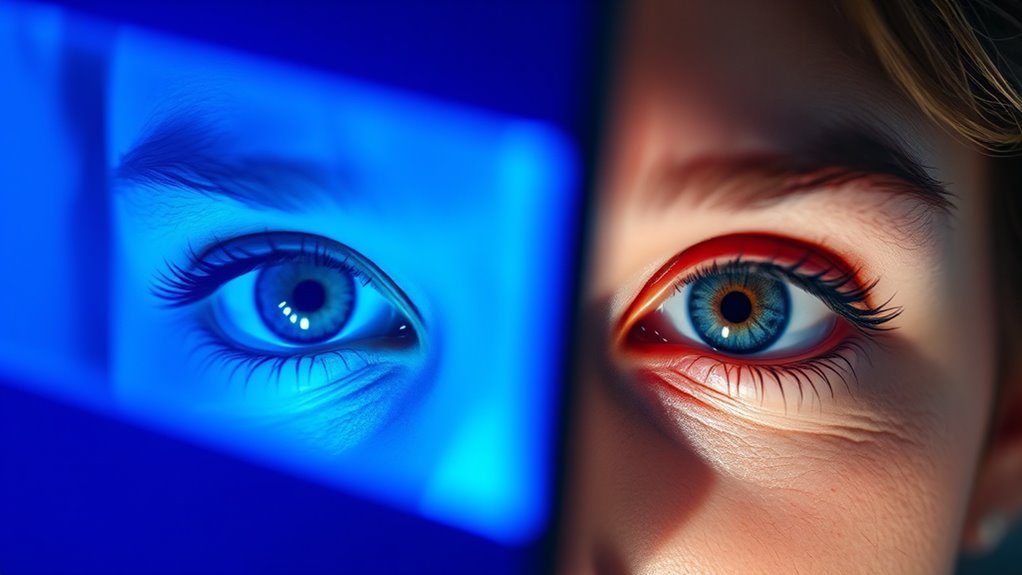
In today’s digital age, exposure to blue light from screens has become a common part of daily life. Whether you’re working on a computer, scrolling through your phone, or watching TV, you’re constantly exposed to this high-energy visible light. While blue light is necessary for regulating your sleep-wake cycle and boosting alertness during the day, too much of it can have negative effects on your eyes and overall health. One of the most immediate concerns is digital eye strain, a collection of discomforts like dry eyes, blurred vision, headaches, and eye fatigue. These symptoms often result from prolonged screen time without breaks, causing your eyes to work harder to focus and process the light. Over time, digital eye strain can become persistent, affecting your productivity and comfort.
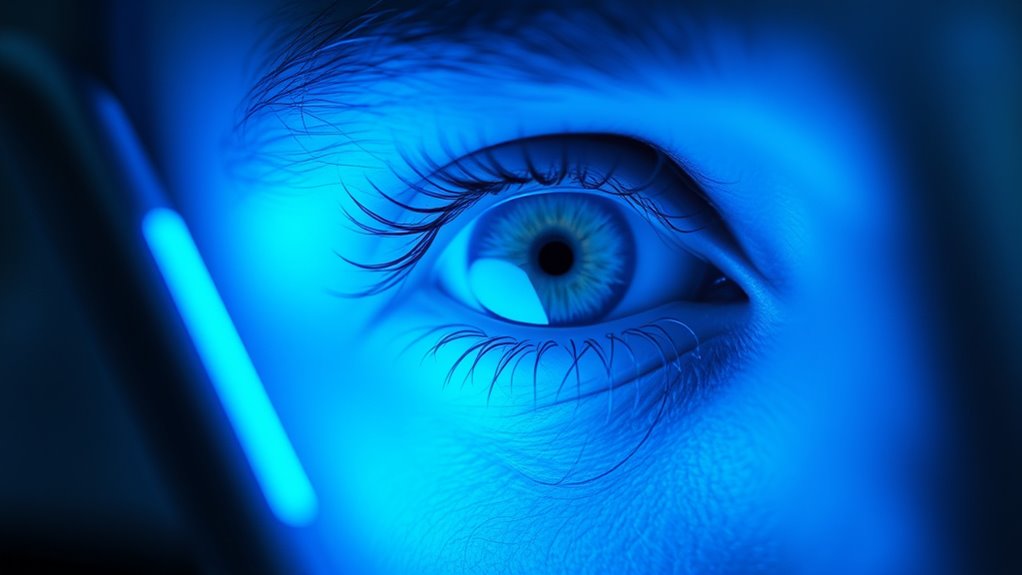
Constant screen exposure can cause digital eye strain and discomfort over time.
Additionally, blue light exposure can interfere with your circadian rhythm, the internal clock that regulates sleep and wakefulness. When you’re exposed to blue light late at night, especially from screens close to bedtime, it can disrupt the production of melatonin, the hormone responsible for sleep. This circadian disruption makes it harder to fall asleep and reduces sleep quality, which can lead to fatigue, decreased cognitive function, and even mood disturbances during the day. Since many people use devices late into the evening, this disruption is a widespread issue that can have long-term health implications. Furthermore, research indicates that blue light filters and specialized glasses can help reduce the amount of blue light reaching your eyes, offering a practical way to protect your vision.
Understanding the impact of blue light on your eye health is vital, especially if you spend hours in front of screens daily. You might notice increased eye discomfort and difficulty sleeping if you don’t take steps to protect yourself. Wearing blue light glasses, adjusting your device settings to reduce blue light emissions, and following the 20-20-20 rule—every 20 minutes, look at something 20 feet away for at least 20 seconds—can help mitigate digital eye strain and circadian disruption. Making these small changes can improve your comfort and help preserve your eye health in a digitally dominated world.
Ultimately, being mindful of your blue light exposure and taking preventive measures can make a significant difference. Your eyes are delicate, and prolonged exposure to blue light without protection can accelerate digital eye strain and disturb your natural sleep cycle. By staying aware and implementing simple habits, you can enjoy your screen time without sacrificing your eye health or overall well-being.
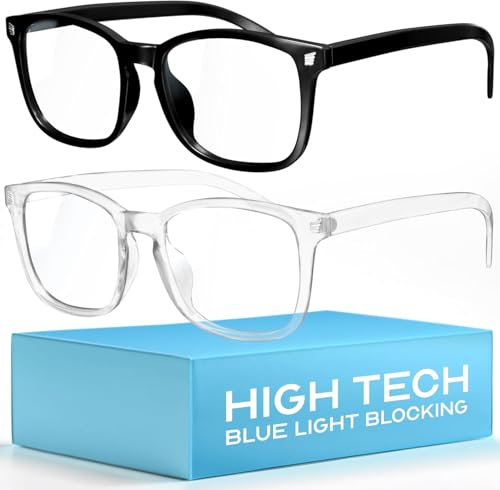
livho High Tech Blue Light Glasses – Advanced Blue Light Blocking Computer Glasses – Screen Fatigue & UV Protection
Elevate your screen time comfort with these stylish women's/men's eyewear frame blue light blocking glasses, designed to reduce…
As an affiliate, we earn on qualifying purchases.
As an affiliate, we earn on qualifying purchases.
Frequently Asked Questions
Can Blue Light Damage My Eyes Permanently?
Blue light can cause retinal damage over time if you’re exposed excessively, especially at high intensities or close distances. It may also lead to circadian disruption, affecting your sleep patterns. While occasional exposure isn’t likely to cause permanent damage, prolonged or intense exposure might increase risks. To protect your eyes, consider using blue light filters or glasses, especially during late-night screen time, and take regular breaks to reduce overall exposure.
What Are the Best Glasses to Block Blue Light?
You should choose glasses with effective blue light filters and anti-reflective coatings. These features help reduce eye strain from screens and improve clarity. Look for glasses labeled specifically for blue light blocking, preferably with high-quality anti-reflective coatings that minimize glare. Coincidentally, many modern glasses incorporate both features, making them perfect for digital use. Prioritize comfort and durability, and you’ll protect your eyes while working or relaxing on screens.
Does Blue Light Exposure Affect Children’s Vision?
Yes, blue light exposure can affect children’s vision, especially with increased screen time. It may cause eye strain, discomfort, and disrupt sleep patterns. You should encourage your child to take regular breaks from screens, follow the 20-20-20 rule, and consider using blue light blocking glasses if they spend long hours on devices. These steps help reduce eye strain and protect their developing eyes.
How Much Blue Light Do Screens Emit Daily?
You likely encounter a flood of blue light daily, with screens emitting varying light intensities. On average, your screen time exposes you to roughly 1-2 milligrams of blue light, depending on device brightness and duration. As you scroll and swipe, think of light intensity as a rising tide, subtly washing over your eyes. Managing your screen time helps keep this exposure in check, protecting your vision’s future.
Are There Any Long-Term Health Risks From Blue Light?
Long-term health risks from blue light are still being studied, but evidence suggests potential eye strain and sleep disruption. To improve blue light safety, you should practice eye protection strategies like using screen filters, adjusting brightness, and taking regular breaks. Wearing blue light glasses can also help reduce exposure. Staying mindful of your screen time and prioritizing eye health guarantees you minimize any possible long-term effects.

JESOHO Blue Light Screen Protector for iPhone 17e/16e/13/13 Pro/14 (6.1inch), Eye Protection Tempered Glass Film, Scratch-Resistant, No Bubble with Easy Installation Kit, 2 Pack
Applicable model: Compatible with iPhone17e/16e/14/13/13 Pro (6.1Inch).Please check the model of your iPhone in “Settings”-General-About- Model Name, Choose…
As an affiliate, we earn on qualifying purchases.
As an affiliate, we earn on qualifying purchases.
Conclusion
Understanding blue light hazard is like shining a spotlight on a hidden danger. By protecting your eyes with proper filters and limiting screen time, you’re shielding your vision from potential harm. Remember, your eyes are the windows to your world—keep them clear and bright. Don’t let blue light be the storm that clouds your sight; take action now to preserve your eye health for years to come.

Refresh Digital Lubricant Eye Drops, 0.33 Fl Oz (Pack of 1)
Acts fast to relieve dryness, burning, irritation, and discomfort in the eyes that may be due to digital…
As an affiliate, we earn on qualifying purchases.
As an affiliate, we earn on qualifying purchases.

Natrol 10 mg Melatonin Gummies, Sleep Support for Adults, Melatonin Supplements for Sleeping, 90 Strawberry-Flavored Gummies, 45 Day Supply
FALL ASLEEP FASTER (1): Enjoy a better night's sleep with melatonin 10mg gummies for adults, featuring gummy melatonin…
As an affiliate, we earn on qualifying purchases.
As an affiliate, we earn on qualifying purchases.