
Metamerism happens when two colors look identical under one light source but appear different under another because of the varying spectral emissions from each light. Your eyes interpret colors based on the surrounding lighting, which can cause mismatches if you don’t consider different environments. To prevent this, test color matches under multiple lighting conditions or use tools that simulate these environments. Keep exploring to discover how understanding light influences accurate color matching.
Key Takeaways
- Metamerism occurs when two colors match under one light but differ under another due to spectral differences.
- Different light sources emit varying spectra, affecting how colors are perceived and causing metameric matches to shift.
- Testing color matches under multiple lighting conditions helps identify and prevent metameric discrepancies.
- Standardized light booths simulate various environments, ensuring consistent color matching across different lighting.
- Understanding the influence of lighting on reflected wavelengths improves accuracy in color matching and reduces metamerism issues.

Matching colors under different lighting conditions can be surprisingly challenging because light drastically affects how colors appear. When you’re trying to match a fabric, paint, or any material, you might think the color looks perfect in your workshop, but once you move it into a different environment, it might seem off. This is because lighting conditions play a pivotal role in shaping your visual perception. Your eyes don’t see colors in isolation; they interpret them based on the surrounding light source, which can change dramatically from daylight to fluorescent or incandescent lighting.
Understanding this variability is essential, especially in fields like fashion, interior design, and manufacturing. When you look at a color, your brain processes the wavelengths of light reflected from the surface. But these wavelengths can shift depending on the type of light illuminating the object. For example, under cool fluorescent lights, warm reds or yellows may appear dull or muted, while cool blues might seem more vibrant. Conversely, incandescent bulbs emit a warm, yellowish glow that can make colors appear richer or more yellowed than they actually are. Because of this, the same color can look very different in two environments, leading to mismatched perceptions.
This phenomenon is known as metamerism—where two colors match under one lighting condition but not under another. It occurs because different light sources emit varying spectra of light, which interact uniquely with the pigments or dyes in the material. If you’re not aware of this, you might think you’ve achieved a perfect match when, in reality, the colors diverge once the lighting changes. To combat this, professionals often test color matches under multiple lighting conditions, especially in critical industries like textiles or automotive painting. They also use standardized light booths that simulate various lighting environments, helping to predict how colors will look in real-world settings.
Your visual perception is highly adaptable, but it’s also deceivable, especially when it comes to color matching. Recognizing the influence of lighting conditions helps you make better decisions and avoid costly mistakes. When matching colors, always consider how the environment’s light will alter their appearance. Relying solely on what you see in one setting can lead to mismatches later. Instead, examine your colors under different lighting conditions or use tools designed to simulate these environments. This way, you gain a clearer understanding of how a color truly appears, regardless of where or how you view it. Being aware of the impact of lighting on visual perception is key to achieving accurate, consistent color matches in any context. Additionally, advancements in AI and automation are increasingly helping industries predict and manage color consistency more effectively across different environments.

Color Matching Light Booth – Color Assessment Cabinet, Lab Color Matching Box with 4 Light Sources D65 Cwf Tl84 Uv, for Color Evaluation and Matching in Textiles Printing, Paint, Cosmetics, Plastics
【Selected Material】: It is mainly made of premium high-density board, which is wear-resistant, scratch-resistant, compact-resistant, and not easy…
As an affiliate, we earn on qualifying purchases.
As an affiliate, we earn on qualifying purchases.
Frequently Asked Questions
How Does Metamerism Affect Textile Manufacturing?
You need to consider how metamerism impacts textile manufacturing because it influences color stability and visual perception. When colors match under one light but not another, it can cause customer dissatisfaction and product returns. To prevent this, you should test fabrics under various lighting conditions, ensuring consistent appearance. This way, you maintain high-quality standards and ensure your textiles look appealing and true to their intended color in all environments.
Can Metamerism Be Completely Eliminated in Color Matching?
You can’t completely eliminate metamerism in color matching, but you can substantially reduce it. To do this, you need precise spectrophotometer calibration and strict lighting condition control during production and inspection. By ensuring consistent lighting and accurate device calibration, you minimize color discrepancies under different lights. However, some residual metamerism may still occur due to inherent material properties, so it’s about managing, not entirely eliminating, the effect.
What Are Common Tools Used to Detect Metamerism?
Imagine uncovering hidden color tricks—spectrophotometer analysis and advanced color matching software are your secret weapons. These tools detect metamerism by precisely measuring color differences under various light sources. Spectrophotometers analyze the reflectance spectra, while color matching software compares data for consistency. Together, they enable you to identify and minimize metamerism, ensuring your colors stay true regardless of the lighting, making your color matching process more accurate and reliable.
How Does Metamerism Impact Paint and Coating Industries?
You need to recognize that metamerism affects the paint and coating industries by challenging color consistency across different lighting conditions. It influences visual perception, making colors appear mismatched under varied lights, which can lead to customer dissatisfaction and costly rework. To guarantee true color matching, you must carefully evaluate colors under multiple lighting scenarios, using tools like spectrophotometers, to maintain high standards of color consistency and avoid surprises in real-world settings.
Are There Specific Lighting Conditions Where Metamerism Is More Noticeable?
You’ll notice metamerism more under specific lighting conditions, especially in natural daylight or fluorescent lights. These lighting conditions considerably affect your visual perception, making color differences more apparent. When lighting changes, your eyes perceive colors differently, causing mismatches. To minimize this, always test color matches under various lighting conditions to guarantee consistency, especially for critical applications like paint, textiles, or design projects.

Feit Electric A19 LED Light Bulb, 60W Replacement, Dimmable, Selectable Color Temperatures (2700K-5000K), 800 Lumens, General Purpose Light Bulbs, 15,000-Hour Lifetime, OM60DM/5CCTCA/LED/ 10 Pack
CUSTOMIZABLE LIGHTING WITH ADJUSTABLE COLOR TEMPERATURE – Enjoy tailored lighting for every mood and setting with selectable color…
As an affiliate, we earn on qualifying purchases.
As an affiliate, we earn on qualifying purchases.
Conclusion
So, when you realize that colors can mysteriously match under certain lights, it feels like a fortunate coincidence rather than a deliberate choice. Metamerism reminds you that perception is often a matter of circumstance, and sometimes, what looks perfect today might not tomorrow. Embrace these subtle surprises, because in the end, they highlight how beautifully unpredictable color matching can be—almost as if the universe itself subtly orchestrates these fleeting moments of harmony.
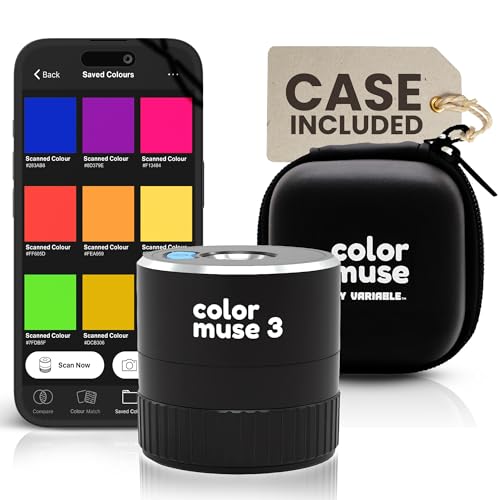
COLOR MUSE 3 Portable Color Matching and Paint Scanner Device with Protective Travel Case – Wireless Digital Colorimeter Sensor for Accurate Color – Pocket-Sized, Easy Carry, Indoor/Outdoor Projects
COLOR & SHEEN MATCHING TECHNOLOGY: Color Muse 3 measures both color and sheen in one scan using a…
As an affiliate, we earn on qualifying purchases.
As an affiliate, we earn on qualifying purchases.

ANGSYLTH 2 Pcs Fluorescent Light Covers – 4 x 2 Feet Covers for Ceiling Lights, Magnetic Light Filters for Classroom, Office, Hospitals, Home
You Will Receive: You will receive 2 ceiling light cover, the size is 4×2 feet, which can meet…
As an affiliate, we earn on qualifying purchases.
As an affiliate, we earn on qualifying purchases.