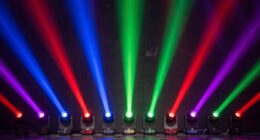
Polarization influences how you perceive colors by controlling how light interacts with surfaces and filters. When light reflects off shiny surfaces, it often becomes polarized, which can dim or change the perceived colors. Polarized filters and sunglasses help reduce glare and enhance color contrast by blocking specific light vibrations. Understanding this process can improve how you see and interpret vibrant scenes. Keep exploring, and you’ll uncover how polarization subtly shapes your visual experience.
Key Takeaways
- Polarized light interacts differently with surfaces, altering the colors we perceive in various environments.
- Reflection and filtering can polarize light, impacting how colors appear to the human eye.
- Polarized filters can enhance or diminish specific colors by controlling light’s vibrational directions.
- Devices using polarization improve visual clarity and color contrast by manipulating polarized light.
- Polarization effects are crucial in understanding phenomena like rainbows, iridescence, and glare reduction.

Understanding how light interacts with objects is essential to grasping color perception, and polarization plays a significant role in this process. When light hits a surface, it can be reflected, absorbed, or transmitted, affecting how you perceive its color. Polarized light refers to light waves that vibrate in a specific direction, usually caused by reflection or filtering. This polarization influences how your eyes interpret colors, especially in complex environments where light has undergone multiple interactions. For example, when light reflects off a shiny surface like water or glass, it becomes polarized, which can diminish or alter the colors you see. Recognizing this effect helps explain phenomena such as the vividness of a rainbow or the iridescence seen in some insects and minerals. Additionally, light polarization can be manipulated to enhance visual clarity and color contrast in various optical devices. Color filtering is another pivotal aspect connected to polarization. When polarized light passes through certain filters, it can be selectively absorbed or transmitted based on the filter’s properties. These filters, often called polarizers, allow only light vibrating in a specific plane to pass through, effectively changing the light’s polarization state. This process can enhance or diminish particular colors, providing a means to manipulate how you perceive the scene. For instance, polarized sunglasses use this principle to reduce glare by filtering out horizontally polarized light reflected from surfaces like roads or water. As a result, you see clearer, more saturated colors without the harsh reflections that distort your perception.
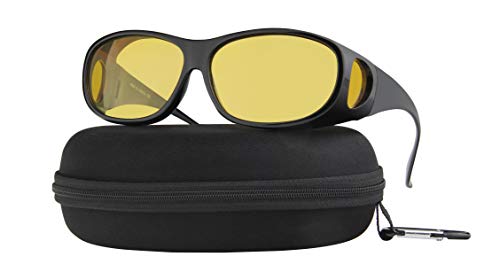
Night Driving Glasses Anti Glare Polarized Night Vision Yellow Tint Night Driving Glare Reducing Fit Over Driving Sunglasses Men and Women
Night Driving Glasses help reduce glare and bright lights for safe night time driving
As an affiliate, we earn on qualifying purchases.
As an affiliate, we earn on qualifying purchases.
Frequently Asked Questions
How Does Polarization Affect the Perception of Natural Landscapes?
You notice that polarization reduces sky glare, making the landscape appear clearer and more vibrant. It also enhances water reflection, allowing you to see more defined images of mountains, trees, or the sky in lakes and ponds. By filtering out scattered light, polarization helps you perceive natural landscapes with better contrast and color richness, giving you a more vivid and immersive experience of outdoor scenes.
Can Polarization Influence the Way We Perceive Color Illusions?
Yes, polarization can influence how you perceive color illusions and cause visual distortion. When light becomes polarized, it alters the way your eyes interpret reflected or transmitted light, sometimes intensifying or diminishing colors in optical illusions. You might notice that certain illusions appear more vivid or distorted depending on the polarization of the light, making your perception of colors more dynamic and complex than you initially thought.
Are Certain Colors More Affected by Polarization in Everyday Life?
You might think polarization affects all colors equally, but certain hues are more influenced. For example, polarized sunglasses with color filtering can enhance or diminish specific colors, like blues and greens, making them appear more vivid or subdued. This happens because polarization interacts differently with various wavelengths, so in everyday life, you’ll notice that some colors are more affected than others when using polarized lenses or viewing through polarized surfaces.
How Does Polarization Impact Digital Displays’ Color Accuracy?
Polarization effects can impact digital displays’ color accuracy by causing light waves to align unevenly, which may distort colors or reduce contrast. This makes it essential for you to regularly perform display calibration, ensuring that polarization-related distortions are minimized. Proper calibration helps maintain true color reproduction, especially when viewing screens from different angles or under varying lighting conditions. Staying aware of polarization effects helps you optimize your display quality effectively.
Can Polarization Filters Alter the Perceived Hue of Objects?
Yes, polarization filters can alter the perceived hue of objects. When you look through a polarization filter, it affects how light waves are transmitted, which can lead to hue alteration. You might notice colors appear different or more subdued because the filter blocks certain light orientations. This effect is especially noticeable with reflective surfaces or polarized light sources, making polarization filters a useful tool for controlling color perception in photography and display viewing.

Selens Polarizing Film 2 PCS 7.8×11.8 inches Adhesive Polarized Sheets Linear Polarizing Photography Filter for LCD Screen Repairing & Physics Education
Linear Polarizer:Widely used in photography industry, kinds of LCD screens
As an affiliate, we earn on qualifying purchases.
As an affiliate, we earn on qualifying purchases.
Conclusion
As you explore polarization, you open a hidden lens that reveals the world’s true colors, much like a key unlocking a secret door. Just as polarized light filters through illusions, your perception sharpens, uncovering truths beyond surface appearances. Remember, polarization isn’t just about light; it’s a symbol of clarity amid complexity. Embrace it, and you’ll see the vibrant depths of reality—hidden treasures waiting to be discovered behind the veils of illusion.
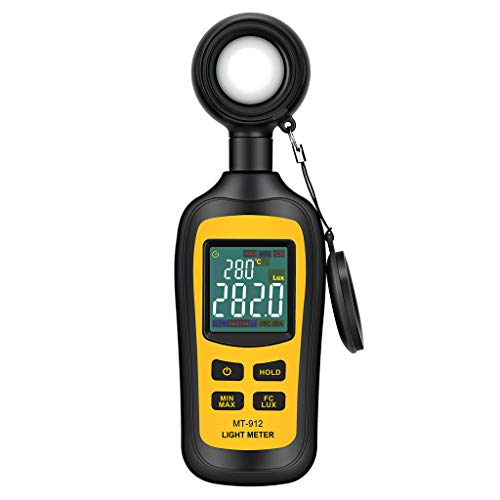
Light Meter Digital Illuminance Meter Handheld Ambient Temperature Measurer, Range up to 200,000 Lux, Luxmeter with 4 Digit Color LCD Screen
Measures luminosity from 0 to 200,000 Lux and ambient temperature
As an affiliate, we earn on qualifying purchases.
As an affiliate, we earn on qualifying purchases.

Color in Electronic Displays (Defense Research Series)
As an affiliate, we earn on qualifying purchases.
As an affiliate, we earn on qualifying purchases.