
TL;DR

Get the latest gadgets delivered free with Prime
- Fast, free delivery on millions of items
- Prime Video, Amazon Music and more included
- Member-only deals all year
NASA makes its vast collection of space images and videos publicly available through multiple online platforms. This article explains where to find these resources and how to navigate them effectively.
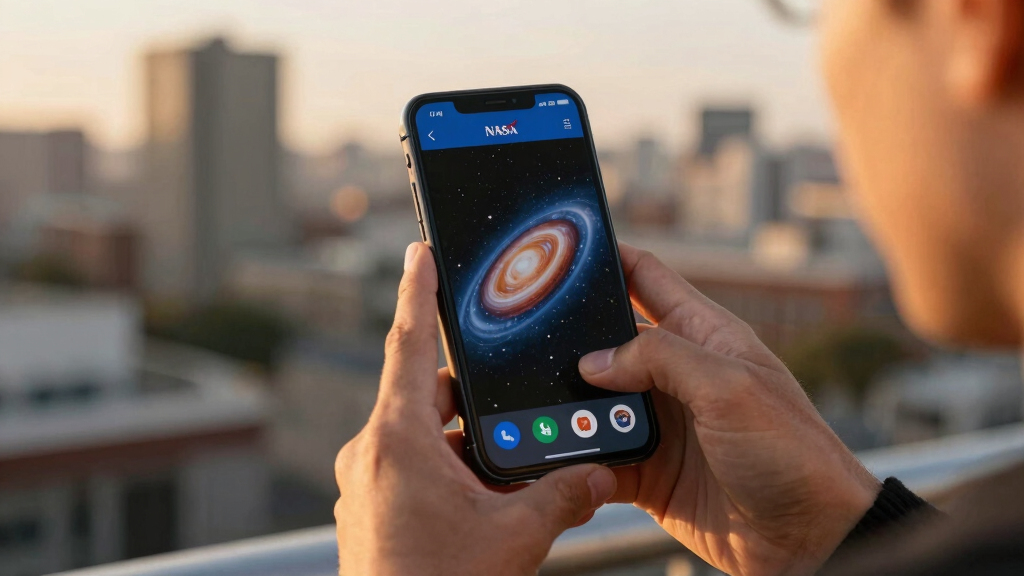
NASA has opened access to its extensive library of space images and videos, making them available to the public through several online platforms, including the NASA Image and Video Library, NASA Images, and Flickr. These resources include stunning photos from recent missions like Artemis II, as well as decades of historic space imagery. This development allows anyone to explore and share high-resolution space content, highlighting NASA’s commitment to transparency and public engagement.
The NASA Image and Video Library is the most comprehensive resource, hosting nearly every image, video, and audio clip NASA wants to share. It features recent uploads, trending content, and detailed metadata, including EXIF data for photography enthusiasts. However, navigating the library can be challenging without specific search terms due to its vast size.
In addition, the NASA Images portal offers a more curated experience, with organized collections and a prominent ‘NASA Image of the Day’ feature. Users can browse archives by mission or telescope, and downloading content is straightforward, though less detailed than the main library. The NASA Johnson Flickr account hosts over 63,500 high-resolution photos, organized into albums with detailed descriptions, making it easier for users to find specific images or missions.
NASA’s social media accounts on platforms like X, Instagram, and Facebook also regularly feature curated collections and updates. While these are more suitable for casual browsing and quick access, downloading high-resolution images from social media can be more complicated.
Expanded Access to NASA’s Space Image Archives
This development enhances public engagement with space exploration by providing easy access to breathtaking images from NASA’s missions. It supports educational initiatives, scientific outreach, and space enthusiasts worldwide, fostering greater appreciation and understanding of NASA’s work.
By making these images freely available, NASA also promotes transparency and inspires future generations of scientists, engineers, and explorers. The availability of high-quality, detailed images encourages both casual exploration and professional research, broadening the impact of NASA’s scientific achievements.
As an affiliate, we earn on qualifying purchases.
NASA’s Longstanding Tradition of Sharing Space Imagery
NASA has maintained a tradition of sharing space images since its inception, with early missions producing iconic photos like the Apollo lunar surface images. Over the years, the agency has expanded its digital archives, adapting to new technologies and platforms to reach broader audiences. Recent missions, such as Artemis II, have generated new high-resolution imagery, further enriching these collections.
Recent efforts to centralize and organize NASA’s image resources aim to improve user experience and accessibility. Platforms like the NASA Image and Video Library and Flickr have become key tools for researchers, educators, and space fans alike.
As an affiliate, we earn on qualifying purchases.
Limitations and Challenges in Accessing High-Resolution Content
While NASA provides extensive access to its images, downloading the highest-resolution versions can sometimes be complicated, especially from social media platforms. Searchability within the archives can also be challenging without specific keywords, and some older images may not be fully digitized or easily discoverable.
It is not yet clear whether NASA plans to further simplify access or improve search functionalities across all platforms in the near future.
space exploration educational kits
As an affiliate, we earn on qualifying purchases.
As an affiliate, we earn on qualifying purchases.
Upcoming Improvements and New Content Releases from NASA
NASA is expected to continue updating and expanding its image libraries, especially in connection with ongoing missions like Artemis II and Webb telescope observations. Future plans may include enhanced search tools, better metadata tagging, and more user-friendly interfaces to facilitate discovery.
Additionally, NASA may introduce new features or platforms to improve access and sharing options, further democratizing space imagery for the public.
As an affiliate, we earn on qualifying purchases.
Key Questions
How can I find the best space photos from NASA?
Start with the NASA Image and Video Library for the most comprehensive collection, or visit the NASA Images portal for curated content. The NASA Johnson Flickr account is also excellent for organized albums and high-resolution photos.
Yes, most of NASA’s images and videos are in the public domain and can be freely downloaded, shared, and used for educational or personal purposes.
What are the best platforms for casual browsing of NASA images?
Social media accounts on X, Instagram, and Facebook are ideal for quick browsing and updates, but for high-resolution downloads or detailed searches, the official NASA Image and Video Library and Flickr are better options.
Will NASA add more features to improve image search and discovery?
While specific plans are not publicly confirmed, NASA is likely to continue enhancing its digital platforms to improve user experience and access to new and historical imagery.
Source: WIRED
Halloween Picks
halloween
As an affiliate, we earn on qualifying purchases.