To master zone focusing for night street photography, set your lens to a specific distance, like 3 meters, and use a small aperture such as f/8 or f/11 to maximize depth of field. Use a wide-angle prime lens with a fast aperture to gather more light. Pre-focus at your chosen zone, rely on good light meter settings, and shoot quickly without worrying about autofocus. Keep exploring for more tips to sharpen your technique in low light environments.
Key Takeaways
- Pre-set focus distance and aperture to quickly capture scenes without adjusting focus in low light.
- Use small apertures (f/8 or f/11) to increase depth of field and keep more of the scene in focus.
- Choose wide-aperture prime lenses (f/1.4 or f/2.8) for better light gathering and faster shutter speeds.
- Focus to a common distance (around 3 meters) suitable for most street scenes to ensure sharpness.
- Rely on accurate light metering to set proper exposure, preventing underexposed or overexposed images.
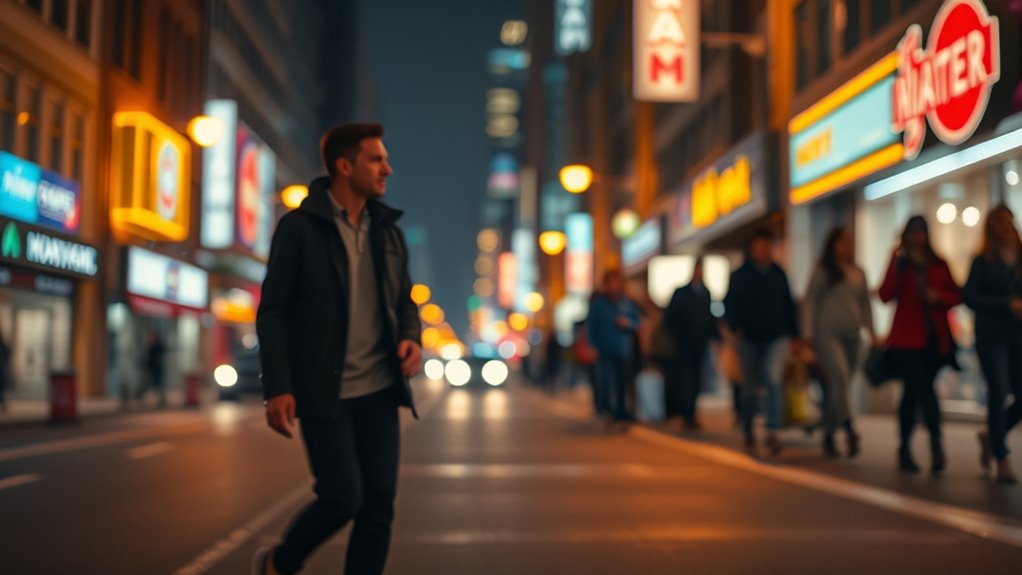
Night street photography can be challenging, but zone focusing makes it much easier to capture sharp, well-composed shots on the fly. When working in low light, you need to be quick and confident, and that’s where zone focusing really shines. Instead of constantly adjusting your focus for each shot, you pre-set your focus distance and aperture, allowing you to shoot rapidly without hesitation. To do this effectively, you have to consider light metering carefully. Accurate light metering helps you determine the right exposure settings, especially since night scenes often have high-contrast lighting conditions. By choosing a suitable ISO and aperture based on your metering, you guarantee your images aren’t underexposed or blown out, giving you a solid base to work from before you start shooting. Properly calibrating your camera’s settings ensures consistent results across different scenes and lighting situations.
Lens selection plays a vital role in night street photography. Prime lenses with wide apertures, such as f/1.4 or f/2.8, are excellent choices because they gather more light, making it easier to shoot in dim conditions. Their fast apertures also allow you to keep your ISO lower, reducing noise in your images. A versatile zoom lens with a wide maximum aperture can give you flexibility, especially if you want to quickly adapt to changing scenes and subjects. When selecting a lens, think about your typical shooting distance and how much you want to include in your frame. A standard 50mm or 35mm lens is ideal for street scenes, providing a natural perspective and enough speed to handle night conditions.
Once you’ve chosen your lens and set your light metering, you can focus on zone focusing. Set your lens to a specific distance based on your typical street scene. For example, if most of your shots are at about 3 meters, pre-focus to that distance and set your aperture to a small enough value—say f/8 or f/11—to maximize depth of field. This way, anything within that zone will be in focus, allowing you to react quickly to spontaneous moments. Remember, with zone focusing, you don’t have to worry about precise focus at the moment of capture. Instead, you rely on your pre-set focus zone, which is a huge advantage in unpredictable, fast-paced night environments. Using high-quality light metering tools can further improve your focus accuracy and overall image quality.
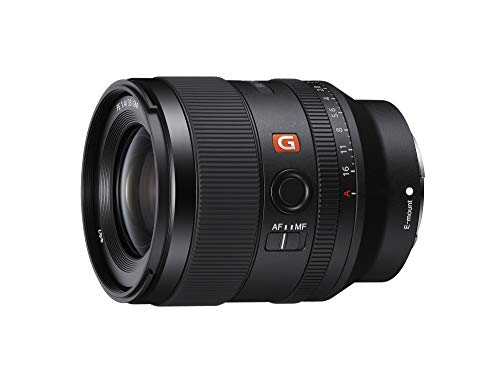
Sony FE 35mm f/1.4 GM Full-Frame Large-Aperture Wide Angle G Master Lens
Compact wide prime lens w/ stunning G Master bokeh and resolution
As an affiliate, we earn on qualifying purchases.
As an affiliate, we earn on qualifying purchases.
Frequently Asked Questions
How Does Zone Focusing Differ From Autofocus in Low-Light Conditions?
In low-light conditions, you might wonder how zone focusing differs from autofocus. With manual focus, you set a specific focus zone, which helps you quickly capture moments without hunting for focus. Autofocus can struggle in dim light, causing delays or missed shots. Zone focusing offers reliability, especially at night, letting you pre-establish a focus zone that guarantees sharp images even when light is limited.
What Lens Aperture Is Ideal for Night Street Zone Focusing?
Imagine your lens as a window, and aperture settings as its shutters. For night street zone focusing, choose a lens with a wide aperture, like f/1.4 or f/2.8, to gather more light and keep your scene sharp. These aperture settings help you quickly lock focus and capture fleeting moments. When selecting your lens, prioritize fast, bright options that excel in low-light conditions, making your night shots clearer and more vibrant.
How Do Weather Conditions Affect Zone Focusing at Night?
Weather conditions like rain impact your zone focusing by reducing contrast and visibility, making it harder to judge distances accurately. Fog influences your focus because it softens details and creates a diffuse light, which can cause your focus to drift. When shooting at night, be extra cautious, slow down, and use your experience to compensate for these weather effects, ensuring your focus remains sharp despite challenging conditions.
Can Zone Focusing Be Used Effectively With Mirrorless Cameras?
Some might think mirrorless cameras can’t handle zone focusing well, but that’s not true. You can effectively use manual focusing with focus peaking on mirrorless models, making zone focusing at night straightforward. Focus peaking highlights your in-focus areas, so you quickly set your zone without guessing. This combo allows you to capture sharp street scenes effortlessly, even in low light, giving you both precision and speed.
What Techniques Improve Focus Accuracy in Crowded Night Scenes?
To improve focus accuracy in crowded night scenes, you should use a smaller aperture to increase depth of field, ensuring more of your scene stays sharp. Keep your focal length consistent to avoid motion blur, and use continuous autofocus mode to track moving subjects. Pre-focus on a specific distance, especially in zone focusing, to minimize focusing time. These techniques help you capture sharp images amidst the chaos of crowded, low-light environments.
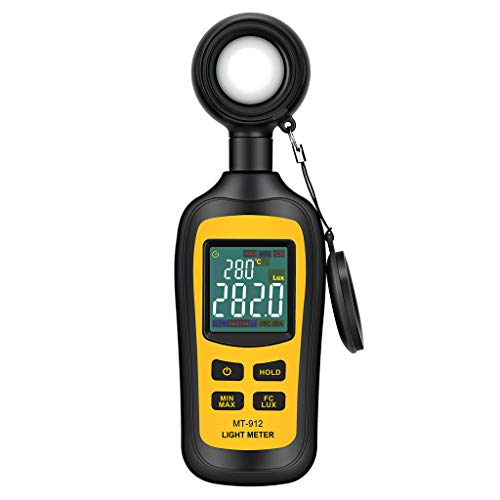
Light Meter Digital Illuminance Meter Handheld Ambient Temperature Measurer, Range up to 200,000 Lux, Luxmeter with 4 Digit Color LCD Screen
Measures luminosity from 0 to 200,000 Lux and ambient temperature
As an affiliate, we earn on qualifying purchases.
As an affiliate, we earn on qualifying purchases.
Conclusion
By mastering zone focusing at night, you become a silent observer, capturing fleeting moments like a gentle whisper in the darkness. Your camera becomes an extension of your soul, revealing stories hidden in shadows and light. Embrace the dance between clarity and mystery, letting your focus guide you through the city’s heartbeat. With every shot, you paint a vivid tapestry of nocturnal life—an eternal echo of the night’s quiet magic, waiting to be uncovered through your lens.

Sony SEL2470GM2 FE 24-70mm f/2.8 GM II Full-Frame Constant-Aperture G-Master Standard Zoom Lens
The full force of Sony’s latest lens technology brings stunning G Master resolution and exquisite bokeh together in…
As an affiliate, we earn on qualifying purchases.
As an affiliate, we earn on qualifying purchases.
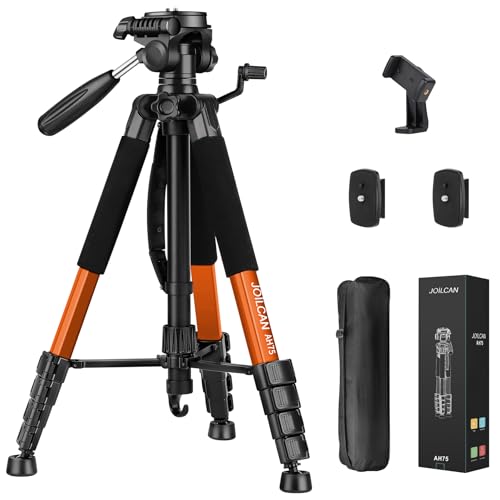
JOILCAN Tripod Camera Tripods, 74" Tripod for Camera Cell Phone Video Photography, Heavy Duty Tall Cameras Tripod Stand, Professional Travel DSLR Tripods Compatible with Canon iPhone, Max Load 15 LB
【Lightweight & Easy to Adjust】Upgraded trapezoidal flap lock tripod adjusted from 19.5" and 74" to meet different height…
As an affiliate, we earn on qualifying purchases.
As an affiliate, we earn on qualifying purchases.