
TL;DR
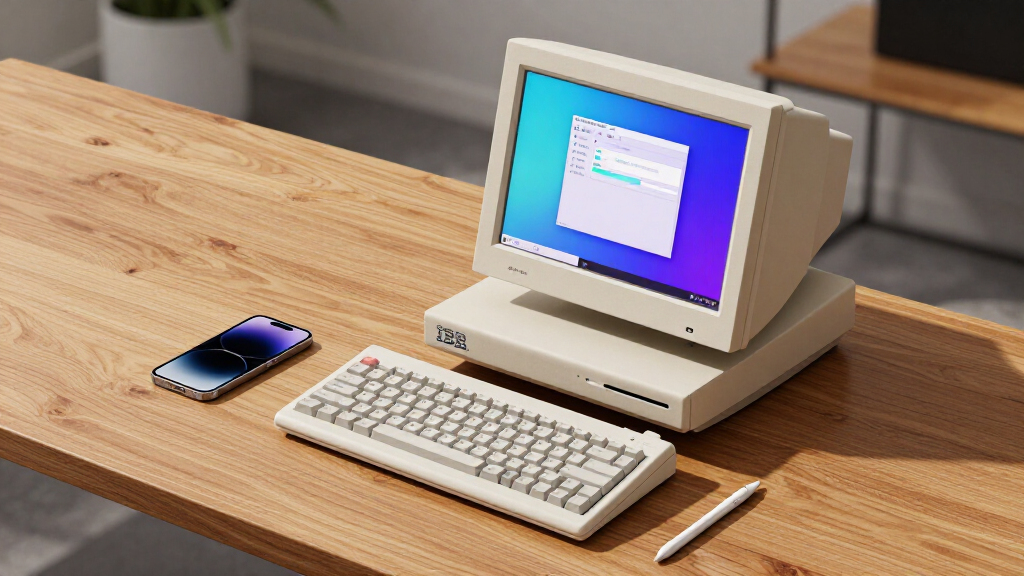
Os8088 has announced a new operating system designed to bring a Mac-like user experience to IBM XT, 286, and 386 computers. The development aims to modernize legacy hardware with a more accessible interface.
Os8088 has introduced a new operating system designed to emulate the user-friendly interface of Macintosh systems on IBM XT, 286, and 386 computers. This development aims to modernize legacy hardware, offering enhanced usability and features, and is considered a significant step for users still relying on these older systems.

Get the latest gadgets delivered free with Prime
- Fast, free delivery on millions of items
- Prime Video, Amazon Music and more included
- Member-only deals all year
The Os8088 OS was officially announced by the Os8088 development team during a press event in March 2024. It is tailored specifically for IBM XT, 286, and 386 machines, which traditionally run DOS-based environments. The new OS features a graphical interface resembling Mac OS, including a desktop environment, icons, and window management, which are not standard on these older systems.
According to Os8088 developers, the OS is built to be lightweight yet powerful, capable of running on hardware with limited resources typical of the era. It is said to support basic productivity applications, multimedia functions, and a simplified file management system, all within a familiar Mac-like aesthetic. The company claims it provides a more intuitive user experience for users transitioning from early Macintosh computers or seeking more accessible interfaces on legacy hardware.
While the OS is still in beta testing, early demonstrations have shown promising performance, with smooth graphical operation on systems with as little as 640 KB of RAM and a 16 MHz CPU. The developers emphasize that Os8088 is compatible with existing hardware and does not require significant upgrades to function.
Potential Impact on Legacy Hardware Users
The introduction of Os8088 could significantly extend the usability of IBM XT, 286, and 386 systems, which are often considered obsolete. By providing a modern, intuitive interface reminiscent of Mac OS, Os8088 could attract users who find DOS environments limiting or difficult to navigate. This move may also influence the software ecosystem for legacy hardware, encouraging developers to create new applications compatible with this OS, thus revitalizing interest in older systems.
Furthermore, the OS’s design could serve as a bridge for users transitioning from vintage Macintosh systems to IBM hardware, or vice versa, fostering greater interoperability and familiarity. It also highlights ongoing innovation in the retro computing community, where enthusiasts seek to preserve and enhance vintage systems with contemporary features.
Products Worth Considering

LG UltraGear 27G640A-B 27-Inch QHD IPS Gaming Monitor, 300Hz, 1ms, G-SYNC Compatible, FreeSync Premium, DisplayHDR 400, HDMI 2.1, USB-C, Adj

LG UltraGear 32-inch QHD Curved Gaming Monitor, 180Hz, 1ms, AMD FreeSync

Jackery Explorer 1000 v2 Portable Power Station, 1024Wh LiFePO4 Battery
As an affiliate, we earn on qualifying purchases.
Legacy Systems and the Need for Modern Interfaces
IBM XT, 286, and 386 computers, released in the early to late 1980s, have long been considered outdated for modern computing needs. Most run DOS or early Windows versions, which lack the visual polish and user-friendliness of later operating systems. Despite their age, these machines remain in use in certain industrial, educational, and hobbyist contexts due to their affordability and specific legacy applications.
Over the years, there have been efforts to update or replace these systems with newer hardware or emulators. However, hardware limitations and software compatibility issues have often hindered progress. The emergence of Os8088 aims to address this gap by offering a lightweight, visually appealing OS that can run on existing hardware without extensive modifications. This approach aligns with broader retro computing trends, where enthusiasts seek to breathe new life into vintage systems through innovative software solutions.
The company behind Os8088 states that their project is inspired by the success of similar efforts in the Macintosh community, where custom OSes and emulators have extended the lifespan of older hardware. The development also coincides with a growing interest among hobbyists and collectors in preserving and enhancing vintage computers.
Performance and Compatibility Still Under Evaluation
While early demonstrations suggest promising performance, it is not yet clear how well Os8088 will handle complex applications or multitasking on lower-end hardware. Compatibility with all existing hardware configurations remains to be tested extensively, and some users have raised questions about driver support and stability in long-term use.
Additionally, the final feature set and user interface polish are still in development, with some elements subject to change before the official release. The developers have not yet provided a detailed roadmap or estimated release date for the full version.
Expected Beta Release and Community Feedback
Os8088 plans to release a beta version within the next two months, inviting community testing and feedback. Developers aim to refine hardware compatibility, improve stability, and expand application support based on user input. A full release is anticipated later in 2024, potentially accompanied by documentation and tutorials to help users transition to the new OS.
Further updates will likely include performance benchmarks, compatibility reports, and user testimonials, which will determine the broader adoption of Os8088 among vintage computing enthusiasts and legacy system users.
Key Questions
Can Os8088 run on all IBM XT, 286, and 386 models?
According to the developers, Os8088 is designed to be compatible with most models in these categories, provided they meet minimum hardware specifications such as 640 KB RAM and a 16 MHz CPU.
Will Os8088 support modern applications?
Os8088 is primarily aimed at providing a Mac-like interface and basic productivity tools. It is unlikely to support modern applications designed for contemporary operating systems but aims to run legacy or simplified software compatible with its environment.
Is Os8088 open source or proprietary?
The developers have not explicitly stated whether Os8088 will be open source. Currently, it appears to be a proprietary project with plans for community testing and feedback.
When will Os8088 be officially released?
The full release date has not been announced. The developers plan to release a beta version within two months, with a full version expected later in 2024.
What does the interface look like compared to Mac OS?
Early demonstrations show a desktop with icons, resizable windows, and a menu bar similar to classic Mac OS, designed to be intuitive and familiar to Mac users.
Source: hn