Blue light influences your circadian rhythm by signaling your brain that it’s daytime, which can boost alertness but disrupt your sleep if exposed in the evening. While controlled blue light exposure through light therapy can help reset your internal clock and improve sleep patterns, excessive or poorly timed use, especially before bed, can interfere with sleep quality and overall health. If you want to understand how to balance these effects and protect your rhythm, keep exploring these strategies.
Play games included with Prime
Start a Prime free trial and play with Amazon Luna on your devices.
As an affiliate, we earn on qualifying purchases.
Key Takeaways
- Blue light influences circadian rhythms by signaling daytime, but evening exposure can disrupt sleep patterns.
- Proper timing of blue light exposure through light therapy can reset or strengthen circadian clocks.
- Excessive blue light, especially at night, can cause sleep disturbances and reduce overall sleep quality.
- Using blue light filters or limiting evening screen time helps protect circadian rhythm and sleep health.
- Strategic blue light exposure during the day can boost alertness and improve mood, benefiting overall well-being.

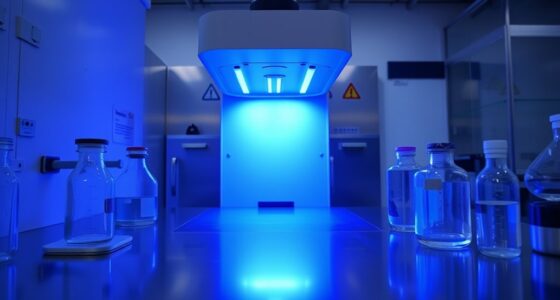
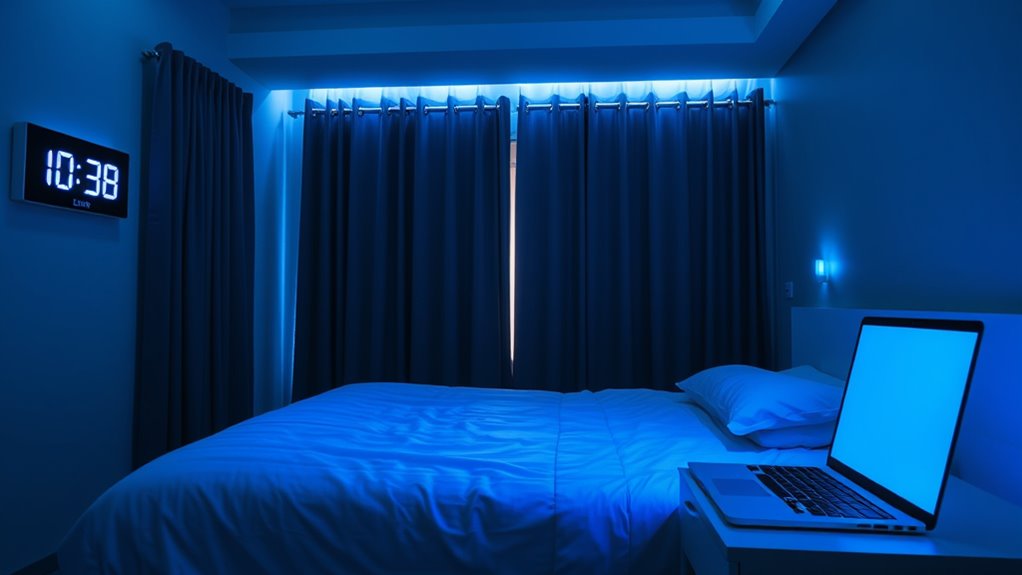
Have you ever wondered how the blue light from screens affects your body’s internal clock? It’s a common concern, especially as we spend more hours staring at smartphones, tablets, and computers. Blue light, which is part of the visible light spectrum, plays a significant role in regulating your circadian rhythm—the natural cycle that governs sleep and wakefulness. When your eyes absorb blue light during the evening, it signals your brain that it’s daytime, which can lead to sleep disruption. This interference makes it harder for you to fall asleep and reduces sleep quality, leaving you tired and less alert the next day.
But there’s more to the story. Interestingly, light therapy is often used to treat circadian rhythm disorders and seasonal affective disorder. In these cases, carefully timed exposure to bright light, including blue light, can help reset your internal clock. When used appropriately, light therapy can be a powerful tool to improve your sleep patterns, especially if you suffer from delayed sleep phase syndrome or experience seasonal mood dips. However, the key is timing. If you’re exposed to bright blue light late in the day, it can cause sleep disruption, making it difficult to wind down and fall asleep at your usual time. Conversely, morning light therapy can promote alertness and help advance your circadian rhythm, aligning it better with your daily schedule.
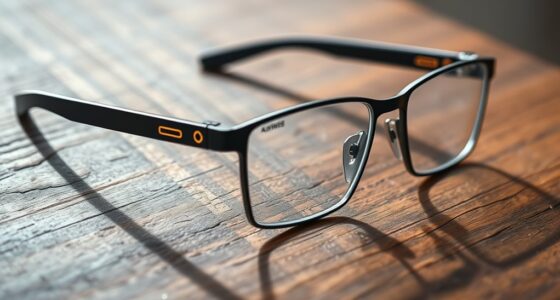
Understanding the risks and benefits of blue light exposure is vital. While light therapy offers therapeutic advantages, excessive or poorly timed exposure—particularly in the evening—can throw your sleep cycle off balance. This is why many experts recommend limiting screen time before bed or using blue light filters and glasses designed to block or reduce blue light emissions. These measures help mitigate sleep disruption, allowing your body’s internal clock to function more naturally. By managing your exposure to blue light, especially in the hours before sleep, you can protect your circadian rhythm, improve your sleep quality, and maintain better overall health.
As an affiliate, we earn on qualifying purchases.
Frequently Asked Questions
Can Blue Light Exposure Improve Alertness During Daytime?
Yes, blue light exposure can improve your alertness during the daytime. It boosts your visual alertness by stimulating your brain’s alertness centers, helping you stay focused and attentive. This can enhance your daytime performance, especially during work or study sessions. Just be mindful of overexposure, as too much blue light late in the day might disrupt your sleep, but during daytime, it’s generally beneficial for maintaining energy and alertness.
Is Blue Light Harmful to Eye Health Long-Term?
Blue light can potentially cause retinal damage over time and lead to eye strain, especially if you’re exposed for extended periods. While normal exposure from screens is generally safe, prolonged or intense exposure might increase risks. To protect your eye health, take regular breaks, use blue light filters or glasses, and keep screen time balanced. Staying mindful of your exposure helps reduce long-term harm and maintains your eye comfort.
How Does Blue Light Affect Melatonin Production?
You might think blue light is just pretty, but it actually suppresses melatonin production, messing with your sleep. Ironically, the more you stare at screens, the more you disrupt your circadian rhythm, making it harder to fall asleep and stay rested. By blocking blue light in the evening, you can reduce melatonin suppression and keep your internal clock on track, helping you sleep better and feel more energized.
Are There Specific Devices That Emit Less Blue Light?
Yes, there are devices that emit less blue light. You can look for screens with built-in blue light filters or enable these filters through device settings. Adjusting device brightness settings to lower levels also helps reduce blue light exposure. Many smartphones, tablets, and computers now offer night mode or blue light reduction options, making it easier for you to protect your circadian rhythm while using screens in the evening.
Can Blue Light Therapy Help With Sleep Disorders?
Blue light therapy can help with sleep disorders by regulating your circadian rhythm and promoting better sleep patterns. If you have issues like delayed sleep phase syndrome or jet lag, this therapy exposes you to controlled blue light at specific times, helping reset your internal clock. Always consult a healthcare professional before starting blue light therapy, as improper use could disrupt your sleep further or cause eye strain.
As an affiliate, we earn on qualifying purchases.
Conclusion
Understanding how blue light impacts your circadian rhythm helps you make smarter choices about screen time. While it can boost alertness and productivity during the day, excessive exposure at night can throw your sleep off course. Remember, you don’t want to be caught between a rock and a hard place—struggling with sleep and fatigue. By balancing your exposure, you can enjoy the benefits without paying the price. Take control before it’s too late.
blue light filter screen protector
As an affiliate, we earn on qualifying purchases.
As an affiliate, we earn on qualifying purchases.
sleep mask for light sensitivity
As an affiliate, we earn on qualifying purchases.
As an affiliate, we earn on qualifying purchases.
Flea & tick season Picks
flea and tick prevention
As an affiliate, we earn on qualifying purchases.