To optimize your alertness and sleep, create a bright, well-lit environment with high-intensity blue-enriched light during your first half of the shift. Use blackout curtains or sleep masks to darken your sleep space, and wear blue light blocking glasses when resting. Minimize bright lights before sleeping, especially blue ones, and use warm, dim lighting during wind-down periods. Proper light management can help reset your internal clock—continue exploring for more effective strategies.

Get the latest gadgets delivered free with Prime
- Fast, free delivery on millions of items
- Prime Video, Amazon Music and more included
- Member-only deals all year
Key Takeaways
- Use bright, blue-enriched light during night shifts to enhance alertness and mimic daytime conditions.
- Reduce exposure to blue light before sleep by dimming lights and wearing blue light blocking glasses.
- Maximize natural or artificial bright light exposure during the first half of shifts to reinforce circadian cues.
- Create a dark, quiet sleep environment with blackout curtains and white noise to promote daytime rest.
- Limit bright light exposure during commute and pre-sleep periods to support melatonin production and sleep onset.
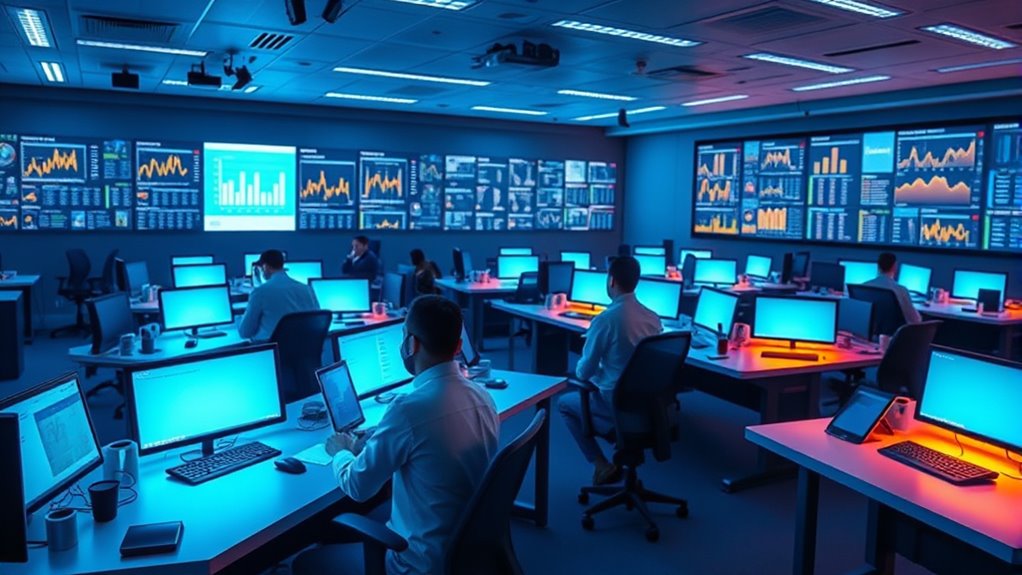
Adjusting to irregular work hours can be challenging, especially when it comes to maintaining alertness and sleep quality. One of the biggest hurdles you face is circadian disruption, which occurs when your internal body clock is thrown off by irregular sleep and wake times. This disruption can lead to fatigue, reduced alertness, and difficulty falling asleep during the day. To combat this, you need to pay close attention to your sleep environment and lighting practices. Proper lighting strategies can help reset your circadian rhythms and improve your overall well-being.
Your sleep environment plays a vital role in managing circadian disruption. When sleeping during the day, you want to make it as dark and quiet as possible. Invest in blackout curtains or a sleep mask to block out sunlight, which signals to your body that it’s time to wake up. Additionally, consider using white noise machines or earplugs to drown out daytime sounds. Creating an ideal sleep environment helps your body recognize that it’s time to rest, even when outside conditions suggest otherwise.
Lighting during your wake hours is equally important. Bright light exposure during your shift can boost alertness and mimic natural daylight, which helps reinforce your internal clock. Use high-intensity, cool-white or blue-enriched light fixtures, especially during the first half of your shift, to increase your energy levels. This kind of lighting signals to your brain that it’s daytime, suppressing melatonin production and keeping you alert. When your shift ends, however, it’s essential to minimize exposure to bright lights, especially blue light, which can interfere with your ability to fall asleep later. Use dim, warm-colored lights as you wind down, and consider wearing blue light blocking glasses if you need to use screens.
Timing your light exposure carefully can make a significant difference in adjusting your circadian rhythm. For example, if you work night shifts, get as much bright light as possible during your shift to stay awake, and then limit light exposure during the commute home. Conversely, if you’re trying to sleep during daylight hours, avoid bright light, especially in the evening, to help your body produce melatonin and prepare for sleep. Additionally, understanding the importance of dream regulation can help in crafting effective strategies for mental alertness and relaxation, especially when adjusting to new schedules.
As an affiliate, we earn on qualifying purchases.
Frequently Asked Questions
How Does Lighting Affect Long-Term Health of Shift Workers?
Lighting markedly impacts your long-term health by influencing circadian disruption and light sensitivity. Poor lighting can disturb your internal clock, leading to sleep problems, fatigue, and increased health risks like heart disease or diabetes. Proper lighting helps regulate your circadian rhythms, reducing light sensitivity issues and promoting better sleep. By managing your light exposure, you can support your overall health and minimize long-term health complications associated with shift work.
What Are the Best Lighting Options for Reducing Fatigue?
You might think any light works, but the best option is adjustable lighting with ideal light intensity and precise light timing. Bright, cool light boosts alertness during your shift, while dimmer, warmer tones help you wind down afterward. By controlling light intensity and timing, you reduce fatigue and improve focus, making your shifts more manageable. Proper lighting adapts to your schedule, helping you stay alert when needed and relax when off-duty.
Can Lighting Strategies Improve Sleep Quality During Daytime Rest?
Yes, lighting strategies can improve your sleep quality during daytime rest. By adjusting light intensity in your sleep environment, you can create a darker, more conducive space for rest. Using blackout curtains or dimmable lights helps block out external light, signaling to your body that it’s time to sleep. Proper lighting management reduces disruptions, promotes better sleep, and helps you feel more rested when you wake up.
Are There Specific Light Colors That Enhance Alertness?
Yes, certain light colors can boost your alertness. Blue light, with a high color temperature, is especially effective because it mimics daylight, stimulating your brain and increasing wakefulness. You’ll feel more alert, more focused, and more energized. By using blue light during your shift, adjusting your light sources, and avoiding warmer tones, you can enhance your alertness and stay sharp throughout your work hours.
How Do Individual Differences Influence Lighting Effectiveness?
Your personal preferences and chronotype variations greatly influence how effective lighting is for you. If you’re a morning person, bright, blue-enriched light can boost alertness, while night owls might respond better to softer, warmer tones. Recognizing your individual response helps you tailor lighting to stay alert and comfortable during shifts. Experiment with different lighting setups to find what best supports your unique circadian rhythm and enhances your focus.
blackout curtains for daytime sleeping
As an affiliate, we earn on qualifying purchases.
As an affiliate, we earn on qualifying purchases.
Conclusion
Remember, adjusting your lighting isn’t just about comfort—it’s about safeguarding your health and boosting alertness during those long shifts. Some might think it’s complicated or costly, but simple, strategic lighting setups can make a big difference without breaking the bank. By taking control of your environment, you can minimize fatigue and improve your performance. So, don’t overlook the power of proper lighting; it’s a small change that can have a big impact on your well-being.
As an affiliate, we earn on qualifying purchases.
high-intensity blue-enriched light bulbs
As an affiliate, we earn on qualifying purchases.
As an affiliate, we earn on qualifying purchases.
Fall Picks
fall essentials
As an affiliate, we earn on qualifying purchases.