Melanopic lux is a new way to measure light’s impact on your circadian system, unlike traditional brightness levels that only consider visual perception. It focuses on how light stimulates certain retinal cells that regulate sleep and alertness, helping you choose lighting that supports, rather than disrupts, your biological clock. By understanding this metric, you can create healthier lighting environments. Keep exploring to discover how melanopic lux can improve your sleep and overall well-being.
Key Takeaways
- Melanopic lux measures light’s impact on ipRGCs, influencing circadian rhythms and melatonin suppression.
- It provides a biologically relevant metric for designing sleep-friendly lighting environments.
- Unlike traditional lux, melanopic lux accounts for wavelength effects on circadian regulation.
- Using melanopic lux helps optimize lighting to promote alertness during the day and sleep at night.
- This metric guides product development and lighting choices to support healthier sleep patterns.
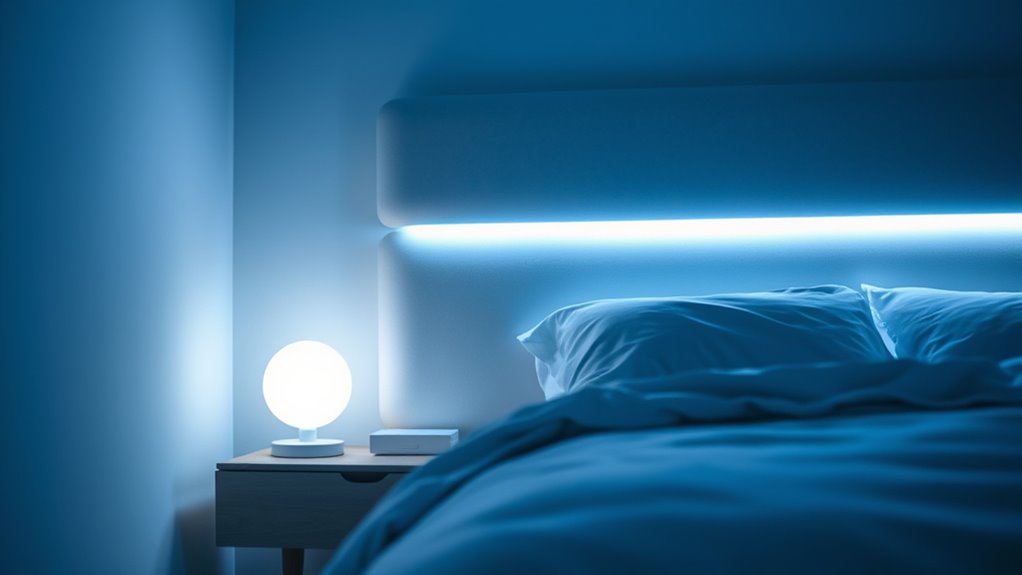
Have you ever wondered how light affects your body’s internal clock? Your circadian rhythms, which regulate sleep-wake cycles, hormone production, and overall alertness, are heavily influenced by the light you’re exposed to daily. Proper lighting isn’t just about visibility; it’s about supporting your health by aligning with these natural rhythms. That’s where the concept of melanopic lux comes into play—a new way to measure light’s impact on your circadian system. Unlike traditional lux, which measures brightness based on human visual response, melanopic lux considers how light stimulates intrinsically photosensitive retinal ganglion cells (ipRGCs) that control melatonin suppression and circadian entrainment. This shift in measurement aims to create lighting environments that promote better sleep and alertness, especially in settings where people might otherwise be exposed to disruptive light.
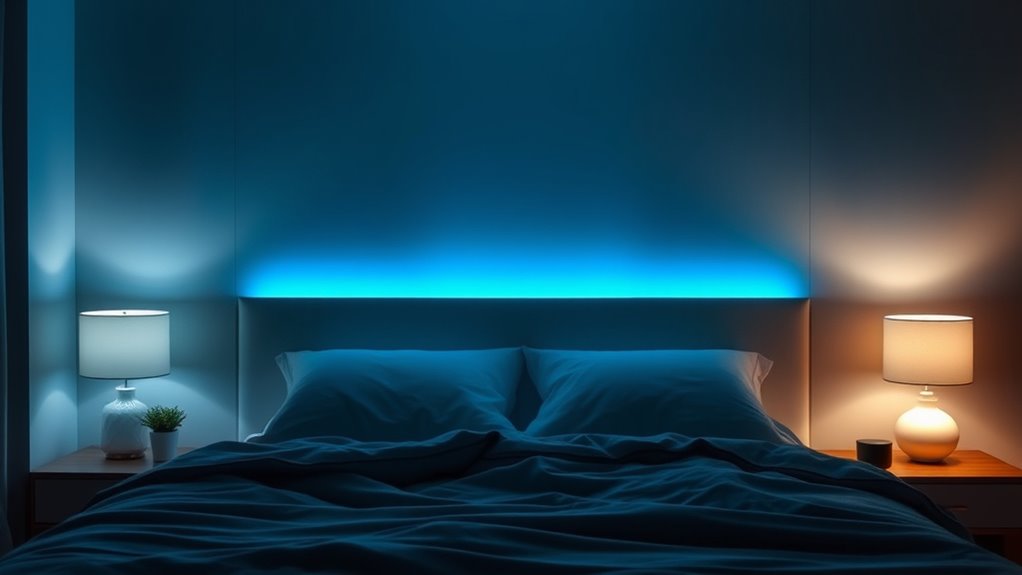
If you’re concerned about maintaining healthy sleep patterns, understanding melanopic lux can help you choose lighting that supports your circadian rhythms rather than disrupts them. For example, during the daytime, exposure to higher melanopic lux levels can boost alertness and productivity by mimicking natural sunlight. Conversely, in the evening, lowering melanopic lux helps signal to your brain that it’s time to wind down, encouraging melatonin production and preparing you for restful sleep. Light therapy devices, which have gained popularity for treating conditions like seasonal affective disorder, now often incorporate melanopic lux measurements to optimize their effectiveness. They deliver specific light intensities that stimulate your circadian system without overexposing you to blue light, which can interfere with sleep if used late in the day.
In practical terms, this means that lighting design—whether in your home, office, or healthcare setting—can be tailored to support your natural biological rhythms. Instead of simply considering brightness, you now look at how much melanopic lux a light source provides. This approach enables you to create environments that enhance wakefulness when needed and foster relaxation as bedtime approaches. As research advances, lighting manufacturers are developing products that specify melanopic lux levels, giving you more control over your exposure. Ultimately, understanding and utilizing melanopic lux can help you harness the power of light therapy to improve sleep quality, boost daytime alertness, and maintain overall well-being by respecting the delicate balance of your circadian rhythms.
Frequently Asked Questions
How Does Melanopic Lux Compare to Traditional Lux Measurements?
You should know that melanopic lux differs from traditional lux because it considers spectral sensitivity, focusing on how light affects your circadian rhythms. While traditional lux measures overall brightness, melanopic lux uses specific measurement techniques to evaluate how much light stimulates your melanopsin-containing retinal cells. This new metric helps you better understand sleep-friendly lighting, ensuring you get the right light exposure to support your biological clock.
Can Melanopic Lux Be Used to Improve Sleep Quality at Home?
Ever notice how your evening lighting affects your sleep? Using melanopic lux can help you create circadian lighting at home, which promotes better sleep and wake cycles. By adjusting your lighting to match natural daylight patterns, you optimize your environment for sleep. Incorporating this metric allows for more precise sleep optimization, ensuring your evening light supports your body’s internal clock rather than disrupting it.
Are There Any Standards or Regulations for Melanopic Lux Levels?
You might wonder if there are standards or regulations for melanopic lux levels. Currently, the industry is still developing guidelines, and regulatory bodies haven’t established specific standards yet. As a result, manufacturers often focus on general lighting recommendations rather than melanopic lux thresholds. It is crucial to stay informed about evolving industry standards and regulatory guidelines to guarantee your lighting choices support sleep health effectively.
What Types of Lighting Fixtures Are Best for Melanopic Lux Adjustments?
Think of lighting fixtures as your guiding stars, shaping your sleep cycle. You should opt for smart bulbs and adjustable fixtures that let you control melanopic lux levels. These versatile options help mimic natural light, supporting your circadian rhythm. By customizing brightness and spectrum, you can create a sleep-friendly environment, much like a well-orchestrated symphony that fosters rest and well-being.
How Quickly Can Lighting Changes Impact Circadian Rhythms?
Lighting changes can impact your circadian response pretty quickly, often within minutes of light adaptation. When you’re exposed to bright, melanopic-rich light, your circadian rhythm can shift, promoting alertness. Conversely, dimmer, warmer light helps signal your body to prepare for sleep. The speed of this response varies, but usually, your body starts adjusting within 15-30 minutes, influencing your sleep-wake cycle based on the light’s intensity and spectrum.
Conclusion
By understanding melanopic lux, you can design lighting that supports your sleep health and keeps your days brighter. Don’t put all your eggs in one basket—consider how light impacts your well-being beyond just brightness. As you shift to sleep-friendly lighting, you’ll see how small changes can make a big difference. Remember, it’s better to be safe than sorry, so prioritize lighting that nurtures your natural rhythms and keeps you feeling your best.