
TL;DR
This article compares MIP and AMOLED watch displays, highlighting their differences, advantages, and limitations. It explains which type suits different users and why the choice matters.
Manufacturers are increasingly favoring AMOLED displays for new smartwatches, but many sports watches still feature MIP screens. This comparison clarifies the strengths and weaknesses of both technologies for consumers.
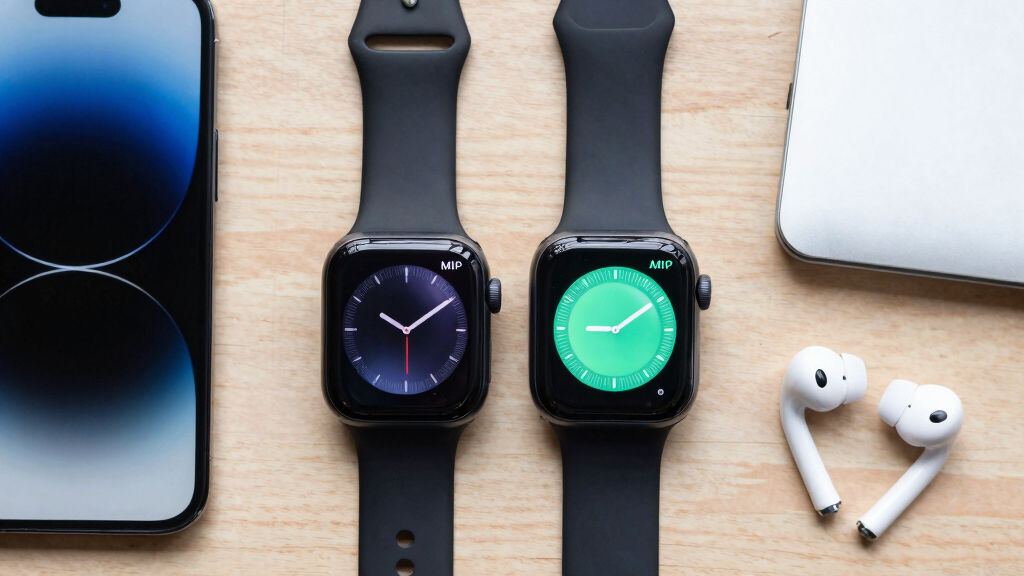
AMOLED displays are known for their vibrant colors, high resolution, and brightness, making them popular on modern smartwatches like Apple Watch and Samsung Galaxy Watch. They require power to display and can drain batteries faster, especially when using always-on display (AOD) features.
In contrast, MIP (Memory-in-Pixel) screens reflect ambient light, offering excellent visibility in bright sunlight and the ability to be always-on without significant battery drain. They are typically found on older models and specialized watches, such as Garmin’s solar-powered devices. MIP screens are limited in color range and resolution but excel in outdoor conditions and energy efficiency.
While AMOLED watches often include touchscreens and more vibrant visuals, MIP watches prioritize battery longevity and outdoor readability, which can be crucial for outdoor athletes and long-term users.
Implications for Wearable Technology Choices
Understanding the differences between MIP and AMOLED displays helps consumers select watches tailored to their use cases. Athletes, outdoor enthusiasts, and everyday users each benefit from different display features—whether it’s the vibrant visuals of AMOLED or the always-on, sunlight-friendly nature of MIP. This choice impacts battery life, usability, and overall experience, influencing purchasing decisions in a competitive market.
Amazfit Bip 6 Smart Watch, 1.97" AMOLED Display, GPS, iOS/Android
- Stylish Design: Lightweight aluminum build with vibrant display
- Activity Tracking: 140+ workout modes available
- AI Coaching: Personalized coaching for workouts
As an affiliate, we earn on qualifying purchases.
As an affiliate, we earn on qualifying purchases.
Evolution of Watch Displays and Market Trends
Over the past decade, AMOLED displays have become standard on flagship smartwatches due to their visual appeal and touchscreen capabilities. However, MIP screens remain relevant on many sports and outdoor watches, especially those with solar charging. Manufacturers like Garmin and Polar continue to produce models with MIP screens, often emphasizing battery life and outdoor visibility. The transition toward AMOLED is evident in newer models, but MIP retains a niche for specific use cases. The ongoing development of hybrid displays suggests a continued diversification of options for consumers.“AMOLED displays are bright, colorful, and sharp, but they tend to drain batteries faster than MIP screens, which excel in sunlight and always-on use.”
— Beth Skwarecki, Senior Health Editor at Lifehacker

EZON R7 GPS Running Watch,Dual-Band GNSS,Optical Heart Rate Monitor,Over 28 Workout Modes,Training & Fitness Assessment,Lightweight Sports Watch for Triathlon,Marathon,Trail Run(Upgraded)
- Heart Rate Monitoring: Next-gen 4-channel sensor for accuracy
- Dual-Band GNSS: Supports five global satellite systems
- Quick Health Check: Comprehensive body snapshot in 2 minutes
As an affiliate, we earn on qualifying purchases.
As an affiliate, we earn on qualifying purchases.
What Future Developments Could Change the Balance?
It is not yet clear whether new technological innovations will further bridge the gap between AMOLED and MIP displays, such as hybrid screens that combine high resolution with energy efficiency. Manufacturers may also introduce new features that alter the current trade-offs, but specific plans remain undisclosed.
Garmin Instinct® 3 Solar, Rugged GPS Smartwatch, 45mm, Black
- Rugged GPS Smartwatch: Solar charging with unlimited battery life
- Durable Construction: 45 mm fiber-reinforced polymer case
- Metal-Reinforced Bezel: Enhanced durability and protection
As an affiliate, we earn on qualifying purchases.
As an affiliate, we earn on qualifying purchases.
Upcoming Models and Consumer Choices in 2026
Manufacturers are expected to release more models with hybrid or advanced display technologies, possibly offering better energy efficiency and visual quality. Consumers should watch for updates from brands like Garmin, Polar, and Apple, and consider their primary usage—outdoor activities versus daily notifications—when choosing a display type.As an affiliate, we earn on qualifying purchases.
Key Questions
Which display type is better for outdoor use?
MIP displays are generally better for outdoor use because they reflect ambient light, making them easier to see in bright sunlight without draining battery life.
Do AMOLED watches have always-on display options?
Yes, many AMOLED watches support always-on displays, but this feature can significantly reduce battery life compared to MIP screens.
Are MIP screens still being produced on new watches?
Yes, some new watches, especially those with solar charging like Garmin’s models, continue to feature MIP displays, though most new flagship models favor AMOLED.
How does battery life compare between AMOLED and MIP watches?
MIP watches typically last longer on a single charge due to their lower power consumption, especially when using always-on features. AMOLED watches may need daily charging if AOD is enabled.
Source: Lifehacker