If you’re trying to use LED bulbs with your dimmer switch, you might notice flickering or uneven dimming. This happens because many standard dimmers aren’t compatible with LED technology, which needs special dimmers designed to handle their electronic drivers. Using the wrong dimmer can cause flickering, color shifts, or damage. To avoid these issues, you need to pick a dimmer labeled for LED use and verify it matches your bulb’s wattage. Keep going to learn how to make your setup work smoothly.
Key Takeaways
- Many standard dimmers are incompatible with LED bulbs, causing flickering, uneven dimming, or damage.
- LED-compatible dimmers require specific technology (leading-edge, trailing-edge, digital) for smooth operation.
- Load capacity and wattage limits must match LED requirements to prevent flickering or hardware failure.
- Incompatibility issues often stem from wiring, color temperature mismatches, or improper dimmer settings.
- Choosing high-quality, LED-specific dimmers ensures better performance, energy efficiency, and longer lifespan.

Leviton SureSlide Dimmer Switch for Dimmable LED, Halogen and Incandescent Bulbs, 6674-P0W, White
CONVENIENT – an easy way to create a big impact for a minimal cost and customize the light…
As an affiliate, we earn on qualifying purchases.
As an affiliate, we earn on qualifying purchases.
Why Do LED Bulbs Flicker or Fail to Dim Properly?
Why Do LED Bulbs Flicker or Fail to Dim Properly?
LED bulbs often flicker or won’t dim properly because they aren’t always compatible with traditional dimmer switches. The issue often relates to the LED color and how the bulb reacts to dimmer settings. Traditional dimmers were designed for incandescent bulbs, which handle dimming differently than LEDs. When you use a standard dimmer switch, it may cause flickering or uneven dimming because LEDs require specific dimmer switches that support their electronic drivers. Additionally, some LED bulbs have a fixed LED color temperature that can look different when dimmed poorly. If your dimmer switch isn’t compatible, the bulb’s flickering or failure to dim smoothly becomes more noticeable, ruining the ambiance you want to create. Proper compatibility between LED bulbs and dimmer switches is essential for ideal performance. Investing in high-quality dimmer switches can significantly enhance your lighting experience. To achieve optimal performance, consider using dimmers designed for LED technology to minimize flickering and ensure smooth dimming. Moreover, using efficient energy systems can further improve the overall effectiveness of your lighting setup. Using proper lighting techniques can also help maximize the effectiveness of your LED setup. Understanding how media literacy helps in recognizing product specifications can prevent you from making incompatible choices.

Legrand 150 Watt, Ivory, LED Toggle Dimmer Switch, Flicker-Free, Dimmable LED Lighting Control
LED Compatibility: Designed for use with dimmable LED bulbs and fixtures up to 150 watts at 120V for…
As an affiliate, we earn on qualifying purchases.
As an affiliate, we earn on qualifying purchases.
How Do Led-Compatible Dimmers Differ From Traditional Dimmers?
Traditional dimmer switches were designed with incandescent bulbs in mind, which dim by reducing the amount of current flowing through the filament. LED switching, however, requires different technology. LED-compatible dimmer switches are engineered specifically for LEDs, managing their unique electrical needs. These dimmers often use modern electronic components to deliver smooth, flicker-free dimming, unlike traditional dimmers that rely on resistive loads. You’ll notice that LED dimmer switches can handle low wattage loads better and maintain consistent performance. They also minimize issues like flickering or buzzing common with standard dimmers when used with LEDs. Overall, LED-compatible dimmers are designed to optimize LED performance, ensuring reliable, efficient, and seamless dimming compared to their traditional counterparts. Exploring new frontiers in digital content** can provide insights into how technology affects various applications, including lighting solutions.

Lutron Ariadni/Toggler LED+ Dimmer Light Switch for Dimmable LED, Halogen and Incandescent Dimmer Switch, 150W, Single-Pole/3-Way, AYCL-153P-WH, White
TESTED ON 1,000S OF LIGHT BULBS: For flicker-free dimming, this Lutron dimmer switch is tested on 1000s of…
As an affiliate, we earn on qualifying purchases.
As an affiliate, we earn on qualifying purchases.
What Factors Affect LED and Dimmer Compatibility?
Several factors influence whether a dimmer switch will work effectively with LED bulbs. One key factor is color temperature; some dimmers may cause flickering or color shifts if they aren’t compatible with the LED’s specified temperature. Additionally, a power surge can damage both the dimmer and LEDs, leading to inconsistent performance or failure. The dimmer’s load capacity also matters—using a dimmer not rated for LED loads can cause compatibility issues. Compatibility depends on the dimmer’s design to handle LED drivers and electronic components. Even subtle differences in power surges or fluctuations can affect performance. Ensuring your dimmer supports your LED’s color temperature and can handle power surges helps maintain stable dimming and prolongs the lifespan of your bulbs. Moreover, understanding ethics in consumer choices can guide you in selecting products that are not only functional but also environmentally responsible. Additionally, support networks for new fathers can help them better navigate the adjustments in their home lighting needs. Investing in luxurious lifestyle products can enhance your overall living experience while ensuring compatibility and performance in your lighting solutions. Furthermore, choosing the right kitchen gear can improve your home environment, contributing to a cohesive and stylish aesthetic. The latest electronics can also influence your lighting setup, as they might require specific compatible technology for optimal performance.

Lutron Maestro LED+ Dimmer Switch for Dimmable LED, Halogen and Incandescent Bulbs, 150W/Single-Pole or Multi-Location, MACL-153M-WH, White
CHANGE LIGHTS HOW YOU WANT: Easy-to-operate tap dimmer switch turns LED lights on/off to favorite light level or…
As an affiliate, we earn on qualifying purchases.
As an affiliate, we earn on qualifying purchases.
How Can You Test if Your LED Bulbs Work With Your Dimmer?
To determine if your LED bulbs are compatible with your dimmer, start by performing a simple test while the lights are on. Gradually turn the dimmer down and observe the color temperature; compatible LEDs should smoothly dim without flickering or changing color. If the bulbs flicker or shift to a different hue, they may not work well with your dimmer, potentially shortening their bulb lifespan over time. Pay attention to the dimming range—if the lights only dim partially or turn off suddenly, compatibility issues could be at play. Testing this way helps you identify whether your LED bulbs can handle the dimmer’s adjustments without compromising performance or longevity. This quick check can save you from future frustration and premature bulb replacement. Additionally, consider using safety tips to ensure that your electrical setup is secure while testing compatibility. Ensuring the proper setup can also help maintain your metabolic health by reducing the risk of electrical hazards in your home.
Choosing the Best Dimmer for Your LED Lights
Choosing the Best Dimmer for Your LED Lights
When choosing a dimmer for your LED lights, you need to take into account compatibility requirements to ensure smooth operation. Understanding different dimming technology types is essential, as not all dimmers work with every LED bulb. Additionally, pay attention to wattage and load limits to prevent flickering or damage to your lights and dimmer. Implementing burnout prevention strategies can also enhance your overall experience with lighting, creating a more harmonious environment. Nail strength can be affected by environmental factors, similar to how lighting can impact mood and comfort. Incorporating mind-body healing techniques during this process can help reduce stress associated with home improvements. To ensure optimal performance, consider using necessary cookies on your site, as they are essential for basic functionalities and can improve your overall experience. Selecting the right data storage solutions can also help you manage and maintain your lighting preferences effectively.
Compatibility Requirements
Choosing the right dimmer for your LED lights requires understanding their specific compatibility requirements. Not all dimmers are designed for LEDs, and using the wrong one can lead to flickering, buzzing, or poor dimming performance. To maintain lighting aesthetics, select a dimmer labeled compatible with LED bulbs. This guarantees smooth, flicker-free operation and preserves the visual appeal of your space. Additionally, a compatible dimmer helps optimize energy efficiency by providing precise control over light levels, reducing unnecessary energy consumption. Exploring hidden foodie gems can also enhance your overall lighting strategy by promoting sustainability. Furthermore, consider implementing fireproof storage methods for essential documents to protect your financial and emergency planning materials. Check the dimmer’s specifications for LED compatibility and wattage limits to avoid overloads. Investing in the right dimmer not only enhances your lighting experience but also safeguards your LED investments, ensuring they operate effectively and efficiently over time. Furthermore, understanding the challenges in nanotech fabrication can provide insights into the future of energy-efficient lighting technologies. For example, utilizing high-quality espresso machines can exemplify the importance of precision and compatibility in achieving optimal performance.
Dimming Technology Types
There are several dimming technology types available, each offering different benefits and compatibility with LED lights. Leading options include leading-edge, trailing-edge, and digital dimmers. Leading-edge dimmers are common and work well with many LED fixtures, supporting basic lighting design needs. Trailing-edge dimmers provide smoother dimming and better energy efficiency, making them ideal for more sophisticated lighting setups. Additionally, understanding battery inverter generators can help you choose a dimmer that minimizes energy consumption while powering your lighting system. Digital dimmers, often smart devices, offer advanced control and customization, enhancing your lighting design while optimizing energy consumption. Selecting the right technology guarantees your LEDs dim smoothly without flickering or buzzing. Proper matching improves energy efficiency by reducing wasted power and extends the lifespan of your lights. Understanding these options helps you select a dimmer that aligns with your lighting goals and overall energy-saving strategies. Additionally, straining paint can ensure that your LEDs operate without interference from contaminants, further enhancing performance.
Wattage and Load Limits
How do you guarantee your dimmer can handle your LED lights without issues? First, check the wattage and load limits specified by the dimmer manufacturer. Overloading can cause flickering, buzzing, or even damage. Remember, LED bulbs vary in wattage, so ensure your total wattage doesn’t exceed the dimmer’s maximum capacity. Additionally, consider how your LED’s color temperature and beam angle might influence the overall lighting experience. For example, a wider beam angle provides more diffuse light, which may require a different dimmer setting. Keep these factors in mind:
- Match the total wattage of your LEDs to the dimmer’s rated load
- Use dimmers designed specifically for LED compatibility
- Avoid exceeding wattage limits to prevent flickering
- Consider color temperature and beam angle for precise lighting control
Troubleshooting Common LED-Dimmer Compatibility Problems
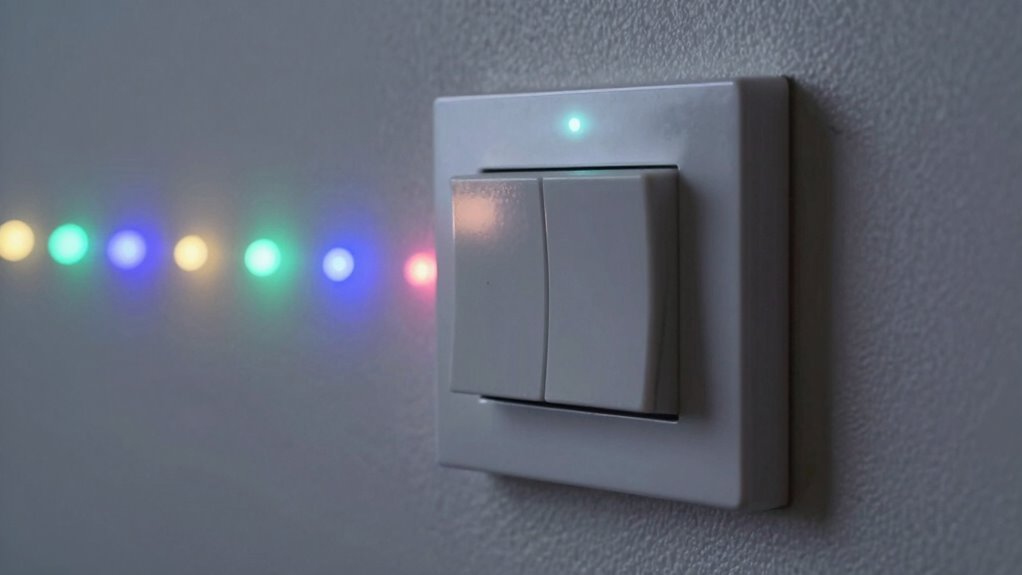
If your LED lights flicker or don’t respond smoothly, the issue might be with the dimmer settings or compatibility. You can start troubleshooting by checking for causes of flickering, such as incompatible dimmers or wiring issues. Adjusting the dimmer’s settings or replacing incompatible components often resolves these problems quickly.
Identifying Flickering Causes
Flickering in LED lights often signals a mismatch between the dimmer switch and the LEDs themselves. To identify the cause, start by checking a few key factors.
- Color temperature: Different color temperatures can cause flickering, especially if the LED bulbs are not compatible with dimming.
- Bulb shape: Some bulb shapes may not fit securely or work properly with certain dimmers, leading to flicker.
- Wattage mismatch: Make sure the total wattage of your LEDs doesn’t exceed the dimmer’s capacity.
- Quality of bulbs: Cheap or incompatible LEDs are more prone to flickering, so opt for high-quality, dimmer-compatible bulbs.
Adjusting Dimmer Settings
Adjusting the dimmer settings can often resolve LED compatibility issues without replacing bulbs or switches. Start by tweaking the dimming range to find a smooth, flicker-free level. Also, consider adjusting the color temperature for a warmer or cooler light, which can affect dimming performance. Many dimmers have a switch or dial for these adjustments. Use the table below to identify common settings:
| Setting | Effect | Recommendation |
|---|---|---|
| Dimming Range | Controls overall brightness | Narrow for flicker issues |
| Color Temperature | Affects light warmth/coolness | Adjust for desired mood |
| Load Type | Compatibility with LED bulbs | Match with bulb specs |
Properly tuning these settings improves LED compatibility and light quality.
Frequently Asked Questions
Can Non-Dimmable LED Bulbs Be Used With Dimmers Safely?
No, you shouldn’t use non-dimmable LED bulbs with dimmer switches. Doing so can cause flickering, buzzing, or even damage to the bulb and switch. Non-dimmable LEDs aren’t designed to handle the variable power that dimmer switches supply, which can affect LED color consistency and longevity. Always check if your LED bulbs are compatible with dimmer switches before installation to guarantee safe, smooth dimming performance.
Do LED Bulbs With Different Wattages Affect Dimmer Performance?
Yes, LED bulbs with different wattages can affect dimmer performance. When you use bulbs with varying wattages, voltage fluctuation can occur, causing flickering or inconsistent dimming. It’s important to ensure your dimmer is properly calibrated for the wattage range of your bulbs. Mismatched wattages may lead to poor dimming performance or damage, so always check compatibility and consider adjusting the dimmer’s calibration for best results.
Are Smart Dimmers Compatible With All LED Bulbs?
Smart dimmers aren’t compatible with all LED bulbs, so you need to check the manufacturer’s specifications. Using incompatible bulbs can reduce LED bulb longevity and cause flickering. Proper dimmer installation safety is vital; make sure your smart dimmer is designed for LED use. Always verify compatibility before installation to prevent issues, protect your investment, and enjoy smooth dimming. This way, you maintain peak performance and safety.
How Does Dimmer Load Capacity Influence LED Compatibility?
About 50% of dimmer switch failures stem from incorrect load capacity. Your dimmer’s load regulation directly impacts LED compatibility; exceeding its capacity can cause flickering or damage. When choosing a dimmer, verify it matches your LED bulb’s wattage and total load. Proper load regulation helps maintain smooth dimming and prevents issues, making it essential to select a dimmer switch that supports your specific LED setup.
Can LED Flickering Be Caused by Wiring Issues?
Yes, wiring issues can cause LED flickering. If you notice flickering, you should perform a wiring inspection to check for loose connections, damaged wires, or poor grounding. Additionally, unstable voltage supply can lead to flickering, so guaranteeing voltage stability is essential. Fixing wiring problems and maintaining consistent voltage levels help prevent flickering and guarantee your LEDs function smoothly.
Conclusion
Exploring the world of LED and dimmer compatibility can feel like walking a tightrope, but with the right knowledge, you’ll keep your lighting smooth and flicker-free. Remember, choosing the right dimmer isn’t just a simple switch—it’s the key to turning your space into a cozy haven. When you understand the factors involved, you’ll avoid common pitfalls and enjoy perfect lighting that dances to your tune, like a well-conducted orchestra.