By implementing smart lighting schedules, you can substantially cut energy use by aligning lighting with occupancy patterns and reducing waste from forgetfulness or unnecessary use. These systems automatically turn lights off when spaces are unoccupied and adjust brightness levels for comfort and efficiency. Incorporating features like zone control and routine maintenance further boosts savings. Keep exploring to discover how you can optimize your lighting for maximum energy efficiency and cost reduction.
Key Takeaways
- Automated lighting routines reduce energy waste by turning off lights when spaces are unoccupied.
- Scheduling lights to align with occupancy patterns minimizes unnecessary usage and saves energy.
- Using motion sensors and timers ensures lights operate only when needed, preventing forgetfulness.
- Regular maintenance and energy-efficient bulbs optimize lighting performance and reduce power consumption.
- Customizable zone controls and dimming features enhance energy savings tailored to specific areas and activities.

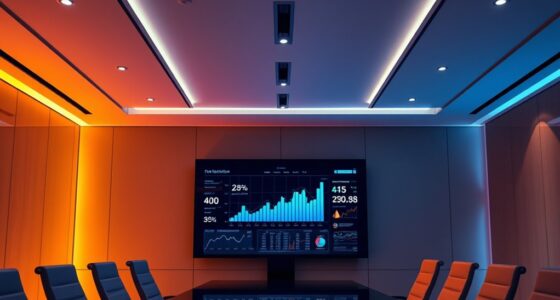
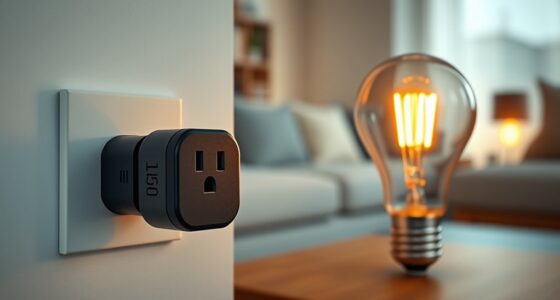
Implementing smart lighting schedules can substantially reduce your energy consumption and lower utility bills. When you set up automatic lighting routines, you’re effectively controlling when and how your lights operate, guaranteeing they’re only on when needed. This not only conserves energy but also minimizes unnecessary usage caused by occupant behavior. People often forget to turn off lights when leaving a room or leave them on longer than necessary, which adds up over time. Smart lighting systems can detect movement or adjust based on time of day, reducing waste caused by human oversight. By aligning lighting schedules with actual occupancy patterns, you create a more efficient environment that responds to your daily routines without requiring constant manual intervention.
In addition to occupant behavior, maintenance scheduling plays an essential role in maximizing energy savings. Regularly updating and maintaining your lighting system ensures that bulbs and fixtures operate at peak efficiency. Over time, bulbs can dim or degrade, leading to higher energy use as the system compensates for reduced brightness or inconsistent illumination. Scheduling routine maintenance, such as replacing worn-out bulbs or cleaning fixtures, keeps your system running smoothly and prevents unnecessary energy drain. When your lighting is well-maintained, it consumes less power to produce the same level of brightness, ultimately lowering your energy bills. Smart systems can alert you when maintenance is needed, making it easier to stay on top of upkeep and avoid costly repairs or replacements that can arise from neglect.
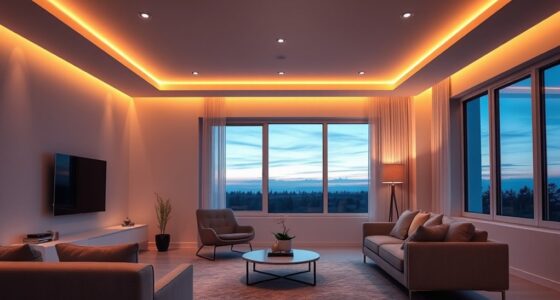
Furthermore, smart lighting schedules can be tailored to suit different areas and user needs, giving you control over multiple zones. For example, you might program the living room lights to turn off automatically after a certain period of inactivity or dim gradually in the evenings. In workspaces, schedules can be aligned with operating hours, ensuring lights are off when no one’s present. This level of customization helps prevent energy waste and ensures every space is lit only when necessary. Additionally, choosing energy-efficient bulbs can further enhance savings and reduce environmental impact. By integrating occupant behavior patterns into these schedules, you can enhance overall efficiency, reducing unnecessary energy consumption without sacrificing comfort. Over time, these adjustments lead to significant savings on your utility bills.

SikSog Smart Recessed Lighting 4 Inch RGBCW Color Changing 12W LED Downlight with Junction Box,1080 Lumen Recessed Ceiling Light Compatible with Alexa,Dimmable by Bluetooth Control -12Pack
[Smart voice control] SikSog Smart RGBCW Recessed Lighting is compatible with Alexa voice control light. Support one-step connection….
As an affiliate, we earn on qualifying purchases.
As an affiliate, we earn on qualifying purchases.
Frequently Asked Questions
How Do Smart Lighting Schedules Impact Overall Energy Consumption?
Smart lighting schedules considerably reduce your energy consumption by automating lights to turn off when not needed, enhancing energy efficiency. With lighting automation, you set specific times for lights to operate, preventing wasteful usage during unoccupied periods. This not only lowers your utility bills but also minimizes your carbon footprint, making your space more sustainable. Implementing smart lighting schedules is a simple yet powerful way to optimize your energy use effortlessly.
What Are the Initial Costs of Implementing Smart Lighting Systems?
Imagine you’re stepping into a time machine—installing smart lighting systems involves an initial investment that varies based on your space and system complexity. The installation costs cover equipment, setup, and programming. Typically, you might spend a few hundred to several thousand dollars. While it seems like a hefty upfront expense, keep in mind that these costs often pay off through long-term energy savings and reduced utility bills.
Can Smart Lighting Schedules Be Customized for Different User Preferences?
Yes, smart lighting schedules can be customized to fit your preferences. You have access to personalization options that let you set different lighting levels and timings based on your needs. With user control, you can easily adjust settings anytime, ensuring your lighting environment is always comfortable and efficient. This flexibility helps you optimize energy use while enjoying tailored lighting that suits your lifestyle, making your space more functional and personalized.
How Reliable Are Automated Lighting Controls During Power Outages?
Automated lighting controls are generally dependable during power outages, especially when designed with power outage resilience in mind. Many systems include manual override options, allowing you to control lighting manually if automation fails. However, if there’s a prolonged outage, the system may lose power entirely, so it’s wise to have backup controls. Regular maintenance and choosing systems with backup power ensure your lighting remains functional when needed most.
Do Smart Lighting Schedules Require Professional Installation or Can They Be DIY?
You can definitely do DIY installation of smart lighting schedules, especially with user-friendly systems designed for easy setup. While DIY installation saves you money and time, some complex setups might benefit from professional expertise to ensure peak performance. If you’re comfortable with basic wiring and app configurations, you can handle it yourself. Otherwise, hiring a professional guarantees proper installation and integration, especially for larger or more intricate lighting systems.

Lutron Maestro Motion Sensor Light Switch Indoor for Bathroom, Garage, Laundry Room, Any Bulbs, Occupancy Vacancy Sensor, Single-Pole, MS-OPS2-WH, White
AUTOMATIC SWITCH: Motion sensor light switch automatically turns the lights on when you enter the room and off…
As an affiliate, we earn on qualifying purchases.
As an affiliate, we earn on qualifying purchases.
Conclusion
By implementing smart lighting schedules, you can cut energy costs and reduce your carbon footprint effortlessly. It’s like having a modern-day Da Vinci optimizing your home’s energy use, ensuring lights turn off when not needed. With a little tech savvy, you’ll save money and help the planet—no flux capacitor required. Embrace these smart strategies today and enjoy a brighter, more sustainable future, all while feeling like you’ve stepped into the future of energy efficiency.

dalattin 24 Pack LED Bulbs Daylight White 5000K, 60 Watt Equivalent A19 Standard Bulbs, E26 Base, 800 LM, Efficient 9W Energy Saving, Non-Dimmable, 80+ CRI, 120V, UL Listed, for Living Room, Office
【Efficiency Meets Comfort】 Dalattin's A19 engergy saving LED bulbs replace 60W incandescents with just 9W while delivering full…
As an affiliate, we earn on qualifying purchases.
As an affiliate, we earn on qualifying purchases.

Kasa Outdoor Smart Plug, Smart Home Wi-Fi Outlet Timer, Max Load 15A/1875W, IP64 Weather Resistance, Compatible with Alexa, Google Home & SmartThings, No Hub Required, ETL Certified(KP401)
【Long Wi-Fi Range and IP64】Long Wi-Fi range up to 300 feet with IP64 weather resistance. Waterproof cover is…
As an affiliate, we earn on qualifying purchases.
As an affiliate, we earn on qualifying purchases.