
🔍 Read the full analysis: Discover The New Mobile Version Of SenseTime's Xiao Huanxiong AI Office Assistant on ThorstenMeyerAI.com

Get the latest gadgets delivered free with Prime
- Fast, free delivery on millions of items
- Prime Video, Amazon Music and more included
- Member-only deals all year
TL;DR
SenseTime has announced a mobile version of its Xiao Huanxiong AI office assistant, allowing users to send instructions from their phones while tasks execute on their computers. Key details on release timing and supported platforms remain unclear, but the development signals a move toward more flexible AI-driven office workflows.
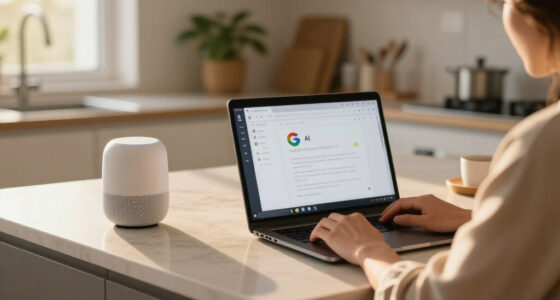
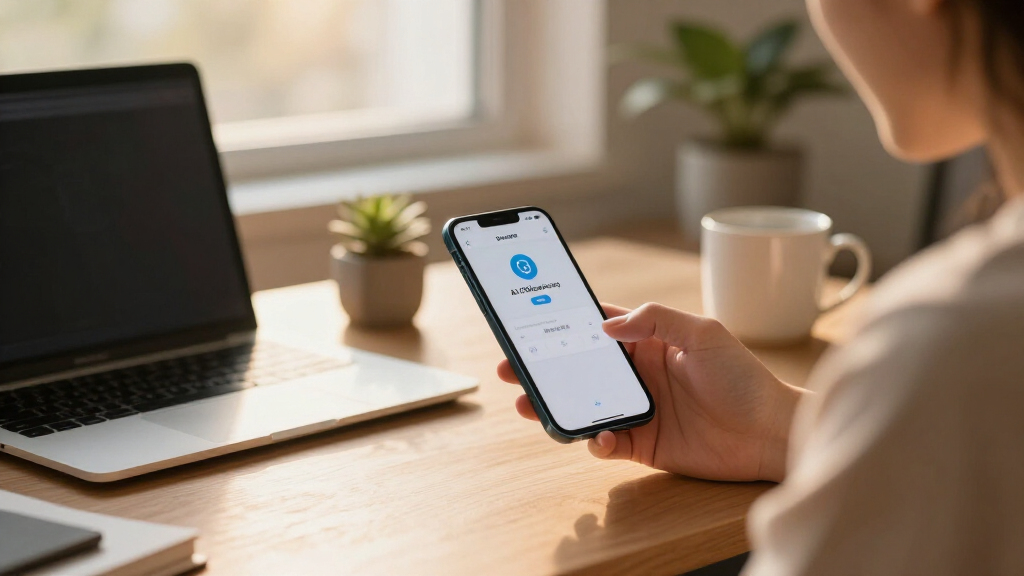
SenseTime has officially announced the release of a mobile version of its Xiao Huanxiong AI office assistant, enabling users to send instructions from their phones while the agent continues executing tasks on a connected computer. This development expands the agent’s capabilities beyond desktop-only control, aiming to facilitate remote task delegation and improve office productivity by allowing users to manage workflows from anywhere.
The new mobile version, announced by SenseTime and reported by AIBase, allows users to dispatch commands from their smartphones to their work computers, with the agent executing tasks continuously even when the user is away from the desk. The core feature, described as cross-device task delegation, enables remote control over office applications, such as document editing or data processing, without needing to be physically present at the workstation.
While SenseTime emphasizes this as a step toward more flexible AI-powered work environments, specific technical details remain sparse. The company has not disclosed which operating systems are supported (iOS, Android, Windows, macOS), nor clarified how the connection between phone and desktop is secured or authenticated. The list of compatible applications and the pricing structure are also yet to be announced, leaving questions about the practical deployment of this feature in real-world office settings.
Industry observers note that this move aligns with a broader trend of AI assistants evolving from simple chatbots to autonomous agents capable of handling multi-step tasks across devices. SenseTime’s approach of enabling remote command input from a mobile device, while the agent operates on a desktop, could redefine how and where knowledge work is performed, particularly during commutes or outside traditional office hours.
Potential Impact on Remote Office Workflows
The introduction of a mobile control interface for Xiao Huanxiong could significantly alter office workflows by allowing employees to manage and initiate complex tasks remotely. If reliable, this feature might reduce the need for direct desk presence, supporting more flexible work arrangements and real-time task management from anywhere. This development also reflects a broader shift toward autonomous, end-to-end AI assistants capable of operating across multiple devices, which could influence enterprise productivity and the competitive landscape of AI office tools.
However, the actual impact depends on the robustness of the technology, security measures, and user adoption. As competitors develop similar functionalities, the durability of SenseTime’s unique selling points, such as the phone-to-desktop delegation, will be tested in the marketplace.
Products Worth Considering

Logitech MX Master 4 Ergonomic Wireless Mouse with Haptic Feedback, Graphite
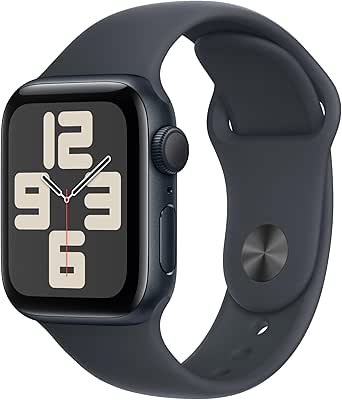
Apple Watch SE (2nd Generation) GPS 40mm Smartwatch with Midnight Aluminum Case and Midnight Sport Band (S/M)

Bose QuietComfort Wireless Noise Cancelling Headphones, Ice Blue
As an affiliate, we earn on qualifying purchases.
SenseTime’s Transition to AI Office Automation
Originally renowned for its expertise in computer vision and facial recognition, SenseTime has pivoted in recent years toward large AI models and enterprise applications. Its Xiao Huanxiong agent was initially positioned as a desktop tool capable of automating repetitive office tasks, aiming to enhance productivity by acting within office software environments.
The recent announcement of a mobile version completes a remote control loop, enabling users to initiate and monitor tasks from their phones. This aligns with industry trends moving from AI copilots—assistants that support users—to autonomous agents that can operate independently with minimal supervision. The move also reflects SenseTime’s strategic push to develop commercial, enterprise-ready AI tools as China’s AI industry intensifies competition among domestic and international vendors for practical, scalable solutions.
Unconfirmed Details and Deployment Challenges
Many critical aspects of the mobile version remain unclear. It is not yet known when the app will be publicly available or which platforms it will support (iOS, Android, Windows, macOS). The security mechanisms for remote connection, including authentication and data protection, have not been disclosed. Additionally, the list of supported applications and the pricing model are still unspecified. Independent testing of the system’s reliability, speed, and error handling in real office environments has not been conducted, leaving questions about its practical robustness and security.
Next Steps for Deployment and Validation
SenseTime is expected to publish comprehensive documentation detailing supported platforms, security protocols, and application compatibility as the rollout progresses. The first public release will likely be followed by user reviews and pilot deployments to assess real-world performance. Competitors are also anticipated to develop similar cross-device control features, which could accelerate the adoption of remote AI task delegation in office settings. Monitoring SenseTime’s official channels for updates on the app’s availability and enterprise solutions will be crucial for understanding its future impact.
Key Questions
When will the mobile version of Xiao Huanxiong be available to the public?
SenseTime has not yet announced a specific release date. Expect further updates as they finalize product details and begin wider deployment.
Which devices and operating systems will the app support?
Details about supported platforms (iOS, Android, Windows, macOS) are still unconfirmed. The company has yet to specify minimum device requirements.
How secure is the remote connection between phone and desktop?
Security protocols and authentication methods have not been disclosed, leaving open questions about data protection and access control.
What office applications can Xiao Huanxiong operate?
The supported applications remain unspecified. Further information is expected to clarify the scope of task automation.
Will the mobile app require a subscription or additional payment?
Pricing details are not yet available. It is unclear whether the feature will be included in existing plans or offered separately.
Primary source: SenseTime · via ThorstenMeyerAI.com