

🔍 Read the full analysis: Why Dots Are Part Of The AI Conversation on ThorstenMeyerAI.com

Get the latest gadgets delivered free with Prime
- Fast, free delivery on millions of items
- Prime Video, Amazon Music and more included
- Member-only deals all year
TL;DR
OpenAI has a page titled “Introducing dots,” but the announcement text is not available in the information reviewed here. That confirms the page title only; what dots is, when it was announced and whether anyone can use it remain unknown.
OpenAI has a page titled “Introducing dots,” but the information available for this report does not include the page’s article text. The page title is visible at the OpenAI source link cited below; the announcement’s subject, purpose, release timing and potential effect on users cannot be confirmed from the material reviewed. See the original analysis.
The primary source identified for this report is OpenAI’s page titled “Introducing dots” (linked below). The source material available for review establishes the page title, but does not establish whether dots is a product, software feature, research effort, internal project or another kind of development. No description of its function or intended audience is available in the material reviewed. For related coverage, see OpenAI Connects The Dots.
The OpenAI page text was not available for review, and the secondary link cited below does not provide verified details in the material assessed here. The information reviewed therefore provides no publication date, access details, pricing, technical information or performance results. It does not say whether dots is available to the public, limited to particular users, or connected to an existing OpenAI service. Claims about those points would go beyond what these sources establish.
The material reviewed contains no attributable statements from OpenAI beyond the page title, and no comments from researchers or other people. It also provides no user response or independent evaluation. The confirmed account is therefore narrow: OpenAI’s page is titled “Introducing dots,” while the substance behind that title remains unestablished by the available source material.
What the Missing Details Prevent
For readers, the central issue is not the word “dots” but whether the announcement changes what people can do. The title on OpenAI’s page, linked below, does not describe a capability or its audience. Without the page text, users cannot tell if it concerns a tool they might access, a capability for developers, a research result, or something that does not directly affect them.
The absence of verifiable details also prevents a grounded assessment of technical or commercial significance. The sources reviewed here provide no information about how dots works, what problem it addresses, whether it has limitations, or how it compares with existing services. It would be premature to describe the development as a launch, a model release, or a breakthrough.
This matters because announcement headlines can travel faster than the underlying explanation. The title on OpenAI’s page may prompt readers to infer a product or feature, but the page text was not available in the material reviewed to support those conclusions. Until the complete announcement is checked, the responsible report is limited to the page’s existence and title; its practical relevance cannot yet be assessed.
Products Worth Considering

Apple MacBook Air 15-inch Laptop with M5 Chip, 16GB Memory, 512GB SSD, and Liquid Retina Display (Midnight)

Logitech MX Master 4 Ergonomic Wireless Mouse with Haptic Feedback, Graphite
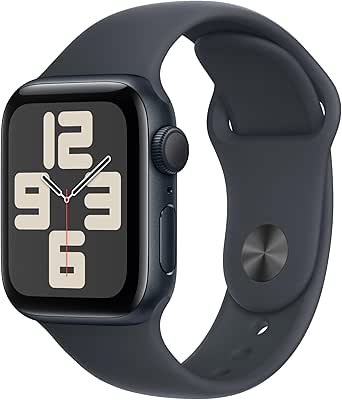
Apple Watch SE (2nd Generation) GPS 40mm Smartwatch with Midnight Aluminum Case and Midnight Sport Band (S/M)
As an affiliate, we earn on qualifying purchases.
What the Announcement Page Shows
The primary item identified for this report is an OpenAI page titled “Introducing dots”, linked below. The information provided for this account names the page but does not reproduce its text or give a publication date. It also includes no earlier preview, related announcement or timeline that would clarify how the page fits into OpenAI’s work.
That distinction matters for reporting: the page title is evidence of how OpenAI labels the page, not a full account of the development it may describe. In particular, the title does not confirm that dots is a product, model, feature or research project, nor that it is new, available or intended for a particular audience. Those details require review of the full page or other attributable documentation.
The material reviewed provides no additional background establishing whether the announcement follows a prior test or preview. It likewise contains no information about access conditions, supported platforms, rollout timing or user response. The history and status of the development remain unverified in the sources reviewed.
The Product and Its Status
The biggest unanswered question is what “dots” refers to. The available source material does not define the term or describe a function, intended users, or the problem it may address. It is not possible to classify it as a consumer tool, developer offering, research initiative or other kind of announcement.
Other key facts are also missing: when the page was published, whether the offering is available, and who can access it. The material reviewed provides no price, technical specifications, performance evidence or stated limitations. It also does not establish whether OpenAI has made claims about benefits that could be independently evaluated.
These gaps do not show that the announcement lacks substance; they show only that the details are not present in the information reviewed. The full OpenAI page, linked below, may answer them, but its article text was not available for this report. Until it is checked, any account of dots’ capabilities, audience or impact would be speculation, and no launch status or user effect can be confirmed from the reviewed sources.
The Full Page Must Be Checked
The next reporting step is to review the complete OpenAI announcement at the primary-source link below and verify its date, description of dots and any stated release or access conditions. Those details would establish what OpenAI says it is introducing and whether the development is relevant to users, developers or researchers.
If the full page provides technical claims, those should be attributed to OpenAI and distinguished from independently tested results. Any availability statement should be described precisely, including whether access is public, staged or restricted, if the announcement specifies that. No such terms are established by the material reviewed here.
For now, the confirmed account remains limited to the page title identified in the OpenAI source. The story can be updated once the announcement text is available and its claims can be checked; until then, readers should not infer what dots does or whether it can be used.
Primary source: OpenAI · Additional link reviewed: ThorstenMeyerAI.com
Key Questions
What has OpenAI announced?
The OpenAI page identified in the primary-source link is titled “Introducing dots.” Its announcement text was not available in the material reviewed, so what OpenAI is introducing cannot be confirmed.
What are dots?
The available details do not define dots or identify it as a product, feature, model or research effort. Its nature remains unknown until the full OpenAI announcement is reviewed.
When was the page published?
No publication date is included in the source material reviewed for this report. The timing has not been established.
Can people use dots now?
The available source material does not say whether dots is available, who may access it or whether it has been released. Availability is unconfirmed.
Why can’t the announcement’s impact be assessed?
The OpenAI page text, technical details and intended audience are not available in the material reviewed. Without those facts, readers cannot determine what changes or who may be affected.
Primary source: OpenAI · via ThorstenMeyerAI.com