TL;DR

Get the latest gadgets delivered free with Prime
- Fast, free delivery on millions of items
- Prime Video, Amazon Music and more included
- Member-only deals all year
Wireless noise cancelling headphones combine Bluetooth audio with active noise cancellation, which works best on steady, low-frequency sounds such as airplane rumble and fans. Their physical fit also affects how much noise they block, especially voices, and comfort, battery life, calls, and device compatibility all vary by model. Choose for your real routine, and keep the volume moderate: ANC is not hearing protection.
A pair of headphones can hush the steady airplane rumble around you, but the person calling your name may still come through. That difference is the key to choosing wireless noise cancelling headphones: they can make a noisy day quieter, but they do not create perfect silence.
This guide explains how active noise cancellation (ANC) works alongside the physical seal of ear cups or ear tips. You’ll also see what to compare for comfort, battery life, Bluetooth connections, and calls, with practical examples for a commute, a workday, and a long flight.
The aim is simple: help you spend money on features you’ll notice, and set expectations before you put them on in a crowded café or beneath the cabin lights.
ANC is strongest on steady low-frequency noise, such as airplane rumble, and less effective on speech or sudden sounds.
A comfortable, secure ear-cup or ear-tip fit adds passive isolation and affects how well the headphones work.
Compare battery estimates with ANC on, then check whether wired playback works with a depleted battery.
Check multipoint, codecs, microphone performance, and latency against the devices and activities you actually use.
Consumer ANC headphones are not hearing protection; keep playback moderate and stay aware when your surroundings require it.
What ANC can quiet—and what it can’t
Wireless noise cancelling headphones use microphones to detect surrounding sound and electronics to produce a sound wave that reduces some of it at your ear. This works best against steady, low-frequency sounds, such as an airplane engine or ventilation fan. Those sounds change relatively gradually, giving the headphones a chance to counter them. Voices and sudden, irregular sounds change quickly, so cancellation is less dependable; it may soften a conversation without making it disappear.
Think of ANC like an umbrella in a steady shower: it can take the sting out of the downpour, but a gust can still blow droplets underneath. A train’s constant wheel rumble may fade into the background, making music or a podcast easier to hear at a lower volume. An announcement over the speaker remains clear enough to hear because its speech is distinct and changes rapidly. This is why ANC can make a place feel calmer without making it safe to ignore what is happening around you.
The fit does its own work. Passive isolation comes from ear cups or ear tips physically covering or sealing the ear. A good seal helps block sound, especially at higher pitches, where ANC is often less effective. For example, earbuds with tips that fit snugly can make a café’s clatter less sharp even before you switch ANC on. A loose seal can let sound leak in and reduce bass in your music too, so trying different tip sizes may improve both isolation and listening quality. A tighter fit is not always more comfortable, however; pressure and heat can become tiring over a long trip.
Many models also offer transparency or ambient mode, which uses microphones to pass outside sound through. That can help you hear a barista or notice a cyclist while walking, but microphone processing can make outside sound feel different from hearing it naturally. Noise reduction, physical fit, and ambient mode each solve a different problem: reducing steady noise, limiting sound through the ear opening, and letting selected outside sounds in. Try them in the setting where you’ll use the headphones, since the useful balance depends on whether you want focus, awareness, or both.
Products Worth Considering

Bose QuietComfort Headphones (2nd Gen), Wireless Over-Ear Noise-Cancelling Headphones, Eucalyptus Green
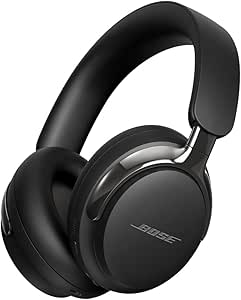
Bose QuietComfort Ultra Headphones (2nd Gen), Wireless Noise-Cancelling Over-Ear Headphones, Black

Sony WH-1000XM4 Wireless Noise-Canceling Headphones, Silver
As an affiliate, we earn on qualifying purchases.
Which features are worth comparing before you buy?
Wireless noise cancelling headphones suit different routines, so compare the features that will matter during yours. Fit, battery life, call quality, sound preferences, and device compatibility can shape daily use as much as the advertised level of ANC. A feature only has value if it solves a problem you actually encounter: strong cancellation is less useful if the cups hurt after an hour, and a long battery estimate matters less if you can charge between short trips.
| Feature | What to check | Everyday example |
|---|---|---|
| Fit and comfort | Weight, clamping force, ear-cup size, headband, or ear-tip options | Will they stay comfortable through a two-hour train ride? |
| Battery | Rated time with ANC on and off, charging time, and wired use | Will they last through your outbound and return flights? |
| Calls | Microphone performance in wind and background noise | Can a colleague hear you outside a busy station? |
| Bluetooth | Device compatibility, connection stability, and multipoint | Can they switch between your laptop and phone? |
| Upkeep | Warranty, replaceable ear pads or batteries, and app support | Can you replace worn pads after a few years? |
Battery claims are most useful when you know the conditions behind them. ANC, high volume, and some wireless features can shorten listening time, so a rating measured with ANC off may not reflect a long flight with cancellation on. A quick charge can be more practical than a large maximum rating if you often forget to charge overnight. Wired playback can provide a fallback, but some models still need power for sound, and passive wired playback may disable ANC or other controls.
Bluetooth codecs can affect how audio is encoded and transmitted, but both your headphones and source device need to support the same codec for it to be used. Codec support alone does not guarantee better sound: the recording, headphone tuning, fit, and listening environment all matter too. If you stream music from one phone, a model’s comfort and sound may matter more than a codec on a feature list. Multipoint is more useful if you regularly alternate between a laptop and phone, though switching behavior varies and can interrupt audio in ways you may want to check in reviews.
Over-ear headphones are not automatically right for exercise, and earbuds are not automatically comfortable for everyone. Check water or sweat resistance if you need it, because a model without suitable protection may not tolerate repeated workouts. Then consider foldability, a carrying case, equalizer controls, and whether the maker offers firmware updates. These extras affect convenience and longevity, but they cannot compensate for a poor fit or unreliable everyday connection. A pair that fits your life beats a longer feature list.
How do you choose a pair for your routine?
Choose wireless noise cancelling headphones by starting with your most common listening situation, then checking comfort, noise reduction, battery, calls, and device support in that order. This sequence helps you distinguish a real daily need from a feature that sounds appealing but may rarely matter. It also exposes tradeoffs: the best travel option may prioritize long-session comfort and rumble reduction, while a walking pair may need awareness and easy controls.
- Name your main setting. A frequent flyer may care most about engine rumble and long-session comfort. For a daily walk, awareness and portability may rank higher. Starting here helps you judge features by the sounds and situations you actually face rather than by a headline ANC rating.
- Check fit before specs. Try the headphones for several minutes if you can. Notice pressure on your ears, how the headband feels, and whether earbuds seal without slipping. Fit affects both comfort and isolation, so a small leak or persistent pressure can matter more over hours than a modest difference in advertised performance.
- Test ANC and ambient modes. Compare them with a fan, a busy room, or another steady background sound. Check whether you can hear nearby speech when you need to. This reveals the practical balance: stronger cancellation may help concentration, while transparency can make quick interactions easier, but neither setting replaces attention in a situation where you need to hear clearly.
- Match power and connections to your devices. Check battery claims with ANC on, charging time, and whether wired listening works when power runs out. If you switch between a work laptop and phone, look for multipoint and check how it handles incoming calls. These details determine whether the headphones remain useful through a full day or create friction when you move between tasks.
- Look past the box. Read independent reviews for microphone results in noisy places, and check warranty terms and replacement parts. These checks matter because specifications rarely capture how a voice sounds in wind or how costly worn pads are to replace.
Imagine a commuter who spends 40 minutes on a rumbling bus, takes calls outside, then listens at a quiet desk. A model with strong rumble reduction and comfortable cups may help on the bus, but its microphone, transparency mode, and easy-to-use controls matter for the rest of that day. If it is uncomfortable or switches devices unpredictably, its strong ANC may not make it the best daily choice. Your routine should set the priorities.
What do newer wireless features change?
Newer models often offer adaptive ANC, customizable listening modes, improved wind handling, and features that make calls clearer. Adaptive controls can adjust cancellation as surroundings change, which reduces the need to open an app each time you step from a quiet office to a noisy sidewalk. That convenience depends on how well the model recognizes changes: an automatic setting may respond differently than you expect, while a manual control gives you more certainty at the cost of extra interaction.
Bluetooth multipoint can connect some headphones to two devices, such as a laptop and a phone, and let you switch between them. It can make a workday smoother: music plays from your computer, then the headphones move to a phone call. The benefit is fewer manual disconnects, but the exact switching behavior differs by model. Some handle calls and media differently, so check how the feature works with your devices if interruptions or missed audio would be frustrating.
Some headphones also add spatial audio, head tracking, or speech-aware features that lower music volume when you talk. These can make compatible films feel more immersive or make brief conversations easier, but they may rely on particular apps, devices, or settings. They are pleasant extras rather than universal improvements: a listener who mainly wants to soften the rumble on a train may get more value from a comfortable seal and reliable controls.
Product specifications, availability, and software features change over time, and updates can alter how a model behaves. Treat current product pages as a starting point, then look for recent independent testing. A battery estimate depends on settings and test conditions; your volume, ANC use, and connection habits can change the result. The same applies to software features: an advertised capability is most useful when it works reliably with the devices and apps you already use.
How can you use ANC without missing what matters?
ANC can make travel and focused listening more comfortable, but it does not make headphones hearing protection. A quieter background may help you hear your music at a lower volume, yet loud playback can still harm your hearing. The practical benefit is that you may not feel the need to raise the volume to compete with engine rumble; it is still up to you to keep playback moderate.
On a flight, ANC may soften the engine’s steady rumble while your film plays at a comfortable level. At a crossing, transparency mode or taking one ear cup off can help you hear nearby traffic. The useful setting depends on where you are and what you need to notice. Since transparency processing and fit vary, do not assume a mode will make every important sound obvious; pause audio or remove the headphones when you need a clear sense of your surroundings.
Some people feel a pressure-like sensation with ANC, though the headphones do not physically change air pressure. If you notice discomfort, try a lower ANC setting or take a break. Fit and comfort differ between listeners, so a pair that feels fine for one person may feel tiring to another. This is a reason to treat comfort during an extended trial as part of performance, not as a cosmetic preference.
Bluetooth headphones may also have some audio delay, depending on the headphones, device, app, and any low-latency mode. That can matter when you play a rhythm game or watch dialogue-heavy video, because sound that arrives late can make timing feel wrong even when music sounds good. And if you plan to use a cable when the battery dies, check the manual: passive wired playback varies, and ANC and Bluetooth need power. Knowing this before a trip helps you choose a backup that will actually work.
What should you expect in common listening situations?
Wireless noise cancelling headphones work well for many commutes, trips, and work sessions, but the result depends on the sound around you and the fit on your head. Steady engine noise is different from a nearby conversation, and one pair may feel comfortable on a flight but too warm on a summer walk. Thinking in terms of the actual setting helps explain why no single cancellation claim predicts how useful a pair will feel all day.
On a plane, ANC can reduce engine rumble and Bluetooth can stream entertainment where airline rules allow it. Bluetooth support and onboard rules vary, though, so some travelers bring a compatible adapter or use a cable. If your headphones need a battery for wired sound, a flat battery can still leave you without audio. For a long trip, battery life with ANC enabled and a reliable charging or wired fallback can matter more than the highest advertised ANC level.
In a shared office, ANC may soften the air conditioner and help you focus, but it may not block a coworker speaking beside you. Transparency mode can make a quick conversation easier without removing the headphones, although it may not reproduce voices as naturally as taking them off. If you take calls outdoors, wind and background noise can change how clearly your microphone captures your voice. A pair that sounds excellent to you may still transmit a poor call, so look for microphone tests in conditions like yours.
For gaming, calls, and exercise, inspect the details for that specific use. Latency can matter when sound needs to match on-screen action; microphone quality can vary in a windy street; and over-ear headphones may not suit a sweaty workout. These differences reflect tradeoffs between convenience, comfort, and performance in a particular setting. They are practical fit questions, not features you can settle by reading the ANC rating alone.
Frequently Asked Questions
What is the difference between ANC and noise isolation?
ANC uses microphones and electronics to reduce detected sound, while noise isolation comes from the physical fit and materials. Many headphones use both, so electronic cancellation can soften steady rumble while a good seal blocks some higher-pitched noise.
Do noise cancelling headphones block voices?
They can reduce some voices, but ANC generally works best on steady, low-frequency sounds. A well-fitting ear cup or ear tip can help with speech, though nearby voices may still be audible.
Can I use wireless headphones when ANC is off?
Usually, yes: many models let you listen over Bluetooth without ANC. Wired listening and playback after the battery runs out vary by model, so check the specifications before relying on a cable.
Can I connect noise cancelling headphones to two devices?
Some models support Bluetooth multipoint, which connects to two devices and can switch between them. Check the product details for your phone and laptop, since the switching behavior differs by model.
Are wireless noise cancelling headphones safe to wear all day?
Comfort varies by person, and loud playback can harm hearing even with ANC turned on. Keep the volume moderate, take breaks if your ears or head feel uncomfortable, and use transparency mode or remove a cup when you need to hear your surroundings.
Do noise cancelling headphones work on airplanes?
Yes. ANC can reduce steady cabin rumble, and many travelers use Bluetooth headphones for entertainment when permitted. Airline rules and onboard Bluetooth support vary, so check what connection options your flight offers.
Conclusion
Choose headphones around the noise you hear most, the fit you can wear for hours, and the devices you already use. For a bus commuter, that might mean strong rumble reduction and a steady seal; for a remote worker, it might mean clear calls and painless laptop-to-phone switching.
Try the fit if you can, keep the volume moderate, and remember: the best pair doesn’t make the world disappear. It gives you a quieter corner in it.