
TL;DR

Get the latest gadgets delivered free — and shop member deals
- Fast, free delivery on millions of items
- Access to Prime Big Deal Days deals on October 6–7
- Prime Video, Amazon Music and more included
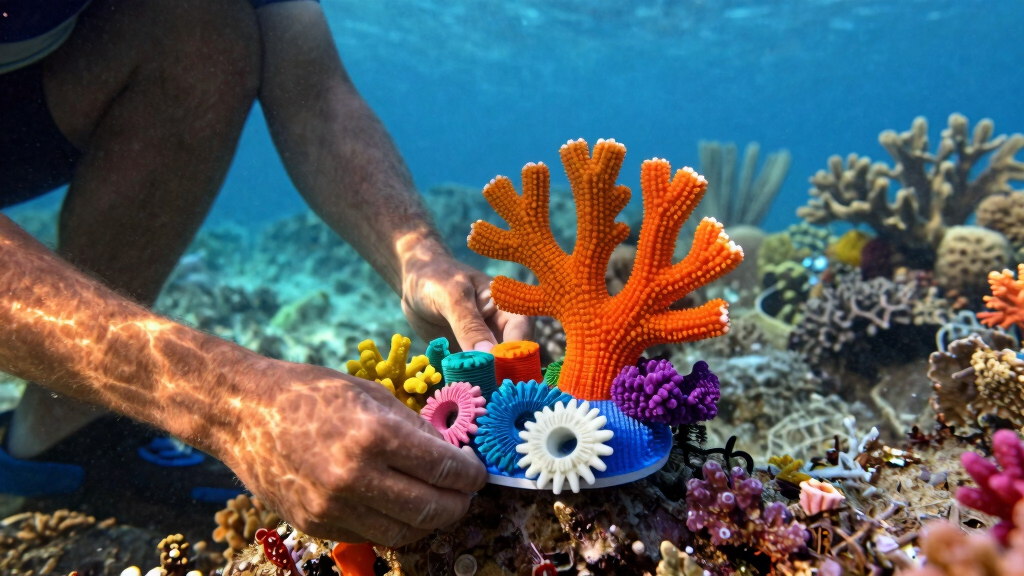
The Maldives is conducting pilot projects using 3D-printed coral reefs to restore damaged ecosystems. This innovative approach aims to help safeguard the country’s vital tourism sector from climate-related threats.
The Maldives has begun testing 3D-printed coral reefs in its waters to combat extensive bleaching caused by rising sea temperatures. This initiative aims to restore vital marine ecosystems and protect the country’s tourism industry, which depends heavily on healthy reefs.
According to reports from Nikkei Asia, the Maldives is implementing pilot projects that use 3D printing technology to create artificial coral structures. These structures are designed to mimic natural reefs and support marine life. The initiative is part of broader efforts to address severe coral bleaching observed in the region, especially in the North Ari Atoll, where many reefs have been damaged due to warming seas.
Experts and officials involved in the project have indicated that the 3D-printed reefs are still in experimental stages but show promise for restoring biodiversity and reef resilience. The Maldives’ government has partnered with research institutions and technology firms to develop these structures, aiming to evaluate their effectiveness over the coming months.
While the approach is innovative, it is not yet clear how well these artificial reefs will perform long-term or whether they can fully replace natural coral growth. The projects are part of a broader strategy to safeguard the Maldives’ reputation as a premier tourist destination, which relies heavily on vibrant coral reefs for snorkeling and diving experiences.
Potential Impact on Maldives’ Tourism and Ecosystems
This initiative could significantly influence the Maldives’ efforts to preserve its marine ecosystems amid climate change. Healthy reefs are crucial for attracting tourists, which is a key economic driver for the country. Successful deployment of 3D-printed reefs might offer a scalable solution for reef restoration worldwide, helping to mitigate the effects of warming seas on vulnerable coral ecosystems.
However, the long-term viability and ecological integration of artificial reefs remain uncertain. If proven effective, this technology could become a vital tool in global reef conservation efforts, especially in regions facing similar threats from climate change.
As an affiliate, we earn on qualifying purchases.
Maldives’ Coral Bleaching Crisis and Innovative Responses
The Maldives has experienced severe coral bleaching in recent years, linked to rising sea temperatures and climate change. In 2023, extensive bleaching in the North Ari Atoll was reported, threatening both marine biodiversity and the tourism industry, which accounts for a significant portion of the country’s GDP.
Traditional reef restoration methods have had limited success in the face of ongoing environmental stressors. As a result, the Maldives has turned to emerging technologies, including 3D printing, to develop alternative solutions. This approach aligns with broader global trends in using technology to combat ecological degradation caused by climate change.
Previous efforts included coral farming and transplantation, but these have faced challenges due to the fast-paced deterioration of natural reefs. The current pilot projects represent an innovative step toward more resilient and adaptable reef restoration methods.
“The 3D-printed reefs could serve as a valuable supplement to natural reefs, especially in areas where bleaching has caused significant damage.”
— an anonymous researcher
As an affiliate, we earn on qualifying purchases.
Long-Term Effectiveness and Ecological Integration of Artificial Reefs
It is not yet clear how well the 3D-printed reefs will perform over time or whether they will fully support the complex ecosystems of natural reefs. Long-term ecological data and ongoing monitoring are needed to assess success.
As an affiliate, we earn on qualifying purchases.
Next Steps for Reef Restoration Trials and Evaluation
The Maldives plans to continue monitoring the pilot projects over the next year, collecting data on reef growth, biodiversity, and resilience. If successful, scaling up the technology could be considered, alongside traditional restoration methods. Further research and collaboration with scientific partners will be essential to determine the viability of this approach in the broader context of climate change mitigation.
underwater snorkeling gear for coral reefs
As an affiliate, we earn on qualifying purchases.
As an affiliate, we earn on qualifying purchases.
Key Questions
How do 3D-printed coral reefs work?
They are artificial structures created using 3D printing technology, designed to mimic natural coral reefs and provide a habitat for marine life.
Are 3D-printed reefs environmentally safe?
Initial assessments suggest they are safe, but long-term ecological impacts are still being studied.
Can these reefs fully replace natural reefs?
It is uncertain; they are intended as a supplement, not a replacement, especially in severely damaged areas.
When will the Maldives know if this approach works?
Monitoring over the next 12 months will provide initial data on effectiveness, with full evaluations expected afterward.
Could this technology be used elsewhere?
Potentially, yes. If proven effective, it could be adopted in other coral-reliant regions facing climate threats.
Source: Nikkei Asia
Halloween Picks
halloween
As an affiliate, we earn on qualifying purchases.