
TL;DR
With official sumo tournaments often inaccessible to foreign visitors, immersive sumo experiences such as rituals, shows, and dinner packages are gaining popularity. This trend reflects Japan’s expanding tourism sector and interest in traditional culture.
Foreign tourists in Japan are increasingly engaging in sumo-related activities beyond attending official tournaments, as demand for immersive cultural experiences rises amid a booming tourism sector.
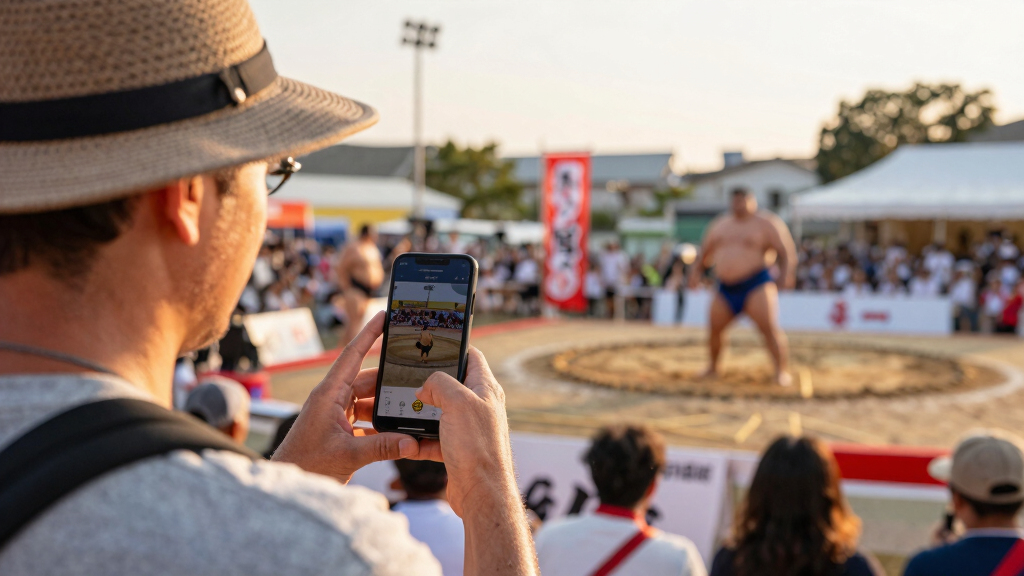
Recent reports from Tokyo and Osaka indicate a surge in international visitors taking part in sumo rituals such as salt-throwing purification ceremonies, participating in sumo shows, and booking dinner packages that include sumo demonstrations. These activities are often organized by local operators and sumo clubs, offering tourists a hands-on opportunity to learn about the sport’s traditions and techniques. According to travel industry sources, many tourists are unable to secure tickets to the limited number of official sumo tournaments, prompting them to seek alternative ways to experience the sport’s cultural significance.
For example, the Asakusa Sumo Club in Tokyo has seen a notable increase in foreign participation, with visitors from Europe, North America, and Asia engaging in rituals like the salt-throwing purification and wearing traditional mawashi (sumo belts). Similarly, in Osaka, operators now offer sumo-themed dinner packages that include demonstrations and explanations of sumo techniques, catering to the growing international interest. Officials from Japan’s tourism board confirm that these experiential activities are becoming a key component of cultural tourism, helping to offset the limited access to live tournaments for overseas visitors.
Why It Matters
This trend matters because it highlights how Japan’s traditional sport is adapting to the demands of international tourists, expanding its reach beyond the confines of the sumo ring. It also demonstrates the country’s efforts to promote cultural heritage and diversify tourism offerings, which is vital for Japan’s post-pandemic recovery. For tourists, these experiences provide a unique, authentic glimpse into Japan’s rich sumo traditions, fostering cultural exchange and understanding.
As an affiliate, we earn on qualifying purchases.
Background
Japan’s sumo tournaments are highly regulated and often sell out quickly, especially for foreign spectators. The sport’s rituals, such as the salt-throwing purification, are deeply rooted in tradition and attract cultural tourists. Over the past few years, tourism recovery efforts have included promoting local cultural activities, with sumo rituals and shows emerging as popular alternatives for visitors unable to attend official matches. This shift is part of broader trends in experiential tourism, where visitors seek immersive and participatory cultural activities rather than passive spectating.
“Many foreign visitors are eager to learn about sumo’s traditions firsthand, and these activities give them a deeper connection to Japanese culture.”
— Yuki Tanaka, operator of a sumo experience tour in Tokyo
“We see sumo rituals and shows as an important part of our cultural tourism strategy, especially as official tournaments remain limited for foreign visitors.”
— A spokesperson for Japan’s tourism agency
As an affiliate, we earn on qualifying purchases.
What Remains Unclear
It is not yet clear how sustainable this trend will be long-term or whether it will significantly impact official sumo tournament attendance. Details about the scale of international participation in these activities are still emerging.
As an affiliate, we earn on qualifying purchases.
What’s Next
Tourism operators plan to expand sumo experiences, including more interactive shows and cultural workshops. The Japan Sumo Association is also considering ways to make official tournaments more accessible to international visitors, potentially through virtual or hybrid events, in the coming years.
As an affiliate, we earn on qualifying purchases.
Key Questions
Are these sumo experiences officially sanctioned by the Japan Sumo Association?
Most experiences are organized by private operators and local sumo clubs, not directly by the Japan Sumo Association, but they often follow traditional rituals and practices.
Can tourists participate in sumo matches in Japan?
Official sumo tournaments are limited in access, especially for foreign visitors, but experiential activities like rituals, shows, and dinner packages are available as alternatives.
How has the COVID-19 pandemic affected sumo tourism?
The pandemic initially reduced tourism and event attendance, but recent recovery has seen a rise in cultural activities and experiential sumo offerings for international visitors.
Will these sumo experiences continue to grow in popularity?
Industry sources suggest that demand remains strong, and operators plan to expand offerings, indicating continued growth in this niche of cultural tourism.