The WD 6TB My Passport is my best overall pick among portable external hard drives in 2026, packing the highest bus-powered capacity available into a pocketable shell with backup software and password protection included. If speed matters more than raw space, the Samsung T7 Portable SSD moves files at up to 1,050MB/s — roughly eight times faster than any spinning drive here — though you pay several times more per terabyte. Shoppers on a tight budget should look at the Seagate Portable 2TB, the cheapest cost-per-terabyte entry point in this roundup. The core tradeoff in this category is simple: hard drives give you 4TB and up at low prices but transfer around 120MB/s, while SSDs are fast, tiny, and drop-tolerant but expensive at high capacities. Cross-platform formatting and warranty length separate otherwise similar models more than brand names do. Read on for the full breakdown of all 12 picks and who each one suits best.

Get the latest gadgets delivered free — and shop member deals
- Fast, free delivery on millions of items
- Access to Prime Big Deal Days deals on October 6–7
- Prime Video, Amazon Music and more included
Complete the kit



Key Takeaways
- The WD 6TB My Passport took the top spot because 6TB is the ceiling for bus-powered portable drives — Seagate‘s portable line stops at 5TB, and anything bigger like the Seagate Expansion 8TB needs wall power and a desk.
- Only one SSD made the list, and the Samsung T7 outruns every hard drive here by roughly 8x — but its cost per terabyte is about four times that of the Seagate Portable 2TB, which is why it ranks as a premium pick rather than best overall.
- WD’s My Passport line justifies its price over WD’s own cheaper Elements line through 256-bit hardware encryption and bundled backup software — money well spent for sensitive files, wasted on a pure media dump.
- Budget brands Maxone and YOTUO undercut WD and Seagate at 1TB, but shorter warranties and thinner support track records pushed both below the name-brand equivalents in my ranking.
- Seagate’s Portable HDD line (1TB, 2TB, 4TB) swept the value tier — with near-identical transfer speeds across capacities, the ranking came down to cost per terabyte rather than performance.
| WD 6TB My Passport Portable External Hard Drive |  | Best Overall | Capacity: 6TB | Form Factor: 2.5-inch portable | Interface: USB 3.2 Gen 1 (backward compatible with USB 3.0/3.1) | VIEW LATEST PRICE | See Our Full Breakdown |
| Seagate Portable 2TB External Hard Drive HDD |  | Best for Beginners | Capacity: 2TB | Interface: USB 3.0 | Compatibility: Windows, Mac, PlayStation, Xbox | VIEW LATEST PRICE | See Our Full Breakdown |
| WD 6TB Elements Portable External Hard Drive | 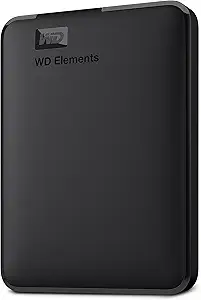 | Best High-Capacity Value | Capacity: 6TB | Interface: USB 3.2 Gen 1 / USB 3.0 | Compatibility: Windows and Mac | VIEW LATEST PRICE | See Our Full Breakdown |
| Western Digital 5TB Elements Portable External Hard Drive | | Best Mid-Capacity Pick | Capacity: 5TB | Interface: USB 3.2 Gen 1 (backward compatible with USB 2.0) | Form Factor: 2.5-inch | VIEW LATEST PRICE | See Our Full Breakdown |
| Seagate Portable 1TB External Hard Drive HDD |  | Best Budget Pick | Capacity: 1TB | Interface: USB 3.0 | Rotational Speed: 7,200 RPM | VIEW LATEST PRICE | See Our Full Breakdown |
| Seagate Portable 4TB External Hard Drive HDD | | Best for Console Gamers | Capacity: 4TB | Interface: USB 3.0 | Compatibility: PC, Mac, Xbox, PlayStation | VIEW LATEST PRICE | See Our Full Breakdown |
| WD 5TB My Passport Portable External Hard Drive |  | Best Overall | Capacity: 5TB | Interface: USB 3.1 / USB 3.0 | Security: Password protection, hardware encryption | VIEW LATEST PRICE | See Our Full Breakdown |
| Seagate Expansion 8TB External Hard Drive HDD |  | Best High-Capacity Desktop Backup | Capacity: 8TB | Connection: USB 3.0 | Compatibility: Windows and Mac | VIEW LATEST PRICE | See Our Full Breakdown |
| Maxone 1TB Ultra Slim Portable External Hard Drive |  | Best Budget Pick | Capacity: 1TB | Design: Ultra slim, all-aluminum, anti-scratch | Thickness: 0.4 inch | VIEW LATEST PRICE | See Our Full Breakdown |
| Samsung T7 Portable SSD 1TB | 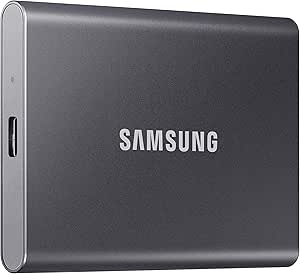 | Best for Speed | Capacity: 1TB | Color: Titan Gray | Connection: USB 3.2 Gen 2 | VIEW LATEST PRICE | See Our Full Breakdown |
| YOTUO 1TB External Hard Drive, Portable Storage Expansion HDD with USB 3.0 & USB-C |  | Best Budget Pick | Capacity: 1TB | Interface: USB 3.0 & USB-C | Transfer Speed: Up to 5Gbps | VIEW LATEST PRICE | See Our Full Breakdown |
| Western Digital 2TB Elements Portable External Hard Drive for Windows and Mac | 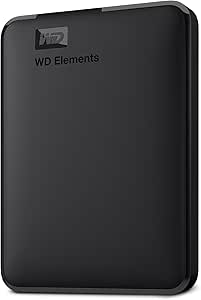 | Best Value for Everyday Backup | Capacity: 2TB | Interface: USB 3.2 Gen 1 (USB 3.0) | Transfer Rate: 5Gbps | VIEW LATEST PRICE | See Our Full Breakdown |
| portable external hard drife | Capacity | Compatibility | Interface | Form Factor |
|---|---|---|---|---|
| WD 6TB My Passport Portable Ex | 6TB | Windows and Mac (reformat for Mac) | USB 3.2 Gen 1 (backward compatible with USB 3.0/3.1) | 2.5-inch portable |
| Seagate Portable 2TB External | 2TB | Windows, Mac, PlayStation, Xbox | USB 3.0 | — |
| WD 6TB Elements Portable Exter | 6TB | Windows and Mac | USB 3.2 Gen 1 / USB 3.0 | 2.5-inch portable |
| Western Digital 5TB Elements P | 5TB | Windows and Mac (desktop, laptop, tablet) | USB 3.2 Gen 1 (backward compatible with USB 2.0) | 2.5-inch |
| Seagate Portable 1TB External | 1TB | PC, Mac, PlayStation, Xbox | USB 3.0 | — |
| Seagate Portable 4TB External | 4TB | PC, Mac, Xbox, PlayStation | USB 3.0 | — |
| WD 5TB My Passport Portable Ex | 5TB | — | USB 3.1 / USB 3.0 | Slim portable HDD |
| Seagate Expansion 8TB External | 8TB | Windows and Mac | — | Desktop external HDD (requires power outlet) |
| Maxone 1TB Ultra Slim Portable | 1TB | Windows 7/8/10, PC, Laptop | — | — |
| Samsung T7 Portable SSD 1TB | 1TB | PC, Mac, Android, gaming consoles | — | — |
| YOTUO 1TB External Hard Drive | 1TB | PC, Mac, gaming consoles | USB 3.0 & USB-C | — |
| Western Digital 2TB Elements P | 2TB | Windows, Mac, gaming consoles | USB 3.2 Gen 1 (USB 3.0) | 3.5 inches |
More Details on Our Top Picks
WD 6TB My Passport Portable External Hard Drive
Among the portable drives in this roundup, the WD 6TB My Passport is the one I point most buyers toward first. It matches the WD 6TB Elements on raw capacity, then adds 256-bit AES hardware encryption, password protection, and backup software with ransomware defense — features the Elements line skips entirely. For anyone carrying client files, tax records, or a full photo archive through airports, that security layer matters more than the modest price gap. The tradeoffs are cost and complexity: casual users who just want drag-and-drop space will pay extra for tools they may never open, and the bundled software leans Windows-first, so Mac households get less from the package. It is also still a spinning 2.5-inch drive, so rough handling stays a risk no encryption can fix. Next to the Seagate Portable 2TB, it delivers triple the room and far more protection for the money.
Pros:- 256-bit AES hardware encryption with password protection
- 6TB capacity in a pocketable 2.5-inch body
- Bundled backup software includes ransomware defense
- Broad USB 3.0/3.1/3.2 Gen 1 compatibility
Cons:- Costs more than the same-capacity WD Elements 6TB
- Bundled software offers limited value for Mac users
- Mechanical drive remains vulnerable to drops
Best for: Freelancers and small-business owners who carry sensitive files and want the most protected 6TB they can slip into a laptop bag
Not ideal for: Buyers who only need simple drag-and-drop storage — the WD 6TB Elements delivers the same capacity for less, without the security extras
- Capacity:6TB
- Form Factor:2.5-inch portable
- Interface:USB 3.2 Gen 1 (backward compatible with USB 3.0/3.1)
- Encryption:256-bit AES hardware encryption
- Security:Password protection
- Software:Backup software with ransomware defense
- Compatibility:Windows and Mac (reformat for Mac)
Our verdict“If you want one portable drive that pairs maximum capacity with real security, this is the pick I’d make.”
Seagate Portable 2TB External Hard Drive HDD
The Seagate Portable 2TB earns its spot by being the least intimidating drive here. There is no software to install and nothing to configure: plug it in and it works with Windows, Mac, PlayStation, and Xbox, which is why I suggest it over the feature-heavier WD My Passport for first-time buyers. The included 18-inch USB 3.0 cable means it is ready straight out of the box. Against its smaller sibling, the Seagate Portable 1TB, the modest price jump buys double the space — headroom that matters once console game installs enter the picture. The tradeoff is protection: there is no hardware encryption, no password option, and no bundled backup software, so it is a weak choice for confidential work files. And at 2TB, heavy video collectors will outgrow it faster than they would the 6TB WD models.
Pros:- True plug-and-play setup with no software required
- Works with PC, Mac, PlayStation, and Xbox out of the box
- 18-inch USB 3.0 cable included
- Double the capacity of the 1TB model for a small step up in price
Cons:- No encryption or password protection
- No backup software included
- 2TB ceiling fills quickly with large video libraries
Best for: First-time external drive buyers and console gamers who want plug-and-play storage for a PlayStation or Xbox library without touching any settings
Not ideal for: Anyone storing sensitive documents — with no encryption or password protection, a lost drive is an open drive
- Capacity:2TB
- Interface:USB 3.0
- Compatibility:Windows, Mac, PlayStation, Xbox
- Setup:Plug-and-play, no software required
- Included Cable:18-inch USB 3.0
- Drive Type:Portable HDD
Our verdict“The drive I’d hand to someone who has never owned one — simple, console-friendly, and priced to make 2TB the sensible starting point.”
WD 6TB Elements Portable External Hard Drive
If the WD My Passport is the fortified option, the WD 6TB Elements is the stripped-down workhorse — same 6TB ceiling, lower price, nothing extra. I see it as the best capacity-per-dollar route to 6TB in this lineup: you give up the My Passport’s encryption, password protection, and backup software, and in return you keep more money for the same amount of space. For a home media archive or a photo library that never leaves the house, those omissions barely register. The comparison cuts the other way for travelers, though — an unencrypted drive full of personal files is a liability if a bag goes missing. Against the Seagate Portable 2TB it triples the storage while keeping the same plug-and-play simplicity, but 6TB on one mechanical drive also means a single drop can take out a very large library, so a second backup still matters.
Pros:- 6TB capacity at a lower price than the My Passport
- Plug-and-play with both Windows and Mac
- USB 3.2 Gen 1 speeds for large transfers
- Simple setup with no software to manage
Cons:- No encryption or password protection
- No bundled backup software
- One mechanical drive holding 6TB is a big single point of failure
Best for: Home users consolidating years of photos, videos, and documents who want 6TB at the lowest price from a major brand
Not ideal for: Frequent travelers carrying confidential data — without encryption, the My Passport 6TB is the safer spend
- Capacity:6TB
- Interface:USB 3.2 Gen 1 / USB 3.0
- Compatibility:Windows and Mac
- Setup:Plug-and-play
- Form Factor:2.5-inch portable
- Power:Bus-powered via USB
Our verdict“The most storage per dollar here — buy it for big, stay-at-home libraries, not for sensitive files on the move.”
Western Digital 5TB Elements Portable External Hard Drive
Sitting between the budget Seagate 2TB and the 6TB heavyweights, the WD 5TB Elements is the middle path I recommend when 2TB feels cramped but 6TB feels like overkill. It shares the Elements formula with its 6TB sibling — plug-and-play simplicity, USB 3.2 Gen 1, no encryption or software frills — and typically undercuts it on price, which suits buyers who would rather save a little than max out capacity. The honest tradeoff is value math: on a cost-per-terabyte basis the 6TB Elements usually wins, so this 5TB model only makes sense when the price gap is real. It also carries over the line’s weak spots — no password protection, no backup tools — and, like every mechanical drive here, it dislikes drops. Compared with the Seagate Portable 2TB, you pay more but get two and a half times the breathing room for photos and files.
Pros:- 5TB capacity in a compact 2.5-inch body
- Plug-and-play on Windows and Mac
- USB 3.2 Gen 1 transfer speeds
- Usually cheaper upfront than the 6TB version
Cons:- Weaker cost-per-terabyte than the 6TB Elements
- No encryption, password protection, or backup software
- Retailer spec listings are inconsistent, which complicates comparison shopping
Best for: Everyday users with growing photo and document collections who have outgrown 2TB but don’t need a full 6TB archive
Not ideal for: Price-per-terabyte optimizers — when the 6TB Elements goes on sale, this 5TB model loses its main reason to exist
- Capacity:5TB
- Interface:USB 3.2 Gen 1 (backward compatible with USB 2.0)
- Form Factor:2.5-inch
- Compatibility:Windows and Mac (desktop, laptop, tablet)
- Color:Black
- Power:Bus-powered via USB
Our verdict“A sensible middle ground — choose it when it’s meaningfully cheaper than the 6TB Elements and 2TB isn’t enough.”
Seagate Portable 1TB External Hard Drive HDD
The Seagate Portable 1TB is the cheapest way into this roundup, and I like it most as a lightweight travel companion: at 190 grams and just over half an inch thick, it disappears into a jacket pocket in a way the 6TB WD models never will. Its 7,200 RPM spindle and quoted 120 MB/s reads also make it a touch livelier than the typical 5,400 RPM portable drive when moving a day’s photos off a laptop. The limits are obvious next to its own family — the Seagate Portable 2TB doubles the space for a fairly small premium, so this 1TB version only wins on upfront price and pocketability. Mac buyers should know reformatting may be required, and there is no encryption or backup software in the box. For bulk archives, the WD 6TB Elements is simply the smarter spend.
Pros:- Very affordable entry price
- Slim 0.58-inch, 190 g body travels easily
- 7,200 RPM speed and 120 MB/s reads beat typical portable HDDs
- Plug-and-play across PC, Mac, and consoles
Cons:- 1TB capacity is limiting for games and video
- May need reformatting for Mac
- No encryption or backup software included
Best for: Students and light travelers who need a slim, cheap drive for documents, coursework, and a modest photo collection
Not ideal for: Gamers and video shooters — 1TB fills fast with modern game installs or 4K footage, and the 2TB model is the better base
- Capacity:1TB
- Interface:USB 3.0
- Rotational Speed:7,200 RPM
- Read Speed:Up to 120 MB/s
- Weight:190 g
- Dimensions:4.61 x 3.15 x 0.58 in
- Compatibility:PC, Mac, PlayStation, Xbox
- Setup:Plug-and-play, no software required
Our verdict“The right call when price and pocket size outrank capacity — otherwise step up to the 2TB model.”
Seagate Portable 4TB External Hard Drive HDD
I place the Seagate Portable 4TB high on this list because it solves a specific pain point: console storage that works straight out of the box. Where the WD 5TB My Passport leans on security software, this drive leans on cross-platform simplicity — it formats for PC, Mac, Xbox, and PlayStation without fuss, which makes it the easiest pick for a PS5 or Xbox library overflow. The drag-and-drop, plug-and-play setup means no backup suite to learn, though that cuts both ways: unlike WD’s bundled software with ransomware protection, you get nothing for automated backups here. Compared with the Samsung T7, transfers are ordinary USB 3.0 HDD speeds, so big game installs take patience. If you want raw capacity per dollar and console compatibility, this option stands out; if you want encryption or speed, look elsewhere in the lineup.
Pros:- 4TB capacity at a low cost per terabyte
- Works with PC, Mac, Xbox, and PlayStation out of the box
- True plug-and-play setup with drag-and-drop simplicity
Cons:- No backup software, password protection, or encryption included
- Plain USB 3.0 HDD speeds — several times slower than the Samsung T7 SSD
Best for: Console gamers on PlayStation or Xbox who need a big, plug-and-play library expansion without paying SSD prices
Not ideal for: Anyone carrying sensitive work files — there’s no encryption or bundled backup software, unlike the WD My Passport
- Capacity:4TB
- Interface:USB 3.0
- Compatibility:PC, Mac, Xbox, PlayStation
- Setup:Plug and play, drag-and-drop
- Drive type:Portable HDD
- Included software:None — manual file management
Our verdict“The simplest, most affordable way to add serious storage to a console or everyday PC, as long as you don’t need security features or SSD speed.”
WD 5TB My Passport Portable External Hard Drive
This model earns my Best Overall slot because it balances the three things portable-drive buyers actually weigh: capacity, size, and data safety. The 5TB capacity edges past the Seagate Portable 4TB while staying genuinely pocketable, and the hardware encryption with password protection is something no other HDD in this roundup matches — the Seagate drives and Maxone ship wide open by default. The bundled backup software adds ransomware protection, and the three-year warranty outlasts what most rivals offer. The tradeoff is speed and polish: it’s still a spinning USB 3.0/3.1 drive, so the Samsung T7 moves large files several times faster, and the plastic shell feels less premium than the Maxone’s aluminum. For most people carrying work files or a full photo library, this pick makes the most sense.
Pros:- 5TB in a slim, pocketable shell
- Password protection with hardware encryption
- Bundled backup software with ransomware protection
- 3-year warranty
Cons:- Still HDD speeds — far slower than the Samsung T7
- Plastic casing feels less durable than the Maxone’s metal build
Best for: Freelancers and remote workers who carry client files or photo archives and want password protection plus a long warranty
Not ideal for: Video editors moving huge files daily — a spinning HDD can’t keep pace with the Samsung T7’s SSD speeds
- Capacity:5TB
- Interface:USB 3.1 / USB 3.0
- Security:Password protection, hardware encryption
- Backup software:Included, with ransomware protection
- Warranty:3 years
- Color:Black
- Form factor:Slim portable HDD
Our verdict“The most well-rounded portable HDD here — the default choice for anyone who wants big capacity with real security built in.”
Seagate Expansion 8TB External Hard Drive HDD
A candid note up front: despite sitting in a portable-drive roundup, this is a desktop unit, and I rank it here for buyers who care about capacity above mobility. The 8TB of storage dwarfs everything else on the list — nearly double the WD 5TB My Passport — and the included Rescue Data Recovery Services are a real safety net the portable Seagate drives lack. USB 3.0 plug-and-play keeps setup painless on Windows and Mac. The tradeoffs are hard to ignore: it needs wall power and desk space, so it won’t ride in a bag like the Maxone or the T7, and Mac users must reformat for Time Machine. Compared with the portable picks, this option stands out as a set-it-and-forget-it backup hub rather than a travel companion.
Pros:- 8TB — the largest capacity in the roundup
- USB 3.0 plug-and-play on Windows and Mac
- Rescue Data Recovery Services included for extra peace of mind
Cons:- Desktop design requires external power — not portable
- Reformatting required for Mac Time Machine use
- Limited warranty details are vague
Best for: Home offices and media hoarders who want a single always-on destination for full system backups and large media libraries
Not ideal for: Travelers and commuters — the desktop design needs wall power and desk space, so it can’t live in a laptop bag
- Capacity:8TB
- Connection:USB 3.0
- Compatibility:Windows and Mac
- Mac note:Reformatting required for Time Machine
- Data recovery:Rescue Data Recovery Services included
- Form factor:Desktop external HDD (requires power outlet)
Our verdict“Buy it to anchor a desk-based backup setup; skip it entirely if the drive ever needs to leave the house.”
Maxone 1TB Ultra Slim Portable External Hard Drive
The Maxone earns its spot as my budget pick by doing one thing well: putting respectable storage in a 0.4-inch all-aluminum shell that costs a fraction of the big-name drives. That metal body is a genuine step up from the plastic casings on the Seagate Portable and WD My Passport lines, and at this size it disappears into a laptop sleeve. USB 3.0 with up to 5 Gbit/s transfers is fine for documents and media, and the three-year warranty is generous at this price. The tradeoffs: 1TB is the ceiling, so heavy video libraries will outgrow it fast — the Seagate Portable 4TB quadruples that — and it’s Windows-only out of the box, unlike the cross-platform Samsung T7. Skip it if you need capacity; grab it if you need cheap, slim, and simple.
Pros:- Ultra-slim 0.4-inch all-aluminum, anti-scratch body
- Plug-and-play with no software bloat
- USB 3.0 transfers up to 5 Gbit/s
- 3-year warranty at a budget price
Cons:- Only 1TB — the smallest capacity in this lineup
- Windows-only compatibility leaves Mac users out
- Mechanical HDD is slower and less shock-tolerant than the Samsung T7
Best for: Students and casual users who want cheap, slim, scratch-resistant storage for documents and a modest media collection
Not ideal for: Mac households and heavy video collectors — it’s Windows-only out of the box and capped at 1TB
- Capacity:1TB
- Design:Ultra slim, all-aluminum, anti-scratch
- Thickness:0.4 inch
- Connection:USB 3.0
- Transfer speed:Up to 5 Gbit/s
- Compatibility:Windows 7/8/10, PC, Laptop
- Warranty:3 years
Our verdict“The right call when the budget is tight and 1TB is genuinely enough — anything more demanding deserves a bigger-name drive.”
Samsung T7 Portable SSD 1TB
The Samsung T7 is the outlier here, and I treat it as the performance tier: an SSD among spinning disks. With reads up to 1,050 MB/s over USB 3.2 Gen 2, it moves a 50GB video project in about a minute — a job that takes the WD My Passport or Seagate Portable drives several. The shock-resistant, drop-rated metal body also means a fall that could kill an HDD barely registers, which matters for anyone editing on location. The cost of that speed is capacity economics: at 1TB it holds a fifth of what the My Passport does, and per gigabyte it’s the priciest option on this list by a wide margin. You also need a USB 3.2 Gen 2 port and the right cable to see full speed. This model is better suited to creators moving big files daily than to bulk archivists.
Pros:- Up to 1,050 MB/s reads — several times faster than any HDD here
- Shock-resistant with drop protection up to 6 feet
- Compact metal build with broad device support
- Works with PC, Mac, Android, and gaming consoles
Cons:- Per-gigabyte cost is far higher than the HDD picks
- Full speed requires a USB 3.2 Gen 2 host port and the right cable
- 1TB fills quickly for large archives
Best for: Photographers and video editors who transfer large projects daily and need a drive that survives life on location
Not ideal for: Bulk archivists on a budget — 1TB at SSD pricing buys a fraction of the capacity an HDD offers
- Capacity:1TB
- Color:Titan Gray
- Connection:USB 3.2 Gen 2
- Read speed:Up to 1,050 MB/s
- Write speed:Up to 1,000 MB/s
- Drop resistance:Up to 6 feet
- Compatibility:PC, Mac, Android, gaming consoles
Our verdict“The obvious pick when transfer speed and durability matter more than capacity per dollar — everyone else should buy a bigger HDD instead.”
YOTUO 1TB External Hard Drive, Portable Storage Expansion HDD with USB 3.0 & USB-C
The YOTUO 1TB earns its spot as the budget-friendly lightweight of this lineup, and its patented silicone sleeve gives it a durability angle the Maxone 1TB Ultra Slim and Seagate Portable 1TB don’t offer at this price. For a student or commuter tossing a drive into a backpack every day, that shock absorption matters more than raw speed. Dual USB 3.0 and USB-C connectivity covers newer laptops without a dongle, which older USB-only rivals can’t match. Compared with the Samsung T7, transfers are far slower — this is a spinning disk, not an SSD — but it costs a fraction of the price. The real ceiling is capacity: 1TB fills fast with a large game library, and console players should know it can’t run PS5 or Xbox Series X/S titles directly. I’d point casual users here before paying more.
Pros:- Patented silicone sleeve absorbs drops better than bare plastic rivals
- USB-C plus USB 3.0 connects to modern laptops without adapters
- Lightest option in the roundup at 0.16 kg
- Works across PC, Mac, and gaming consoles
Cons:- Capped at 1TB, which fills quickly with games or 4K video
- Cannot run or store PS5/Xbox Series X/S titles directly
- HDD transfer speeds trail SSDs like the Samsung T7 by a wide margin
Best for: Students and commuters who want the cheapest dependable 1TB drive with drop protection for everyday files and older-console game storage
Not ideal for: PS5 or Xbox Series X/S owners wanting to play current-gen games off the drive, and anyone whose media library already exceeds 1TB
- Capacity:1TB
- Interface:USB 3.0 & USB-C
- Transfer Speed:Up to 5Gbps
- Weight:0.16 kg
- Protection:Patented shock-absorbing silicone sleeve
- Compatibility:PC, Mac, gaming consoles
- Console Limitation:No direct PS5/Xbox Series X/S game storage or playback
Our verdict“The right first drive for budget buyers who value drop protection and USB-C convenience over capacity headroom.”
Western Digital 2TB Elements Portable External Hard Drive for Windows and Mac
The WD Elements 2TB is the sensible middle ground: double the capacity of the YOTUO 1TB for a modest price bump, and cheaper per terabyte than the WD My Passport line, which adds backup software and hardware encryption many buyers never touch. For routine photo and document backups, the plug-and-play setup is the whole point — there’s nothing to configure on Windows or Mac. Against the Seagate Portable 2TB, it trades blows on speed since both push 5Gbps over USB 3.0-class connections, so the pick often comes down to price on the day. The compromises are real, though: the 5400 RPM platter drags during large transfers, the plastic enclosure feels less rugged than sleeved rivals, and the 3.5-inch form factor needs external power, which undercuts grab-and-go portability.
Pros:- 2TB capacity at one of the lowest prices per terabyte in the lineup
- True plug-and-play on both Windows and Mac
- 5Gbps transfer rate matches direct rivals like the Seagate Portable 2TB
- Backed by WD’s long track record in desktop storage
Cons:- 5400 RPM rotational speed slows large file transfers
- 3.5-inch form factor requires an external power source
- Plain plastic enclosure offers less drop protection than sleeved alternatives
Best for: Home users who want 2TB of no-frills backup space for photos, videos, and documents at the lowest cost per terabyte
Not ideal for: Frequent travelers who need a bus-powered pocket drive, and users moving huge files daily who’ll feel the 5400 RPM ceiling
- Capacity:2TB
- Interface:USB 3.2 Gen 1 (USB 3.0)
- Transfer Rate:5Gbps
- Rotational Speed:5400 RPM
- Form Factor:3.5 inches
- Enclosure:Plastic
- Cache:1MB
- Compatibility:Windows, Mac, gaming consoles
Our verdict“A dependable desk-bound backup drive for buyers who want maximum terabytes per dollar and don’t need pocket portability.”
How We Picked
I scored each drive on five buyer-facing criteria: cost per terabyte, true portability, transfer speed class, warranty and reliability signals, and cross-platform compatibility. Cost per terabyte did the heaviest lifting because most portable HDDs here perform within a few MB/s of each other — at that point, price per unit of storage is the honest differentiator. Portability meant more than dimensions: a drive had to run off a single USB port with no wall adapter, which is why the Seagate Expansion 8TB, despite its class-leading capacity, sits lower than its terabytes alone would earn it.
Speed separated one product from the pack. The Samsung T7 is the only SSD in this lineup, so it earned the premium slot on transfer rate and drop tolerance rather than capacity value. Within the hard drive group, I weighted extras that change daily use — the WD My Passport line’s hardware encryption and bundled backup software pushed it above WD’s bare-bones Elements models, while lesser-known brands like Maxone and YOTUO lost ground on warranty length and support history even where their prices looked sharp. The final order reflects who each drive serves best, not a single spec sheet score.
Factors to Consider When Choosing Portable External Hard Drives
The product reviews above tell you which drives rose to the top. This section covers the decisions that come before the shortlist: how the technology splits, how much space your files actually occupy, and the mistakes that send buyers back for a refund. Read it once and the right pick usually names itself.
HDD vs SSD: The Biggest Decision
The single biggest fork in this category is spinning disk versus solid state. A portable HDD like the WD My Passport delivers around 100–130MB/s, which is fine for overnight backups and media libraries but painful when you are moving a 200GB video project before a flight. The Samsung T7 SSD hits up to 1,050MB/s, so the same transfer finishes in minutes, and with no moving parts it shrugs off the bumps that can kill a spinning drive. The catch is price: at 1TB, the T7 costs roughly what a 4–5TB portable hard drive does. My rule of thumb is simple — if the drive will live in a bag and carry active project files, the SSD premium pays for itself in time saved. If it will sit on a desk swallowing scheduled backups, a hard drive’s capacity per dollar wins easily.
How Much Capacity Do You Actually Need?
Buyers routinely overbuy or underbuy capacity because they guess instead of adding up what they own. A full laptop backup typically eats 500GB–1TB, a serious photo library runs 1–2TB, and 4K video shoots can consume around 100GB per hour of footage. For most people, 2TB is the sweet spot — enough headroom for a system backup plus personal files without paying for space that sits empty. Content creators and anyone archiving console game libraries should start at 4TB, where drives like the Seagate Portable 4TB hit their best cost per terabyte. One more wrinkle: advertised capacity shrinks about 7–10% once formatted, because drive makers count in decimal terabytes and computers count in binary. Buying one size up from your estimate is cheaper than running out of room mid-backup.
Portability Isn’t Just About Size
Eleven of the twelve drives here slip into a jacket pocket, but portability has layers beyond raw dimensions. Bus power is the dividing line: the true portable drives draw everything they need from a single USB port, while the Seagate Expansion 8TB requires its own power brick and an outlet — fine for a permanent desk setup, useless on a train. Weight matters less than cable design in practice; models shipping with both USB-A and USB-C support, like the YOTUO, spare you the dongle hunt on newer laptops. Slim metal bodies such as the Maxone look sharp but offer no meaningful drop protection, so the drive still belongs in a padded pouch. If a drive will travel daily, favor shock tolerance over thinness — a few millimeters saved never rescued data from a fall.
Check Compatibility and Formatting Before You Buy
Nothing sours a purchase faster than a drive that shows up read-only on your machine. Most portable HDDs ship formatted NTFS for Windows, which macOS can read but not write to without extra software — the fix is reformatting to exFAT, which both systems read and write natively. Reformatting erases everything, so do it on day one before any data lands on the drive. Console owners get an easier ride: the Seagate Portable line works with PlayStation and Xbox after a quick on-console format, though that format locks the drive to the console until you wipe it again. Also check your laptop’s ports before ordering — a drive with only a USB-A cable still works on a USB-C-only MacBook, but you will be shopping for an adapter the same afternoon.
Warranty and Brand Reputation Matter More at the Budget End
Hard drives fail — the question is when, and what happens next. WD and Seagate back their portable lines with two-to-three-year limited warranties and decades of failure-rate data behind the brand names. Budget newcomers like Maxone and YOTUO typically cover less, and their support pipelines are thinner if something goes wrong at month fourteen. That gap matters most when the drive holds irreplaceable material: saving $15 on a no-name 1TB drive is a bad trade for a wedding photo archive. No warranty of any length recovers your data, though — it replaces hardware only. The honest safety net is the old 3-2-1 backup rule: three copies, two different devices, one of them somewhere else.
Common Mistakes Buyers Make
Three mistakes account for most buyer regret in this category. The first is paying SSD prices for cold storage — a drive that wakes up once a month for backups gains nothing from 1,050MB/s speeds. The second is treating a single external drive as a backup when it is really just a second copy in the same house; theft, fire, or a power surge takes both. The third is buying for the spec sheet instead of the use case: gamers need capacity for 100GB installs, photographers need reliability and software, frequent flyers need speed and shock resistance. Shoppers also forget that desktop-class drives like the 8TB Expansion are a different product wearing a similar name — strong value per terabyte, wrong tool for a carry-on. Match the drive to the job first, then let cost per terabyte break ties between the finalists.
Frequently Asked Questions
Should I buy a portable SSD or a portable HDD?
It depends on what the drive does all day. If you regularly move large active files — video projects, photo sessions, game installs you actually play from the drive — the Samsung T7’s 1,050MB/s transfer rate saves real time on every session, and its solid-state build tolerates travel abuse better than any spinning disk. If the drive mostly receives scheduled backups or stores a media library you stream from, a portable HDD’s roughly 120MB/s is a bottleneck you will rarely feel. Price settles it for most people: SSDs run about four times the cost per terabyte of the hard drives on this list. Many buyers end up with one of each — a small SSD for work in motion and a big HDD for archives at home.
How much capacity do I need to back up my laptop?
Start with the used space on your laptop’s internal drive, not its total size — a 512GB laptop holding 300GB of files needs a backup drive that fits 300GB plus room to grow. Because backup software keeps version history, I recommend a drive at least twice the size of the data you plan to protect. For a typical laptop with 500GB–1TB in use, that lands you on a 2TB model like the Seagate Portable 2TB or WD Elements 2TB. Heavy photo and video users should double again to 4–5TB, where the WD My Passport 5TB and Seagate Portable 4TB sit. Buying the exact size of today’s data guarantees you will be shopping again within a year.
Will these drives work with both a Mac and a Windows PC?
Yes, but usually not straight out of the box. Most portable hard drives ship pre-formatted as NTFS, which Windows reads and writes natively while macOS can only read it. The clean fix is reformatting the drive to exFAT, a file system both platforms handle fully — just do it before loading any data, since formatting wipes the drive. WD’s Elements and My Passport models advertise Mac compatibility, but that still means a reformat or an included utility rather than true dual-platform formatting from the factory. Console use adds another wrinkle: PlayStation and Xbox reformat drives into their own file systems, so dedicate a drive to your console rather than sharing it back and forth with a computer.
Are budget drives from brands like Maxone and YOTUO worth the risk?
For the right job, yes — with clear eyes about the tradeoff. These drives often use the same class of 2.5-inch hard disk mechanism found inside name-brand models, and for secondary copies, scratch space, or a kid’s school files they perform fine at a lower price per terabyte. What you give up is the safety net: shorter warranty coverage, less responsive support, and no bundled backup or encryption software. I would not store the only copy of anything irreplaceable on one, but I would not pay WD prices for a fourth backup copy either. Match the brand’s risk profile to the replaceability of the data it will hold.
What’s the difference between the Seagate Expansion 8TB and the truly portable drives on this list?
The Expansion 8TB is a desktop external drive sharing shelf space with portable models, and the distinction changes who should buy it. It uses a larger 3.5-inch desktop mechanism, requires its own wall power adapter, and is meant to sit next to a computer rather than travel in a bag. In exchange, it delivers more terabytes per dollar than any bus-powered drive here — portable mechanisms simply do not come in 8TB. Choose it if the drive will anchor a home backup station or a media library that never moves. Choose a 2.5-inch portable model if the drive will ever leave the desk, because an outlet-dependent drive stops being portable storage the moment you are away from one.
Conclusion
After lining up all twelve drives, the decision sorts cleanly by buyer type. For most people, the WD 6TB My Passport is the best overall pick — maximum bus-powered capacity, hardware encryption, and backup software in a drive that fits a pocket. Value shoppers should take the Seagate Portable 2TB, which delivers the same speed class as drives twice its price at the lowest entry cost here. If your budget stretches and speed is the point, the Samsung T7 is the best premium buy and the only drive on this list that never feels slow. Beginners who want zero decisions beyond plugging in should start with the WD 2TB Elements — cheap, plain, and dependable. Console gamers get the most from the Seagate Portable 4TB, desk-bound archivists from the Seagate Expansion 8TB, and anyone filling a secondary role on a tight budget can pick the Maxone or YOTUO without overpaying. Find the row that matches your situation, and the spec sheet arguments take care of themselves.
Fall Picks
fall essentials
As an affiliate, we earn on qualifying purchases.