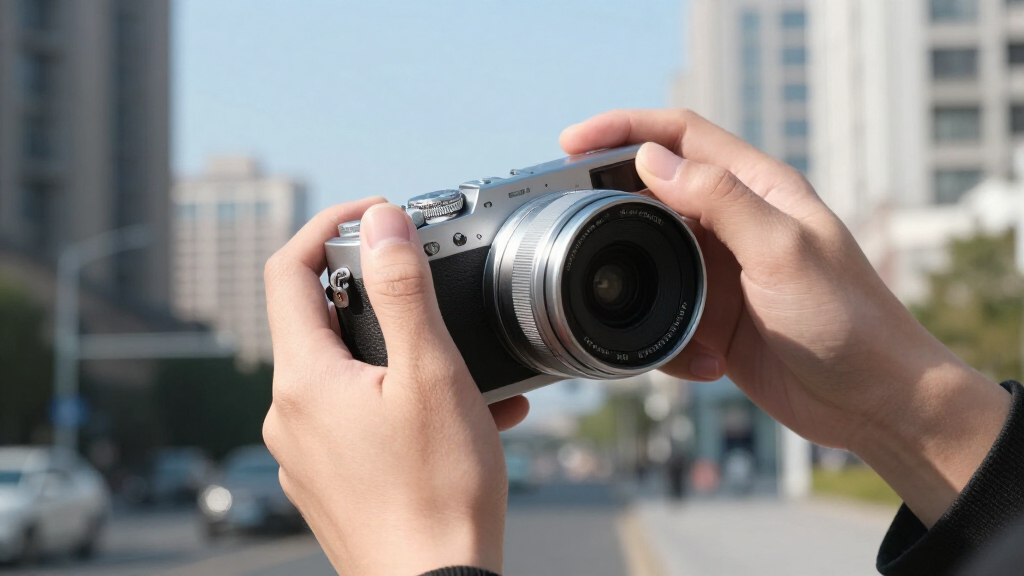

The best mirrorless camera for most people in 2026 is the Sony Alpha 7 IV, a 33MP full-frame hybrid that handles serious stills and 4K/60p video without forcing real compromises. I compared 15 of the most popular options — including the same models sold as different lens kits and bundles — to find which ones actually earn their price. If you’re starting out, the Canon EOS R50 is the easiest camera here to recommend, while the Sony ZV-E10 makes the most sense for video-first creators on a budget. The biggest tradeoffs in this category come down to sensor size (full-frame vs APS-C), autofocus generation, and how much of your budget should go toward lenses instead of the body. Older models like the Sony a7 III still hold up, so paying more doesn’t always mean getting more. Keep reading for the full breakdown of all 15 picks.

Get the latest gadgets delivered free — and shop member deals
- Fast, free delivery on millions of items
- Access to Prime Big Deal Days deals on October 6–7
- Prime Video, Amazon Music and more included
Complete the kit



Key Takeaways
- The Sony Alpha 7 IV takes the top spot because it’s the only camera in this lineup pairing a 33MP full-frame sensor with 4K/60p video at a mid-range price — everything cheaper gives up at least one of those two.
- Nine of the 15 listings are Sony bodies, and several are the same camera in different boxes: the A7 IV appears three times and the Canon EOS R100 three times, so bundle contents often matter more than the camera itself.
- The Canon EOS R100 is the cheapest way into mirrorless here, but its cropped 4K video and fixed screen make it a stills-first budget pick, not a hybrid.
- The Sony a7 III, released in 2018, still earns its place by undercutting every other full-frame option on price while keeping excellent low-light stills performance.
- Beginner bundles like the Canon EOS R50 kit with a shoulder bag and 64GB card beat their bare-kit siblings on total cost once you price the card and case separately.
| Sony Alpha a6400 Mirrorless Camera with 18-135mm Lens |  | Best Value Pick | Sensor: 24.2MP APS-C | Video: 4K UHD | Autofocus: 0.02 sec with real-time AF tracking | VIEW LATEST PRICE | See Our Full Breakdown |
| Sony Alpha a6700 APS-C Mirrorless Camera Body 26MP 4K |  | Best Premium Pick for Video Creators | Sensor: 26MP APS-C Exmor R CMOS | Processor: BIONZ XR | Video Recording: 4K up to 120p | VIEW LATEST PRICE | See Our Full Breakdown |
| Canon EOS R100 Mirrorless Camera RF-S 18-45mm Lens Kit | 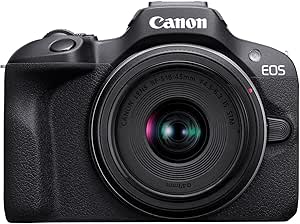 | Best Budget Pick | Sensor: 24.1MP APS-C CMOS | Included Lens: RF-S 18-45mm F/4.5-6.3 IS STM | Video: 4K at 24 fps, Full HD at 60 fps, HD at 120 fps | VIEW LATEST PRICE | See Our Full Breakdown |
| Canon EOS R50 Mirrorless Camera with RF-S 18-45mm Lens Kit |  | Best Overall | Sensor: 24.2MP APS-C CMOS | Processor: DIGIC X | Included Lens: RF-S 18-45mm F/4.5-6.3 IS STM | VIEW LATEST PRICE | See Our Full Breakdown |
| Canon EOS R50 Mirrorless Camera Kit with 18-45mm Lens, Shoulder Bag, and 64GB Card |  | Best Starter Bundle | Camera Type: Mirrorless | Sensor: 24.2MP APS-C | Included Lens: 18-45mm | VIEW LATEST PRICE | See Our Full Breakdown |
| Sony Alpha 7 IV Full-frame Mirrorless Camera |  | Best Overall | Sensor: 33MP full-frame Exmor R CMOS | Video: 4K 60p, 10-bit 4:2:2 | Processor: BIONZ XR | VIEW LATEST PRICE | See Our Full Breakdown |
| Sony ZV-E10 APS-C Mirrorless Camera with 16-50mm Lens |  | Best for Content Creators | Sensor: 24.2MP APS-C Exmor CMOS | Processor: BIONZ X | Video: UHD 4K30p | VIEW LATEST PRICE | See Our Full Breakdown |
| Canon EOS RP Full-Frame Mirrorless Camera with RF 24-105mm Lens Kit |  | Best Budget Full-Frame | Sensor: 26.2MP full-frame CMOS | Kit lens: RF 24-105mm f/4-7.1 IS STM | Video: 4K UHD 2160p | VIEW LATEST PRICE | See Our Full Breakdown |
| Canon EOS R100 with RF-S 18-45mm f/4.5-6.3 IS STM Lens |  | Best for Beginners | Sensor: 24.1MP APS-C CMOS | Processor: DIGIC 8 | Kit lens: RF-S 18-45mm f/4.5-6.3 IS STM | VIEW LATEST PRICE | See Our Full Breakdown |
| Sony Alpha a7 IV Full Frame Mirrorless Camera Bundle |  | Best Accessory Bundle | Sensor: 33MP full-frame | Video: 4K 60p in 10-bit | Processor: BIONZ XR | VIEW LATEST PRICE | See Our Full Breakdown |
| Sony Alpha a7 III Mirrorless Camera with 28-70mm Lens |  | Best Full-Frame Value | Sensor: 35mm full-frame Exmor R CMOS | Resolution: 24.2MP | Autofocus: 693 phase-detection / 425 contrast points | VIEW LATEST PRICE | See Our Full Breakdown |
| Sony α7 IV Mirrorless Camera Kit with 28–70mm Lens |  | Best Overall | Sensor: 33MP full-frame CMOS | Video: 4K/60p, 10-bit 4:2:2 | Autofocus: Real-Time Eye AF with subject tracking | VIEW LATEST PRICE | See Our Full Breakdown |
| Canon EOS R100 Mirrorless Camera with RF-S18-45mm Lens Kit |  | Best for Beginners | Sensor: 24.1MP CMOS (APS-C) | Video: 4K/24p, Full HD/60p, HD/120p | Lens Kit: RF-S18-45mm F4.5-6.3 IS STM | VIEW LATEST PRICE | See Our Full Breakdown |
| Sony Alpha a6400 Mirrorless Camera with 16-50mm Lens |  | Best Compact Pick | Sensor: 24.2MP APS-C Exmor CMOS | Lens: 16-50mm | Autofocus: Real-Time Eye Auto Focus | VIEW LATEST PRICE | See Our Full Breakdown |
| Nikon Z50 II with Two Lenses |  | Best Two-Lens Kit | Sensor: 20.9MP APS-C (DX) | Lenses Included: NIKKOR Z DX 16-50mm f/3.5-6.3 VR, 50-250mm f/4.5-6.3 VR | Video: 4K UHD/60p, Full HD 120p slow-motion | VIEW LATEST PRICE | See Our Full Breakdown |
| mirrorless camera | Sensor | Video | Autofocus |
|---|---|---|---|
| Sony Alpha a6400 Mirrorless Ca | 24.2MP APS-C | 4K UHD | 0.02 sec with real-time AF tracking |
| Sony Alpha a6700 APS-C Mirrorl | 26MP APS-C Exmor R CMOS | — | AI-powered real-time subject recognition |
| Canon EOS R100 Mirrorless Came | 24.1MP APS-C CMOS | 4K at 24 fps, Full HD at 60 fps, HD at 120 fps | Dual Pixel CMOS AF with face and eye detection |
| Canon EOS R50 Mirrorless Camer | 24.2MP APS-C CMOS | 4K at 30 fps, Full HD at 120 fps | Dual Pixel CMOS AF II with 651 zones |
| Canon EOS R50 Mirrorless Camer | 24.2MP APS-C | — | Dual Pixel AF II |
| Sony Alpha 7 IV Full-frame Mir | 33MP full-frame Exmor R CMOS | 4K 60p, 10-bit 4:2:2 | — |
| Sony ZV-E10 APS-C Mirrorless C | 24.2MP APS-C Exmor CMOS | UHD 4K30p | 425-point AF |
| Canon EOS RP Full-Frame Mirror | 26.2MP full-frame CMOS | 4K UHD 2160p | — |
| Canon EOS R100 with RF-S 18-45 | 24.1MP APS-C CMOS | 4K 24p, Full HD 60p | Dual Pixel CMOS AF, 143 zones |
| Sony Alpha a7 IV Full Frame Mi | 33MP full-frame | 4K 60p in 10-bit | Fast Hybrid AF with Real-time Tracking |
| Sony Alpha a7 III Mirrorless C | 35mm full-frame Exmor R CMOS | 4K30 | 693 phase-detection / 425 contrast points |
| Sony α7 IV Mirrorless Camera K | 33MP full-frame CMOS | 4K/60p, 10-bit 4:2:2 | Real-Time Eye AF with subject tracking |
| Canon EOS R100 Mirrorless Came | 24.1MP CMOS (APS-C) | 4K/24p, Full HD/60p, HD/120p | Dual Pixel CMOS AF with face and eye detection |
| Sony Alpha a6400 Mirrorless Ca | 24.2MP APS-C Exmor CMOS | 4K | Real-Time Eye Auto Focus |
| Nikon Z50 II with Two Lenses | 20.9MP APS-C (DX) | 4K UHD/60p, Full HD 120p slow-motion | Subject detection with tracking, bird and airplane modes |
More Details on Our Top Picks
Sony Alpha a6400 Mirrorless Camera with 18-135mm Lens
The Sony Alpha a6400 earns its place by delivering near-flagship autofocus speed at a mid-range price. Its 0.02-second real-time tracking AF still locks onto eyes faster than most cameras here, and the bundled 18-135mm lens covers wide shots through portraits without a lens swap. Compared with the Sony Alpha a6700, you give up in-body stabilization and AI subject recognition, but you spend considerably less and get a lens in the box. Against the Canon EOS R50, the a6400’s 11 fps burst suits action shooters better. The tradeoffs are real: no IBIS means shakier handheld video, and the roughly four-second buffer clearing can stall long bursts. For stills-first shooters who want Sony’s autofocus without the a6700’s body-only price, this is the sensible buy.
Pros:- 0.02-second autofocus with real-time eye tracking
- 18-135mm lens covers wide-to-telephoto in a single kit
- 11 fps burst shooting handles sports and wildlife
- Tiltable LCD works for vlogging and low-angle shots
Cons:- No in-body image stabilization for handheld video
- Roughly 4-second buffer clearing slows extended bursts
- Older processor and menu system than the newer a6700
Best for: Action and travel shooters who want fast autofocus and a do-everything zoom in one affordable kit
Not ideal for: Video-first creators — the lack of in-body stabilization and aging processor make the a6700 a better fit
- Sensor:24.2MP APS-C
- Video:4K UHD
- Autofocus:0.02 sec with real-time AF tracking
- Continuous Shooting:11 fps
- Included Lens:18-135mm F/3.5-5.6 OSS
- Screen:Tiltable LCD
Our verdict“Buy the a6400 if you want Sony’s fastest budget autofocus and a versatile zoom without paying a6700 prices.”
Sony Alpha a6700 APS-C Mirrorless Camera Body 26MP 4K
The Sony Alpha a6700 is the most technically advanced APS-C body in this roundup, and it behaves like it. The AI-driven subject recognition identifies people, animals, and vehicles more reliably than the Sony Alpha a6400’s older tracking system, and 4K at 120p with 10-bit 4:2:2 color gives editors slow-motion footage that survives heavy grading — something neither the a6400 nor the Canon EOS R50 can match. Add 5-axis in-body stabilization and casual handheld video stops needing a gimbal. The catch is cost: this is a body-only listing, so building a kit pushes total spending toward full-frame territory like the Sony Alpha 7 IV. Stills-only buyers will also pay for video features they rarely touch. This pick makes the most sense for hybrid creators who shoot as much video as photography.
Pros:- AI-powered subject recognition tracks people, animals, and vehicles
- 4K/120p with 10-bit 4:2:2 color for professional-grade video
- 5-axis in-body stabilization steadies handheld footage
- 26MP sensor with strong detail and 6K-oversampled 4K
Cons:- Body-only listing — lenses push total cost up sharply
- Price approaches entry full-frame alternatives like the Sony a7 III
- Many headline features serve video users, not photographers
Best for: Hybrid creators who split evenly between stills and serious video, and already own or plan to buy E-mount lenses
Not ideal for: Budget buyers or stills-only shooters — the body-only price plus lenses approaches full-frame cost
- Sensor:26MP APS-C Exmor R CMOS
- Processor:BIONZ XR
- Video Recording:4K up to 120p
- Color Depth:6K oversampled 4:2:2 10-bit
- Autofocus:AI-powered real-time subject recognition
- Stabilization:5-axis in-body (IBIS)
- Kit Contents:Body only
Our verdict“Choose the a6700 if you shoot serious video alongside stills and want the most capable APS-C body here.”
Canon EOS R100 Mirrorless Camera RF-S 18-45mm Lens Kit
The Canon EOS R100 exists for one reason: getting beginners into Canon’s RF system for the least money possible. It shares a 24.1MP APS-C sensor class with the pricier Canon EOS R50, so daylight image quality comes close, and Dual Pixel AF with eye detection keeps portraits sharp without menu digging. The compromises show up fast, though. The screen is fixed and not touch-sensitive, burst shooting tops out at 6.5 fps, and 4K video arrives with a crop and stepped-down autofocus — the R50 handles video far more gracefully. There’s also no built-in flash, and the F/4.5-6.3 kit lens struggles indoors. Compared with the Sony Alpha a6400, autofocus coverage and burst speed both lag. Pick this only if the budget is firm; everyone else should stretch to the R50.
Pros:- Lowest-priced entry into Canon’s RF mount system
- 24.1MP APS-C sensor delivers clean, detailed daylight images
- Dual Pixel AF with face and eye detection
- Compact and light enough for everyday carry
Cons:- Fixed, non-touch LCD limits shooting angles and control
- 4K video is cropped with weaker autofocus than the R50
- No built-in flash; slow F/4.5-6.3 kit lens hurts low-light shooting
Best for: First-time camera buyers on a strict budget who mainly shoot daylight photos of family and travel
Not ideal for: Anyone planning to shoot video regularly — the cropped 4K and fixed screen make the R50 worth the extra spend
- Sensor:24.1MP APS-C CMOS
- Included Lens:RF-S 18-45mm F/4.5-6.3 IS STM
- Video:4K at 24 fps, Full HD at 60 fps, HD at 120 fps
- Autofocus:Dual Pixel CMOS AF with face and eye detection
- Continuous Shooting:Up to 6.5 fps
- Connectivity:Wi-Fi and Bluetooth
Our verdict“The R100 is the right call only when price is the deciding factor and video is an afterthought.”
Canon EOS R50 Mirrorless Camera with RF-S 18-45mm Lens Kit
The Canon EOS R50 hits the balance the rest of this lineup keeps missing. It’s friendlier than the Sony Alpha a6400 thanks to a vari-angle touchscreen and Canon’s guided interface, yet the Dual Pixel CMOS AF II with 651 zones tracks subjects with a confidence the cheaper Canon EOS R100 can’t deliver, especially in 4K. Oversampled 4K at 30 fps looks clean, and the 2.36-million-dot viewfinder helps in bright sun where the R100’s fixed LCD washes out. Tradeoffs: there’s no in-body stabilization, so handheld low-light work depends on lens IS, and the 18-45mm kit lens narrows to F/6.3 at the long end, limiting indoor reach. The RF-S lens catalog also remains thin. For most people buying a first serious camera, though, this is the one that rarely feels like a compromise.
Pros:- Dual Pixel CMOS AF II with 651 zones tracks subjects reliably
- Vari-angle touchscreen suits vlogging and awkward angles
- Oversampled 4K/30 video with Full HD at 120 fps
- Guided interface shortens the learning curve for newcomers
Cons:- No in-body image stabilization
- Kit lens narrows to F/6.3 at the telephoto end
- RF-S lens selection remains limited compared with Sony’s E mount
Best for: Beginners and content creators who want one camera that handles photos, vlogging, and 4K video equally well
Not ideal for: Low-light shooters and lens collectors — no IBIS and a thin RF-S lens lineup will frustrate both
- Sensor:24.2MP APS-C CMOS
- Processor:DIGIC X
- Included Lens:RF-S 18-45mm F/4.5-6.3 IS STM
- Video:4K at 30 fps, Full HD at 120 fps
- Autofocus:Dual Pixel CMOS AF II with 651 zones
- Viewfinder:2.36-million-dot EVF
- Screen:Vari-angle touchscreen LCD
- Connectivity:Bluetooth and Wi-Fi
Our verdict“The R50 is the camera most people should buy — easy enough for day one, capable enough for year three.”
Canon EOS R50 Mirrorless Camera Kit with 18-45mm Lens, Shoulder Bag, and 64GB Card
This Canon EOS R50 bundle is the same camera as the standard R50 kit above, dressed up for someone who wants to start shooting the day the box arrives. The added shoulder bag and 64GB memory card remove the two most common first-day purchases, and vertical video mode suits anyone filming shorts or reels without cropping later. You get the same Dual Pixel AF II and 4K video that make the base R50 the roundup’s most balanced pick. The open question is value: bundles like this sometimes cost more than buying the camera, bag, and card separately, so compare prices before committing. A 64GB card also fills quickly when recording 4K, making a larger card an early upgrade. Against the Canon EOS R100 bundle, the stronger autofocus and articulating screen justify the higher price for most beginners.
Pros:- Includes shoulder bag and 64GB card — shoot on day one
- Same capable R50 body with Dual Pixel AF II and 4K video
- Vertical video mode built for social content
- Vari-angle touchscreen for flexible framing
Cons:- Bundle pricing can exceed buying camera and accessories separately
- 64GB card fills fast when recording 4K footage
- APS-C sensor and F/4.5-6.3 kit lens limit low-light headroom
Best for: Gift buyers and true beginners who want a complete, ready-to-shoot kit with no separate accessory shopping
Not ideal for: Price-sensitive buyers willing to shop accessories separately — the bundle markup may not pay off
- Camera Type:Mirrorless
- Sensor:24.2MP APS-C
- Included Lens:18-45mm
- Video Resolution:4K
- Autofocus:Dual Pixel AF II
- Screen:Vari-angle touchscreen
- Included Accessories:Shoulder bag and 64GB memory card
Our verdict“Buy this bundle if convenience beats bargain-hunting and you want everything in one box.”
Sony Alpha 7 IV Full-frame Mirrorless Camera
The Sony Alpha 7 IV takes the top slot because it asks for the fewest compromises. Its 33MP full-frame sensor leaves room to crop without losing print-worthy detail, and the 4K 60p 10-bit footage holds up to heavy color grading — something the Canon EOS RP’s cropped 4K can’t match. Compared with the Sony ZV-E10, you get a bigger sensor, stronger autofocus hardware, and far more lens flexibility, though you pay roughly double for it. The tradeoffs are cost and complexity: this is more camera than a beginner needs, and the 4K 60p mode crops into the sensor, which tightens wide-angle shots. For hybrid shooters splitting time between stills and video, I’d call this balance of resolution, processing speed, and color depth the strongest in the lineup.
Pros:- 33MP full-frame sensor preserves detail even after aggressive cropping
- 4K 60p with 10-bit 4:2:2 color grades cleanly in post
- BIONZ XR processor keeps autofocus fast and tracking sticky
- S-Cinetone profile delivers polished color straight out of camera
Cons:- 4K 60p recording crops the sensor, narrowing wide shots
- Costs about twice the entry-level picks in this roundup
- No kit lens included at this price
Best for: Hybrid shooters and working photographers who need one body to cover both paid stills and video jobs
Not ideal for: First-time buyers on a tight budget — the body-only price exceeds most starter kits, and the deep menus reward experience
- Sensor:33MP full-frame Exmor R CMOS
- Video:4K 60p, 10-bit 4:2:2
- Processor:BIONZ XR
- Color profile:S-Cinetone
- Mount:Sony E (interchangeable lens)
- Operating temperature:0 to 40 °C
- Input voltage:100–240 V, 50/60 Hz
Our verdict“If you want one mirrorless body that handles serious stills and video equally well, this is the one to buy.”
Sony ZV-E10 APS-C Mirrorless Camera with 16-50mm Lens
The Sony ZV-E10 is built around one specific job: getting a creator in front of a camera fast. The flip-out touchscreen, Background Defocus button, and Product Showcase setting are designed for solo filming, and single-cable USB live streaming turns it into a high-quality webcam without a capture card — a trick the Canon EOS R100 can’t pull off as cleanly. Against the Sony Alpha 7 IV, the smaller APS-C sensor and 4K30 cap explain the price gap, and there’s no in-body stabilization, so handheld walking shots wobble unless the lens carries OSS. Rolling shutter also skews fast pans. But for desk videos, vlogging, and streaming, I’d say it delivers most of what creators actually use at a fraction of the flagship’s cost.
Pros:- Flip-out touchscreen and creator modes simplify filming yourself
- Streams over a single USB cable, no capture card needed
- Oversampled 4K from the 24.2MP sensor looks sharp
- Affordable entry into Sony’s E-mount lens system
Cons:- No in-body image stabilization
- 4K tops out at 30p with visible rolling shutter on pans
- Battery runs short on extended shooting days
Best for: Vloggers and streamers who film themselves and want a clear step up from a phone without a complicated setup
Not ideal for: Handheld run-and-gun shooters — no in-body stabilization plus 4K30 rolling shutter makes walking footage shaky
- Sensor:24.2MP APS-C Exmor CMOS
- Processor:BIONZ X
- Video:UHD 4K30p
- Kit lens:16-50mm OSS II
- Autofocus:425-point AF
- Creator features:Background Defocus, Product Showcase, flip-out touchscreen
- Streaming:Live streaming over single USB cable
Our verdict“The right first camera for creators who prioritize footage of themselves over stills.”
Canon EOS RP Full-Frame Mirrorless Camera with RF 24-105mm Lens Kit
The Canon EOS RP is the cheapest route into full-frame in this roundup, and that shapes every tradeoff. The 26.2MP full-frame sensor delivers the shallow depth of field and low-light headroom that APS-C picks like the Canon EOS R100 and Sony ZV-E10 can’t replicate at this price, and the RF 24-105mm kit lens covers a full travel range in one zoom. Stacked against the Sony Alpha 7 IV, the compromises surface in video: 4K comes with a heavy crop and reduced autofocus performance, so this is a stills-first camera. The slow f/4-7.1 kit aperture also leans hard on the 5-stop stabilization in dim light. For travelers chasing photo quality per dollar, I’d say the value case here is strong.
Pros:- Most affordable full-frame body in this lineup
- Compact and light enough for all-day travel
- RF 24-105mm kit covers wide-to-telephoto in one lens
- Optical stabilization rated up to 5 stops
Cons:- 4K video is heavily cropped with reduced autofocus
- Slow f/4-7.1 kit aperture limits low-light shooting
- Small LP-E17 battery feels undersized for a full-frame body
Best for: Travel photographers who want full-frame image quality in the lightest, cheapest package they can find
Not ideal for: Video-led shooters — cropped 4K and weaker 4K autofocus make the Sony options better for filming
- Sensor:26.2MP full-frame CMOS
- Kit lens:RF 24-105mm f/4-7.1 IS STM
- Video:4K UHD 2160p
- Stabilization:Optical, up to 5 stops
- Minimum focus:0.66 ft standard, 0.43 ft macro
- Max magnification:0.4x standard, 0.5x macro
- Battery:LP-E17
- Connectivity:EOS Utility Webcam Beta, HDMI out
Our verdict“Buy it for full-frame stills on a budget, not for serious video work.”
Canon EOS R100 with RF-S 18-45mm f/4.5-6.3 IS STM Lens
The Canon EOS R100 is the most approachable camera here, and its limits are deliberate. Simplified controls, Dual Pixel autofocus that reliably finds faces, and a stabilized 18-45mm kit lens mean a first-timer can get sharp results on auto settings from day one. Next to the Sony ZV-E10, it gives up the flip screen and streaming tricks but handles stills more intuitively, and it undercuts the Canon EOS RP by a wide margin for buyers who don’t need full-frame yet. The catches are real: 4K is cropped and capped at 24p, there’s no in-body stabilization, and the 6.5 fps burst won’t track sports. I’d frame it as a learning camera rather than a forever camera — it covers what beginners actually use without charging for extras they won’t touch.
Pros:- Simplified controls and menus lower the learning curve
- Dual Pixel AF with 143 zones locks onto faces reliably
- Stabilized kit lens included at a low price
- Compact enough to carry every day
Cons:- 4K video is cropped and limited to 24p
- No in-body stabilization
- 6.5 fps burst is too slow for action or sports
Best for: Complete beginners and families upgrading from a phone who want simple controls and dependable autofocus
Not ideal for: Aspiring videographers — cropped 4K24 and a fixed screen run out of room quickly
- Sensor:24.1MP APS-C CMOS
- Processor:DIGIC 8
- Kit lens:RF-S 18-45mm f/4.5-6.3 IS STM
- Video:4K 24p, Full HD 60p
- Autofocus:Dual Pixel CMOS AF, 143 zones
- Burst rate:6.5 fps
- Viewfinder:2.36m-dot OLED EVF
- Screen:3-inch 1.04m-dot LCD
- Connectivity:Wi-Fi, Bluetooth
Our verdict“The easiest mirrorless camera to learn on, as long as video isn’t the priority.”
Sony Alpha a7 IV Full Frame Mirrorless Camera Bundle
This is the same Sony Alpha a7 IV that leads this roundup, sold with an extra battery, backpack, charger, and straps instead of as a bare body. The camera itself is unchanged: the 33MP full-frame sensor, 4K 60p 10-bit video, and real-time tracking AF that outspec the Canon EOS RP and EOS R100. The real question is whether the bundle premium beats buying accessories yourself. The spare battery genuinely matters — the a7 IV drains quickly during 10-bit recording — but the bundled bag and charger are generic quality, and there’s still no lens in the box. If you’d buy a second battery anyway, I’d say the math works; if you already own accessories, the standalone body listing is the smarter spend.
Pros:- Identical 33MP sensor and 4K 60p 10-bit video as the top pick
- Extra battery meaningfully extends real shooting time
- Backpack, charger, and straps included from day one
- Real-time tracking AF keeps moving subjects sharp
Cons:- Costs more than the body-only option for generic accessories
- No lens included despite the bundle framing
- Full-frame setup plus accessories is bulky for travel
Best for: Enthusiasts buying their first full-frame Sony who want batteries, bag, and charger sorted in one purchase
Not ideal for: Buyers who already own batteries and bags — the body-only Sony Alpha 7 IV avoids paying for duplicates
- Sensor:33MP full-frame
- Video:4K 60p in 10-bit
- Processor:BIONZ XR
- Autofocus:Fast Hybrid AF with Real-time Tracking
- Display:Vari-angle touchscreen LCD
- Viewfinder:QVGA OLED Tru-Finder EVF
- Included:Extra battery, backpack, charger, cables, strap
Our verdict“Worth the premium over the standalone a7 IV only if you actually need the spare battery and bag.”
Sony Alpha a7 III Mirrorless Camera with 28-70mm Lens
The Sony Alpha a7 III is the camera I’d steer most full-frame shoppers toward first, because it delivers the core of what makes Sony’s newer bodies great at a meaningfully lower price. Its 24.2MP back-illuminated sensor still produces clean, high-dynamic-range files, and the 693-point autofocus system tracks moving subjects with a confidence the Canon EOS R100 simply can’t match. Next to the Sony α7 IV, you give up resolution (24MP vs 33MP), 4K/60p, and the fully articulating screen — but you keep the same 10fps burst rate and spend considerably less. The real compromises are a dense menu system that punishes newcomers and a bundled 28-70mm lens that’s competent rather than inspiring. For shooters who want full-frame image quality without the newest-model premium, this remains the sweet spot of the lineup.
Pros:- Full-frame 24.2MP back-illuminated sensor with excellent dynamic range
- 693-point phase-detection autofocus with wide frame coverage
- 10fps burst shooting rivals newer bodies
- Strong value against current-generation full-frame options
Cons:- Dated 4K30 video and a tilting-only screen
- Dense menu system frustrates first-time Sony users
- Bundled 28-70mm f/3.5-5.6 lens is slow and unremarkable
Best for: Enthusiast photographers who want full-frame image quality and pro-grade autofocus without paying newest-model prices
Not ideal for: Video-first creators who need 4K/60p and a flip-out screen — the Sony α7 IV serves them better
- Sensor:35mm full-frame Exmor R CMOS
- Resolution:24.2MP
- Autofocus:693 phase-detection / 425 contrast points
- ISO Range:50–204,800
- Continuous Shooting:Up to 10fps
- Video:4K30
- Included Lens:28-70mm F3.5-5.6 OSS
- Display:3.0-inch tilting LCD
Our verdict“Buy this if you want full-frame stills quality and fast autofocus at the lowest sensible price in Sony’s lineup.”
Sony α7 IV Mirrorless Camera Kit with 28–70mm Lens
If the question is which camera here does the most, the best, the Sony α7 IV is my answer. The 33MP full-frame sensor resolves noticeably more detail than the 24MP chip in the Sony Alpha a7 III, and 4K/60p with 10-bit 4:2:2 color gives hybrid shooters grading room the a7 III’s 4K30 can’t offer. Real-Time Eye AF with subject tracking makes portraits and events nearly automatic, and the fully articulating screen suits video work. This kit version adds wide and telephoto lenses, filters, batteries, and a 64GB card, so it shoots on day one. The tradeoffs are real: the loaded kit is heavy for travel, the price sits well above entry options like the Canon EOS R100, and part of the bundle cost goes toward accessories some buyers won’t touch. As a single purchase covering serious stills and video, nothing else here competes.
Pros:- 33MP full-frame sensor out-resolves 24MP rivals
- 4K/60p with 10-bit 4:2:2 for professional-grade video
- Real-Time Eye AF with subject tracking
- Generous bundle includes extra lenses, batteries, filters, and card
Cons:- Heavy and bulky once the kit lenses are attached
- Highest price in the lineup
- Accessory padding inflates cost for buyers who won’t use it all
Best for: Hybrid shooters splitting time between serious stills and video who want one body that handles both well
Not ideal for: Budget buyers and ultralight travelers — the Canon EOS R100 costs far less and the Sony Alpha a6400 packs smaller
- Sensor:33MP full-frame CMOS
- Video:4K/60p, 10-bit 4:2:2
- Autofocus:Real-Time Eye AF with subject tracking
- Continuous Shooting:Up to 10fps
- Stabilization:5-axis in-body
- Included Lenses:28–70mm OSS zoom, wide angle, telephoto
- Memory:64GB card included
- Body:Magnesium alloy
- Display:Fully articulating LCD
Our verdict“The right choice if you want one camera that excels at both photography and video and are willing to pay for it.”
Canon EOS R100 Mirrorless Camera with RF-S18-45mm Lens Kit
The Canon EOS R100 is the cheapest way into this roundup, and that price shapes everything about it. Compared with the Sony Alpha a6400, it costs less and feels friendlier, with Canon’s Dual Pixel AF with face and eye detection handling the hard part of focusing for new shooters. The 24.1MP APS-C sensor produces sharp, detailed stills that comfortably beat any phone, and the bundle — lens, 64GB card, shoulder bag — means no extra spending on day one. Where it gives ground: 4K tops out at 24fps with a crop, burst shooting is a modest 6.5fps, and the slow f/4.5-6.3 kit lens struggles indoors. The RF-S lens lineup also remains thin next to Sony’s E-mount catalog. As a learning camera it works well; as a system to grow into, the Nikon Z50 II’s two-lens kit offers more room to roam.
Pros:- Lowest price in the roundup, with lens, card, and bag included
- Compact, lightweight body that’s easy to carry
- Dual Pixel AF with face and eye detection simplifies focusing
- 24.1MP sensor delivers sharp, detailed stills
Cons:- 4K limited to 24fps with a crop
- Slow f/4.5-6.3 kit lens performs poorly in low light
- Entry-level burst rate and AF limit action photography
Best for: First-time camera buyers and families upgrading from a phone who want simple, guided shooting at the lowest price
Not ideal for: Action and low-light shooters — the 6.5fps burst, cropped 4K, and dim kit lens hold it back
- Sensor:24.1MP CMOS (APS-C)
- Video:4K/24p, Full HD/60p, HD/120p
- Lens Kit:RF-S18-45mm F4.5-6.3 IS STM
- Processor:DIGIC 8
- Autofocus:Dual Pixel CMOS AF with face and eye detection
- Continuous Shooting:Up to 6.5fps
- Included Accessories:64GB SD card, shoulder bag
Our verdict“A sensible first camera for beginners who prioritize price and simplicity over speed and video features.”
Sony Alpha a6400 Mirrorless Camera with 16-50mm Lens
The Sony Alpha a6400 earns its place as the compact pick: small enough to carry daily, yet its Real-Time Eye AF is quicker and stickier than anything the Canon EOS R100 offers, which matters for kids, pets, and street shooting. 11fps burst shooting edges past every rival in this list, and the tilting screen flips up for self-recording, so it doubles as a capable 4K video camera. Against the Nikon Z50 II, it wins on autofocus maturity and access to Sony’s deep E-mount lens catalog, but loses on kit flexibility since only one small lens comes in the box. The honest drawbacks: there’s no in-body stabilization, so handheld video and dim-light stills depend on steady technique or a stabilized lens, and battery life runs short for full-day outings. Pack a spare battery and it’s a strong everyday companion.
Pros:- Real-Time Eye AF leads this group for subject tracking
- 11fps continuous shooting beats the rest of the lineup
- Compact body with flip-up screen for self-recording
- Access to Sony’s deep E-mount lens catalog
Cons:- No in-body image stabilization
- Battery life runs short for extended shooting days
- Bare-bones box with only one small kit lens
Best for: Travelers and everyday shooters who want class-leading autofocus in a pocketable body
Not ideal for: Handheld video shooters — without in-body stabilization, a stabilized kit like the Nikon Z50 II is the safer pick
- Sensor:24.2MP APS-C Exmor CMOS
- Lens:16-50mm
- Autofocus:Real-Time Eye Auto Focus
- Video:4K
- Screen:Tiltable LCD
- Continuous Shooting:Up to 11fps
- Metering:1200-zone evaluative
Our verdict“Pick this if fast autofocus and a small carry matter more to you than stabilization or a bundled lens set.”
Nikon Z50 II with Two Lenses
The Nikon Z50 II is the kit I’d hand to someone who wants to be finished shopping in one purchase. Two lenses — a 16-50mm and a 50-250mm — cover everything from wide travel shots to distant wildlife, a spread neither the Sony Alpha a6400 nor the Canon EOS R100 matches without extra spending. Its 4K/60p video beats both of those rivals on frame rate, subject-detection AF includes dedicated bird and airplane modes, and the vari-angle touchscreen makes awkward angles easy. Nikon’s SnapBridge rounds it out with painless phone sharing. The compromises sit mostly in low light: the 20.9MP sensor is the lowest resolution here, both lenses have slow variable apertures, and there’s no in-body stabilization, so dim interiors push ISO up fast. For daylight travel and hobby wildlife, it’s the most versatile bundle in the roundup.
Pros:- Two-lens kit covers 16-250mm with no extra purchases
- 4K/60p video plus Full HD 120p slow motion
- Subject-detection AF with bird and airplane modes
- Vari-angle touchscreen and easy SnapBridge phone sharing
Cons:- 20.9MP sensor is the lowest resolution in the lineup
- No in-body image stabilization
- Slow variable-aperture lenses limit low light and background blur
Best for: Travelers and hobbyist wildlife shooters who want wide-to-telephoto coverage in a single purchase
Not ideal for: Low-light and portrait shooters — the slow kit lenses and missing IBIS limit indoor work
- Sensor:20.9MP APS-C (DX)
- Lenses Included:NIKKOR Z DX 16-50mm f/3.5-6.3 VR, 50-250mm f/4.5-6.3 VR
- Video:4K UHD/60p, Full HD 120p slow-motion
- Autofocus:Subject detection with tracking, bird and airplane modes
- Connectivity:Wireless sharing via Nikon SnapBridge
- Built-in Flash:Yes
- Screen:3.2-inch vari-angle touchscreen
Our verdict“The best choice for buyers who want maximum focal range and strong video straight out of the box.”
How We Picked
I evaluated all 15 cameras on the factors that decide real-world satisfaction: sensor size and image quality, autofocus speed and subject tracking, video capability (frame rates, crop, bit depth), handling and menu design, lens ecosystem depth, and the total cost of the kit — not just the body price. Because this lineup includes the same models sold in different configurations, I also judged each listing on what the box actually contains. A camera bundled with a bag and memory card can be a smarter buy for a first-timer than the identical body sold alone, and the rankings reflect that.
The order follows a simple logic: cameras that ask the fewest compromises rank highest. The Sony Alpha 7 IV leads because it combines a 33MP full-frame sensor, modern subject-detection AF, and 4K/60p at a price the other full-frame options here can’t match feature-for-feature. Mid-list APS-C models are ordered by autofocus generation and video headroom, and budget picks are ranked by how much they give up — the Canon EOS R100 scores well on price but loses ground for its cropped 4K and fixed screen. Older bodies like the Sony a7 III stay in the list only where the discount beats the age penalty.
Factors to Consider When Choosing Best Mirrorless Cameras
The reviews above cover what each camera does well. This section covers the decisions underneath — sensor size, lens budgets, autofocus generations, video fine print, bundles, and mounts — the things that determine whether you’re still happy with the camera two years from now.Full-Frame vs APS-C: What the Extra Money Buys
Sensor size is the single biggest price driver in this category. Full-frame sensors (Sony A7 IV, a7 III, Canon EOS RP) gather more light, which means cleaner indoor and evening shots and easier background blur at the same framing. APS-C bodies (Sony a6700, a6400, ZV-E10, Canon R50 and R100, Nikon Z50 II) cost hundreds less, weigh less, and their lenses are smaller and cheaper too. The extra crop also gives telephoto lenses more reach, which wildlife and sports shooters often prefer. The most common mistake I see is stretching to a full-frame body and then having nothing left for a decent lens — a mid-range APS-C camera with a fast prime will outshoot a full-frame body stuck on a dim kit zoom in most real situations. If you mostly shoot in daylight and share online, APS-C is enough; if you shoot weddings, events, or low light for money, full-frame earns its premium.
Don’t Starve Your Lens Budget
A camera body is only half the purchase, and first-time buyers routinely get this ratio wrong. A sensible rule: keep at least a third of your total budget for lenses. Every 24-33MP sensor in this roundup out-resolves the basic 18-45mm or 16-50mm kit zoom it ships with, so the body is rarely the bottleneck — the glass is. A fast prime in the $200-500 range (a 35mm or 50mm f/1.8) transforms any of these cameras more than a body upgrade would. If your budget is fixed, buying the cheaper body and a better lens beats buying the expensive body and living with the kit zoom. This is also why the older Sony a7 III still makes sense: the money it saves versus an A7 IV is roughly the cost of the lens that will actually improve your photos.
Autofocus Generations Matter More Than Megapixels
Resolution across this lineup runs from 20.9MP to 33MP, and honestly, all of it is enough for large prints. What separates a 2018 camera from a 2024 one is autofocus: newer bodies add subject detection for eyes, animals, and vehicles, plus stickier tracking in video. Sony’s real-time tracking on the a6700 and A7 IV, and Canon’s Dual Pixel AF II on the R50, are the reason action, kid, and pet shots come home sharp instead of almost-sharp. A missed-focus photo at 33MP is just a bigger blurry file. If you shoot anything that moves, weight the AF generation heavily and treat megapixels as a tiebreaker. If you shoot landscapes or still subjects on a tripod, flip that priority and pocket the savings.
Read the Video Fine Print Before You Buy
Nearly every camera here advertises 4K, and the label hides enormous differences. The Canon EOS R100 shoots 4K only with a heavy crop and loses its best Dual Pixel AF in that mode, while the Sony A7 IV reaches 4K/60p and the Nikon Z50 II hits that frame rate at a much lower price. Older bodies like the a6400 and a7 III top out at 4K/30p, and none of the budget options offer 10-bit color for serious grading. Check four things before buying for video: frame rate, sensor crop, recording time limits, and a microphone input. If video is more than an occasional bonus, the creator-focused Sony ZV-E10 or the a6700 will serve you better than a stills-first body with 4K on the box. If video is only an occasional bonus, don’t pay the hybrid premium at all.
Kit, Bundle, or Body-Only: When the Extras Pay Off
This roundup lists the Canon EOS R100 three times and the Sony A7 IV three times, and the reason is that retailers sell the same camera as a bare body, with one kit lens, or as a bundle with bags, cards, and accessories. For a first camera, the bundle is usually the cheaper path — a decent 64GB card and a padded bag run $60-80 bought separately, so a bundle priced within that range of the base kit saves real money. Body-only makes sense if you already own lenses or plan to skip the kit zoom entirely. Ignore filler accessories like flimsy tripods and no-name filters, which add shelf appeal but little value. Price the bundle against the cost of the card and bag alone, and let that math decide.
You’re Buying Into a Mount, Not Just a Camera
The body you choose today decides which lenses you can buy for the next decade. Sony’s E-mount has the deepest third-party support, with Sigma and Tamron offering affordable alternatives at nearly every focal length — a genuine long-term cost advantage. Canon’s RF mount has excellent first-party glass, but budget RF-S bodies like the R50 and R100 still have a thin selection of native lenses, and third-party support has arrived slowly. Nikon’s Z-mount sits between the two, with a growing lineup and some third-party options now open. Switching mounts later means selling everything at a loss, so price the two or three lenses you’ll want next year, not just the kit in front of you. The cheapest body can become the most expensive system if its lens roadmap doesn’t fit what you shoot.
Frequently Asked Questions
Is the Sony a7 III still worth buying in 2026?
Yes, with one condition: you shoot more stills than video. The a7 III’s 24MP full-frame sensor still delivers excellent dynamic range and low-light results that budget APS-C cameras can’t match, and its autofocus remains reliable for portraits, events, and everyday use. Where it shows its age is video — 4K/30p with 8-bit color and no subject-detection AF while recording. It’s also the cheapest full-frame entry in this roundup with a kit lens included, often selling for hundreds less than the A7 IV. If you’re a photographer first and a videographer second, the discount outweighs the age. If 4K/60p or modern tracking matters to you, spend the extra on the A7 IV or drop to the cheaper a6700, which has newer AF in a smaller body.
Should a beginner buy a full-frame camera or start with APS-C?
Most beginners are better served by APS-C, and this lineup shows why: the Canon EOS R50 and Nikon Z50 II cost roughly half of a full-frame kit while delivering image quality that’s nearly indistinguishable in daylight and on social media. The savings buy you a second lens, which improves your photos more than the bigger sensor would. Full-frame makes sense for a beginner only if you already know you’ll shoot low-light events, indoor sports, or paid work within a year or two — in that case the Sony a7 III is the value entry and the A7 IV is the long-term body. The expensive mistake is buying full-frame and then spending years with only the kit zoom. Match the sensor to your next two years of shooting, not your aspirations for year five.
Why do the same cameras appear more than once in this roundup?
Retailers sell popular models in multiple configurations — body-only, with a kit lens, or as accessory bundles — and each version ranks differently for different buyers. The Canon EOS R100 appears as a bare kit and as a bundle with a 64GB card and shoulder bag; the Sony A7 IV shows up body-only, in a starter kit, and in a bundle with accessories. I kept them separate because the value math genuinely differs: for a first-time buyer with no gear, the bundle usually wins on total cost, while someone upgrading from another camera should pay for the body alone. When comparing two listings of the same camera, subtract the realistic street price of the accessories you’d actually buy anyway. If the bundle premium lands below that number, take the bundle; if it’s padded with filler you’ll never use, skip it.
Which is better for vlogging and video content: the Sony ZV-E10 or the Canon EOS R50?
Both target creators, but they prioritize differently. The ZV-E10 is built video-first: a fully articulating screen, a directional three-capsule microphone, background defocus and product showcase modes, and no recording time limit, which suits talking-head and product content. The R50 is the more balanced tool, with Canon’s Dual Pixel AF II keeping faces locked while you move, plus a viewfinder for stills that the ZV-E10 lacks entirely. If your channel is mostly video, the ZV-E10’s audio and creator features win; if you split evenly between photos and clips, the R50 fits better. Neither offers in-body stabilization, so plan on a gimbal or an optically stabilized lens for walking shots regardless of which you pick.
How much should I budget for lenses after buying the camera?
Plan on at least a third of your total spend going to lenses within the first year, and closer to half over the life of the camera. A realistic starter path for any body in this roundup is the kit zoom plus one fast prime — a 35mm or 50mm f/1.8 runs $200-500 depending on the mount and instantly improves low-light shots and background blur. Sony E-mount owners have the cheapest path thanks to Sigma and Tamron; Canon RF-S owners should budget a bit more because affordable native options are still limited. Skimping here is the most common regret I see: a $2,500 body on a $150 kit lens performs like a much cheaper camera. Buy the body you can afford glass for, not the body that empties the account.
Conclusion
Every camera in this roundup earns its place for someone, so the right choice comes down to which buyer you are. Best overall: the Sony Alpha 7 IV — no other camera here combines full-frame image quality, modern subject-detection AF, and 4K/60p at this price, and it’s the body least likely to need replacing in three years. Best value: the Sony a7 III with the 28-70mm lens, which gets you full-frame stills quality for APS-C money as long as video isn’t your priority. Best for beginners: the Canon EOS R50 bundle with bag and 64GB card — friendly menus, excellent Dual Pixel AF II, and everything needed to start shooting in one box. Best on a tight budget: the Canon EOS R100, accepting its cropped 4K and fixed screen as the cost of the lowest entry price here. Best for content creators: the Sony ZV-E10 for its video-first design, with the Nikon Z50 II two-lens kit as the better pick for travelers who split time between stills and clips. Whichever you choose, reserve part of the budget for a fast prime lens — it’s the single upgrade every one of these cameras benefits from most.
Fall Picks
fall essentials
As an affiliate, we earn on qualifying purchases.