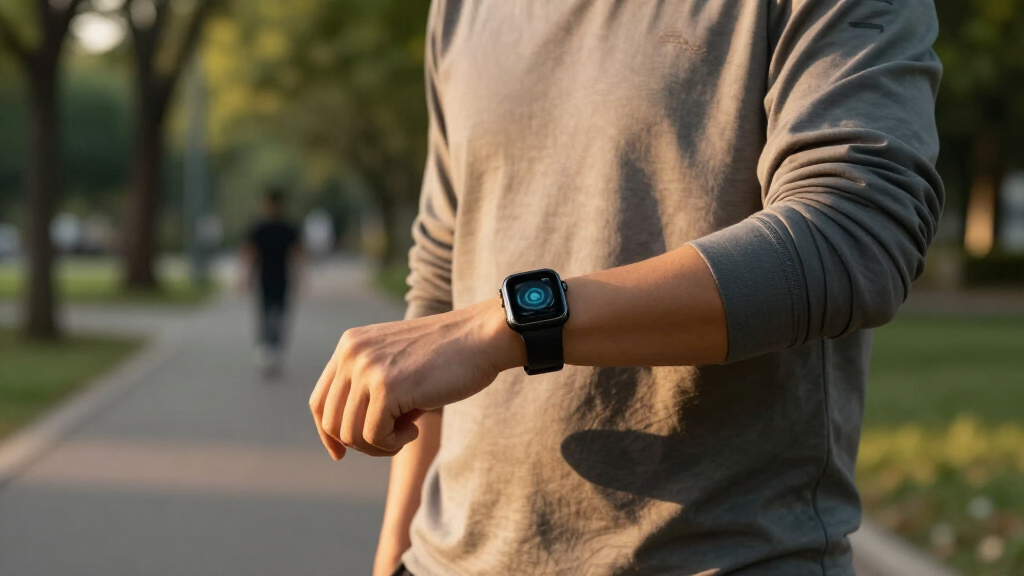

Searching for the best premium smartwatches in 2026 means deciding what “premium” actually means to you: the polished app ecosystem of a Samsung Galaxy Watch Ultra2, the battery life and training depth of a Garmin fēnix 8 Pro, or the everyday balance of the Garmin Venu 4, which I name best overall for combining a genuine luxury build with advanced fitness tracking and week-long battery. The biggest tradeoff in this category is simple: the smarter the watch, the shorter the battery, and vice versa. Samsung and Apple watches feel like wrist computers but need daily charging, while Garmin models can run for weeks yet handle notifications more casually. Price also splits the field sharply — several options here cost several times more than others. Read on for the full ranked breakdown and who each watch actually suits.

Get the latest gadgets delivered free with Prime
- Fast, free delivery on millions of items
- Prime Video, Amazon Music and more included
- Member-only deals all year
Complete the kit


Key Takeaways
- Ecosystem lock-in decided half the ranking: the Galaxy Watch Ultra2 and Watch 8 only make sense with Android phones, while Garmin and Amazfit models work cross-platform — a major factor if you switch phones.
- Battery life was the clearest dividing line in the lineup, ranging from roughly a day on Samsung‘s LTE models to multi-week endurance on the Garmin Instinct 3 Solar and fēnix 8 Pro.
- True premium materials (sapphire glass, titanium cases) appear on the fēnix 8 Pro, Galaxy Watch Ultra2, Forerunner 970, and Amazfit Active 2 — but sapphire alone doesn’t make a watch premium if the software lags.
- Two models in this list — the Garmin vívoactive 5 and Apple Watch SE 3 — are closer to mid-range devices, and I treat them as entry points rather than flagship picks.
- The Amazfit Active 2 and Active 3 proved the best value plays, delivering sapphire glass and GPS at a fraction of Garmin‘s pricing, at the cost of app polish and advanced training metrics.
| Garmin Instinct 3 Solar Rugged GPS Smartwatch, 50mm, Charcoal |  | Best for Battery-Hungry Adventurers | Display: 1.1 inches, solar charging | Case Size: 50 mm fiber-reinforced polymer with metal-reinforced bezel | Battery: Unlimited in smartwatch mode with solar charging | VIEW LATEST PRICE | See Our Full Breakdown |
| Garmin Venu 3S Premium Fitness Smartwatch, 41mm, French Gray | 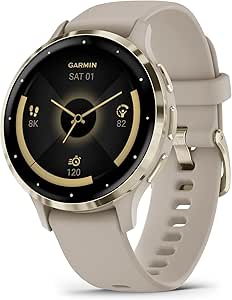 | Best Compact Health Watch | Size: 41mm | Display: Bright, colorful AMOLED | Battery Life: Up to 10 days | VIEW LATEST PRICE | See Our Full Breakdown |
| Garmin Forerunner 970, 47mm, Soft Gold Titanium, French Gray/Indigo |  | Best for Serious Runners and Triathletes | Display: AMOLED touchscreen, sapphire lens | Case: 47mm with titanium bezel | Battery Life: Up to 15 days smartwatch mode, 26 hours GPS mode | VIEW LATEST PRICE | See Our Full Breakdown |
| Samsung Galaxy Watch Ultra2 Smartwatch, 47mm, Titanium Gray, LTE |  | Best Connected Smartwatch for Android | Case: 47mm titanium, Titanium Gray | Connectivity: LTE | Display Brightness: Up to 5,000 nits | VIEW LATEST PRICE | See Our Full Breakdown |
| Amazfit Active 2 Premium Smart Watch, 1.32″ Sapphire Glass, GPS, iOS/Android Compatible |  | Best Value Premium Pick | Display: 1.32″ AMOLED with sapphire glass | Case: Stainless steel with leather strap plus silicone sport band | Battery Life: Up to 10 days typical use | VIEW LATEST PRICE | See Our Full Breakdown |
| Garmin fēnix 8, Sapphire, 43mm, Fog Gray/Dark Sandstone |  | Best for Serious Outdoor Athletes | Display: 1.3-inch AMOLED | Lens: Sapphire | Bezel Material: Steel or titanium | VIEW LATEST PRICE | See Our Full Breakdown |
| Garmin vívoactive 5 GPS Fitness Smartwatch, 42 mm, Black |  | Best Value Fitness Watch | Display: AMOLED | Case Size: 42 mm | Battery Life: Up to 11 days in smartwatch mode | VIEW LATEST PRICE | See Our Full Breakdown |
| Amazfit Active 3 Smartwatch with 1.32-Inch AMOLED Display, Sapphire Glass, and GPS |  | Best Budget Running Watch with Premium Glass | Display: 1.32-inch AMOLED | Glass: Sapphire | Frame: Stainless steel | VIEW LATEST PRICE | See Our Full Breakdown |
| Apple Watch SE 3 GPS 44mm Smartwatch with Midnight Aluminum Case and Sport Band | 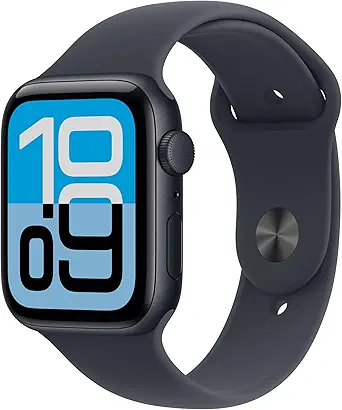 | Best Smartwatch Experience for iPhone Owners | Model: Apple Watch SE 3 | Case Size: 44mm | Case Material: Midnight Aluminum | VIEW LATEST PRICE | See Our Full Breakdown |
| Garmin Venu 4, Advanced Fitness Smartwatch, 45mm, Brown Leather |  | Best Style-Meets-Fitness Pick | Display: Bright, colorful AMOLED | Case Size: 45mm | Materials: Stainless steel case, brown leather band | VIEW LATEST PRICE | See Our Full Breakdown |
| Samsung Galaxy Watch Ultra (2024) 47mm LTE Titanium Silver Smartwatch |  | Best Rugged Everyday Pick | Case Size: 47mm | Material: Titanium | Connectivity: LTE | VIEW LATEST PRICE | See Our Full Breakdown |
| Garmin Forerunner 265 Running Smartwatch, 46 mm, Black/Powder Gray |  | Best for Runners on a Premium Budget | Display: AMOLED touchscreen | Case Size: 46 mm | Battery Life: Up to 13 days smartwatch mode; up to 20 hours GPS mode | VIEW LATEST PRICE | See Our Full Breakdown |
| Garmin fenix 8 Pro 47mm Sapphire Titanium Graphite/Black |  | Best for Off-Grid Adventurers | Case Size: 47 mm | Display: 1.4-inch AMOLED touchscreen | Lens: Scratch-resistant sapphire | VIEW LATEST PRICE | See Our Full Breakdown |
| Samsung Galaxy Watch Ultra (2025) LTE Smartwatch, Titanium Silver, 47mm |  | Best Premium Smartwatch for Android Users | Case Size: 47mm | Case Material: Titanium | Color: Titanium Silver | VIEW LATEST PRICE | See Our Full Breakdown |
| Samsung Galaxy Watch 8 (2025) 40mm Bluetooth Smartwatch – Graphite | 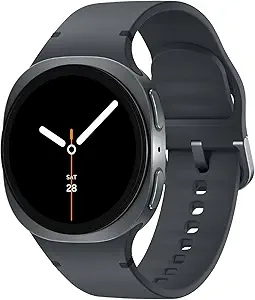 | Best Compact Health Tracker | Case Size: 40mm | Color: Graphite | Connectivity: Bluetooth | VIEW LATEST PRICE | See Our Full Breakdown |
| premium smartwatch | Display | Battery Life | Case Size | Water Resistance |
|---|---|---|---|---|
| Garmin Instinct 3 Solar Rugged | 1.1 inches, solar charging | — | 50 mm fiber-reinforced polymer with metal-reinforced bezel | 10 ATM |
| Garmin Venu 3S Premium Fitness | Bright, colorful AMOLED | Up to 10 days | — | — |
| Garmin Forerunner 970 | AMOLED touchscreen, sapphire lens | Up to 15 days smartwatch mode, 26 hours GPS mode | — | — |
| Samsung Galaxy Watch Ultra2 Sm | — | — | — | IP69K, 10ATM up to 100m |
| Amazfit Active 2 Premium Smart | 1.32" AMOLED with sapphire glass | Up to 10 days typical use | — | 50m |
| Garmin fēnix 8 | 1.3-inch AMOLED | Up to 10 days in smartwatch mode | — | 40-meter dive rating |
| Garmin vívoactive 5 GPS Fitnes | AMOLED | Up to 11 days in smartwatch mode | 42 mm | — |
| Amazfit Active 3 Smartwatch wi | 1.32-inch AMOLED | Up to 12 days | — | — |
| Apple Watch SE 3 GPS 44mm Smar | — | Up to 18 hours | 44mm | Water resistant |
| Garmin Venu 4 | Bright, colorful AMOLED | Up to 12 days | 45mm | — |
| Samsung Galaxy Watch Ultra | — | — | 47mm | 10ATM (up to 100m), IP68 |
| Garmin Forerunner 265 Running | AMOLED touchscreen | Up to 13 days smartwatch mode; up to 20 hours GPS mode | 46 mm | — |
| Garmin fenix 8 Pro 47mm Sapphi | 1.4-inch AMOLED touchscreen | Up to 15 days smartwatch mode | 47 mm | 40-meter dive rating |
| Samsung Galaxy Watch Ultra | — | — | 47mm | 10ATM |
| Samsung Galaxy Watch 8 | — | — | 40mm | — |
More Details on Our Top Picks
Garmin Instinct 3 Solar Rugged GPS Smartwatch, 50mm, Charcoal
This option stands out for one thing no other watch in this lineup can match: solar charging that effectively removes battery anxiety. While the Garmin fēnix 8 offers a richer display and the Galaxy Watch Ultra2 offers smarter connectivity, both still need regular charging — the Instinct 3 Solar keeps ticking through multi-week expeditions where a charger isn’t an option. The MIL-STD-810 build and 10 ATM rating mean it shrugs off abuse that would end a dressier watch like the Venu 3S. The tradeoff is the small 1.1-inch monochrome-style display, which feels utilitarian next to the AMOLED screens on the Forerunner 970 or Amazfit Active 2. This pick makes the most sense for buyers who prioritize endurance and durability over screen polish and app depth.
Pros:- Solar charging delivers effectively unlimited smartwatch-mode battery in good light
- MIL-STD-810 shock resistance and 10 ATM water rating for harsh conditions
- Built-in LED flashlight is genuinely useful outdoors
- Multi-band GPS with SatIQ keeps navigation accurate in canyons and forests
Cons:- Display is small and low-fidelity compared with AMOLED rivals
- Advanced features require smartphone pairing and Garmin Connect
- Health metrics are estimations, not medical-grade readings
Best for: Backpackers, thru-hikers, and outdoor workers who need weeks of battery away from a charger
Not ideal for: Buyers who want a bright, app-rich touchscreen experience — the display is small and function-first
- Display:1.1 inches, solar charging
- Case Size:50 mm fiber-reinforced polymer with metal-reinforced bezel
- Battery:Unlimited in smartwatch mode with solar charging
- Water Resistance:10 ATM
- Durability:MIL-STD-810 shock resistance
- Navigation:Multi-band GPS with SatIQ, 3-axis compass, barometric altimeter
- Extras:LED flashlight, Garmin Pay, incident detection
Our verdict“If your trips outlast your charger, this is the watch to buy; if you want a pretty screen, look elsewhere in this lineup.”
Garmin Venu 3S Premium Fitness Smartwatch, 41mm, French Gray
Where most watches in this roundup lean rugged or athletic, the Venu 3S carves out a niche as the compact, wellness-first option. At 41mm it fits wrists that the 47mm Forerunner 970 or 50mm Instinct 3 Solar simply overwhelm, and unlike the similarly sized Apple Watch SE 3, it delivers up to 10 days of battery instead of roughly a day. Health coverage is unusually broad — heart rate, HRV, stress, sleep, plus menstrual and pregnancy tracking — and the inclusion of wheelchair-specific activity modes sets it apart from every other watch here. Compared with the Amazfit Active 2 Premium, it offers deeper health analytics but a shorter feature list for the money. The tradeoffs: streaming music needs a paid subscription, and the smaller case means a smaller display for maps and data screens.
Pros:- Up to 10 days of battery life despite the compact 41mm case
- On-wrist phone calls and text replies
- Extensive health suite including HRV, stress, and cycle tracking
- Inclusive wheelchair activity modes rarely found elsewhere
Cons:- Music streaming requires paid Spotify, Amazon Music, or Deezer subscriptions
- Smaller display limits map and data readability
- Some metrics are estimates and can vary in accuracy
Best for: Buyers with smaller wrists who want deep everyday health tracking without charging nightly
Not ideal for: Serious athletes who need full-color maps and advanced training load tools — the Forerunner 970 is the better Garmin for that
- Size:41mm
- Display:Bright, colorful AMOLED
- Battery Life:Up to 10 days
- Health Monitoring:Heart rate, sleep, stress, HRV, menstrual cycle, pregnancy
- Connectivity:Phone calls, text responses, music storage, Garmin Pay
- Sports Apps:30+, including wheelchair activities
Our verdict“The Venu 3S is the pick for smaller wrists that still want big-watch health features and multi-day battery.”
Garmin Forerunner 970, 47mm, Soft Gold Titanium, French Gray/Indigo
This model is better suited to dedicated endurance athletes than anything else in the roundup. The AMOLED touchscreen with full-color maps fixes the biggest weakness of older Forerunners like the 265, while wrist-based running dynamics and multisport auto-transition mean triathletes can track a full race without extra accessories or manual lap presses. Compared with the Garmin fēnix 8, the titanium-bezel-and-sapphire-lens construction is lighter on the wrist during long runs, though less expedition-proof. Battery life of up to 15 days in smartwatch mode outlasts the Galaxy Watch Ultra2 by a wide margin, but drops to 26 hours in GPS mode — enough for an Ironman, tight for a multi-day ultra. The honest tradeoff is price and ecosystem: some features need added sensors, and the ECG app isn’t available in every country.
Pros:- Bright AMOLED touchscreen protected by sapphire lens
- Lightweight titanium bezel stays comfortable over long sessions
- Up to 15 days of battery in smartwatch mode
- Full-color maps plus built-in LED flashlight for early-morning runs
Cons:- High-end price point
- Some advanced features require additional sensors or accessories
- ECG app availability varies by country
Best for: Marathoners, triathletes, and data-driven runners who want race-level metrics and maps on a bright screen
Not ideal for: Casual fitness trackers — the running-specific tools are wasted money next to the cheaper vívoactive 5 or Venu 3S
- Display:AMOLED touchscreen, sapphire lens
- Case:47mm with titanium bezel
- Battery Life:Up to 15 days smartwatch mode, 26 hours GPS mode
- Navigation:Multi-band GPS with full-color maps
- Training:Wrist-based running dynamics, multisport auto-transition
- Extras:LED flashlight, ECG app, microphone and speaker for calls
Our verdict“If racing is the reason you’re buying, the Forerunner 970 justifies its premium; everyone else can save money lower in this list.”
Samsung Galaxy Watch Ultra2 Smartwatch, 47mm, Titanium Gray, LTE
Compared with the Garmin-heavy lineup here, the Galaxy Watch Ultra2 plays a different game entirely: it’s the most connected, most app-rich option. Built-in LTE lets you call and text without your phone, something no Garmin in this roundup can do, and the 5,000-nit display outshines every other screen here in direct sun — including the Forerunner 970’s AMOLED. The EN13319-certified dive computer from Mares gives it genuine water-sport credibility beyond the Instinct 3 Solar’s raw durability. The tradeoffs are real, though: battery life trails Garmin’s multi-day numbers by a wide margin, LTE can add carrier fees, and — the dealbreaker — it won’t pair with an iPhone at all. Some health features also work best inside the Samsung ecosystem, so non-Samsung Android owners should check compatibility before committing.
Pros:- Built-in LTE for calls and texts without a phone nearby
- Extremely bright 5,000-nit display readable in harsh sunlight
- IP69K and 10ATM build with EN13319 dive computer app
- Advanced health tracking including personalized heart score and sleep Vitals
Cons:- Not compatible with iOS devices
- Battery life falls well short of Garmin rivals
- LTE service may add recurring carrier costs
Best for: Android users, especially divers and outdoor athletes, who want standalone LTE connectivity and a brilliant screen
Not ideal for: iPhone owners — the watch is Android-only — and buyers who need week-long battery life between charges
- Case:47mm titanium, Titanium Gray
- Connectivity:LTE
- Display Brightness:Up to 5,000 nits
- Water Resistance:IP69K, 10ATM up to 100m
- Dive Features:EN13319-certified dive computer app by Mares
- Compatibility:Samsung and other Android smartphones
Our verdict“For Android users who want a true standalone smartwatch, this is the strongest connected pick — just charge it nightly.”
Amazfit Active 2 Premium Smart Watch, 1.32″ Sapphire Glass, GPS, iOS/Android Compatible
Amazfit’s pitch here is simple: premium materials and a full feature set without premium pricing. The sapphire glass and stainless steel case match the durability story of the Forerunner 970 at a fraction of the cost, and unlike Garmin or Samsung, the Zepp app is completely free with no subscription for maps, health data, or training features. Free offline maps with turn-by-turn navigation are a genuine surprise at this level — something even the pricier Venu 3S lacks. Compared with its sibling, the Active 3, the Premium version adds the sapphire lens, stainless case, and leather strap, which is where the value argument holds up. The compromises: voice replies via Zepp Flow only work on Android, 50m water resistance trails the Instinct 3 Solar’s 10 ATM, and onboard app depth can’t match the Galaxy Watch Ultra2.
Pros:- Sapphire glass and stainless steel build at an accessible price
- Free offline maps with turn-by-turn directions and ski resort guidance
- Up to 10 days of typical-use battery
- Works with both iOS and Android, no subscription required
Cons:- Voice-to-text message replies limited to Android
- 50m water resistance is lower than rugged rivals
- Third-party app ecosystem is shallow compared with Samsung or Apple
Best for: Budget-conscious buyers who want sapphire glass, GPS maps, and 10-day battery without subscription fees
Not ideal for: Deep-ecosystem users who live in apps and notifications — Wear OS and watchOS alternatives are far more capable
- Display:1.32″ AMOLED with sapphire glass
- Case:Stainless steel with leather strap plus silicone sport band
- Battery Life:Up to 10 days typical use
- GPS:5 satellite positioning systems
- Sports Modes:160+
- Water Resistance:50m
- Compatibility:iOS and Android via free Zepp app
Our verdict“The most watch for the least money in this roundup, provided you value tracking and battery over smart features.”
Garmin fēnix 8, Sapphire, 43mm, Fog Gray/Dark Sandstone
This option stands out as the most adventure-ready pick in the lineup, pairing a sapphire lens with a steel or titanium bezel that shrugs off the kind of abuse a trail ultra or dive trip delivers. The built-in LED flashlight and 40-meter dive rating are things no Apple Watch SE 3 or Garmin Venu 4 can match, and multi-band GPS with SatIQ keeps navigation accurate in canyons and forests where cheaper GPS watches drift. Ten days of battery means weeklong trips without a charger — a real advantage over the Apple Watch SE 3’s 18 hours.
The tradeoffs are real: it sits near the top of the price range, and the sheer depth of training and navigation features demands a learning curve the vívoactive 5 avoids. Some health features also vary by region.
Pros:- Sapphire lens and steel or titanium bezel built for harsh outdoor use
- Multi-band GPS with SatIQ for dependable navigation in difficult terrain
- Up to 10 days of battery supports extended adventures without charging
- Unique extras like a built-in LED flashlight and 40-meter dive rating
Cons:- Premium price that overshoots what most casual users need
- Deep feature set requires a real learning curve to use well
- Pulse Ox and ECG availability varies by region
Best for: Trail runners, backpackers, and multisport athletes who need rugged hardware, accurate navigation, and weeklong battery away from a charger
Not ideal for: Casual fitness trackers who mainly want step counts and notifications — the fēnix 8’s bulk, price, and complexity are wasted on everyday gym use
- Display:1.3-inch AMOLED
- Lens:Sapphire
- Bezel Material:Steel or titanium
- Battery Life:Up to 10 days in smartwatch mode
- GPS:Multi-band GPS with SatIQ technology
- Water Resistance:40-meter dive rating
- Health Monitoring:Heart rate, sleep, respiration, Pulse Ox
- Additional Features:Built-in speaker and mic, music storage, Garmin Pay, LED flashlight
Our verdict“If your weekends involve elevation gain, open water, or multi-day expeditions, this is the watch built to survive them — everyone else can save money elsewhere.”
Garmin vívoactive 5 GPS Fitness Smartwatch, 42 mm, Black
Compared with the Garmin Venu 4, the vívoactive 5 delivers the core Garmin health experience — sleep score, HRV status, stress tracking, and 30-plus sport apps — at a friendlier position on the price ladder. It even edges out pricier models on endurance with up to 11 days of battery, beating the Apple Watch SE 3 by nearly a week per charge.
What you give up is polish: no sapphire glass, no stainless case, and a lighter feel than the Amazfit Active 3’s metal-and-sapphire construction. It’s a practical all-rounder rather than a status piece, and health metrics remain estimates rather than clinical measurements — a caveat shared across the category but worth stating plainly here.
Pros:- Up to 11 days of battery in smartwatch mode
- More than 30 sports apps plus adaptive training plans
- Broad health tracking including sleep score, HRV status, and nap detection
- Phone-free music playback with wireless headphones
Cons:- Health metrics are consumer estimates, not medical-grade readings
- Materials and display feel less premium than sapphire-lens rivals
- Some music services require a separate account
Best for: Everyday fitness enthusiasts who want Garmin-grade sleep, stress, and workout tracking with long battery without paying flagship prices
Not ideal for: Buyers who want premium materials and a dressier look — the plastic-forward build and simpler screen won’t satisfy anyone upgrading from a Venu 4
- Display:AMOLED
- Case Size:42 mm
- Battery Life:Up to 11 days in smartwatch mode
- Sports Apps:More than 30 indoor and GPS sports apps
- Health Features:Wrist-based heart rate, sleep score, HRV status, stress tracking, nap detection
- Music:Music downloads with wireless headphone connection
- Accessibility:Wheelchair mode with push and handcycle tracking
Our verdict“This pick makes the most sense for buyers who want the substance of a Garmin without the flagship price — as long as premium materials aren’t a priority.”
Amazfit Active 3 Smartwatch with 1.32-Inch AMOLED Display, Sapphire Glass, and GPS
The Active 3 punches above its weight by combining a stainless steel frame and sapphire glass — materials usually reserved for watches costing far more — with offline maps and turn-by-turn routing. That navigation capability is something the Garmin vívoactive 5 doesn’t offer at all, and its 12-day battery outlasts both the vívoactive 5 and the Garmin fēnix 8 in this batch.
The catch is ecosystem depth. Route planning, coaching, and recovery insights lean heavily on the Zepp app, which isn’t as mature as Garmin Connect, and speech-to-text replies work only with Android — a dealbreaker consideration for iPhone owners comparing this against the Apple Watch SE 3. Running metrics are solid, but athletes chasing advanced training load tools will outgrow it faster than a Forerunner.
Pros:- Sapphire glass and stainless steel frame rarely found at this tier
- Offline maps with turn-by-turn directions and rerouting
- Six-satellite-system GPS for reliable route tracking
- Up to 12 days of battery life
Cons:- Speech-to-text replies are Android-only
- Core features and coaching depend on the Zepp app ecosystem
- Training analytics are shallower than Garmin’s platform
Best for: Runners on a budget who want sapphire durability, offline maps, and long battery without paying Garmin flagship prices
Not ideal for: iPhone users who want full smartwatch features like text replies, or data-driven athletes who need Garmin-level training analytics
- Display:1.32-inch AMOLED
- Glass:Sapphire
- Frame:Stainless steel
- GPS:Six satellite systems
- Battery Life:Up to 12 days
- Health Tracking:Heart rate, blood oxygen, stress, and sleep
- Connectivity:Bluetooth calling
- Compatibility:iOS and Android
Our verdict“A smart pick for Android-using runners who want premium materials and real navigation for less — skip it if you’re tied to an iPhone or need deep training data.”
Apple Watch SE 3 GPS 44mm Smartwatch with Midnight Aluminum Case and Sport Band
Where the Garmin options in this roundup are fitness watches first, the SE 3 flips that priority: it’s a genuine extension of your iPhone, with the smoothest notifications, app ecosystem, and safety features like fall detection in the batch. The always-on display and fast charging — up to eight hours of charge in 15 minutes — partially offset its biggest weakness compared with the Garmin vívoactive 5 or Amazfit Active 3.
That weakness is 18-hour battery, which means nightly charging and makes overnight sleep tracking awkward if you also want a morning workout. It also locks out Android users entirely, and it lacks the premium case materials of the fēnix 8. As a health-plus-daily-lifestyle device, though, nothing Garmin makes feels this frictionless.
Pros:- Deepest iPhone integration in the lineup for calls, apps, and notifications
- Always-on display for glanceable information
- Fast charging delivers 8 hours of use in 15 minutes
- Advanced health, sleep, and fall-detection features
Cons:- Up to 18 hours of battery — daily charging is mandatory
- Full functionality requires an iPhone
- Aluminum case lacks the rugged materials of sapphire-lens rivals
Best for: iPhone owners who prioritize seamless notifications, safety features, and app integration over multi-day battery
Not ideal for: Android users (it won’t pair) and endurance athletes who need a watch that survives a week away from a charger
- Model:Apple Watch SE 3
- Case Size:44mm
- Case Material:Midnight Aluminum
- GPS:Yes
- Battery Life:Up to 18 hours
- Charging:Fast charging, up to 8 hours in 15 minutes
- Water Resistance:Water resistant
- Band:Midnight Sport Band
Our verdict“For iPhone owners who live in notifications and want a polished daily companion, this is the easiest recommendation — anyone else should stick with Garmin or Amazfit.”
Garmin Venu 4, Advanced Fitness Smartwatch, 45mm, Brown Leather
The Venu 4 occupies the sweet spot between the sporty vívoactive 5 and the rugged fēnix 8: stainless steel construction, a vibrant display, and a brown leather band make it the one watch here that looks right with a blazer. Unlike the Apple Watch SE 3, it still delivers up to 12 days of battery while tracking heart rate, sleep coaching, stress, and Garmin’s Body Battery energy scoring.
Tradeoffs follow from its dressier identity. The leather band needs care and isn’t ideal for sweaty daily workouts the way silicone bands on the vívoactive 5 are, and its health readings are estimates — not medical data. Pulse Ox availability also varies by country. It’s less of an expedition tool than the fēnix 8 but far more refined for everyday and office wear.
Pros:- Stainless steel case and leather band give it genuine dress-watch appeal
- Up to 12 days of battery life with a bright, colorful display
- Deep health suite including Body Battery, sleep coaching, and fitness age
- Call management when paired with a smartphone
Cons:- Leather band requires maintenance and isn’t workout-friendly
- Health data is an estimation, not a medical-grade measurement
- Pulse Ox feature not available in all countries
Best for: Professionals and style-conscious buyers who want serious health tracking in a watch that passes at dinner and the office
Not ideal for: Heavy sweaters and outdoor athletes — the leather band isn’t built for daily training, and the fēnix 8 handles rugged use better
- Display:Bright, colorful AMOLED
- Case Size:45mm
- Materials:Stainless steel case, brown leather band
- Battery Life:Up to 12 days
- Health Monitoring:Heart rate, sleep, stress, Body Battery, fitness age, Pulse Ox
- GPS:Yes
- Features:Sleep coaching, health status alerts, activity tracking, call management
Our verdict“Buy this if you want one watch that tracks your health all week and still looks sharp on Friday night — choose the fēnix 8 if function beats style.”
Samsung Galaxy Watch Ultra (2024) 47mm LTE Titanium Silver Smartwatch
The 2024 Galaxy Watch Ultra made titanium ruggedness mainstream, and it remains a strong buy for anyone who wants a do-everything smartwatch without the mountaineering price of a Garmin fenix 8 Pro. Its 10ATM water resistance and IP68 rating mean pool swims and open-water workouts are covered, while Galaxy AI turns heart rate, sleep, and activity data into personalized wellness insights rather than raw numbers you have to interpret yourself. Compared with the Galaxy Watch 8, the Ultra trades slim comfort for durability and adds LTE, so you can leave your phone behind on runs. The tradeoff is real: full functionality leans heavily on Samsung Galaxy phones, so Pixel or other Android owners lose features. And unlike the Garmin Forerunner 265, battery life is not a headline strength here.
Pros:- Rugged titanium build rated for 100m water resistance and IP68 dust protection
- LTE connectivity lets you stream music, text, and call without your phone
- Galaxy AI delivers personalized sleep, heart rate, and performance insights
- Full smartwatch experience with apps, payments, and notifications
Cons:- Full feature set requires a compatible Samsung Galaxy phone
- Battery life is not a strength compared to Garmin options like the Forerunner 265
- Some features depend on network and app compatibility
Best for: Samsung Galaxy phone owners who want a durable, LTE-connected smartwatch that handles workouts, swimming, and everyday notifications in one device
Not ideal for: iPhone or non-Samsung Android users, since key features require a Galaxy device to work fully
- Case Size:47mm
- Material:Titanium
- Connectivity:LTE
- Water Resistance:10ATM (up to 100m), IP68
- Compatibility:Samsung Galaxy phones
- Health Features:Heart rate, sleep analysis, GPS, wellness insights
- Warranty:1 Year Manufacturer
Our verdict“A durable, connected all-rounder for Galaxy phone owners who swim, train, and want smart features on the wrist — but Garmin does battery life far better.”
Garmin Forerunner 265 Running Smartwatch, 46 mm, Black/Powder Gray
The Forerunner 265 sits in a sweet spot that the flashier Garmin Forerunner 970 overshoots: it delivers the bright AMOLED touchscreen, multi-band GPS with SatIQ, and genuine training-science features at a noticeably lower rung of the premium ladder. What separates it from the Samsung Galaxy Watch Ultra (2024) is intent — this is a watch built around training readiness and recovery insights, suggested workouts, and 30+ activity profiles, not apps and notifications. Battery life of up to 13 days in smartwatch mode means weekly charging instead of nightly, a real outcome for anyone tired of a dead watch by Thursday. The tradeoff is smartwatch polish: Garmin Pay availability varies by country, and safety features need your phone nearby with network coverage, unlike the LTE-enabled Galaxy options.
Pros:- Up to 13 days of battery life in smartwatch mode, 20 hours in GPS mode
- Multi-band GNSS with SatIQ for accurate routes in cities and under tree cover
- Training readiness, recovery insights, and personalized suggested workouts
- Physical buttons work reliably mid-run, paired with a vivid AMOLED touchscreen
Cons:- Safety and connected features require a paired smartphone with network coverage
- Garmin Pay support varies by country and payment network
- No LTE option for phone-free communication
Best for: Dedicated runners and triathletes who want AMOLED clarity and real training load guidance without paying flagship prices
Not ideal for: Buyers who want LTE calling and a full app ecosystem on the wrist, since this watch leans on a paired phone
- Display:AMOLED touchscreen
- Case Size:46 mm
- Battery Life:Up to 13 days smartwatch mode; up to 20 hours GPS mode
- GPS:Multi-band GNSS with SatIQ
- Activity Profiles:30+
- Payments:Garmin Pay
- Color:Black/Powder Gray
Our verdict“The smart pick for serious runners who value battery life and coaching depth over smartwatch extras.”
Garmin fenix 8 Pro 47mm Sapphire Titanium Graphite/Black
This is the ceiling of the lineup, and it earns that position with one feature nothing else here matches: built-in inReach satellite connectivity for messaging and SOS when there is no cell tower for miles. Add LTE, preloaded TopoActive maps, a scratch-resistant sapphire lens over a titanium bezel, a built-in LED flashlight, and a 40-meter dive rating, and the fenix 8 Pro covers scenarios the Galaxy Watch Ultra and Forerunner 265 simply cannot touch. The AMOLED display finally gives fenix buyers the vivid screen Garmin fans waited years for, and 15 days of battery keeps long expeditions realistic. But honesty requires the drawbacks: satellite and LTE features demand an active subscription, coverage varies by jurisdiction, and health metrics are estimations, not medical readings. This is a tool for people who genuinely go far off the grid.
Pros:- Built-in inReach satellite and LTE for messaging, SOS, calls, and LiveTrack without a phone
- Sapphire lens and titanium bezel with preloaded TopoActive, golf, and ski maps
- 40-meter dive rating plus built-in LED flashlight for outdoor versatility
- Up to 15 days of battery life with a bright 1.4-inch AMOLED display
Cons:- Satellite and LTE connectivity require an ongoing paid subscription
- Health tracking is for estimation only and is not a medical device
- Pulse Ox and some features are unavailable in certain countries
Best for: Backcountry hikers, expedition athletes, and divers who need satellite SOS, offline maps, and extreme durability in one watch
Not ideal for: Casual fitness trackers and city dwellers, since satellite and LTE features require paid subscriptions most everyday users will never activate
- Case Size:47 mm
- Display:1.4-inch AMOLED touchscreen
- Lens:Scratch-resistant sapphire
- Bezel:Titanium
- Connectivity:Built-in inReach satellite, LTE, GPS (subscription required)
- Battery Life:Up to 15 days smartwatch mode
- Water Resistance:40-meter dive rating
- Mapping:Preloaded TopoActive, golf, and ski resort maps
- Extras:LED flashlight, music storage, ECG app, HRV status
Our verdict“The ultimate off-grid companion — worth it only if satellite safety and full mapping justify the subscription and premium cost.”
Samsung Galaxy Watch Ultra (2025) LTE Smartwatch, Titanium Silver, 47mm
The 2025 Ultra refines the formula of its 2024 predecessor in ways that matter: dual-frequency GPS brings it closer to Garmin-level route accuracy, and an endurance-focused battery addresses the biggest complaint about the earlier model. Unlike the fenix 8 Pro, this watch skips satellite SOS but avoids forcing a subscription, and it opens the door to blood pressure monitoring and running coaching on the wrist alongside a wrist-based AI assistant. Compared with the smaller Galaxy Watch 8, the Ultra keeps LTE and 10ATM water resistance, making it the better pick for swimmers and phone-free workouts. The catch is calibration: blood pressure readings require a separately sold cuff before the feature works at all, and iPhone owners are locked out entirely.
Pros:- Dual-frequency GPS for accurate tracking around tall buildings and trails
- 10ATM water resistance handles swimming and high-speed water sports
- LTE connectivity plus blood pressure, sleep, and running coaching features
- Works with Samsung and other Android smartphones, not just Galaxy devices
Cons:- Blood pressure monitoring requires calibration with a separately sold cuff
- No iOS support at all
- Lacks the satellite SOS and offline mapping depth of the Garmin fenix 8 Pro
Best for: Android smartphone owners who want the most capable Samsung watch for swimming, phone-free runs, and health monitoring in one titanium package
Not ideal for: iPhone users, and anyone unwilling to buy a separate cuff to unlock blood pressure monitoring
- Case Size:47mm
- Case Material:Titanium
- Color:Titanium Silver
- Connectivity:LTE
- GPS:Dual-frequency
- Water Resistance:10ATM
- Compatibility:Samsung and other Android smartphones
Our verdict“The best premium smartwatch pick for Android users who want durability, LTE, and health tracking without a Garmin subscription.”
Samsung Galaxy Watch 8 (2025) 40mm Bluetooth Smartwatch – Graphite
Not everyone wants a 47mm titanium slab on their wrist, and the Galaxy Watch 8 makes a persuasive case for smaller and smarter. Its thinner, lighter design is the comfortable all-day and all-night option in this lineup — a real advantage for Advanced Sleep Coaching and Energy Score, since features that depend on wearing the watch to bed only work if the watch is pleasant to sleep in. Compared with the Galaxy Watch Ultra (2025), you give up LTE and the extreme water rating, but you keep blood pressure monitoring, Running Coach with real-time feedback, and the AI assistant. Against the Garmin Venu 3S, Samsung pulls ahead on ecosystem depth and coaching personalization, though Garmin still wins raw battery life. Budget for the caveat: blood pressure needs a separate calibration cuff, and iPhone users should look at an Apple Watch SE 3 instead.
Pros:- Thin, lightweight 40mm design comfortable enough for continuous sleep tracking
- Advanced Sleep Coaching, Energy Score with Galaxy AI, and heart rate monitoring
- Running Coach delivers real-time feedback with 5K to marathon training programs
- Cleaner interface and improved battery over the previous generation
Cons:- Blood pressure monitoring requires a separately sold cuff for calibration
- No iOS support and some features work best with Samsung devices
- Bluetooth only — no LTE option for phone-free connectivity
Best for: Android users with smaller wrists who prioritize comfortable 24/7 wear for sleep tracking and daily health insights over LTE and rugged features
Not ideal for: iPhone owners, and athletes who need LTE independence or extreme durability — the Ultra models fit those needs better
- Case Size:40mm
- Color:Graphite
- Connectivity:Bluetooth
- Compatibility:Samsung and other Android smartphones
- Health Features:Sleep coaching, Energy Score, heart rate, blood pressure
- Required Apps:Galaxy Wearable, Samsung Health, Samsung Health Monitor
- Warranty:2-Year Warranty
Our verdict“The best compact choice for Android users whose priority is round-the-clock comfort and sleep insights rather than rugged connectivity.”

How We Picked
I evaluated every watch through a premium lens: build materials, display quality, sensor accuracy, software maturity, and battery endurance. A premium watch should justify its price with something a mid-range model can’t replicate — whether that’s titanium construction, sapphire glass, a bright AMOLED screen, ECG-grade sensors, or genuinely useful training analytics. Watches that felt like repackaged budget devices ranked lower regardless of brand reputation.
Ranking also depended heavily on who each watch serves. LTE capability, smart-app depth, and voice assistants mattered more for everyday buyers; GPS accuracy, multisport support, and solar charging drove the rankings for athletes and outdoor users. Finally, I factored in ecosystem compatibility and long-term software support, because a premium purchase should stay capable for years, not months.
Factors to Consider When Choosing Best Premium Smartwatches
Before settling on a premium smartwatch, step back and think about how you’ll actually wear it day to day. The differences between these watches matter less on a spec sheet and more in daily habits.Ecosystem Compatibility Comes First
The single most expensive mistake in this category is buying a beautiful watch that doesn’t pair well with your phone. Samsung’s watches integrate deeply with Android but lose key features with iPhones, while Apple’s watches require an iPhone outright. Garmin and Amazfit sit in the middle, offering full functionality across both platforms but with less deep integration on either side. If you change phones every few years, that cross-platform flexibility has real long-term value. Ask yourself whether you want a watch that extends your phone or one that stands alone — the answer shapes everything else.
Battery Life Determines How You’ll Use It
Battery expectations are where premium buyers most often miscalibrate. A watch that lasts two days with always-on display behaves completely differently from one lasting three weeks: one becomes another device you charge nightly, the other disappears into your routine. LTE connectivity, GPS tracking, and bright screens all drain power quickly, so manufacturer figures usually assume the gentlest settings. If you track long hikes, ultramarathons, or multi-day travel, endurance isn’t a luxury — it’s the feature. Match the battery profile to your charging habits honestly, not optimistically.
Materials and Display Quality Define the Premium Feel
Sapphire glass resists scratches that would ruin ordinary glass within months, and titanium cases cut weight while resisting corrosion — but these features cost real money and aren’t always visible on a spec comparison. A dim display that’s unreadable in direct sunlight undermines everything else a watch does well. Brightness ratings around 2,000 nits or higher make outdoor readability genuinely effortless. Consider your environment too: a leather band, like the one on the Venu 4, looks elegant at the office but handles sweat poorly compared to silicone or nylon.
Fitness Depth Versus Smart Features
Every watch in this space claims to track everything, but the depth behind those claims varies enormously. Garmin’s higher-end models offer training load analysis, recovery time, and race predictors built on years of athletic data; Samsung and Apple lean harder into health monitoring, app ecosystems, and communication. Neither approach is wrong — they serve different definitions of a smartwatch. If you’d describe yourself as an athlete first, prioritize sensor accuracy and analytics. If the watch mostly needs to handle messages, payments, and casual fitness, smart features will matter more than VO2 max estimates.
Connectivity: Is LTE Worth It?
Cellular versions of smartwatches let you leave your phone at home and still take calls, stream music, and get messages — but they cost more, add battery drain, and usually require a monthly line on your carrier plan. Many buyers who pay for LTE end up disabling it within months once the novelty fades. LTE makes sense for runners who train phone-free, or for parents using family setup features. Everyone else should weigh whether that freedom justifies the recurring cost. Bluetooth-only models often deliver 90% of the experience at a lower total price.
When to Pay More — and When Not To
The jump from mid-range to genuinely premium pricing buys durability, longer software support, brighter displays, and more accurate sensors — but the returns flatten quickly past a certain point. A flagship outdoor watch makes sense if you’ll use its mapping and endurance features regularly; otherwise you’re paying for capability that sits idle. Equally, some buyers overspend on a titanium flagship when a lighter, cheaper model suits their wrist and routine better. Set a realistic budget based on usage frequency, not aspiration. The most expensive watch isn’t the best one if its strengths never match your habits.
Frequently Asked Questions
Should I choose a Garmin or a Samsung premium smartwatch?
It comes down to what the watch is for. Garmin models like the fēnix 8 Pro and Forerunner 970 are built around athletic training, GPS accuracy, and long battery life, but their smart features — app selection, voice assistants, on-watch replies — trail Samsung noticeably. The Galaxy Watch Ultra2 and Watch 8 feel like extensions of your phone with rich apps, calls, and a polished interface, but require charging daily and work best (or only) with Android. If you train seriously or spend days off-grid, Garmin wins; if you want a wrist computer first, Samsung wins. Also confirm phone compatibility before anything else, since Samsung watches lose major features outside Android.
Is sapphire glass really worth paying extra for?
For most premium buyers, yes — it’s one of the few upgrades you’ll notice years later. Sapphire resists the scratches that accumulate from desks, doorknobs, and gym equipment, keeping the display clear long after standard glass shows scuffing. The Amazfit Active 2 and Active 3 are notable for bringing sapphire to lower price points, which makes the premium-flagship markup on materials easier to question. The honest caveat: sapphire is slightly more prone to shattering on hard impacts than gorilla-style glass, and it says nothing about the rest of the build. Treat it as one signal of quality, not the whole story — a sapphire screen on a watch with weak software still isn’t a good buy.
Do I need LTE connectivity on a premium smartwatch?
Probably not, unless you have a specific phone-free habit. LTE lets your watch take calls, stream music, and receive messages independently, which genuinely helps runners, cyclists, and swimmers who train without a phone. The costs are real though: higher purchase price, faster battery drain, and typically a monthly carrier fee that adds up over the watch’s life. Many buyers who choose LTE quietly stop using it after a few months. If you almost always carry your phone, the Bluetooth versions of the Galaxy Watch Ultra models deliver nearly the same experience for less money overall.
Which watch in this lineup is best if I’m new to smartwatches?
The Apple Watch SE 3 and Garmin vívoactive 5 are the natural starting points, each for a different reason. The SE 3 offers the most beginner-friendly interface in the category with automatic setup and forgiving defaults, ideal if you use an iPhone. The vívoactive 5 teaches you Garmin’s fitness ecosystem at a lower cost, so upgrading later to a Venu 4 or fēnix feels familiar rather than foreign. What I’d avoid as a beginner is starting with a full outdoor flagship — the depth of menus and training features can feel overwhelming and goes unused. Learn your habits on a simpler watch, then pay for capability you’ve proven you need.
How important is watch size and case diameter for comfort?
More important than most buyers expect, because you wear the watch all day, every day. The difference between a 40mm case like the Galaxy Watch 8 and a 50mm model like the Garmin Instinct 3 affects weight, sleeve clearance, sleep comfort, and how the heart-rate sensor sits against your wrist — sensor contact directly impacts tracking accuracy. Smaller wrists generally suit cases under 44mm; larger cases carry bigger batteries and displays but can feel bulky at night or under dress shirts. Measure your wrist circumference before ordering, and check the band ecosystem too, since premium watches with proprietary bands lock you into that brand’s accessories. A slightly smaller watch you forget you’re wearing beats a feature-packed one you take off every evening.
Conclusion
After comparing all fifteen watches, the right choice depends less on which is “best” and more on which matches your habits. For best overall, the Garmin Venu 4 hits the sweet spot between luxury build, deep fitness tracking, and battery life that outlasts any full-smart watch. For best value, the Amazfit Active 2 Premium delivers sapphire glass, GPS, and cross-platform support at a price that embarrasses the flagships. For best pure premium, the Garmin fēnix 8 Pro and Samsung Galaxy Watch Ultra2 represent the two peaks of the category — unmatched endurance and mapping on one side, unmatched smart features and polish on the other.
For beginners, the Apple Watch SE 3 (iPhone users) or Garmin vívoactive 5 (everyone else) offers a gentle, affordable entry before committing to flagship pricing. For specific needs: runners should target the Garmin Forerunner 970 or Forerunner 265, outdoor adventurers the Instinct 3 Solar, Android users wanting a wrist computer the Galaxy Watch 8, and style-conscious everyday wearers the compact Venu 3S. Whatever you pick, let your phone ecosystem and charging tolerance make the decision — those two factors eliminate more options than any spec sheet.
Halloween Picks
halloween
As an affiliate, we earn on qualifying purchases.