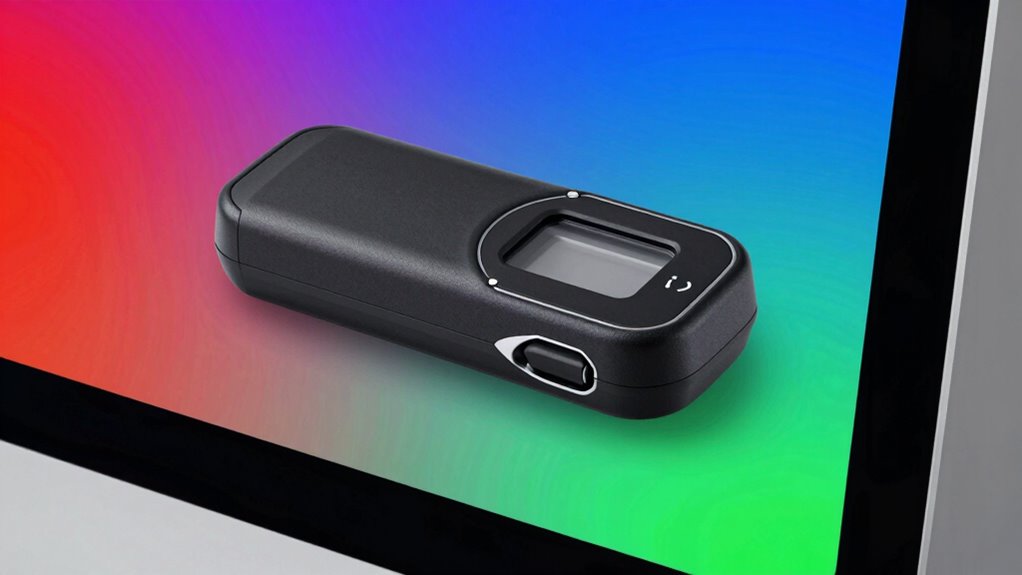

Choosing a monitor calibration colorimeter is essential for anyone needing precise color control, whether for professional photo editing, video production, or high-end graphic work. The Calibrite Display Pro HL stands out as the best overall due to its versatility across display types and reliable accuracy. For photographers and designers, the Datacolor Spyder5PRO offers a great balance of features and affordability. Meanwhile, the ASUS ProArt CaliContrO MCA02 appeals to professionals needing calibration up to extremely high brightness levels. The main tradeoffs revolve around cost, ease of use, and compatibility—higher-end models tend to be more precise but also more expensive. Continue reading for a detailed breakdown of each option to find your ideal fit.

Get the latest gadgets delivered free — and shop member deals
- Fast, free delivery on millions of items
- Access to Prime Big Deal Days deals on October 6–7
- Prime Video, Amazon Music and more included
Complete the kit



Key Takeaways
- The best calibration accuracy often comes with higher investment in premium models like the ASUS ProArt CaliContrO MCA02.
- Compatibility with different display types (LCD, OLED, Mini LED) varies significantly, influencing choice based on your hardware.
- Ease of use and software integration are critical for beginners, favoring models like the Calibrite Display Pro HL.
- Professional workflows demand calibration tools that support high brightness and wide color gamuts, narrowing options to premium picks.
- Price-to-performance ratios differ; some budget models deliver surprisingly good results for casual or entry-level use.
| Calibrite Display Pro HL Monitor Calibration Colorimeter for LCD, Mini LED, and OLED Displays |  | Best for High-End HDR and Bright Display Calibration | Display Brightness Measurement: up to 3000 nits | Display Types Supported: LCD, mini-LED, OLED | Connectivity: USB Type C | VIEW ON AMAZON | See Our Full Breakdown |
| Calibrite Creator Kit with Display 123 Colorimeter and ColorChecker Passport Video 2 |  | Best for Creative Professionals Seeking Versatile Color Management | Package Dimensions: 7.36 x 5.63 x 2.72 inches | Item Weight: 0.005 ounces | Includes: Display 123, ColorChecker Passport Video 2 | VIEW ON AMAZON | See Our Full Breakdown |
| Calibrite Display 123 Monitor Calibration Colorimeter for Photo Editing and Color Accurate Viewing |  | Best for Photographers and Creators Needing Easy Multi-Display Calibration | Supports: Up to 2 displays | Connection: USB C | Workflow: Easy 1-2-3 | VIEW ON AMAZON | See Our Full Breakdown |
| Calibrite Display Plus HL Monitor Calibration Colorimeter for Mini LED OLED and Bright Displays |  | Best for Ultra-Bright HDR and Professional Video Calibration | Max Luminance: 10,000 nits | Display Compatibility: Mini LED, OLED, HDR | Connectivity: USB Type C with USB A adapter | VIEW ON AMAZON | See Our Full Breakdown |
| Datacolor Spyder Monitor Calibrator & Screen Color Calibration Tool |  | Best for Versatile, User-Friendly Calibration Across Common Displays | Display Compatibility: OLED, mini-LED, Apple Liquid Retina XDR | Calibration Speed: Approximately 90 seconds | Connectivity: Battery powered (nonstandard) | VIEW ON AMAZON | See Our Full Breakdown |
| Datacolor Spyder5PRO – Designed for Serious Photographers and Designers |  | Best Overall for Advanced Color Accuracy | Calibration Time: about 5 minutes | Re-calibration Frequency: less than half an hour | Optical Engine: 7-detector patented | VIEW ON AMAZON | See Our Full Breakdown |
| Calibrite ColorChecker Display Pro (CCDIS3) |  | Best for Versatile Color Profiling Across Displays | Display Aspect Ratio: 16:9 | Display Finish: Matte | Display Type: LED | VIEW ON AMAZON | See Our Full Breakdown |
| Datacolor SpyderPro Monitor Calibrator & Screen Color Calibration Tool |  | Best for Seamless Multi-OS Calibration | Dimensions: 2.99 x 2.99 x 0.5 inches | Weight: 5 ounces | Supported Backlight Types: OLED, Mini LED, LCD | VIEW ON AMAZON | See Our Full Breakdown |
| Datacolor Spyder4Pro Colorimeter for Display Calibration |  | Best for High-Accuracy Creative Professionals | Sensor Type: Full-spectrum seven-color sensor | Calibration Features: Color, brightness, ambient light adjustment | Compatibility: Multiple display types including LED, CRT, tablets | VIEW ON AMAZON | See Our Full Breakdown |
| Datacolor Spyder4Elite S4EL100 Colorimeter for Display Calibration |  | Best for Photographers and Studios Needing Precision | Dimensions: 2.6 x 6 x 8 inches | Weight: 0.02 ounces | Sensor Type: Advanced multi-spectrum sensor | VIEW ON AMAZON | See Our Full Breakdown |
| ASUS ProArt CaliContrO MCA02 3-in-1 Colorimeter – Professional Color Calibrator, Hardware/Software Monitor Calibration up to 10000 nits, Display OSD Control, Dial, Adobe Software Compatible |  | Best for High-End Professional Calibration | Type: Colorimeter | Display Compatibility: LED, OLED, Mini-LED | Calibration: Hardware and Software | VIEW ON AMAZON | See Our Full Breakdown |
| Calibrite Video Photo Kit with Display Plus HL Colorimeter and ColorChecker Passport Video 2 |  | Best for Photo and Video Professionals | Includes: Calibrite Display Plus HL, ColorChecker Passport Video 2, accessories | Measurement Range: Up to 10,000 nits | Compatibility: Mini-LED, OLED, Apple XDR | VIEW ON AMAZON | See Our Full Breakdown |
| Datacolor SpyderExpress Monitor Calibrator & Screen Color Calibrator |  | Best for Quick, User-Friendly Calibration | Dimensions: 2.6 x 4.8 x 4.8 inches | Item Weight: 5 ounces | Calibration Speed: Approximately 90 seconds | VIEW ON AMAZON | See Our Full Breakdown |
More Details on Our Top Picks
Calibrite Display Pro HL Monitor Calibration Colorimeter for LCD, Mini LED, and OLED Displays
The Calibrite Display Pro HL stands out for its ability to measure luminance up to 3000 nits, making it ideal for calibrating high dynamic range displays, including OLED and mini LED screens. Compared with the Calibrite Display 123, which is more suited to standard photo editing, the HL model handles extreme brightness levels essential for professional video and HDR content. While it offers advanced validation and customizable profiling, it requires software installation and is priced higher, making it less accessible for casual users. Its support for multiple display types and HDR calibration makes it a powerful tool in professional workflows, but the complexity and cost are notable tradeoffs.Pros:- Measures up to 3000 nits for accurate HDR calibration
- Supports diverse display types including OLED and mini LED
- Provides detailed validation tools and customizable profiles
- Compatible with both Mac and Windows
Cons:- Requires software installation, adding setup complexity
- Higher price point may be prohibitive for casual users
- Limited to advanced professional calibration tasks
Best for: Professional video editors and colorists working with HDR and ultra-bright displays who need precise luminance control
Not ideal for: Casual users or hobbyists who don’t require high luminance measurement or advanced calibration features
- Display Brightness Measurement:up to 3000 nits
- Display Types Supported:LCD, mini-LED, OLED
- Connectivity:USB Type C
- Measurement Technology:High luminance sensor
- Calibration Software:Calibrite PROFILER
- Maximum Resolution:2560×1440
Our verdict“Best suited for professionals needing to calibrate high-brightness, HDR displays with precision and control.”
Calibrite Creator Kit with Display 123 Colorimeter and ColorChecker Passport Video 2
The Calibrite Creator Kit combines the Display 123 colorimeter with the ColorChecker Passport Video 2, offering a comprehensive solution for photographers and videographers. This kit simplifies calibration workflows, especially when ensuring consistent color and exposure across multiple devices, similar to what the Datacolor SpyderX series aims for but with more focus on content creation. The inclusion of video and photo tools makes it ideal for those needing both monitor calibration and accurate capture workflows. However, it lacks detailed compatibility info and may be pricier than single-purpose tools, which could deter casual users.Pros:- Includes both monitor calibration and capture control tools
- Facilitates consistent color and exposure across devices
- User-friendly workflow tailored for content creators
- Reliable for professional color management
Cons:- Limited info on software compatibility
- Price may be high for casual users
- No specific mention of multi-monitor support beyond basic use
Best for: Photographers and videographers who need reliable monitor calibration combined with camera color control tools
Not ideal for: Users seeking advanced HDR calibration or multi-monitor setups beyond basic consistency
- Package Dimensions:7.36 x 5.63 x 2.72 inches
- Item Weight:0.005 ounces
- Includes:Display 123, ColorChecker Passport Video 2
- Calibration Type:Monitor and camera exposure
- Connectivity:Not specified
- Intended Use:Photography and filmmaking workflows
Our verdict“Ideal for creative professionals needing integrated color calibration and capture workflow support.”
Calibrite Display 123 Monitor Calibration Colorimeter for Photo Editing and Color Accurate Viewing
The Calibrite Display 123 offers a straightforward calibration process for up to two screens, making it perfect for photographers managing dual monitors. Its easy 1-2-3 workflow streamlines calibration, similar to the simplicity found in the SpyderX Elite, but with a focus on color accuracy for editing. While it excels in user-friendly operation, its limitation to two displays restricts larger multi-monitor setups, and some users may find its features basic compared to high-end professional tools. The USB C connection supports newer hardware but could be incompatible with older systems.Pros:- Supports calibration for two displays, ideal for multi-screen workflows
- Simple, guided workflow reduces calibration time
- Provides accurate color correction with visual comparison
- Connects via USB C for modern devices
Cons:- Limited to two displays, not suitable for larger setups
- May not support older connection types
- Some users desire more advanced features
Best for: Photographers and creators with dual-monitor setups seeking quick, reliable color calibration
Not ideal for: Professionals requiring multi-monitor profiling beyond two screens or advanced calibration controls
- Supports:Up to 2 displays
- Connection:USB C
- Workflow:Easy 1-2-3
- Color Correction:Accurate with comparison view
- Weight:4.8 ounces
Our verdict“A practical choice for photographers needing quick, reliable dual-monitor calibration with minimal fuss.”
Calibrite Display Plus HL Monitor Calibration Colorimeter for Mini LED OLED and Bright Displays
The Calibrite Display Plus HL stands out for its ability to calibrate displays up to 10,000 nits, making it essential for high-end HDR and professional video work. Its advanced HL sensor ensures precise luminance measurements, surpassing the needs of most consumer devices like the SpyderX Elite. The included PROFILER software facilitates complex multi-monitor profiling and validation, but this sophistication comes with increased complexity and a steeper learning curve. Its focus on ultra-bright displays makes it less suitable for everyday use or standard photo editing, where simpler tools suffice.Pros:- Measures displays up to 10,000 nits for HDR accuracy
- Includes advanced validation and multi-monitor profiling tools
- Compatible with Mac and Windows
- Supports professional calibration workflows
Cons:- Complex setup and calibration process
- Designed primarily for professional use, may be overkill for casual users
- Higher cost and learning curve
Best for: Professional video editors and colorists working with HDR content and bright displays requiring detailed luminance calibration
Not ideal for: Casual users or hobbyists who do not need ultra-high luminance calibration or multi-monitor profiling
- Max Luminance:10,000 nits
- Display Compatibility:Mini LED, OLED, HDR
- Connectivity:USB Type C with USB A adapter
- Calibration Software:Calibrite PROFILER
- Display Size Support:75 inches
Our verdict“Best suited for professionals calibrating ultra-bright HDR displays and managing complex multi-monitor setups.”
Datacolor Spyder Monitor Calibrator & Screen Color Calibration Tool
The Datacolor Spyder series offers a reliable, straightforward calibration solution for a wide range of displays, including OLED, mini-LED, and Apple Liquid Retina XDR. Its quick calibration process (~90 seconds) and ambient light sensor make it accessible for users of all skill levels, competing with products like the Calibrite Display 123 but with broader device support. While it is easy to use and versatile, some advanced users may find its calibration options limited compared to professional-grade tools, and the need for a nonstandard battery adds minor inconvenience. Its simplicity and speed make it appealing for everyday professional use.Pros:- Compatible with OLED, mini-LED, and Liquid Retina XDR displays
- Fast calibration process (~90 seconds)
- Includes ambient light sensor for automatic brightness adjustment
- Suitable for both novices and experienced users
Cons:- Requires nonstandard battery, which may be inconvenient
- Limited advanced calibration features for demanding workflows
- Price details are not specified
Best for: Content creators and professionals seeking quick, reliable calibration for a variety of display types with easy operation
Not ideal for: High-end HDR workflows or multi-monitor professional setups requiring detailed calibration controls
- Display Compatibility:OLED, mini-LED, Apple Liquid Retina XDR
- Calibration Speed:Approximately 90 seconds
- Connectivity:Battery powered (nonstandard)
- Supports:Multiple display types
- Includes:Ambient light sensor
Our verdict“A versatile, easy-to-use tool ideal for quick calibration needs across a broad range of common displays.”
Datacolor Spyder5PRO – Designed for Serious Photographers and Designers
The Spyder5PRO stands out for its quick calibration time and precise room light monitoring, making it ideal for professionals who need reliable color accuracy without lengthy setup. Its portable design with a built-in lens cap adds convenience, especially for on-the-go workflows. Compared to the SpyderPro, it offers faster calibration but may require more careful lighting conditions for optimal results. The software features are user-friendly, but the device’s complexity might challenge casual users unfamiliar with calibration nuances. This pick makes the most sense for photographers and designers demanding high accuracy and portability.
Specs include calibration time of about 5 minutes, room light adjustment, a 7-detector optical engine, and a compact form factor.Pros:- Provides quick and accurate monitor calibration
- Includes room lighting adjustments for true color accuracy
- Portable design with built-in lens cap for convenience
Cons:- Requires proper lighting conditions for optimal calibration
- May be complex for casual users unfamiliar with calibration processes
Best for: Serious photographers and designers who need quick, reliable calibration on multiple devices
Not ideal for: Casual users or those calibrating infrequently, as the device demands careful lighting and calibration knowledge
- Calibration Time:about 5 minutes
- Re-calibration Frequency:less than half an hour
- Optical Engine:7-detector patented
- Portability:compact with built-in lens cap
- Features:Room light monitoring, display analysis, ‘Before and After’ evaluation
Our verdict“This is best suited for professionals who prioritize speed and precision in their calibration workflow.”
Calibrite ColorChecker Display Pro (CCDIS3)
The Calibrite ColorChecker Display Pro is tailored for professionals needing consistent color across various display types, thanks to its high repeatability and versatile design. Its rotatable diffuser arm and tripod mount make it adaptable to different working environments, unlike the Spyder5PRO which focuses more on speed and portability. While it excels in stability, its limited connectivity options and lack of detailed software info could hinder some workflows. This device is ideal for studio settings where repeatability and versatility are key.
Specs include a 16:9 aspect ratio, matte LED screen, 200 nits brightness, 1200 dpi measurement, and Bluetooth connectivity.Pros:- High repeatability for consistent color calibration
- Versatile with rotatable diffuser arm and tripod mount
- Easy to integrate with compatible calibration software
Cons:- Limited connectivity options (only one USB port)
- No detailed info on software features or updates
Best for: Color professionals managing multiple displays in studio or production environments
Not ideal for: Casual users or those needing a portable calibration device, due to its larger setup and specialized design
- Display Aspect Ratio:16:9
- Display Finish:Matte
- Display Type:LED
- Brightness:200 nits
- Measurements:1200 dpi or higher
- Connectivity:Bluetooth
Our verdict“This is ideal for professionals seeking stable, repeatable calibration in multi-display setups.”
Datacolor SpyderPro Monitor Calibrator & Screen Color Calibration Tool
The SpyderPro offers broad compatibility with Windows and macOS, supporting various backlight types, including OLED and Mini LED, making it suitable for diverse professional environments. Its user-friendly software streamlines calibration, but the necessity of a nonstandard battery and some user reports of issues might complicate long-term use. Compared with the Spyder4Pro, it provides a more modern, versatile interface but at a potentially higher maintenance cost due to battery needs. This pick is best for professionals needing reliable, cross-platform calibration with flexible display support.
Specs include dimensions of 2.99 x 2.99 x 0.5 inches, weight of 5 ounces, support for multiple backlight types, and compatibility with Windows and macOS.Pros:- Ensures accurate color calibration across multiple display types
- Supports a wide range of backlight technologies including OLED and Mini LED
- User-friendly software with multi-language support
Cons:- Requires a nonstandard battery which may be harder to replace
- Customer ratings indicate some users encounter issues
Best for: Professionals who need a flexible, easy-to-use calibration tool compatible across multiple operating systems
Not ideal for: Casual users or those on a tight budget, because of the nonstandard battery and potential software issues
- Dimensions:2.99 x 2.99 x 0.5 inches
- Weight:5 ounces
- Supported Backlight Types:OLED, Mini LED, LCD
- Compatibility:Windows and macOS
- Batteries:1 nonstandard battery required
Our verdict“This device suits professionals prioritizing cross-platform compatibility and display flexibility, despite some maintenance concerns.”
Datacolor Spyder4Pro Colorimeter for Display Calibration
The Spyder4Pro features a full-spectrum sensor that delivers high accuracy for multiple device types, including CRTs, laptops, and tablets, making it a versatile choice for creative professionals. Its ambient light adjustment and monitor quality analysis add depth to calibration but may be overly complex for casual users. Compared to the Spyder5PRO, it offers more advanced color management features but at the expense of a slightly more involved setup process. This option works best for users needing detailed color control and compatibility with older and newer screens.
Specs include a full-spectrum seven-color sensor, ambient light adjustment, compatibility with multiple display types, and a dedicated monitor quality analysis tool.Pros:- High accuracy and stability with advanced seven-color sensor
- Supports multiple display types and devices
- Includes ambient light sensor for true-to-life images
Cons:- Designed mainly for professional use, may be complex for novices
- Additional kit needed for TV calibration, increasing cost
Best for: Creative professionals who need precise, adaptable calibration across varied device types
Not ideal for: Beginners or casual users who prefer simple, plug-and-play calibration solutions
- Sensor Type:Full-spectrum seven-color sensor
- Calibration Features:Color, brightness, ambient light adjustment
- Compatibility:Multiple display types including LED, CRT, tablets
- Additional Tools:Monitor Quality Analysis (MQA)
- Recalibration:ReCAL feature
Our verdict“This device is ideal for professionals seeking detailed control and compatibility across numerous display types.”
Datacolor Spyder4Elite S4EL100 Colorimeter for Display Calibration
The Spyder4Elite provides advanced calibration for multiple displays, including projectors and tablets, with a focus on high accuracy and stability. Its fast recalibration feature supports ongoing color consistency, making it suitable for professional photographers and studios. However, with a relatively dated user review profile and limited recent updates, it may lag behind newer models like the SpyderPro in software integration. Compared to the SpyderPro, it emphasizes stability and precision over portability or ease of use. This device suits those who need detailed calibration control for a variety of professional applications.
Specs include dimensions of 2.6 x 6 x 8 inches, a weight of 0.02 ounces, support for multiple display types, and fast recalibration capabilities.Pros:- Provides precise color calibration for various display types
- Improved accuracy with advanced sensors
- Fast re-calibration for consistent results
Cons:- Customer ratings are mixed, indicating possible reliability issues
- High price for casual or infrequent calibrators
Best for: Pro photographers and studio environments requiring multi-device calibration with high stability
Not ideal for: Casual users or those seeking the latest tech features, due to its older design and limited recent updates
- Dimensions:2.6 x 6 x 8 inches
- Weight:0.02 ounces
- Sensor Type:Advanced multi-spectrum sensor
- Calibration Features:Color, brightness, ambient light
- Compatibility:Multiple display types including projectors
Our verdict“This is best for professionals who need robust, multi-display calibration with a focus on stability and accuracy.”
ASUS ProArt CaliContrO MCA02 3-in-1 Colorimeter – Professional Color Calibrator, Hardware/Software Monitor Calibration up to 10000 nits, Display OSD Control, Dial, Adobe Software Compatible
This model stands out for its ability to handle both hardware and software calibration for a wide range of high-end displays, including HDR monitors up to 10,000 nits. Compared to the Calibrite Display Plus HL, it offers more advanced control options like display OSD and ASUS Dial, making it ideal for precise, long-term color accuracy. However, its reliance on compatible software and complexity may overwhelm casual users or those with simpler needs. It’s best suited for professional environments where detailed calibration is paramount, but less so for everyday setup or casual editing. The support for multiple display technologies and comprehensive connectivity options justify its premium price, although the setup process can be more involved.Pros:- Supports both hardware and software calibration for long-term accuracy
- Compatible with multiple display types including HDR monitors up to 10,000 nits
- Intuitive control via display OSD, ASUS Dial, and shortcut keys
- Easy connectivity with USB-C and multiple video interfaces
Cons:- Requires specific calibration software, adding setup complexity
- Designed primarily for professionals, may be too advanced for casual users
- Limited to high-end monitors, not ideal for basic displays
Best for: Professional colorists and display calibration specialists who need precise control over high-end HDR monitors.
Not ideal for: Casual users or hobbyists seeking an easy plug-and-play solution, as the device’s complexity and high cost may be unnecessary.
- Type:Colorimeter
- Display Compatibility:LED, OLED, Mini-LED
- Calibration:Hardware and Software
- Supported OS:Windows, macOS
- Display Resolution:4096×2160 (4K DCI)
- Color Measurement Range:up to 10,000 nits
Our verdict“This is a top-tier choice for professionals needing detailed, hardware-involved calibration for high-brightness displays.”
Calibrite Video Photo Kit with Display Plus HL Colorimeter and ColorChecker Passport Video 2
This calibration kit makes the most sense for users who need precise color management across both monitors and cameras, especially in high-brightness environments like OLED and XDR displays. Compared with the SpyderExpress, which offers quick calibration for standard screens, the Calibrite Video Photo Kit provides a comprehensive set of tools tailored for content creators working in photo and video workflows. Its inclusion of the ColorChecker Passport Video 2 enhances color accuracy for camera matching, making it ideal for professional media production. Still, its complexity and higher price tag may deter casual users or those with simpler calibration needs. Overall, it’s best suited for those who prioritize color fidelity in professional media environments and are ready to invest in detailed calibration tools.Pros:- Provides precise calibration for high-brightness and high-dynamic-range displays
- Includes tools for camera matching and exposure control, streamlining professional workflows
- Supports a variety of display types including OLED and mini-LED
- Robust construction with protective cases for field use
Cons:- Limited customer reviews, making long-term reliability less certain
- Requires setup and software installation, adding complexity
- High cost may be prohibitive for casual or non-professional users
Best for: Photographers and videographers needing accurate display calibration and camera matching for high-end workflows.
Not ideal for: Casual users or hobbyists who only require basic display calibration without additional camera and video tools.
- Includes:Calibrite Display Plus HL, ColorChecker Passport Video 2, accessories
- Measurement Range:Up to 10,000 nits
- Compatibility:Mini-LED, OLED, Apple XDR
- Application:Monitor calibration, white balance, exposure, camera matching
- Weight:0.15 g
- Warranty:Manufacturer warranty
Our verdict“This kit is ideal for professionals in photo and video who need accurate, multi-device color management and are comfortable with detailed calibration procedures.”
Datacolor SpyderExpress Monitor Calibrator & Screen Color Calibrator
The SpyderExpress offers a straightforward, quick calibration process that makes it attractive for creators who need reliable color correction without fuss. Compared to the Calibrite Video Photo Kit, it emphasizes speed and ease of use, making it ideal for those with less technical expertise. Its ability to support the latest Liquid Retina XDR and mini-LED displays ensures it remains relevant for modern high-end screens, yet it’s limited to calibration and software upgrades without hardware improvements. The 90-second calibration makes it appealing for busy workflows, but some users may find the feature set lacking if they need more advanced color management or hardware control. This pick makes the most sense for users seeking a fast, effective calibration solution for multiple displays with minimal setup time.Pros:- Supports the latest Liquid Retina XDR and mini-LED displays
- Calibration completes in approximately 90 seconds, saving time
- Supports up to three displays per workstation
- Software upgrades unlock new features without needing hardware replacements
Cons:- Requires software setup, which may be complex for some users
- Limited hardware options—no advanced hardware controls or long-term stability features
- Some reviews suggest the need for more advanced customization
Best for: Content creators and professionals seeking fast, reliable calibration for high-end displays without complex hardware features.
Not ideal for: Users seeking hardware-based calibration, long-term color stability, or advanced control features beyond basic calibration.
- Dimensions:2.6 x 4.8 x 4.8 inches
- Item Weight:5 ounces
- Calibration Speed:Approximately 90 seconds
- Display Support:Liquid Retina XDR, mini-LED
- Number of Displays:Up to 3
- Warranty:See manufacturer details
Our verdict“This calibration tool is ideal for users who prioritize speed and simplicity while working with high-end displays, but it may lack the depth some professionals desire.”

How We Picked
Our selection process focused on performance, ease of use, build quality, and compatibility with a variety of display types. We prioritized products that offer consistent, accurate calibration results suitable for professional and hobbyist users alike. Durability and software support were also key factors, as well as how well each device balances cost against feature set. The ranking reflects a combination of calibration precision, user experience, and overall value, ensuring that each pick serves a specific user need—from beginners to advanced professionals.Factors to Consider When Choosing Monitor Calibration Colorimeter
When choosing a monitor calibration colorimeter, it’s important to consider several factors that impact your workflow and results. Not all devices are created equal, and understanding the nuances can help you avoid costly mistakes or underwhelming performance. Here are critical considerations to keep in mind before making your purchase.Compatibility with Display Types
Not all colorimeters work equally well across different display technologies like LCD, OLED, or Mini LED. Some models are optimized for specific types, while others offer broad compatibility. Ensuring your chosen device supports your display type will prevent inaccurate calibration results and save you from potential re-calibration or hardware upgrades later. It’s worth verifying the specifications to match your setup, especially if you work with high-end or professional-grade screens.
Calibration Accuracy and Software
The core purpose of a colorimeter is to provide precise calibration, but accuracy levels vary. High-end models often include advanced sensors and software that can handle wide color gamuts and high brightness levels, essential for professional photo or video work. Equally important is software usability—intuitive interfaces and reliable calibration routines reduce setup time and help maintain consistent results over time. Investing in a device with proven calibration accuracy can significantly impact your color-critical projects.
Ease of Use and Workflow Integration
For beginners or those who need quick results, user-friendly design and straightforward software matter greatly. Devices with guided calibration processes, clear instructions, and automated routines minimize errors. Conversely, more advanced users might prefer tools with granular control over calibration parameters. Consider your comfort level and how seamlessly the device integrates into your existing workflow, especially if you need to calibrate multiple displays regularly.
Cost and Value
Price ranges widely, from budget-friendly options to professional-grade tools costing several hundred dollars. While higher-priced models typically deliver better accuracy and build quality, they might be unnecessary for casual use. Conversely, opting for a cheaper device may save money upfront but could result in less reliable calibration, impacting your work quality. Balance your budget with your calibration needs, and remember that investing in a quality device often pays off through more consistent results and longer lifespan.
Calibration Features and Extras
Some colorimeters include additional features such as support for ambient light measurement, high brightness calibration, or multi-display calibration. These extras can be beneficial if you work in environments with varying lighting conditions or need to calibrate multiple displays. Consider whether these features align with your workflow or if a simpler, more straightforward device will suffice. Extra functionalities can add cost but may improve efficiency and accuracy in demanding scenarios.
Frequently Asked Questions
Can I use a monitor calibration colorimeter for gaming setups?
While a monitor calibration colorimeter can help achieve accurate color reproduction, its primary design is for color-critical work rather than gaming performance. If you want vibrant and true-to-life colors, calibration can improve visual consistency, but it won’t necessarily enhance gaming responsiveness or refresh rates. For general gaming, basic calibration might suffice, but for professional gaming or content creation, investing in a high-quality device makes sense.
How often should I recalibrate my display?
Recalibration frequency depends on your usage and environment, but a common recommendation is every 4-6 weeks for professional work to maintain color accuracy. Changes in ambient lighting, display aging, or software updates can affect calibration stability. Regular recalibration ensures consistent results, especially when working on color-sensitive projects or producing content for clients.
Is a more expensive colorimeter always better?
Not necessarily. While higher-end devices typically offer superior accuracy, more features, and broader compatibility, they might be overkill for casual or hobbyist use. Budget models often deliver decent calibration for everyday purposes, but if you require precise color matching for professional photography or design, investing in a premium device can provide better long-term value. Consider your specific needs before choosing based solely on price.
Do I need software to calibrate my monitor, or is the device enough?
Most monitor calibration colorimeters come with dedicated software that guides the calibration process and records results. The hardware alone isn’t sufficient—accurate calibration depends on reliable software routines and user interface. When selecting a device, ensure it includes software that is compatible with your operating system and offers the features you need, such as multi-point calibration or ambient light measurement.
Can a colorimeter calibrate multiple monitors at once?
Yes, many colorimeters support calibration of multiple displays, but the process is usually manual, requiring you to calibrate each screen individually. Some professional models include features to streamline multi-monitor setups. Keep in mind that calibration accuracy can vary across displays, especially if they have different technologies or age, so it’s best to calibrate each monitor separately for the most consistent results.
Conclusion
For most users, the Calibrite Display Pro HL offers a perfect blend of ease of use and reliable accuracy, making it the best overall choice. Professionals needing calibration up to extremely high brightness levels or wide color gamuts should consider the ASUS ProArt CaliContrO MCA02, which excels in demanding environments. Budget-conscious buyers or hobbyists might find the Datacolor SpyderExpress sufficient, providing solid performance at a lower cost. Beginners will appreciate the straightforward software of the Calibrite Creator Kit, while those with advanced needs should look at premium models for maximum precision. Ultimately, your choice depends on your specific display setup, workflow, and calibration requirements.
Fall Picks
fall essentials
As an affiliate, we earn on qualifying purchases.