
TL;DR
Fraunhofer ISE has increased the efficiency of its III-V germanium solar module from 34.2% to 34.4% using innovative shingle-matrix interconnection and space-grade cells. This marks a notable development in high-efficiency solar technology.
Fraunhofer ISE has increased the efficiency of its record-breaking III-V germanium solar module from 34.2% to 34.4%, utilizing shingle-matrix technology combined with space-grade solar cells, marking a significant advancement in high-efficiency solar photovoltaics.
The new efficiency record was achieved through the application of shingle-matrix technology, which involves cutting triple-junction cells into narrow strips and arranging them in an overlapping pattern to maximize active area utilization and reduce shading. Developed in collaboration with a mechanical engineering partner, this method eliminates the need for traditional metal ribbons, which can cause shading losses, and allows for direct cell-to-cell contact using electrically conductive adhesive (ECA).
Fraunhofer ISE adapted its triple-junction solar cells from Azur Space to the terrestrial spectrum, enhancing their performance for practical applications. The module also features anti-reflective front glass supplied by Temicon, further improving efficiency. This latest achievement builds on an earlier record of 34.2%, set earlier this year with an 833 cm² module based on similar space-grade cells.
In addition to this record, Fraunhofer ISE reported achieving 40% efficiency for indoor III-V solar cells based on indium gallium phosphide in July 2025, demonstrating ongoing progress in high-performance solar materials.
Implications of the 34.4% Efficiency Milestone
This efficiency milestone underscores significant progress in solar cell interconnection and material engineering, pushing the boundaries of what high-efficiency solar modules can achieve. The use of shingle-matrix technology reduces shading losses and enhances active area utilization, which could lead to more cost-effective, high-performance solar panels for both terrestrial and space applications. Such advancements may accelerate the adoption of ultra-efficient solar systems, especially in sectors where space and weight are critical factors, such as aerospace and high-end power generation.
Furthermore, this development highlights the potential for integrating space-grade solar technology into commercial modules, potentially influencing future industry standards and manufacturing practices. The achievement also demonstrates the viability of advanced interconnection techniques in improving module performance, which could influence the design of next-generation solar panels.
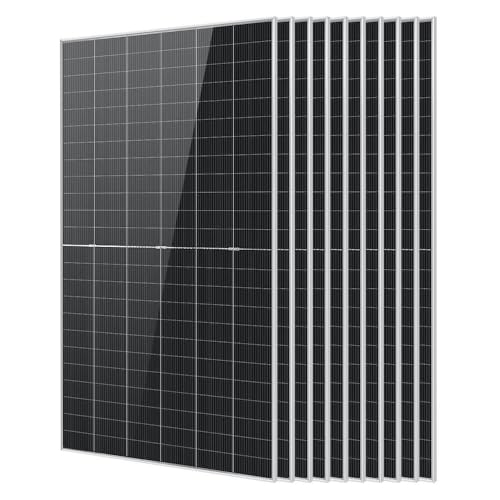
SUNGOLDPOWER UL61730 N-type 10PCS 590W Bifacial Solar Panels,16BB High Efficiency Monocrystalline Solar panel for Energy Storage,Charging Station, Household,On/Off Grid Solar System (10x590W Bifacial)
- High Efficiency: Generates up to 22.8% more energy
- Bifacial Technology: Harvests additional 30% energy rear
- High Tolerance: Durable in extreme weather conditions
As an affiliate, we earn on qualifying purchases.
As an affiliate, we earn on qualifying purchases.
Background on III-V and Germanium Solar Technology
III-V solar cells, composed of compound semiconductors such as indium gallium phosphide, are known for their high efficiency and are primarily used in space applications due to their robustness and performance under intense radiation. Germanium-based III-V modules are an extension of this technology, combining the high efficiency of III-V materials with the durability of germanium substrates.
Fraunhofer ISE has been at the forefront of developing high-efficiency solar modules, setting multiple efficiency records over recent years. The recent record of 34.2% was set earlier this year, and the current achievement of 34.4% builds on this progress by refining cell interconnection methods. The use of shingle-matrix technology, initially developed for space applications, has now been adapted for terrestrial modules, representing a key step toward commercial viability.
This progress aligns with industry trends toward higher efficiency and better utilization of active area, driven by the need for more power from limited space and the push for renewable energy sources with lower costs.
“The implementation of shingle-matrix technology has allowed us to significantly improve the active area utilization and reduce shading losses, leading directly to higher efficiencies.”
— an anonymous researcher from Fraunhofer ISE
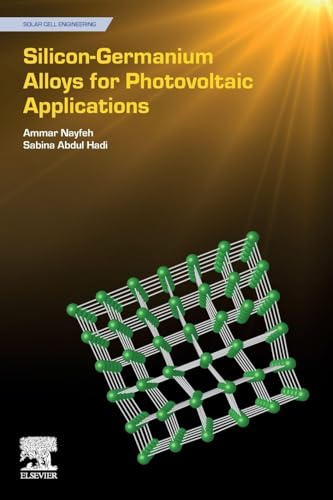
Silicon-Germanium Alloys for Photovoltaic Applications (Solar Cell Engineering)
As an affiliate, we earn on qualifying purchases.
As an affiliate, we earn on qualifying purchases.
Outstanding Questions About Commercial Application
It remains unclear how soon shingle-matrix technology will be adopted in mass-produced commercial modules and whether the manufacturing process can be scaled cost-effectively. Additionally, the long-term durability and performance of these modules under real-world conditions are still to be validated.
As an affiliate, we earn on qualifying purchases.
Next Steps for High-Efficiency Solar Module Development
Fraunhofer ISE is likely to focus on scaling the shingle-matrix manufacturing process and testing the modules in real-world environments to assess long-term performance. Further research may also explore integrating this technology with other high-efficiency materials and expanding its application scope.
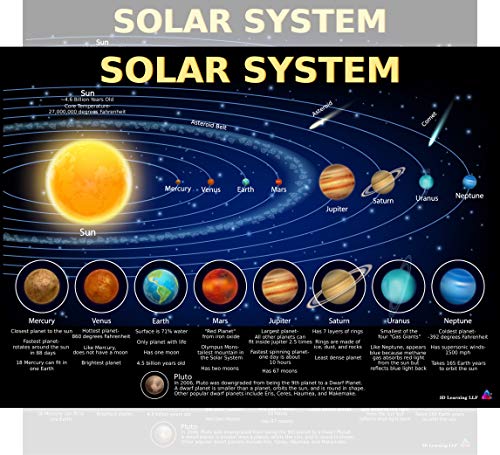
Solar System Poster for Kids – Laminated 14×19.5 – Educational Chart, Classroom Decoration, Back to School Supplies, Learning Poster for Preschool, Kindergarten, Elementary, and Virtual Learning, Space Decor for Bedroom
- Best Value: High quality at an affordable price
- Colorful Design: Adds dimension and vibrant colors
- Made in USA: Printed and hand-packed in the USA
As an affiliate, we earn on qualifying purchases.
As an affiliate, we earn on qualifying purchases.
Key Questions
What is shingle-matrix technology?
Shingle-matrix technology involves cutting triple-junction cells into narrow strips, overlapping them in a shingle pattern, and bonding them with conductive adhesive to improve active area utilization and reduce shading losses.
How does this efficiency compare to standard silicon panels?
Standard silicon panels typically have efficiencies around 20-23%, whereas this high-efficiency III-V germanium module achieves over 34%, representing a significant performance increase.
When might this technology be commercially available?
While promising, it is not yet clear when shingle-matrix modules will be mass-produced and commercially available, as further scaling and durability testing are needed.
What are the advantages of using space-grade solar cells?
Space-grade solar cells are highly durable and efficient, making them suitable for high-performance applications, but their integration into terrestrial modules aims to leverage their superior efficiency for commercial use.
Source: PV Magazine