
TL;DR

Get the latest gadgets delivered free — and shop member deals
- Fast, free delivery on millions of items
- Access to Prime Big Deal Days deals on October 6–7
- Prime Video, Amazon Music and more included
The sun has released 10 solar flares in 24 hours, accompanied by several CMEs likely to reach Earth. Forecasters predict heightened geomagnetic activity and potential auroras this weekend, though the exact impact remains uncertain.
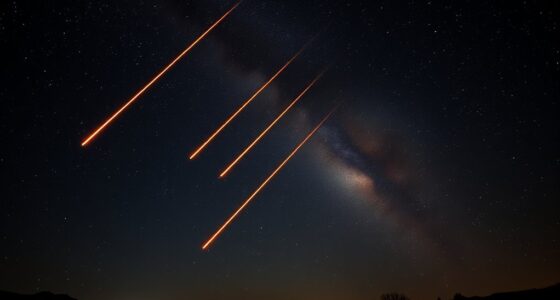
The sun has emitted 10 solar flares in the past 24 hours, with several accompanied by coronal mass ejections (CMEs) that appear to be at least partially Earth-directed. This surge of solar activity has prompted space weather forecasters to predict increased geomagnetic activity, potentially leading to visible auroras across parts of the northern United States and beyond.
According to NOAA’s Space Weather Prediction Center, at least one CME from July 1 shows an Earth-directed component. The agency is currently analyzing additional CMEs from the recent flurry of eruptions, which include multiple M-class solar flares and an X-class flare on June 30. Forecasters estimate that the first CME could arrive before 8 a.m. EDT on July 3, with the possibility of G2 or stronger geomagnetic storm conditions if the magnetic orientation of the CMEs aligns favorably with Earth’s magnetic field.
Solar physicist Tamitha Skov described the recent activity as a ‘machine-gun sun,’ noting that more than five solar storms are heading toward Earth, with at least three offering ‘good chances’ for aurora displays. The rapid succession of eruptions has complicated modeling efforts, as NOAA and NASA models have yet to fully incorporate all the recent storms. The ongoing activity has heightened anticipation for potential auroras during the upcoming July 4 weekend, especially if the incoming CMEs interact constructively with Earth’s magnetic field.
Implications of Increased Solar Storm Activity for Earth
This surge in solar activity is significant because it increases the likelihood of geomagnetic storms, which can disrupt satellite operations, communication systems, and power grids. Additionally, heightened geomagnetic activity improves the chances for northern lights to be visible at lower latitudes than usual, offering a rare opportunity for aurora viewing in parts of the northern U.S. and other regions. The potential for strong storms depends heavily on the magnetic orientation of the CMEs upon arrival, which remains uncertain at this stage.
As an affiliate, we earn on qualifying purchases.
Recent Solar Activity and Its Impact on Earth
Over the past 24 hours, the sun has been exceptionally active, firing off 10 solar flares, including an X1.1 flare on June 30. Several of these eruptions have been accompanied by CMEs, which are large expulsions of solar plasma and magnetic fields. Previous solar activity has shown that such eruptions can lead to geomagnetic disturbances on Earth, especially when CMEs are directed toward our planet. Forecast models are still refining predictions, but the recent pattern indicates an increased risk of space weather effects during the coming days.
“The recent flurry of solar activity resembles a ‘machine-gun sun,’ with multiple eruptions heading our way, increasing the chances of auroras and geomagnetic storms.”
— an anonymous researcher
As an affiliate, we earn on qualifying purchases.
Uncertainties in CME Arrival and Impact Strength
It remains unclear exactly how many of the recent CMEs will reach Earth and how strong their effects will be. The magnetic orientation of the CMEs, which determines their potential to cause geomagnetic storms, is still being analyzed. Modeling the interactions of multiple CMEs arriving in quick succession is complex, and forecasts could change as new data becomes available.
As an affiliate, we earn on qualifying purchases.
Upcoming Space Weather Developments and Monitoring
Space weather agencies will continue to monitor incoming CMEs and refine their impact forecasts. The first CME could arrive before 8 a.m. EDT on July 3, with the potential for geomagnetic storm conditions during the weekend. Auroras may be visible across parts of the northern U.S., especially if the magnetic fields align favorably. Observers are advised to stay alert to updates and prepare for possible disruptions or natural light displays.
As an affiliate, we earn on qualifying purchases.
Key Questions
How likely are auroras to be visible in the northern U.S.?
Forecasts suggest moderate geomagnetic storm conditions tonight, increasing the chance of auroras being visible, especially in northern states like New York and Idaho, if skies are dark and clear.
Will all the solar storms reach Earth?
No, not all eruptions are necessarily directed toward Earth. While some CMEs are likely to impact our planet, the exact number and strength are still being analyzed.
What are the risks of these solar storms?
Potential risks include disruptions to satellite communications, navigation systems, and power grids, especially if stronger geomagnetic storms occur.
How long will the effects last?
The most intense geomagnetic activity could last for several hours to a day, depending on the strength and magnetic orientation of the incoming CMEs.
Should I prepare for possible disruptions?
Yes, if you rely on satellite or power systems, stay informed about space weather alerts and take precautions as recommended by authorities.
Source: Google Trends
Fall Picks
fall essentials
As an affiliate, we earn on qualifying purchases.