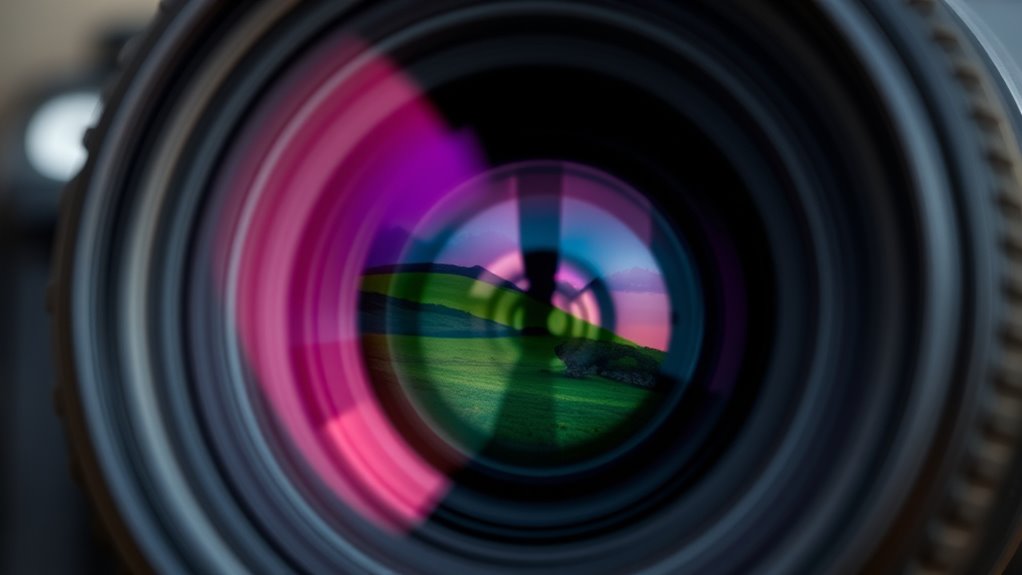

Lens design considerably impacts how much focus breathing you’ll notice when changing focus. Some lenses use special elements or focusing mechanisms to minimize framing shifts, offering more stability during focus pulls. Older or budget lenses tend to exhibit more noticeable breathing because of their simpler designs. By understanding how lens construction influences depth of field and distortion, you can choose better gear for consistent shots. Keep exploring, and you’ll uncover even more ways to improve your focus control.
Key Takeaways
- Lens design influences focus breathing by controlling how lens elements move during focus adjustments.
- Specialized lens elements and focusing mechanisms can minimize framing shifts caused by focus breathing.
- Older or budget lenses typically exhibit more focus breathing due to less sophisticated design.
- Design choices that reduce optical distortion help maintain consistent framing during focus changes.
- Selecting lenses engineered for minimal focus breathing improves stability and image consistency in video and photography.
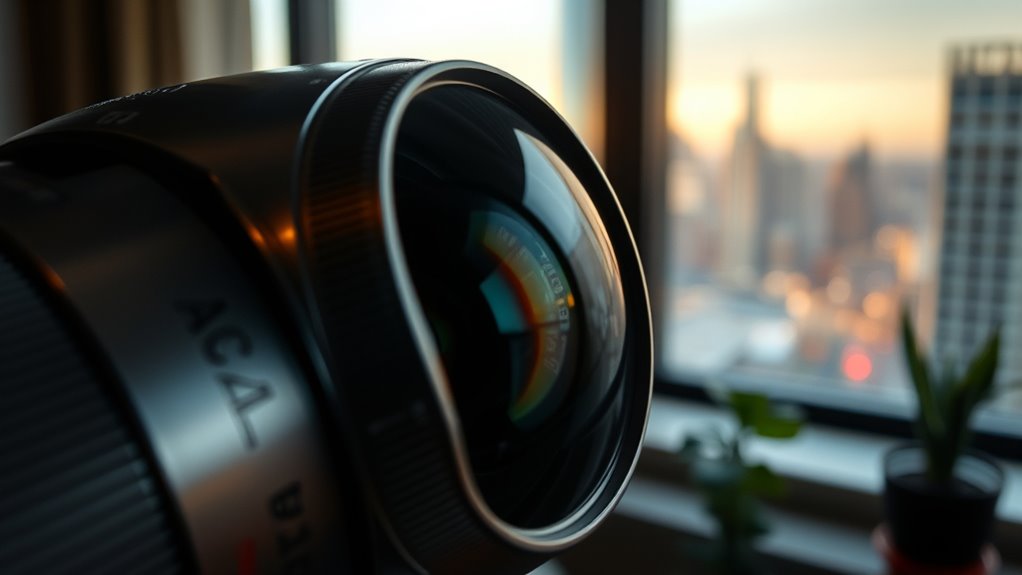
Have you ever noticed how your camera’s focus changes slightly when you zoom in or out? That subtle shift in framing is a common experience, and it’s closely linked to a phenomenon known as focus breathing. When you adjust focus, especially during video recording or when changing focal lengths, your lens can cause the framing to subtly shift. This isn’t just a minor annoyance; it’s rooted in the complex design of the lens itself. The way a lens is built affects how it handles depth of field and optical distortion, both of which influence focus breathing.
Depth of field plays a significant role here. When you focus on a subject, the depth of field determines how much of the scene appears sharp. As you adjust focus, particularly in lenses with a narrow depth of field, tiny changes in the lens elements can cause noticeable shifts in framing. This is because the lens elements move slightly to bring different parts of the scene into focus, and this movement can alter the angular view. The result? Your shot might seem to zoom in or out, even if you’re not changing the focal length. This effect is more prominent in lenses with longer focal lengths, where the depth of field is shallower, making focus breathing more apparent.
Focusing adjustments in shallow-depth lenses can cause framing shifts, making your shot appear to zoom in or out.
Optical distortion is another factor that contributes to focus breathing. Every lens has inherent optical imperfections—distortions that slightly bend or stretch the image. During focus adjustments, changes in the optical path can amplify these distortions, leading to the perception of framing shifts. Certain lens designs, like zoom lenses or those with complex element arrangements, are more prone to optical distortion. When focus is shifted, these distortions can alter the field of view subtly, causing the frame to appear to move or change perspective. This effect can be distracting, especially in professional videography where consistent framing matters.
The design of the lens influences how much focus breathing occurs. Some lenses are engineered to minimize this effect, employing specialized elements or focusing mechanisms to keep the framing stable. Others, particularly older or budget lenses, tend to exhibit more pronounced focus breathing because they lack these enhancements. Understanding how your lens’s design impacts depth of field and optical distortion helps you anticipate and manage focus breathing. If you’re shooting video or trying to maintain precise framing, choosing lenses with minimal focus breathing can make a big difference. Recognizing these underlying factors enables you to better control your image’s consistency and quality, even as focus shifts.
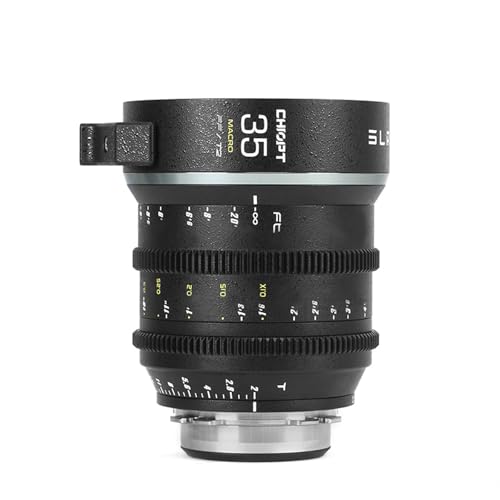
CHIOPT Slasher 35mm T2.0 Cine Lens, Wide-Angle Full-Frame Cinema Lens for PL Mount Cameras, Manual Focus, Macro Prime, Minimal Breathing
Cine-Style Manual Control: Designed for professional filmmakers, this 35mm T2.0 macro prime lens offers smooth rack focus with…
As an affiliate, we earn on qualifying purchases.
As an affiliate, we earn on qualifying purchases.
Frequently Asked Questions
How Can I Minimize Focus Breathing in My Footage?
To minimize focus breathing in your footage, start by ensuring proper lens calibration, which helps maintain consistent framing during focus shifts. Also, control your aperture carefully—using a narrower aperture reduces lens breathing effects. When adjusting focus, do so smoothly and gradually. Investing in lenses designed specifically to reduce focus breathing can make a big difference, giving you steadier, more professional-looking shots without distracting frame changes.
Does Focus Breathing Affect Video or Only Still Photography?
Focus breathing affects both video and still photography, but it’s more noticeable in video because you often change focus during a shot. Lens design plays a key role; some lenses are built to minimize focus breathing, preserving framing and maintaining video quality. When choosing lenses for video, look for those specifically designed to reduce focus breathing, ensuring smooth focus transitions and professional-looking footage.
Are There Specific Lens Brands Known for Less Focus Breathing?
When choosing lenses, you might wonder which brands are known for less focus breathing. Some lens manufacturing companies, like Zeiss and Sigma, have a strong brand reputation for producing lenses with minimal focus breathing. These brands prioritize optical quality and innovative design, helping you maintain better framing during focus shifts. By selecting lenses from reputable manufacturers, you can reduce focus breathing issues and improve your overall video and photography experience.
Can Focus Breathing Be Corrected During Post-Production?
You can correct focus breathing during post-production with lens calibration and software correction. While it’s challenging to eliminate entirely, adjusting footage with specialized tools helps minimize the effect. You’ll need to use editing software that offers lens correction features, allowing you to fine-tune focus shifts and stabilize framing. Keep in mind, though, that some subtle breathing may remain, but proper calibration and software adjustments can markedly improve your final video quality.
How Does Focus Breathing Impact Cinematic Storytelling?
Focus breathing can feel like a ripple across your cinematic pond, subtly shifting your scene’s depth of field and focal length. It impacts storytelling by distracting viewers or breaking immersion, especially during dialogue or camera moves. When focus shifts unexpectedly, it pulls your audience out of the moment, making your visuals less seamless. Controlling focus breathing ensures your story remains as fluid and enthralling as a well-choreographed dance.
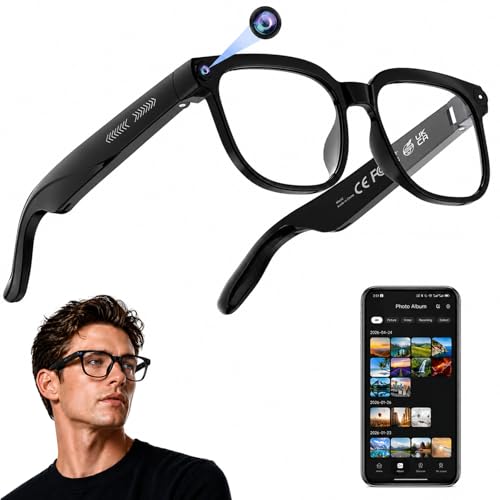
AI Smart Glasses with Camera, 4K HD Video & Photo Capture, Real-Time Translation, Recording Glasses with AI Assistant, Open-Ear Audio, Object Recognition, Bluetooth, for Travel (Transparent Lens)
【AI Real-Time Translation & ChatGPT Assistant】AI glasses break language barriers instantly with AI real-time translation. The built-in ChatGPT…
As an affiliate, we earn on qualifying purchases.
As an affiliate, we earn on qualifying purchases.
Conclusion
Understanding focus breathing reveals how lens design subtly influences your framing, much like a painter choosing colors shapes their canvas. While the technical aspect may seem minor, it profoundly impacts your storytelling, blending precision with artistry. Just as a delicate brushstroke can transform a scene, thoughtful lens choices shape your vision. Embrace this balance, and you’ll craft images that are both technically flawless and emotionally compelling—where science and art meet in perfect harmony.

MIAO LAB 28X HD Telephoto Lens for iPhone/Samsung/Android | High Power Telephoto Camera Lens, Universal Smartphone Compatibility
Upgraded 28x Telephoto Lens for Smartphones: Overcome your phone's distance limitations with high-resolution 28x telephoto lens, delivering crisp…
As an affiliate, we earn on qualifying purchases.
As an affiliate, we earn on qualifying purchases.

SF,HD870A Optical Pick up Lens Replacement, compatible for DVD, and long serving life, black 5cm
[ Replacement] An excellent replacement for worn,out or damaged lenses, restoring your device's functionality efficiently.
As an affiliate, we earn on qualifying purchases.
As an affiliate, we earn on qualifying purchases.