
To construct a polarized light box for minerals, start with a bright, LED light source and mount polarizing filters on adjustable frames for proper alignment, ensuring they’re perpendicular for maximum polarization. Use a sturdy stage or platform to hold samples securely and incorporate magnification tools for detailed observation. Keep the environment well-lit without ambient sunlight. Fine-tune the filters and sample angles to observe optical effects. If you keep exploring, you’ll discover more tips for perfecting your setup.
Key Takeaways
- Use a bright, consistent LED light source with polarizing filters on adjustable frames for proper polarization.
- Mount polarizing filters perpendicular to each other to achieve effective polarization.
- Secure samples on a sturdy, adjustable stage to observe optical properties at various angles.
- Incorporate magnification tools like microscopes to observe interference colors and optical effects clearly.
- Maintain consistent lighting and fine-tune filter angles for optimal visualization of mineral optical properties.
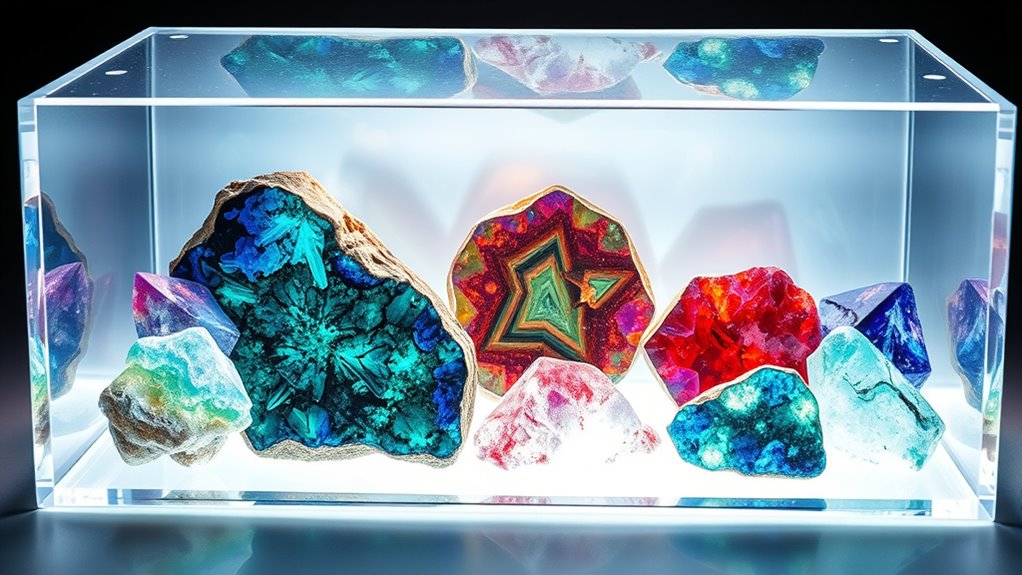
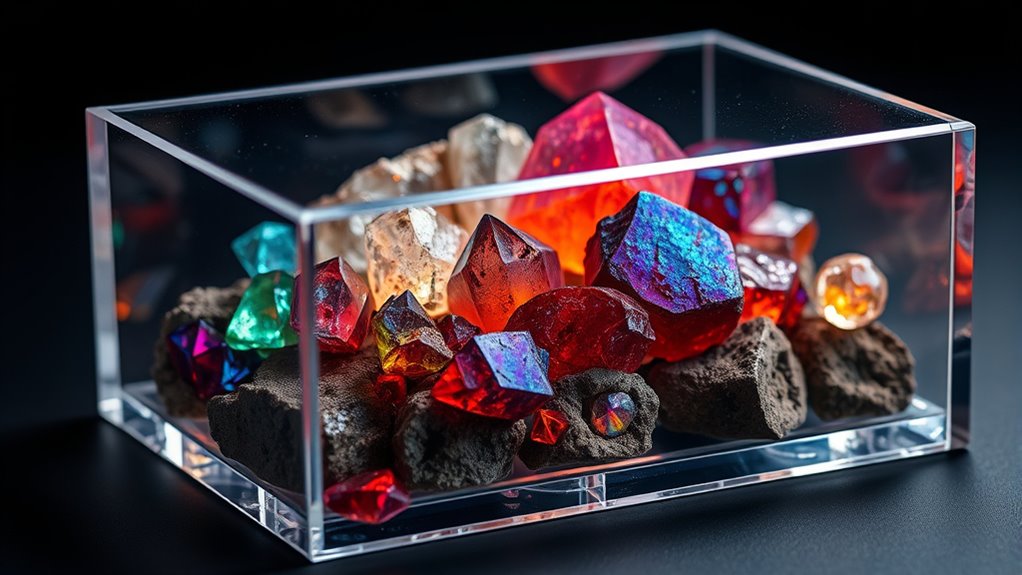
A polarized light box for minerals is an indispensable tool for geologists and mineral enthusiasts, allowing you to examine mineral samples with enhanced clarity and detail. When you use a polarized light box, you’re taking advantage of the optical properties of minerals, which are essential for accurate mineral identification. These optical properties—such as birefringence, pleochroism, and interference colors—are key indicators that help distinguish one mineral from another. By creating a controlled environment with polarized light, you can observe these properties more distinctly, making your identification process more precise and efficient. Additionally, understanding the significance of Forsale 100 can help in sourcing quality components for building your setup.
Constructing your own polarized light box involves selecting the right components. You’ll need a light source that emits consistent, bright illumination—preferably LED lights for longevity and minimal heat. Next, you’ll require polarizing filters: one to polarize the light before it reaches the mineral sample, and another, placed above or below the sample, to analyze the light after it interacts with the mineral. Positioning these filters correctly is essential; typically, they are mounted on adjustable frames to fine-tune the polarization angle. When assembling, ensure the filters are aligned perpendicular to each other for maximum polarization, which enhances contrast and reveals optical features clearly.
In addition to the light and polarizers, consider adding a stage or platform to securely hold your mineral samples. This platform should be adjustable to allow different angles of viewing, as some optical properties are best observed at specific orientations. Using a sturdy, non-reflective background helps to eliminate distractions and improve contrast, making subtle optical effects easier to see. For precision, incorporate a magnification element, like a microscope or a lens attachment, to observe fine details within the mineral’s optical properties. This setup amplifies the interference colors and other optical effects that are critical for mineral identification.
When you operate your DIY polarized light box, keep the light intensity consistent and avoid direct sunlight or ambient light that could interfere with your observations. Adjust the polarization filters until you find the perfect angle where the mineral’s optical properties are most visible. As you examine different samples, take notes on their optical behaviors—such as color changes under polarized light or the presence of pleochroism—to build a detailed mineral profile. Building your own polarized light box not only saves money but also deepens your understanding of mineral properties, making your identification process more accurate and insightful. With careful construction and proper use, this tool becomes indispensable for exploring the fascinating world of minerals.

4pcs LED Light Boards with 2pcs Dimmable AC/DC Power Adapters for Konseen Product Photography Light Box,110V~220V, 96 LEDs Lamp Beads on Each Light Board
4pcs LED Light Boards with 2pcs Dimmable Power Adapter,96 LEDs each Boards
As an affiliate, we earn on qualifying purchases.
As an affiliate, we earn on qualifying purchases.
Frequently Asked Questions
What Safety Precautions Should I Take When Building the Light Box?
When building your light box, always wear safety goggles to protect your eyes from potential sparks or debris. Make certain you follow electrical safety protocols by unplugging devices before working on wiring and avoiding exposed wires. Keep your workspace dry and organized to prevent accidents. Double-check connections and use proper insulation. Taking these precautions helps you stay safe while assembling your polarized light box, minimizing risks associated with electrical work.
Can I Customize the Size of the Polarized Light Box?
You can definitely customize the size of your polarized light box, making it as small or large as your minerals require. Focus on material selection—choose sturdy, light-blocking materials for the frame and clear, durable panels for the viewing area. Think of it like tailoring a suit: fit matters. Adjust dimensions to fit your workspace and mineral collection, ensuring proper lighting and ease of use without sacrificing quality.
Which Types of Minerals Are Best Viewed With Polarized Light?
You’ll find that minerals with strong optical properties, like quartz, calcite, and fluorite, are best viewed with polarized light. This technique highlights mineral fluorescence and reveals unique features, helping you distinguish different minerals. By using polarized light, you can observe how minerals interact with light, making optical properties more visible. So, for clear, detailed examination, focus on minerals known for their optical properties and fluorescence.
How Do I Maintain the Polarized Filters Over Time?
To keep your polarized filters in good condition, regularly clean them with a soft, lint-free cloth and avoid harsh chemicals. Store your filters in protective cases or sleeves to prevent scratches and dust buildup. Keep them in a cool, dry place away from direct sunlight and extreme temperatures. Proper filter cleaning and storage techniques ensure clarity and longevity, helping your polarized light box perform effectively over time.
Is It Possible to Add Adjustable Lighting Features?
Imagine your mineral display as a vibrant stage, ready for the spotlight. Yes, you can add adjustable lighting features by incorporating LED brightness controls, allowing you to set the perfect glow. Installing a filter adjustment mechanism gives you control over polarized light angles, enhancing mineral visibility. These features transform your box into a dynamic showcase, letting you highlight minerals’ beauty with customized lighting for ideal clarity and color.

Celestron 94107 Variable Polarizing Moon Filter – Reduces Brightness and Glare, Compatible with 1.25" Eyepieces and Suitable for Lunar, Venus & Double Star Observation, Black
A customizable way to reduce brightness and glare on the brightest celestial objects like the moon, Venus, and…
As an affiliate, we earn on qualifying purchases.
As an affiliate, we earn on qualifying purchases.
Conclusion
As you turn off the polarized light box, remember it’s like closing a chapter in a mineral explorer’s story. The box’s glow symbolizes your journey into hidden worlds, revealing secrets beneath the surface. Just as a lighthouse guides ships safely home, your newfound knowledge illuminates the beauty and complexity of minerals. Keep this tool close, and let it be a beacon guiding you toward discovery, curiosity, and the endless wonder waiting beneath the surface.
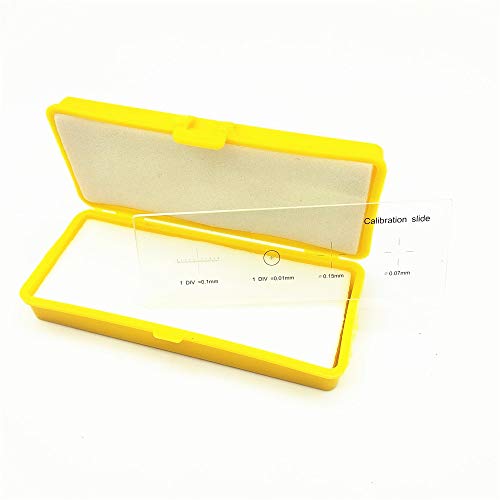
Microscope Stage Micrometer Calibration Slide with 4-Scales and 0.01mm Multifunctional Reticle Calibrating Ruler
Two Measuring Division: 0.01mm x 100 = 1mm, 0.1mm x 10 = 1mm
As an affiliate, we earn on qualifying purchases.
As an affiliate, we earn on qualifying purchases.

Eisco – Mineral Test Kit with 9 Raw Mineral Samples and Testing Tools – Includes Streak Plate, Magnet, Hand Lens, and More – Classroom and Field Geology Identification Kit
COMPLETE MINERAL TESTING KIT || Includes essential tools and 9 raw mineral samples for testing hardness, streak color,…
As an affiliate, we earn on qualifying purchases.
As an affiliate, we earn on qualifying purchases.