
Color filters greatly improve your planetary observations by increasing contrast and making surface features, cloud details, and atmospheric layers stand out better. Broadband filters enhance overall visibility, while narrowband filters target specific wavelengths like hydrogen-alpha for finer details. Using the right filters based on your target and sky conditions can reveal features hidden in unfiltered views. Keep exploring different options, and you’ll discover how these tools can transform your planetary viewing experience.
Key Takeaways
- Color filters enhance planetary contrast and reveal surface features and atmospheric details otherwise hidden in unfiltered views.
- Broadband filters improve overall contrast, while narrowband filters highlight specific wavelengths like hydrogen-alpha.
- Selecting the appropriate filter depends on the planet and features of interest, such as surface textures or atmospheric phenomena.
- Filters can reduce atmospheric turbulence effects, providing clearer, more detailed planetary images.
- Experimenting with different filters under various sky conditions helps optimize observation and feature visibility.
Have you ever wondered how astronomers enhance their view of planets? One of the key tools they use is color filters, which can substantially improve the clarity and detail of planetary images. These filters come in various types, each designed to target specific wavelengths of light. By selecting the right filter type, you can optimize planetary contrast, making subtle surface features and atmospheric details more visible through your telescope.
Different filter types work by blocking or transmitting certain parts of the light spectrum. For example, some filters are designed to cut through atmospheric turbulence, reducing the blurring caused by Earth’s atmosphere. Others enhance specific features on a planet’s surface or in its atmosphere. A common choice for planetary observation is the broadband filter, which allows a wide range of wavelengths and boosts overall contrast. These filters are versatile and excellent for general viewing, revealing more surface detail than unfiltered views. Narrowband filters, on the other hand, transmit only a very specific wavelength, such as the hydrogen-alpha line, which can reveal atmospheric phenomena or surface features that are otherwise hidden.
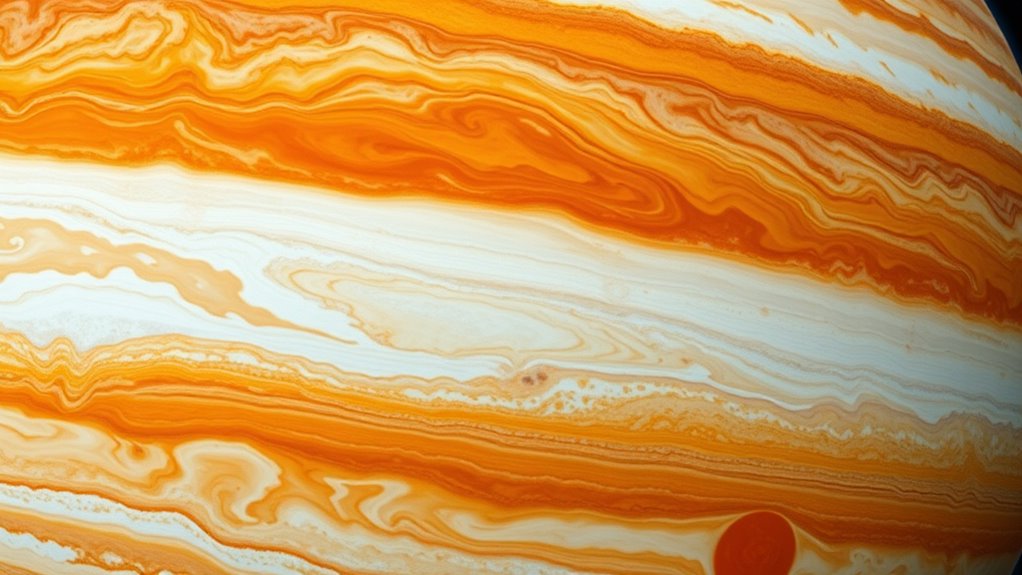
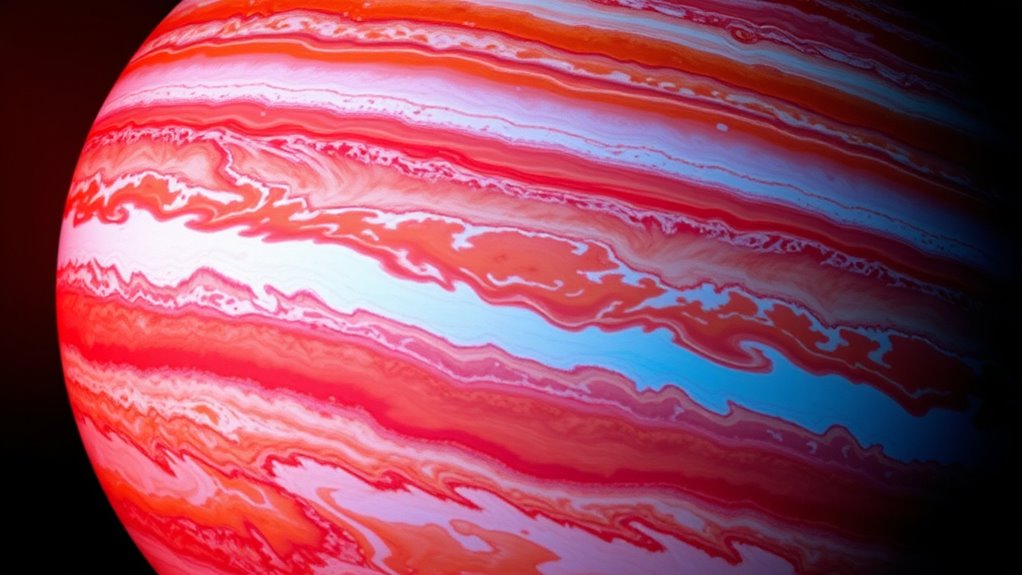
Using the right filter can dramatically increase planetary contrast—the difference in brightness between features on the planet and the surrounding areas. This contrast enhancement makes it easier to distinguish between different surface textures, cloud formations, or atmospheric layers. For example, a yellow or orange filter can improve contrast on Mars, highlighting surface markings and polar caps. A blue filter might be ideal for observing clouds and atmospheric details on Jupiter or Saturn. By selectively blocking certain wavelengths, filters help you see subtle differences that are often lost in a normal, unfiltered view.
When choosing filters, consider the planet you’re observing and what features you want to emphasize. Some filters are better for surface detail, while others enhance atmospheric phenomena. Keep in mind that not all filters work equally well under every sky condition; atmospheric stability and light pollution can influence their effectiveness. Experimenting with different filter types allows you to discover which ones bring out the most detail for your specific observing conditions.
Frequently Asked Questions
Can Color Filters Improve Viewing of Planetary Storms?
Yes, color filters can improve your viewing of planetary storms by enhancing storm visibility through color enhancement. When you use the right filters, they emphasize specific wavelengths, making storms stand out more against the planet’s surface. This helps you see details that might be difficult to detect with a plain eye, allowing you to observe storm features more clearly and enjoy a richer, more detailed planetary observation experience.
Are There Filters Suitable for Beginner Astronomers?
Yes, there are filters suitable for beginner astronomers. You should look for simple filter types like red, green, and blue, which are compatible with most telescopes. These filters enhance contrast, reduce glare, and make planetary details easier to see. By choosing filter types that match your equipment and focusing on filter compatibility, you’ll find planetary observation more enjoyable and accessible as you start your astronomical journey.
How Do Filters Affect Planetary Surface Detail?
Filters enhance planetary surface detail by selecting specific wavelengths, which improve contrast and highlight features. Your choice of filter transmission affects how much light passes through, revealing subtle surface details that might otherwise be hidden. By using wavelength selection effectively, you can see more surface textures and atmospheric features. The right filter helps you observe finer details, making planetary observation more engaging and detailed, especially when you understand how it influences the light reaching your eyes.
Can Filters Be Used for Astrophotography?
Yes, you can use filters for astrophotography to improve your images. Make sure your filters are compatible with your camera and telescope, and regularly check for filter compatibility to avoid damage or poor results. Proper filter maintenance is essential—clean them carefully to prevent scratches and dust, which can affect image quality. Using filters effectively enhances contrast and detail, making your astrophotography more vivid and detailed.
Which Filters Are Best for Observing Planetary Moons?
You should use orange and red filters to observe planetary moons, as they enhance details on the moon surface by boosting contrast. These filters help you see subtle variations and surface features, making distant moons more vivid. They also improve your view of planetary atmospheres, revealing cloud patterns and atmospheric layers. With these filters, you’ll gain a clearer, more detailed perspective of moons and planetary atmospheres, transforming your observation experience.
Conclusion
Using color filters transforms your planetary views from mere specks into vivid worlds waiting to be explored. They sharpen details and enhance contrasts, making your observations feel like revealing a secret garden in the night sky. Think of filters as keys to hidden treasures—each one opens a new window of wonder. With patience and the right filter, you’ll find that the universe’s beauty isn’t just out there; it’s waiting for you to see it clearly.