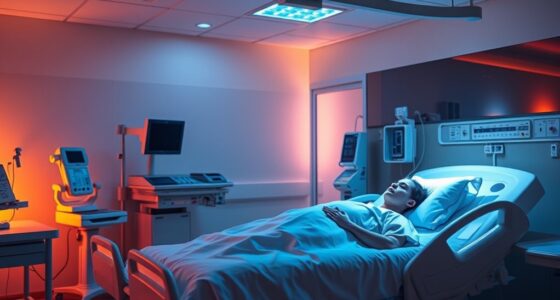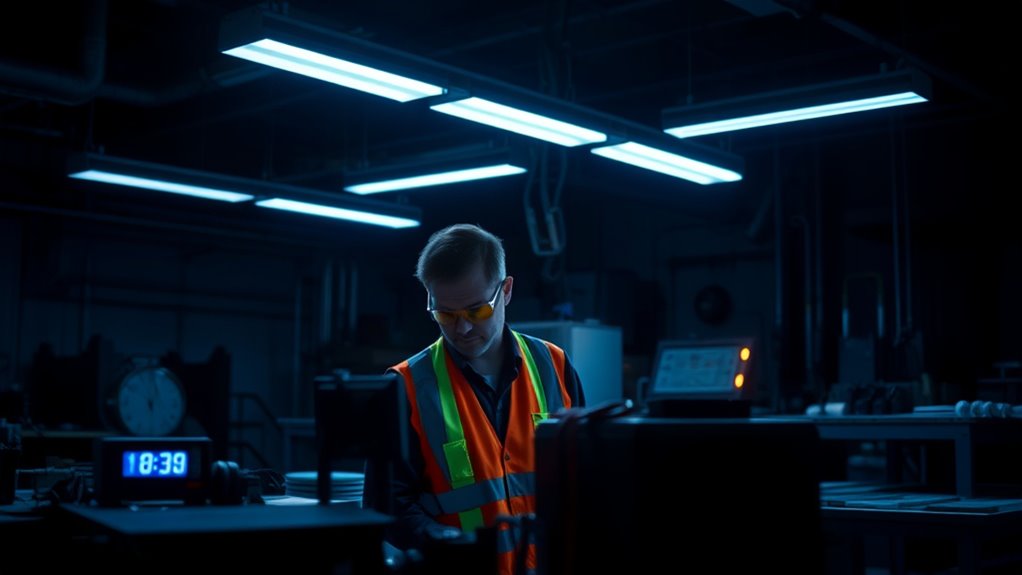

Working night shifts under artificial lighting can disrupt your body’s internal clock, especially with blue light suppressing melatonin production. This hormonal imbalance affects sleep quality, insulin sensitivity, and appetite hormones, increasing your risk of metabolic issues like weight gain and diabetes. The disruption also triggers inflammation and fat accumulation over time. If you want to understand how to protect your health and minimize these risks, keep exploring the underlying effects and solutions.

Get the latest gadgets delivered free with Prime
- Fast, free delivery on millions of items
- Prime Video, Amazon Music and more included
- Member-only deals all year
Key Takeaways
- Artificial lighting during night shifts suppresses melatonin, disrupting sleep and hormonal balance critical for metabolic health.
- Blue light exposure from screens and fluorescent lights impairs insulin sensitivity and increases appetite hormone imbalances.
- Circadian disruption from night shift lighting elevates risks for metabolic disorders, obesity, and cardiovascular diseases.
- Using blue light filters and dim, warm lighting can help minimize hormonal disruption and support metabolic regulation.
- Maintaining consistent sleep routines and creating dark sleep environments improve hormonal balance and reduce metabolic health risks.

Working night shifts often means exposure to artificial lighting that can disrupt your body’s natural rhythms. This exposure interferes with your circadian rhythm, the internal clock that regulates sleep, alertness, and many metabolic processes. When your circadian rhythm is thrown off, it can lead to circadian disruption, which has notable repercussions for your metabolic health. As your body struggles to adapt to irregular light patterns, hormonal imbalance becomes a common consequence, further complicating your ability to maintain proper energy levels and metabolic functions.
Artificial lighting during night shifts, especially blue light emitted by screens and fluorescent lamps, suppresses the production of melatonin, the hormone responsible for signaling sleepiness. Reduced melatonin levels not only impair your sleep quality but also mess with your hormonal balance. This hormonal imbalance affects insulin sensitivity, appetite regulation, and fat storage—all critical factors in maintaining metabolic health. When insulin sensitivity decreases, your body has a harder time managing blood sugar levels, increasing your risk of developing type 2 diabetes. Similarly, disrupted hunger hormones, like ghrelin and leptin, can cause you to crave high-calorie, sugary foods, leading to weight gain and further metabolic disturbances.
Blue light exposure during night shifts disrupts melatonin and hormonal balance, impairing sleep and metabolic health.
The constant exposure to artificial light during night shifts creates a cycle where your body perceives it’s daytime, even when it’s supposed to be resting. This mismatch between your internal clock and external environment not only hampers sleep but also triggers a cascade of hormonal changes that can promote inflammation, increase fat accumulation, and impair energy metabolism. Over time, these changes elevate your risk for cardiovascular disease and other metabolic disorders. Advances in AI-driven health monitoring have shown promise in detecting early signs of circadian disruption, aiding in preventative strategies.
To counteract these effects, it’s essential to manage your exposure to artificial light. Using blue light filters on screens, wearing glasses with blue light blocking lenses, and keeping your workspace well-lit with warmer, dimmer lights can help preserve your circadian rhythm. Prioritizing consistent sleep schedules, even on days off, and creating a dark, quiet sleep environment can also restore hormonal balance and improve your metabolic health. Remember, your body’s internal clock is sensitive, and small adjustments to your lighting environment and sleep habits can notably reduce circadian disruption, helping you maintain better overall health despite the demands of night shift work.
As an affiliate, we earn on qualifying purchases.
Frequently Asked Questions
How Does Night Shift Lighting Affect Long-Term Metabolic Health?
Night shift lighting can cause circadian disruption, which messes with your body’s internal clock. This disruption leads to hormonal imbalances that affect your metabolism over time. You might find yourself more prone to weight gain, insulin resistance, and other metabolic issues. To protect your long-term health, consider using lighting that minimizes circadian disruption and supports your hormonal balance during night shifts.
Can Specific Lighting Colors Minimize Metabolic Disruptions During Night Shifts?
Yes, specific lighting colors can help minimize metabolic disruptions during night shifts. Cooler color temperatures, like blue-enriched light, can reduce circadian disruption by aligning your internal clock more closely with your work schedule. However, using warm lighting in your environment can promote melatonin production and support metabolic health. Adjusting light color temperature strategically during your shift helps maintain your circadian rhythm and reduces long-term metabolic risks.
What Are the Best Practices for Designing Night Shift Lighting Environments?
You should create lighting environments that balance brightness with color temperature to reduce circadian disruption. Use cool, blue-enriched light during early shifts to boost alertness and warmer tones later to promote relaxation. Incorporate workplace ergonomics by ensuring adjustable lighting and minimizing glare. This thoughtful design helps maintain your natural rhythms, improves focus, and prevents fatigue, making your night shifts safer and more comfortable.
Does Exposure to Blue Light During Night Shifts Influence Insulin Sensitivity?
Yes, exposure to blue light during night shifts can negatively influence insulin sensitivity by causing circadian disruption and melatonin suppression. When you’re exposed to blue light, your body’s internal clock gets disturbed, making it harder to regulate blood sugar levels effectively. To protect your health, limit blue light exposure during night shifts, use filters or dim lighting, and promote melatonin production for better metabolic function.
Are There Individual Differences in Metabolic Response to Night Shift Lighting?
Yes, you do have individual differences in metabolic response to night shift lighting. Genetic variations influence how your body reacts to light exposure, affecting insulin sensitivity and hormonal fluctuations. Some people experience minimal disruptions, while others face significant metabolic challenges. Understanding these differences helps tailor strategies like light management and sleep hygiene to optimize health. Recognizing your unique responses empowers you to take personalized steps toward better metabolic resilience during night shifts.
As an affiliate, we earn on qualifying purchases.
Conclusion
In the end, managing your night shift lighting isn’t just about comfort—it’s about safeguarding your metabolic health. By choosing the right lighting, you can keep your body’s internal clock ticking smoothly and avoid throwing your health out of whack. Think of it as steering a ship through stormy seas—you need the right navigational tools to stay on course. Prioritize good lighting, and you’ll keep your metabolic balance steady, no matter how late you work into the night.
sleep mask for night shift workers
As an affiliate, we earn on qualifying purchases.
As an affiliate, we earn on qualifying purchases.
circadian rhythm light therapy lamp
As an affiliate, we earn on qualifying purchases.
As an affiliate, we earn on qualifying purchases.
Halloween Picks
halloween
As an affiliate, we earn on qualifying purchases.