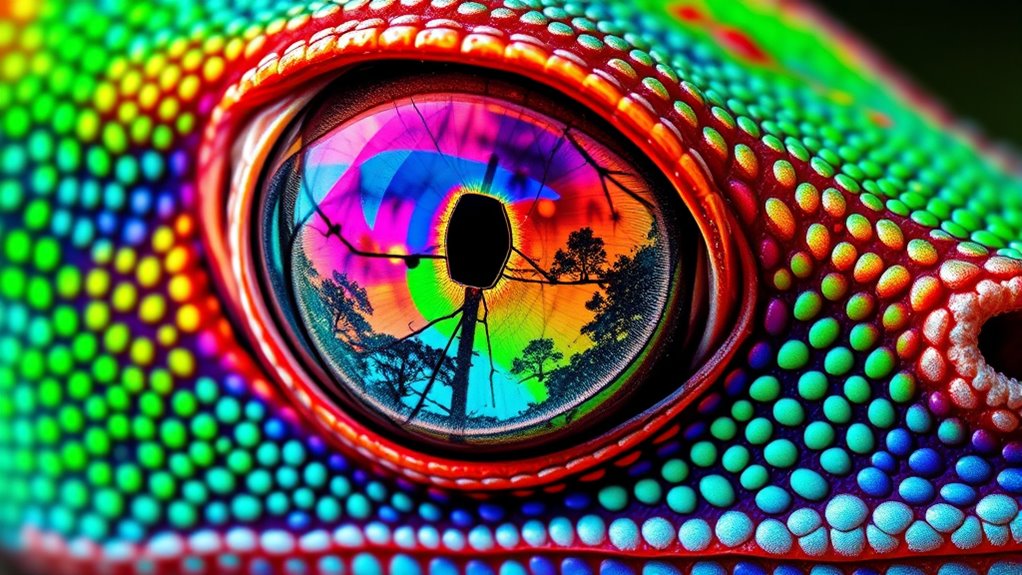

Animal color vision varies widely beyond what humans see. Some species, like birds and insects, detect ultraviolet light and perceive a broader spectrum of colors, aiding in navigation and communication. Others, such as deep-sea creatures and nocturnal animals, see mainly in shades of gray, adapted for low-light environments. These differences reveal how animals develop unique visual systems for survival. Keep exploring to uncover more fascinating ways animals experience their worlds far beyond human perceptions.
Key Takeaways
- Animals perceive a wide range of colors, often including ultraviolet light, beyond human visual capacity.
- Some species have specialized cone cells for enhanced color discrimination suited to their habitats.
- Nocturnal and deep-sea animals typically see in grayscale or muted hues, prioritizing light sensitivity over color.
- Visual perception varies greatly among animals, affecting their behavior, foraging, and communication strategies.
- Studying animal color vision reveals evolutionary adaptations, highlighting the diversity of perception in the natural world.
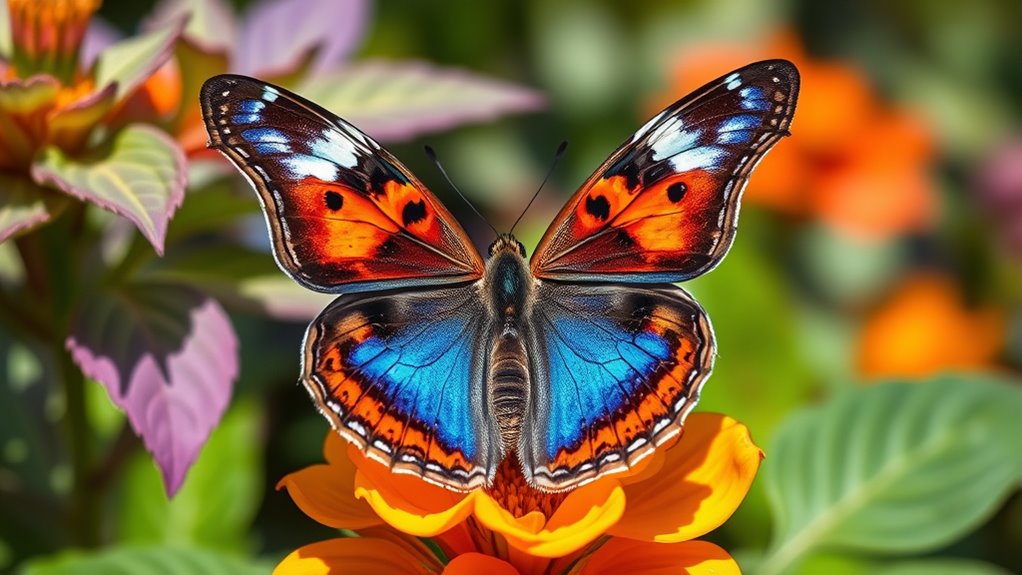
Have you ever wondered how animals see the world in vibrant colors or shades of gray? Their perception of color varies widely across species, shaped by evolution and the environments they inhabit. Unlike humans, whose color perception is based on three types of cone cells, many animals have a different setup that influences how they interpret the visual spectrum. Some see a broader range of colors, while others perceive only limited hues or even shades of gray. This diversity highlights that the visual spectrum isn’t the same for all creatures, and their perception of color is tailored to their survival needs.
Animals perceive the world through diverse visual systems shaped by evolution and habitat.
In many animals, especially those that rely heavily on vision for foraging or communication, the ability to distinguish colors is vital. For example, birds and some insects have highly developed color perception, with multiple types of cone cells that extend their view beyond what humans can see. They often detect ultraviolet light, a part of the visual spectrum invisible to us, allowing them to see patterns on flowers or signals on other animals that aid in mate selection or navigation. This expanded visual spectrum gives them an advantage in their environment, helping them find food or avoid predators more effectively.
On the other hand, some animals, like deep-sea creatures or nocturnal species, have limited color perception. Their eyes are adapted to low-light conditions, often with fewer cone cells or different types, which means they see the world in muted shades of gray or subtle hues. These adaptations prioritize sensitivity to light over color discrimination, enabling them to detect movement and contrast in darkness. As a result, their perception of the visual spectrum is restricted compared to diurnal animals or humans, focusing more on brightness and contrast rather than vivid colors.
You might find it fascinating that even within the same environment, different species experience vastly different visual worlds. For instance, some primates have color vision similar to humans, but many others, like certain monkeys and lemurs, are dichromats—meaning they see fewer colors and have a narrower visual spectrum. This variation influences everything from their foraging choices to their social interactions. Their ability to perceive color is an evolutionary compromise, optimized for their specific needs and habitats.
Understanding how animals see the world expands your appreciation for the complexity of life on Earth. It reveals that our own color perception is just one part of a much larger spectrum of visual experiences. Each species’ unique visual system is a testament to how evolution shapes perception, providing creatures with the tools they need to survive and thrive in their environment. This diversity in visual perception underscores the incredible adaptability of life on our planet.
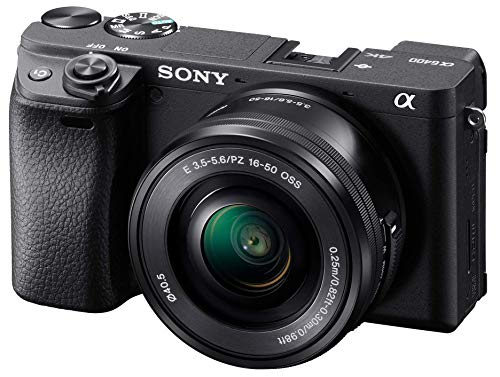
Sony Alpha a6400 Mirrorless Camera: Compact APS-C Interchangeable Lens Digital Camera with Real-Time Eye Auto Focus, 4K Video, Flip Screen & 16-50mm Lens - E Mount Compatible - ILCE-6400L/B, Black
20.1MP stacked back illuminated 1" Exmor RS CMOS sensor w/ DRAM, large aperture 24-70mm1 F1.8-2.8 ZEISS Vario-Sonnar T...
As an affiliate, we earn on qualifying purchases.
Frequently Asked Questions
How Do Animals Perceive Ultraviolet Light?
You see ultraviolet light as invisible, but many animals perceive it through special sensory adaptations. They detect ultraviolet patterns on flowers, mates, or prey, which are invisible to humans. These adaptations involve unique visual pigments in their eyes, allowing them to see beyond our spectrum. By perceiving ultraviolet light, animals gain vital information about their environment, helping them find food, mates, or avoid predators effectively.
Do All Animals See Colors the Same Way Humans Do?
Have you ever wondered if animals see the world as vividly as you do? No, they don’t perceive colors the same way humans do. Due to evolutionary adaptations, animals have distinct color perception differences tailored to their environments and survival needs. Some see ultraviolet light or have limited color ranges, while others see more colors than humans. These adaptations give them unique ways of interpreting their surroundings and finding food or mates.
Can Animals Distinguish Between Subtle Color Shades?
You can’t assume all animals distinguish subtle color shades like humans do. Many animals, especially those with excellent visual acuity, perform remarkable color discrimination, picking up on slight differences in shades. However, some species have limited color vision and struggle with subtle distinctions. Your ability to perceive subtle shades depends on their visual system, which varies widely across the animal kingdom, influencing how they interpret and respond to their environment.
How Does Color Vision Affect Animal Behavior and Survival?
Ever wonder how a bird spots a ripe fruit or a predator lurking nearby? Your color vision influences animal behavior and survival by enabling color-based communication, like attracting mates or warning rivals. It also plays a critical role in predator detection, helping animals identify threats quickly. By perceiving a broader spectrum of colors, animals can make smarter decisions, increase their chances of survival, and thrive in their environments.
Are There Any Animals With Color Vision Beyond the Visible Spectrum?
You’ll find that some animals, like certain insects and marine creatures, have evolved sensory biology adaptations allowing them to see beyond our visible spectrum, such as ultraviolet or infrared light. These evolutionary adaptations help them hunt, mate, or avoid predators. By expanding their perception, they gain a survival edge, showcasing how diverse animal color vision truly is and highlighting the fascinating ways evolution shapes sensory biology across species.
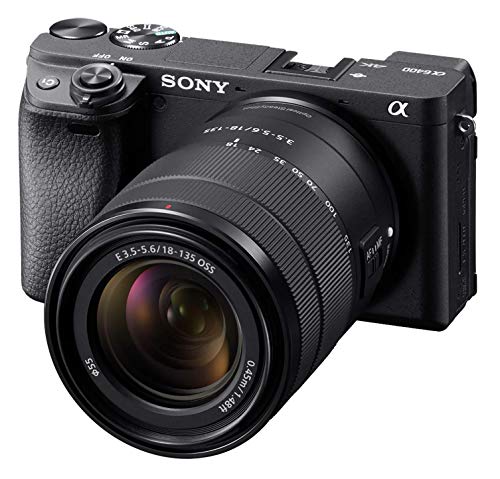
Sony a6400 Mirrorless Interchangeable-Lens Camera with 18-135mm Lens (Black)
Next Gen speed: experience the world’s fastest 0. 02 sec AF with real-time AF and object tracking
As an affiliate, we earn on qualifying purchases.
Conclusion
Just like a painter’s palette holds more than what meets the eye, animal color vision reveals a hidden world alive with vibrant secrets. Beyond our human sight, creatures see a universe painted with colors we can’t imagine, turning everyday surroundings into a dazzling, unseen masterpiece. So next time you stroll through nature, remember—you’re only glimpsing a fraction of the spectrum’s true brilliance, while animals dance in a kaleidoscope of colors beyond your wildest dreams.

Canon EOS R100 Mirrorless Camera RF-S18-45mm F4.5-6.3 is STM Lens Kit, 24.1 Megapixel CMOS (APS-C) Sensor, 4K Video, RF Mount, Black
Stellar Image Quality: Canon EOS R100 4K digital camera with 24.1 megapixel CMOS (APS-C) sensor for superb image...
As an affiliate, we earn on qualifying purchases.

Canon EOS R100 Mirrorless Camera with RF-S18-45mm F4.5-6.3 IS STM Lens Kit, 24.1 Megapixel CMOS (APS-C) Sensor, 4K Video, RF Mount | Black Bundled with 64GB Memory Card & Camera Shoulder Bag (3 Items)
Stellar Image Quality: Canon EOS R100 4K digital camera with 24.1 megapixel CMOS (APS-C) sensor for superb image...
As an affiliate, we earn on qualifying purchases.