Gamma correction in displays adjusts the luminance and color output to guarantee images look natural and consistent across different screens. It compensates for the nonlinear way displays produce brightness, making dark and bright areas appear more accurate and detailed. By fine-tuning the gamma setting, you control how shadows and highlights are rendered, enhancing overall image quality. Keep exploring to discover how gamma correction impacts your viewing experience and device calibration.
Key Takeaways
- Gamma correction adjusts display luminance curves to produce natural, consistent images across different devices.
- It compensates for the nonlinear luminance response inherent in display hardware.
- Applying gamma correction ensures accurate color reproduction and preserves image detail in shadows and highlights.
- Users can modify gamma settings to control image contrast, brightness, and overall visual perception.
- Modern displays often implement automatic gamma correction for optimal image quality.
Gamma correction is a crucial process that adjusts the brightness and color output of display devices to guarantee images look natural and consistent across different screens. When you view images or videos, your device’s display might interpret color data differently because of inherent hardware variations. This is where gamma correction steps in, ensuring that what you see aligns with the original scene. At its core, gamma correction modifies how the display processes luminance values, making dark areas darker and bright areas brighter, creating a balanced and realistic image.
One key aspect of gamma correction involves color space conversion. Digital images are stored in specific color spaces, like sRGB or Adobe RGB, which define how colors are represented numerically. However, these color spaces aren’t directly compatible with display hardware, which operates based on luminance levels. Gamma correction helps bridge this gap by converting color data into a form that the display can interpret accurately. This process involves applying a mathematical curve to transform the color information from the original color space into a display-friendly format, ensuring that colors appear consistent regardless of the device. Additionally, understanding the nonlinear luminance response**** of displays highlights why gamma correction is essential for accurate image rendering.
Luminance adjustment is another critical component. Your display’s luminance response isn’t linear; instead, it tends to be nonlinear, which can distort the appearance of images. Gamma correction applies a curve that compensates for this nonlinearity, adjusting the luminance so that it appears linear to your eye. This adjustment makes sure that darker shades are visible without losing detail, and brighter areas aren’t overexposed or washed out. By fine-tuning luminance in this way, gamma correction ensures that the image’s contrast and brightness levels are preserved, giving you a more accurate and vibrant viewing experience.
When you tweak gamma settings, you’re effectively controlling how luminance values are mapped to the output. A higher gamma value will make dark areas darker and bright areas brighter, while a lower gamma produces a flatter, less contrasted image. Many modern displays automatically apply gamma correction, but understanding this process helps you appreciate why images look better on some screens than others. It also explains why professional color grading and editing software rely heavily on gamma correction to maintain color fidelity across different devices.
gamma correction software for displays
As an affiliate, we earn on qualifying purchases.
As an affiliate, we earn on qualifying purchases.
Frequently Asked Questions
How Does Gamma Correction Affect Color Accuracy?
Gamma correction improves color accuracy by adjusting the luminance levels of your display, ensuring colors appear consistent across different devices. When you perform color calibration and display calibration, gamma correction fine-tunes the brightness and contrast, helping the colors look more natural and true to life. This process reduces color distortions, making your images sharper and more vibrant, ultimately giving you a more accurate and reliable visual experience.
What Are Common Gamma Settings for Different Display Types?
You should set your display’s gamma to standard calibration values like 2.2 for most monitors and 2.4 for professional HDR screens. These gamma settings guarantee accurate color reproduction and consistent image quality. Adjustments may be needed based on your calibration standards and environment. Regular display calibration helps maintain the correct gamma, ensuring your visuals stay true to the intended color and brightness levels for ideal viewing.
Can Gamma Correction Improve Visibility in Low-Light Conditions?
Yes, gamma correction can improve visibility in low-light conditions by enhancing brightness and contrast adjustment. It helps you see details more clearly by optimizing how your display handles darker shades. When you apply gamma correction, you effectively boost the overall brightness and contrast, making it easier to distinguish objects in dim environments. This adjustment reduces eye strain and improves your viewing experience, especially in settings where lighting is limited.
How Does Gamma Correction Impact Energy Consumption?
Gamma correction can slightly increase energy consumption because it adjusts pixel brightness, requiring more power for brighter displays. Remarkably, displays with optimized gamma settings tend to have better power efficiency, reducing overall energy use. This adjustment can also extend display lifespan by preventing excessive wear from high brightness levels. So, while it might marginally impact power use, it helps improve display durability and maintain better visual quality over time.
Are There Any Drawbacks to Using Aggressive Gamma Correction?
Using aggressive gamma correction can compromise color fidelity, making images look unnatural or overly contrasted. It may also hinder your ability to achieve a calibrated calibration, as excessive correction distorts the original display intent. This can lead to less accurate color reproduction and reduced image quality. If you prioritize true-to-life visuals, avoid overly aggressive gamma adjustments, and aim for a balanced approach that maintains color fidelity and proper calibration.
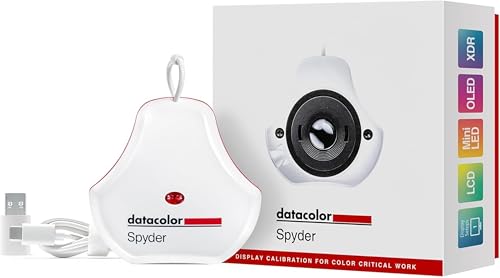
datacolor Spyder – Monitor Calibrator for Graphic Designers, Photographers, and Content Creators, Shows You True Colors, Works on OLED Monitors & LED Screens, Easy-to-Use Color Calibration Tool
Color “Surprises” Are a Thing of the Past: Datacolor’s exclusive DevicePreview TM Beta feature simulates what your photos…
As an affiliate, we earn on qualifying purchases.
As an affiliate, we earn on qualifying purchases.
Conclusion
Think of gamma correction as the lighthouse guiding your display through foggy waters. Without it, images can appear dull or distorted, like ships lost at sea. When you understand and apply gamma correction, your screen becomes a trusted navigator, revealing vibrant colors and true-to-life details. Remember, just as a lighthouse ensures safe passage, gamma correction guarantees your visuals shine brightly and accurately, guiding your viewing experience to clarity and perfection every time.

Adobe Premiere Pro Made Simple: From 0 to Professional | A Step-by-Step Guide to Video Editing, Audio, Color Grading, and Export Shortcuts, for YouTubers, and Social Media Creators
As an affiliate, we earn on qualifying purchases.
As an affiliate, we earn on qualifying purchases.

Calibrite Display 123 Monitor Calibration Colorimeter for Photo Editing and Color Accurate Viewing, Easy 1 2 3 Software Workflow, USB C Connection, and Before and After Check, Supports 2 Displays
SPECIFICATIONS: Monitor calibration colorimeter with Easy 1 2 3 software workflow, USB C connection, compact body approx. 34mm…
As an affiliate, we earn on qualifying purchases.
As an affiliate, we earn on qualifying purchases.