Interference colors in oil slicks and peacock feathers happen because light waves reflect off thin films, creating vibrant, shifting hues through interference. The colors depend on the film’s thickness, which causes certain wavelengths to reinforce or cancel each other. Small changes in thickness or viewing angle can dramatically alter what you see. If you want to discover how these fascinating effects work and what makes them so unique, keep exploring more about this intriguing phenomenon.
Key Takeaways
- Interference colors result from light waves reflecting off thin films, creating constructive and destructive interference patterns.
- The varying thickness of oil slicks and feather structures causes different interference colors.
- These colors are highly sensitive to small changes in film thickness and viewing angles.
- Natural examples like peacock feathers and oil slicks demonstrate interference effects through microscopic layered structures.
- Understanding interference colors aids in applications like anti-counterfeiting, coatings, and optical technology.

Have you ever noticed the vivid, shifting colors on a soap bubble or an oil slick? These mesmerizing displays happen because of a phenomenon called interference colors, which result from the way light interacts with thin films. When light hits a thin film—like a soap bubble’s surface or an oil slick—it doesn’t just pass through or get absorbed; instead, some of it reflects off the top surface, while some penetrates and reflects off the bottom. These reflected waves then overlap, creating interference patterns that produce the vibrant, shifting colors you see.
Interference colors arise from light waves reflecting within thin films, creating vibrant, shifting patterns.
The key to understanding these interference colors lies in the concept of thin film thickness. The thickness of the film, measured in nanometers or micrometers, influences how light waves combine. As the film’s thickness varies—even slightly—the way light waves interfere changes, leading to the dynamic color shifting patterns. When the thickness aligns with certain wavelengths, constructive interference occurs, amplifying specific colors. When it misaligns, destructive interference cancels out particular wavelengths, causing those colors to fade. This delicate balance makes the colors appear to change as the film’s thickness varies or as you view it from different angles.
You can observe these effects in everyday life—on a peacock’s feathers or an oil slick. The peacock’s iridescent feathers are a perfect example of interference colors created by microscopic structures that cause light to interfere in complex ways. The feathers’ layered keratin and melanin produce color shifts as you move around, thanks to their thin film-like properties. Similarly, an oil slick shows vibrant hues that change with your perspective because the oil film on water acts like a thin film, with its thickness constantly changing due to water movement and evaporation.
What’s fascinating is that these interference patterns are highly sensitive to tiny variations in film thickness. A minuscule change can alter the entire color palette you see. This sensitivity makes interference colors a powerful natural tool for understanding optical phenomena and even designing technologies like anti-counterfeiting measures or decorative coatings. Additionally, advances in understanding thin film interference have led to innovations in home cinema projectors and display technologies, where controlling light interference enhances image quality. Whether in nature or in science, the interplay of light and thin films creates the stunning, ever-changing colors that captivate us and reveal the subtle complexities of light’s behavior. So next time you observe those shifting hues, remember that they’re a visual testament to the intricate dance of light waves interacting with thin films.
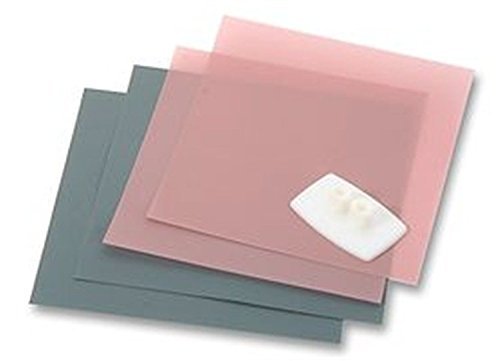
Broadcom Fiber Optic Polishing Kit – HFBR-4593Z
Price For: Each Kit Contents: One Polishing Tool, 2-Pcs of 600 Grit Abrasive Paper & 3µm Pink Lapping…
As an affiliate, we earn on qualifying purchases.
As an affiliate, we earn on qualifying purchases.
Frequently Asked Questions
How Do Interference Colors Vary With Viewing Angles?
You’ll notice that interference colors change with viewing angles due to angle dependence, causing optical variation. As you shift your perspective, these colors can intensify, fade, or shift hue because the thin film’s thickness and the light’s path length vary. This angle dependence creates dynamic, shimmering effects, making the colors appear to move or change as you observe from different positions.
Can Interference Effects Be Replicated With Synthetic Materials?
You might think interference effects are only natural, but with synthetic replication and advanced material engineering, you can mimic these stunning colors. By designing layered structures or thin films, you control how light reflects, creating similar interference patterns. This approach allows you to produce vibrant, iridescent effects in synthetic materials, opening doors for innovative designs and applications where natural interference colors are hard to replicate.
What Role Does Layer Thickness Play in Color Appearance?
Layer thickness directly affects the color you see because it influences interference effects. When layer uniformity is high, the colors appear more vibrant and consistent. Precise thickness measurement is essential to control these effects, as slight variations can change the reflected colors. Thinner layers tend to produce different interference colors compared to thicker ones, so understanding and maintaining the correct layer thickness guarantees your desired color outcome.
Are Interference Colors Affected by Environmental Factors?
You might think interference colors are set in stone, but they’re actually quite sensitive to environmental influences. Changes in light, humidity, or temperature can alter how these colors appear because of substrate interactions. These external factors can shift the interference patterns, making colors look different under varying conditions. So, just like a chameleon, interference colors respond to their surroundings, emphasizing the importance of controlling environmental factors for accurate color observation.
How Can Interference Colors Be Used in Technological Applications?
You can use interference colors in technological applications like nanotechnology and optical coatings. These colors help create advanced materials with specific properties, such as anti-reflective surfaces or decorative finishes. By manipulating thin films to produce interference effects, you enhance device performance and aesthetics. Your understanding of these colors allows you to innovate in fields like electronics, optics, and material science, making products more efficient and visually appealing.

DREAM BIG PRINTABLES Peacock Feathers Wall Art Prints (Set of 3) – Unframed – 8x10s | Kitchen Wall Art | Bedroom Wall Decor | Office Wall Decor | Kitchen Wall Decor
READY TO DISPLAY ART PRINT – This beautiful art print arrives UNFRAMED, giving you the freedom to choose…
As an affiliate, we earn on qualifying purchases.
As an affiliate, we earn on qualifying purchases.
Conclusion
Think of interference colors like a secret dance between light and thin layers, revealing hidden beauty much like a peacock’s feathers or an oil slick’s shimmer. As you explore these vibrant illusions, you become a curious traveler uncovering the magic behind nature’s sparkling masks. Remember, just like a master illusionist, nature uses simple tricks to create astonishing displays. So, embrace the wonder—each shimmer is a story waiting to be uncovered, inviting you deeper into its mesmerizing world.

64 oz Iridescent Bubble Solution Refill | Non-Toxic Pre-Mix Bubble Refill Solution No Mixing or Measuring Required | Bubbles for Kids | Bubbles Bulk | Bubble Machine Solution | Giant Bubble Solution
NO MORE MEASURING OR MIXING: This Pre-Mix bubble solution refill is the answer to all your bubble troubles!…
As an affiliate, we earn on qualifying purchases.
As an affiliate, we earn on qualifying purchases.

HOLIDYOYO Newtown Rings Lens: Lab Science Experiment Kit – Optical Demonstration Set for Physics Light Interference – Classroom Optical Experiment Teaching Tool
Crystal Clear Interference Patterns: This newton rings experiment kit employs a precision flat convex lens, making sure vivid…
As an affiliate, we earn on qualifying purchases.
As an affiliate, we earn on qualifying purchases.