
To explore bioluminescence through glow-in-the-dark experiments, you can simulate the chemical reactions involving luciferin and luciferase, similar to natural living organisms. By combining safe, glow-in-the-dark substances or creating chemical reactions, you’ll see how organisms produce their own light. These experiments reveal how bioluminescent creatures emit glow without heat and help you understand the science behind it. Keep exploring to discover more about the fascinating ways nature lights up the dark.
Key Takeaways
- Conduct safe, DIY bioluminescence experiments using glow-in-the-dark substances like phosphorescent or bioluminescent organisms.
- Understand the chemical reactions involving luciferin and luciferase that produce natural bioluminescence.
- Observe how different environments or substrates affect the brightness and duration of glowing effects.
- Explore how bioluminescent organisms generate light without heat, demonstrating energy-efficient light production.
- Use experiments to compare artificial glow-in-the-dark materials with natural bioluminescent sources for educational insights.
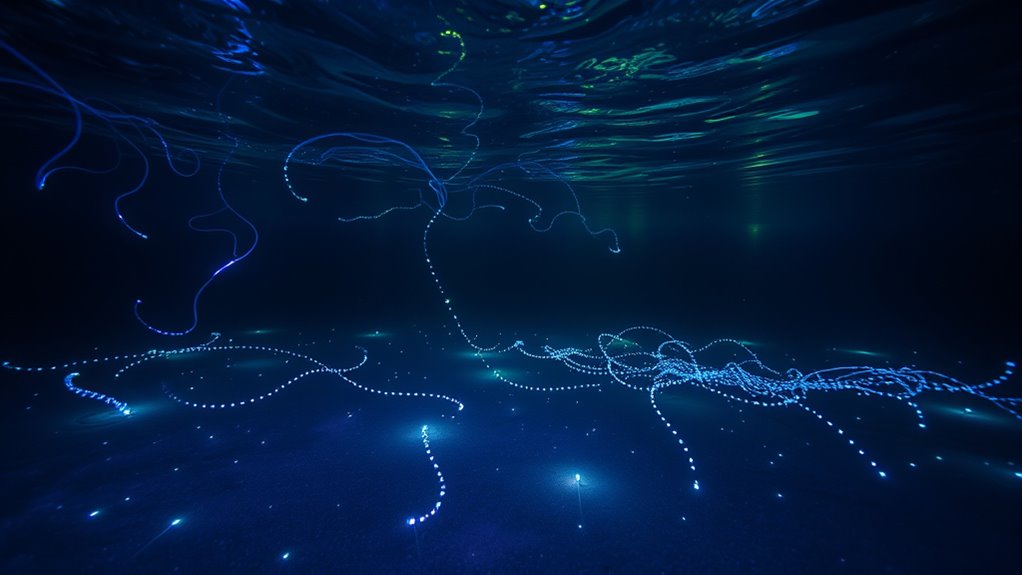
Have you ever wondered how some creatures glow in the dark? It’s a fascinating natural phenomenon called bioluminescence. This glow isn’t just a pretty light show; it plays essential roles in survival, communication, and attracting prey. When you explore bioluminescence, you discover that marine organisms are among the most spectacular examples. Deep in the ocean, countless marine creatures like jellyfish, plankton, and certain fish emit shimmering light. These organisms use bioluminescence to camouflage themselves from predators, lure prey, or communicate with others in the dark depths where sunlight never reaches. Watching videos of glowing waves or flickering sea creatures can leave you in awe of nature’s ingenuity. The process involves a chemical reaction between luciferin, a light-emitting molecule, and luciferase, an enzyme that catalyzes this reaction. When these molecules interact, they produce light without generating heat, making it an efficient way for organisms to shine in their dark environments. bioluminescence also plays a crucial role in the evolution of some species, helping them adapt to their specific habitats and survival challenges.
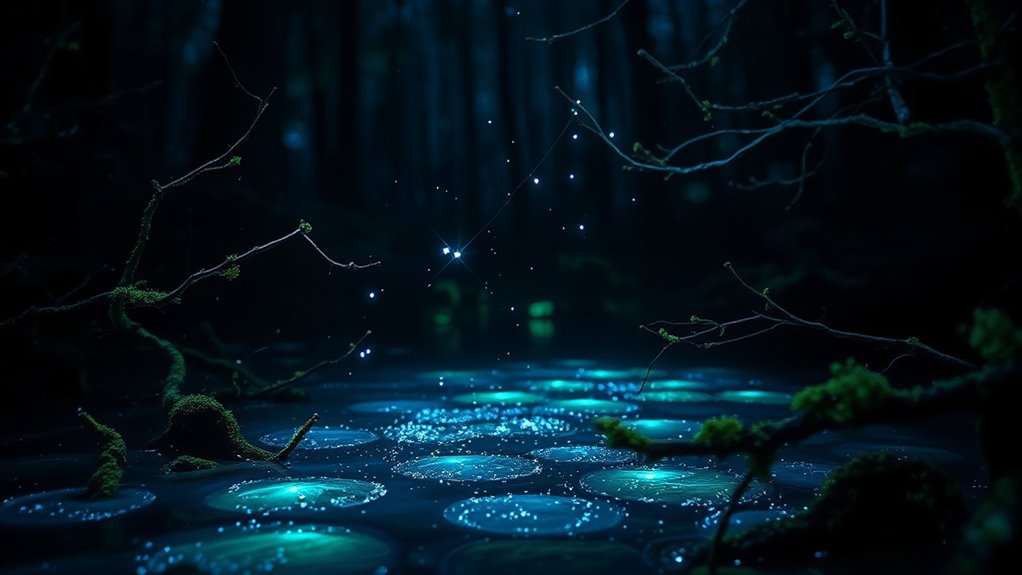
But bioluminescence isn’t limited to the oceans. You might be surprised to learn that bioluminescent fungi also exist. These fungi, often found on decaying wood or forest floors, produce a gentle glow through a similar chemical process. Unlike marine bioluminescence, which often involves complex cellular systems, fungi generate their light as a byproduct of their metabolic processes. The glow of bioluminescent fungi can serve to attract insects or other animals that help disperse their spores, ensuring the fungi’s survival and spread. When you walk through a dark forest and notice faint greenish or bluish lights flickering on rotting logs, you’re witnessing bioluminescent fungi in action. Observing these fungi can feel like stepping into a fairy tale, where the forest itself is alive with tiny, glowing creatures.

UNGLINGA 70 Lab Experiments Science Kits for Kids Educational Scientist Toys Birthday Gifts Idea for Girls Boys, Chemistry Set, Erupting Volcano, Fruit Circuits, S.T.E.M Activities Science Project
VARIED SCIENCE KIT THAT INSPIRES – Kids will have hours of fun as they explore the multiple experiments…
As an affiliate, we earn on qualifying purchases.
As an affiliate, we earn on qualifying purchases.
Frequently Asked Questions
How Does Bioluminescence Evolve in Different Species?
Bioluminescence evolves in different species through various evolutionary pathways driven by adaptive advantages. You see, species develop this trait to attract mates, lure prey, or avoid predators. Over time, natural selection favors those with effective bioluminescent features, leading to diverse forms across ecosystems. You can observe how different environments shape distinct bioluminescent mechanisms, highlighting nature’s creative ways to improve survival and reproduction through this fascinating trait.
Can Bioluminescence Be Artificially Synthesized for Practical Uses?
You can definitely synthesize bioluminescence for practical uses, and researchers are making exciting progress. Synthetic bioluminescence involves engineering genes to produce glowing effects in various organisms. This breakthrough opens doors for applications like environmentally friendly lighting, medical imaging, and bioindicators. By harnessing this natural phenomenon, you could develop innovative solutions that are both sustainable and efficient, transforming how we use light in everyday life.
What Safety Precautions Are Necessary During Bioluminescent Experiments?
During bioluminescent experiments, you need to wear protective gear like gloves, goggles, and lab coats to prevent chemical exposure. Handle all chemicals carefully, following safety guidelines and proper disposal procedures. Make sure you’re working in a well-ventilated area, and avoid ingestion or inhalation of any substances. Always read safety data sheets beforehand, and keep a first aid kit nearby in case of accidents.
How Is Bioluminescence Used in Medical or Technological Applications?
Think of bioluminescence as a flashlight guiding medical breakthroughs. You use bioluminescent imaging to see inside the body, revealing hidden issues without surgery. Glowing medical diagnostics help detect diseases early and monitor treatments effectively. This technology turns darkness into an ally, illuminating conditions that would otherwise stay unseen. By harnessing nature’s glow, you make diagnostics safer, faster, and more precise—lighting the way to better healthcare outcomes.
Are There Environmental Impacts of Harvesting Bioluminescent Organisms?
Harvesting bioluminescent organisms can disrupt ecological balance if not done sustainably. When you overharvest, you risk depleting local populations, affecting predator-prey relationships and damaging ecosystems. To guarantee harvesting sustainability, it’s essential to limit collection and protect habitats. This way, you help preserve the natural functions of these organisms, maintaining ecological balance and allowing bioluminescent species to thrive without adverse environmental impacts.

Glow in The Dark Pigment,Phosphorescent Glow Powder,3.52 Ounce (100 g),Water Based (Green) (Aqua-Turquoise)
✅ BEST RESULTS – Great Glow Powder = Great Glow Results – Brightest intensity and longest lasting Phosphorescent…
As an affiliate, we earn on qualifying purchases.
As an affiliate, we earn on qualifying purchases.
Conclusion
As you watch the glow gradually fade, you realize bioluminescence is more than just a light—it’s a secret waiting to be unsealed. Imagine the mysteries lurking in the depths of the ocean, waiting to be discovered. Will your next experiment reveal even brighter, more mesmerizing displays? The darkness holds endless possibilities, and with each flicker, you get closer to uncovering nature’s hidden magic. The glow may fade, but your curiosity is just beginning to ignite.

4M KidzLabs Volcano Making Kit, DIY Science Kit STEM, For Boys & Girls Ages 8+
The Volcano Making Kit is a hands on science project that creates a simulated erupting volcano
As an affiliate, we earn on qualifying purchases.
As an affiliate, we earn on qualifying purchases.

Mycorrhizal Fungi Organic Root Enhancer for Plants, Super Potent 100 Spores Per Gram, 5-Strain Blend, Rapid Results for Gardens, Houseplants, Lawns, Mycorrhizae Smart Grower 125 Grams for 125 Plants
Smart Grower Advantage: Some products may offer less active formulations. Every bag of Smart Grower 5-Strain 100 Spore…
As an affiliate, we earn on qualifying purchases.
As an affiliate, we earn on qualifying purchases.