
TL;DR

Get the latest gadgets delivered free with Prime
- Fast, free delivery on millions of items
- Prime Video, Amazon Music and more included
- Member-only deals all year
Meta says it is rolling out real-time voice conversations and animated avatars in the Muse app on mobile, web and Mac, starting in the United States. Users can choose from hundreds of voice styles and adjust whether the avatar appears during a conversation; support for AI Glasses and Muse Charm is planned for later.
Meta is rolling out real-time voice conversations with animated avatars in its Muse app, bringing the feature to mobile, web and Mac users in the United States. The company says people can speak naturally, interrupt the AI as it responds and choose whether to see an expressive avatar, making Muse usable for spoken brainstorming and practice as well as text-based prompts.
To start a conversation, users tap the phone icon in the top-right corner of the Muse app, according to Meta. The company says the voice feature is intended for talking through incomplete ideas, planning activities and rehearsing situations such as job interviews, presentations or pitches. Muse is designed to follow a conversation as it develops rather than requiring users to compose a precise prompt first.
Meta says the avatar can use expressions and gestures that respond to the conversation, including while the user is speaking. Users can choose voice-only mode, keep the avatar alongside the conversation or display it full screen. The company says the app offers hundreds of voice styles, which users can change to suit their preferences.
The announcement describes the feature as powered by Meta’s Muse Realtime Voice and Muse Realtime Avatar technology. Meta says replies arrive in real time and users can interrupt when they need to. The company has not provided independent performance measurements in the announcement, so claims about conversational speed and responsiveness remain its own description of the product.
Voice Changes How Muse Is Used
Adding voice gives Muse a different role from an assistant used mainly through typed prompts. People can speak while walking or doing household tasks, and can develop an idea through back-and-forth conversation rather than preparing a polished request. That may make the tool more accessible for brainstorming and rehearsal, although the announcement does not establish how well it performs those tasks in practice.
The animated avatar and selectable voices also make the interaction more person-like. This may make spoken practice feel more natural to some users, but it also makes clear that the experience remains an AI conversation, not a human interlocutor. Meta’s announcement does not detail safeguards, privacy controls for voice data or how users will be informed about the avatar’s limitations.
Products Worth Considering
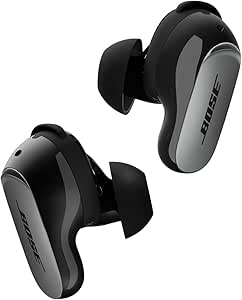
Bose QuietComfort Ultra Earbuds (2nd Gen), Wireless Noise-Cancelling Earbuds, Black

Sony WH-1000XM4C (M4 2nd Gen) Wireless Noise-Cancelling Headphones, Black

Bose QuietComfort Headphones (2nd Gen), Wireless Over-Ear Noise-Cancelling Headphones, Black
As an affiliate, we earn on qualifying purchases.
From Connect Preview to App
Meta first previewed real-time conversations with Muse at Connect 2026, according to the company. The current announcement marks the move from that preview to a rollout in the Muse app, which Meta says is beginning in the US. It does not give a precise rollout schedule or say whether access will reach all eligible users at once.
The new feature combines spoken interaction with an on-screen avatar. Meta says users can decide how visually present the avatar should be, including turning it off in favor of voice alone. That choice allows the feature to serve both as a conversational interface and, when selected, a more face-to-face-style presentation. The company has not supplied details about supported languages, device requirements or whether the experience differs across mobile, web and Mac.
““Sometimes it’s easier to think out loud.””
— Meta
Access, Privacy and Performance
Meta has not said how quickly the US rollout will reach users, whether access is limited by account or device, or when the feature may become available outside the country. It also has not specified which languages are supported, whether all voice styles are available to every user, or what technical requirements apply across mobile, web and Mac.
The announcement does not explain how voice recordings or conversation data are stored, used or retained, nor does it provide independent testing of accuracy, response times or avatar behavior. Those details matter for people considering spoken conversations about personal plans or work-related practice. Meta’s product description should not be read as independent evidence that the system reliably understands every interruption or conversational cue.
Expansion Beyond the App
Meta says voice conversations with Muse are coming soon to AI Glasses and Muse Charm, but it has not announced a launch date for either product. For now, the stated rollout is limited to the Muse app in the United States, across mobile, web and Mac.
The next developments to watch are the pace of the app rollout, any announcement of broader geographic availability and the arrival of voice on Meta’s wearable products. Further product details may also clarify access requirements, language support and how Meta handles voice data; the company has not provided those specifics in this announcement.
Key Questions
What is Meta adding to the Muse app?
Meta is rolling out real-time voice conversations with an animated avatar. The company says users can speak to Muse, hear responses and interrupt during a conversation.
Where is the Muse voice feature available?
Meta says the rollout is starting in the United States on the Muse app for mobile, web and Mac. It has not given a schedule for wider availability.
Can users change how Muse looks or sounds?
According to Meta, users can choose voice-only mode, show the avatar alongside the conversation or display it full screen. The company says it offers hundreds of voice styles that users can change.
When will Muse voice come to AI Glasses and Muse Charm?
Meta says voice conversations are coming soon to AI Glasses and Muse Charm, but it has not announced specific release dates.
Source: about.fb.com