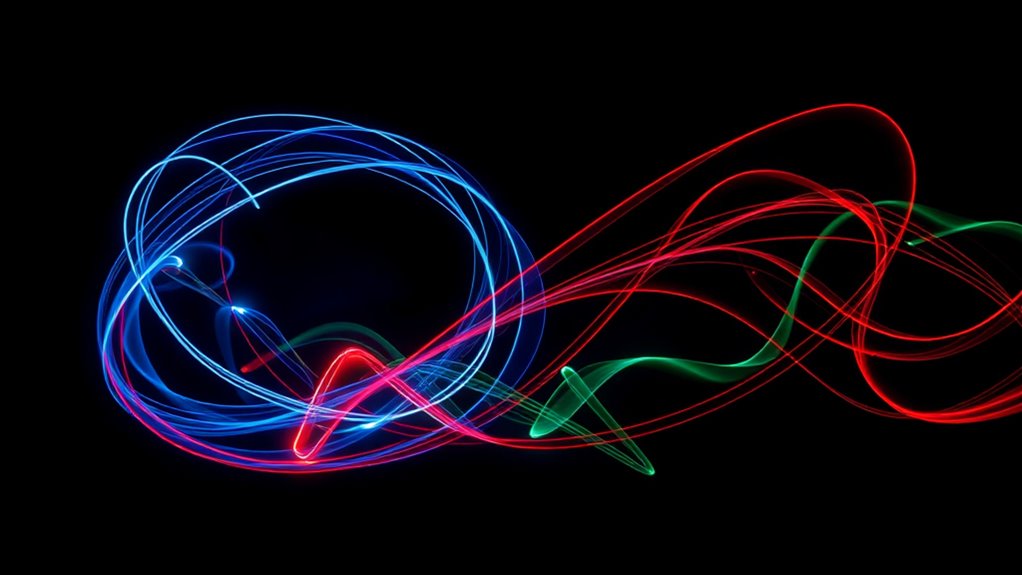

By mastering light painting and compositing techniques, you can create dynamic and surreal images that blend long-exposure light strokes with digital glow effects. Use handheld light sources during long exposures to paint in the air, then enhance these effects with software like Photoshop through glow blending and layer adjustments. Experiment with brushwork, colors, and blending modes to produce vivid, energetic visuals. If you keep exploring, you’ll discover how these methods transform ordinary photos into mesmerizing works of art.
Key Takeaways
- Use long exposure photography to capture dynamic light brushwork created by handheld light sources.
- Incorporate various light shapes, streaks, and patterns to add energy and abstract elements to images.
- Apply glow blending in post-processing to seamlessly integrate luminous effects, enhancing vibrancy and depth.
- Combine light painting with digital compositing to craft surreal, layered scenes and emphasize motion or emotion.
- Develop technical skills in lighting control and digital editing to achieve balanced, artistic, and immersive results.

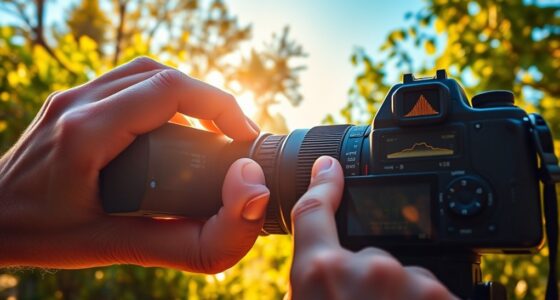
Light painting and compositing techniques open up a world of creative possibilities for photographers and digital artists alike. When you explore these methods, you unseal a new level of artistic expression, transforming ordinary images into captivating works of art. One of the most exciting aspects of light painting is the ability to create dynamic light brushwork. With a handheld light source, you can “paint” in the air during a long exposure, drawing streaks, shapes, or abstract patterns that add energy and movement to your images. This technique allows you to craft intricate details or bold strokes, giving your photograph a sense of spontaneity and personal touch that’s hard to replicate with traditional photography alone.
Discover how light painting transforms ordinary images into dynamic, expressive works of art.
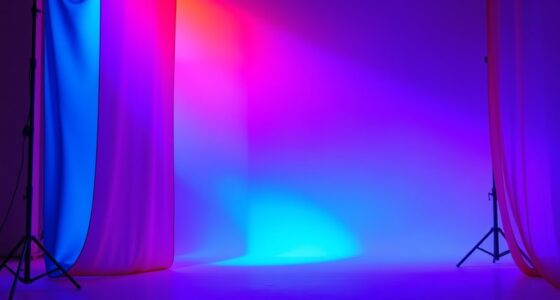
Glow blending is another powerful tool in your arsenal when working with light painting and compositing. It involves merging light effects seamlessly into your images, enhancing their vibrancy and depth. When you apply glow blending, you typically use software like Photoshop to layer light elements over your base image, adjusting blending modes and opacity to achieve a natural, luminous effect. This technique lets you craft radiant halos around objects, simulate mystical atmospheres, or highlight specific areas with a soft, glowing aura. The key is to carefully control how the glow interacts with the underlying image, ensuring it enhances rather than overwhelms your composition.
Combining light brushwork with glow blending enables you to create surreal, otherworldly scenes or abstract compositions that feel both organic and fantastical. For example, you might paint swirling energy lines over a portrait, then use glow blending to make these lines shimmer and pulse with light. This layered approach gives your work a sense of depth and realism, even in highly stylized images. It also encourages experimentation: you can try different brush sizes, colors, and blending modes to see how each change affects the mood and atmosphere of your piece.
Furthermore, mastering these techniques requires a mix of technical skill and artistic intuition. You need to understand how to control your light sources during shooting and how to manipulate digital layers afterward. Practice will teach you how to balance brightness, contrast, and color temperature to achieve seamless integration. Additionally, exploring sensory effects can help you add more immersive qualities to your compositions by incorporating tactile visual cues. Over time, you’ll develop a keen eye for how light interacts with different textures and surfaces, allowing you to craft compositions that are both visually striking and emotionally engaging. With patience and creativity, light brushwork and glow blending can elevate your work, transforming simple captures into mesmerizing visual stories.

Celestron - NexStar 127SLT Computerized Telescope - Compact and Portable - Maksutov-Cassegrain Optical Design - SkyAlign Technology - Computerized Hand Control - 127mm Aperture
COMPUTERIZED STAR LOCATING TELESCOPE: The Celestron NexStar 127SLT offers a database of more than 40,000 stars, galaxies, nebulae,...
As an affiliate, we earn on qualifying purchases.
Frequently Asked Questions
What Camera Settings Are Ideal for Light Painting?
You should set your camera to a small aperture, like f/8 or higher, to keep the scene sharp and in focus. Use a low ISO setting, such as 100 or 200, to minimize noise. Keep your shutter open for several seconds or more, depending on the light trail length you want. This setup allows enough light to be captured without overexposing, giving you control over your light painting effects.
How Do You Ensure Seamless Compositing of Multiple Light Sources?
Think of your project as a puzzle waiting to be solved. To guarantee seamless compositing of multiple light sources, you should use precise layer masking to hide unwanted edges and blend elements smoothly. Fine-tune your colors with color grading to match light sources and create harmony. These steps help your images flow naturally, transforming a complex scene into a cohesive masterpiece that captivates viewers effortlessly.
What Safety Precautions Should Be Taken During Light Painting?
You should always wear safety gear like gloves and goggles to protect yourself from accidental burns or sparks. Make sure to follow electrical precautions by inspecting your equipment for damage and avoiding wet or damp conditions. Keep a fire extinguisher nearby, work in a well-ventilated area, and never leave lights or electrical devices unattended. Taking these steps guarantees your safety during light painting sessions.
How Can Digital Tools Enhance Traditional Light Painting Techniques?
Digital tools notably boost your traditional light painting by enabling digital enhancement and creative overlays. You can refine your photos, adding vibrant colors or intricate patterns that might be difficult to achieve with only light sources. These tools also allow you to experiment freely without risking damage to your setup, giving you endless creative possibilities. By blending digital enhancements with your light painting, you create more dynamic, polished, and enthralling images.
What Are Common Mistakes to Avoid in Light Painting and Compositing?
You want to avoid overexposure artifacts and inconsistent lighting, which can ruin your shot like a flickering candle in a dark room. Keep your camera settings steady and monitor exposure levels carefully to prevent overexposure. Use consistent light sources and control your environment to minimize artifacts. Staying mindful of these details guarantees your light painting remains vibrant, sharp, and free of distracting inconsistencies.

SkyWatcher Flextube 250 SynScan Dobsonian 10-inch Collapsible Computerized GoTo Large Aperture Telescope, White, (S11810)
LARGE APERTURE: Get a bright, bold viewing experience at a fraction of the cost of other optical designs.
As an affiliate, we earn on qualifying purchases.
Conclusion
Now that you’ve learned about light painting and compositing techniques, you’re equipped to bring your creative visions to life. Practice makes perfect, so don’t be afraid to experiment and push boundaries. Remember, Rome wasn’t built in a day—so patience and persistence are key. Keep honing your skills, and soon you’ll be turning ordinary scenes into extraordinary works of art. The more you explore, the brighter your creative future will shine!

Onforu 65W Smart LED Flood Lights Outdoor, 6500LM Brightness Adjustable, APP Control Tunable 2700K-6500K, WiFi Alexa Security Lights with Timer & 4 Lighting Head, Exterior Floodlight for Yard Garage
WIFI APP Control: This wired outdoor flood lights can be turned on/off via an APP (NO motion sensor,...
As an affiliate, we earn on qualifying purchases.

Onforu 5 Heads 120W 12000LM Smart LED Security Lights Motion Sensor Outdoor, APP Control 340° Illumination WiFi Alexa Flood Ligh 2700K-6500K Exterior Motion Detector, IP65 Wall Light for Yard, Balck
WiFi APP & Voice Control: Paring with 2.4Ghz WiFi, Voice Activated the smart flood light outdoor (NO SOLAR!!)...
As an affiliate, we earn on qualifying purchases.