
To improve your macro photos, focus on using diffuse lighting to soften shadows and highlight textures, perhaps with softboxes or translucent materials. Incorporate backlighting to emphasize edges, translucence, and internal details of your tiny subjects. Adjust your light’s angle and distance to control shadows and emphasize surface features. Combining these techniques creates vibrant, detailed images. Keep experimenting with different setups to *unleash* even more stunning effects—there’s plenty more to discover if you continue exploring.
Key Takeaways
- Use diffuse lighting, such as softboxes or fabric diffusers, to soften shadows and reveal fine surface details.
- Employ backlighting behind the subject to highlight edges, translucency, and internal textures.
- Adjust the light angle and distance to control shadow depth and emphasize specific features.
- Combine natural ambient light with diffused artificial light for balanced and even illumination.
- Experiment with different lighting setups to enhance contrast, vibrancy, and overall image clarity.
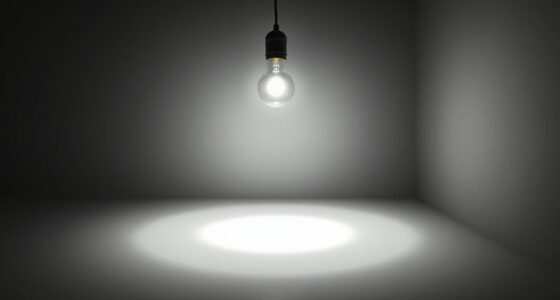
Lighting is one of the most vital elements in macro photography, as it can dramatically affect the detail, color, and overall quality of your images. When shooting close-up subjects, the way light interacts with tiny details makes all the difference. One effective technique is using diffuse lighting, which softens shadows and reduces harsh highlights. You can achieve this by placing a diffuser—such as a softbox, a piece of white fabric, or even a plastic milk jug—between your light source and the subject. Diffuse lighting spreads evenly across the subject, revealing intricate textures and subtle color gradations without creating distracting glare or deep shadows. This approach is especially helpful when capturing fragile subjects like insects, flowers, or textured surfaces, where even minor shadows can obscure fine details. Additionally, controlling the light angle is crucial for emphasizing specific textures and features effectively.
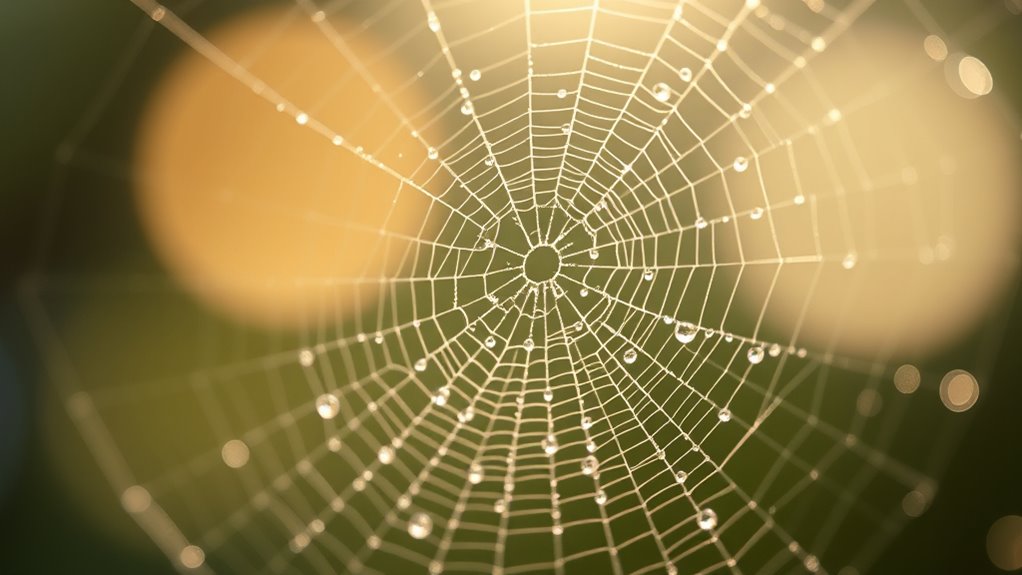
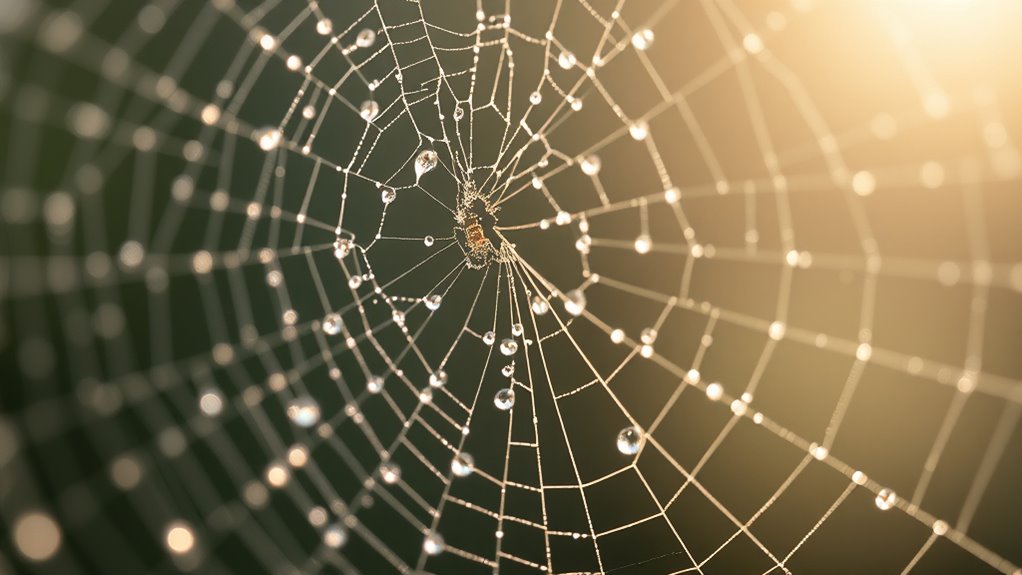
Backlighting is another powerful technique that can add drama and depth to your macro shots. By positioning your light source behind the subject, you illuminate it from the rear, creating a glowing outline that highlights edges and shapes. Backlighting is particularly effective when photographing translucent or semi-transparent subjects, such as petals, wings, or thin leaves, as it accentuates their internal structures and textures. To maximize this effect, you might need to adjust your camera’s exposure settings to prevent the background from becoming overly bright or washed out. Often, combining backlighting with reflectors or diffusers can help control the light’s intensity, ensuring the details are visible without losing the luminous quality.
When experimenting with diffuse lighting and backlighting techniques, keep in mind that the angle and distance of your light source play vital roles. For diffuse lighting, positioning your diffuser close to the subject ensures soft, even illumination. For backlighting, placing the light behind and slightly above or below the subject can create striking silhouettes or halo effects, emphasizing fine edges. You should also consider the natural ambient light in your environment; supplementing it with diffused artificial light can give you greater control over the overall exposure and mood of your shot.
Ultimately, mastering these lighting techniques allows you to reveal the tiny world with clarity and vibrancy. Diffuse lighting enhances surface details by softening shadows, while backlighting adds depth and a sense of translucency. Combining these approaches thoughtfully can elevate your macro photography, making your images more compelling and richly detailed. Experiment with different setups, and you’ll discover how light shapes the perception of your miniature subjects, turning simple shots into captivating images.

Macro Photography Flash Softbox Diffuser Kit, for Macro Jewelry Insect Photography,Portable Speedlite Flash Diffuser Softbox,Compatible with all macro lenses, zoom lenses, etc(Focus Lamp Not Included)
【Compatibility】: The large size of the macro flash diffuser softbox is perfect for 100 mm macro lenses, Such…
As an affiliate, we earn on qualifying purchases.
As an affiliate, we earn on qualifying purchases.
Frequently Asked Questions
How Do I Prevent Reflections in Macro Lighting Setups?
To prevent reflections in your macro lighting setup, use diffuse reflectors to soften harsh light and spread it evenly. Additionally, incorporate polarization filters on your camera lens to reduce glare and unwanted reflections from shiny surfaces. Adjusting the angle of your light source can also help minimize reflections. Combining these techniques ensures clearer, more detailed images without distracting reflections, making your macro shots look professional and polished.
What Are the Best Portable Lighting Options for Macro Photography?
You should consider portable LED panels and ring flashes for macro photography. LED panels are lightweight, adjustable, and provide consistent lighting, making them perfect for on-the-go shoots. Ring flashes offer even, shadow-free illumination and help you prevent reflections. Both options are compact and easy to carry, giving you versatile lighting solutions whether you’re outdoors or in a studio. These tools enhance detail and clarity in your macro images while remaining highly portable.
How Can I Control Shadows in Close-Up Shots?
Did you know that using diffuse light can reduce shadows by up to 50%? To control shadows in close-up shots, you should focus on softening your light source. Use diffusers, such as a piece of translucent fabric or a dedicated softbox, to spread light evenly. Position your light at different angles and experiment until shadows are minimized, ensuring your macro subject is evenly illuminated and the details are clearly visible.
What Is the Ideal Color Temperature for Macro Lighting?
The ideal color temperature for macro lighting is around 5500K, which mimics natural daylight and provides accurate color reproduction. Use a light meter to measure your light’s color temperature and verify consistency. If your lights are too warm or cool, adjust the temperature settings on your lighting equipment or use gels to fine-tune the color. This helps your subject look natural and vibrant in your macro shots.
How Do I Achieve Even Lighting in Complex Macro Subjects?
Think of your macro subject as a delicate dance partner needing even lighting. To achieve this, you’ll want to use diffusion techniques and light modifiers like softboxes or diffusers to spread light evenly. Position your light sources at different angles, and avoid harsh shadows. This approach guarantees your tiny details are illuminated uniformly, making your macro shots look polished while highlighting every intricate feature without unwanted glare.
Photography Diffuser Fabric 78.7 x 59 Inches/ 2 x 1.5M Nylon Light Modifier Cloth for Lighting Softbox, Light Box Tents, Panel
Diffusion Fabric: Effectively soften the light of natural light and all kinds of film and photography lights.
As an affiliate, we earn on qualifying purchases.
As an affiliate, we earn on qualifying purchases.
Conclusion
Mastering lighting in macro photography is like shining a flashlight on a tiny world—you reveal its secrets and beauty. I once struggled to capture the delicate veins of a leaf until I adjusted my light angle, and suddenly, everything came alive. Remember, the right lighting transforms your shots from ordinary to extraordinary. Keep experimenting, and soon you’ll disclose the hidden stories waiting in the smallest details, just like uncovering a hidden treasure in a tiny, glowing gem.
Macro Photography Flash Softbox Diffuser Kit, for Macro Jewelry Insect Photography,Portable Speedlite Flash Diffuser Softbox,Compatible with all macro lenses, zoom lenses, etc(Focus Lamp Not Included)
【Compatibility】: The large size of the macro flash diffuser softbox is perfect for 100 mm macro lenses, Such…
As an affiliate, we earn on qualifying purchases.
As an affiliate, we earn on qualifying purchases.

5-in-1 Photography Reflector 12"(30cm), Multi-Disc Collapsible Light Reflector with Bag – Super Portable for Studio/Macro Photography – Translucent, Silver, Gold, White and Black
5-in-1 Versatile Light Effects: Includes gold, silver, white, black, and translucent covers. Gold warms image; Silver enhances brightness;…
As an affiliate, we earn on qualifying purchases.
As an affiliate, we earn on qualifying purchases.