
TL;DR
Researchers at the University of Hong Kong have developed a new type of stainless steel, called SS-H2, that withstands high potentials and corrosion in seawater electrolysis. This breakthrough could lower costs and improve durability for green hydrogen production from seawater, a key step toward sustainable energy.
Researchers at the University of Hong Kong have announced the development of a new ultra stainless steel, designated SS-H2, that resists corrosion under the extreme electrochemical conditions of seawater electrolysis, a breakthrough that could significantly lower costs for green hydrogen production.
The HKU team, led by Professor Mingxin Huang, developed SS-H2 through a novel ‘sequential dual-passivation’ process, creating a second protective layer of manganese on top of the traditional chromium oxide film. This allows the steel to withstand potentials up to 1700 mV, far beyond the limits of conventional stainless steel, which typically fails at around 1000 mV.
Compared to titanium-based materials used in current industrial electrolyzers, SS-H2 is much more economical. The team estimates that replacing traditional structural materials with SS-H2 could reduce costs by approximately 40 times for large-scale systems, making seawater electrolysis more feasible and affordable.
Why It Matters
This advancement addresses a major obstacle in green hydrogen technology: durable, cost-effective materials capable of withstanding the corrosive environment of seawater electrolysis. If scalable, SS-H2 could enable widespread adoption of seawater-based hydrogen production, supporting global efforts to transition to renewable energy sources and reduce reliance on fossil fuels.

BALABULALA Stainless Steel Cable Tie Gun Kit, 100pcs 11.8inch Heavy Duty Metal Zip Ties, Self-Locking UV & Corrosion Resistant Stainless Steel Zip Ties, for Fence, Exhaust Pipe, Chicken Coop, Farm Use
304 Stainless Steel Construction
As an affiliate, we earn on qualifying purchases.
As an affiliate, we earn on qualifying purchases.
Background
Producing green hydrogen via electrolysis requires materials that can endure high potentials and corrosive saltwater environments. Currently, expensive materials like titanium coated with precious metals are used, increasing costs. Previous research by the HKU team has focused on developing corrosion-resistant alloys, including anti-COVID stainless steel and ultra-strong ‘Super Steel,’ but the new SS-H2 specifically targets the high potentials encountered in seawater electrolysis.
“This breakthrough opens new avenues for affordable, durable seawater electrolyzers, bringing us closer to large-scale green hydrogen production.”
— Professor Mingxin Huang
“The manganese-based passivation layer was initially counterintuitive, but atomic-level results convinced us of its stability at high potentials.”
— Dr. Kaiping Yu

OKUMEYR Water Quality Electrolyzer Rods for Precision Testing and Electrolyzer Components, Pure Iron and Aluminum Materials, Suitable for Scientific Experiments and Water Analysis
Accurate and reliable: this water quality electrolyzer rod provides precise measurements, ensuring you have accurate information about your…
As an affiliate, we earn on qualifying purchases.
As an affiliate, we earn on qualifying purchases.
What Remains Unclear
While the laboratory results are promising, it remains unclear how SS-H2 will perform in long-term, real-world industrial settings. Challenges related to large-scale manufacturing, integration into existing electrolyzer systems, and durability over extended periods are still being addressed.
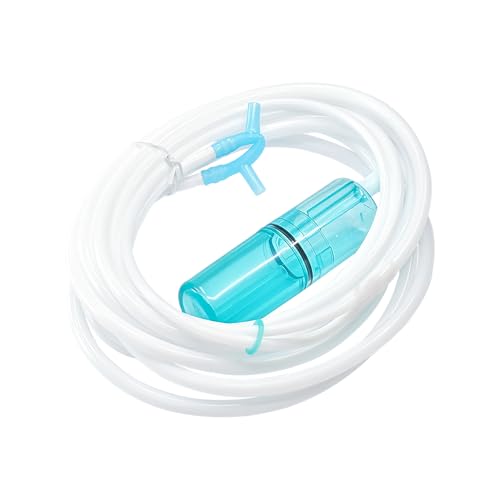
Ultra-Soft Hydrogen & Oxygen Nasal Cannula with Crush-Resistant Tubing, Reusable Design, 3-Meter (9.8 FT) Length Ideal for Home Use, Equipped with Green Water Trap (Hydrogen Generator Sold Separately)
Premium Comfort & Skin-Friendly Design: Enjoy lasting comfort throughout the day with our extra-soft nasal cannula. Made with…
As an affiliate, we earn on qualifying purchases.
As an affiliate, we earn on qualifying purchases.
What’s Next
The research team plans to conduct pilot tests of SS-H2 in operational electrolyzers to assess long-term stability and performance. Simultaneously, efforts are underway to scale up production and seek further patents. Industry collaborations are expected to follow, aiming to commercialize the material within the next few years.

Welding Metallurgy and Weldability of Stainless Steels
As an affiliate, we earn on qualifying purchases.
As an affiliate, we earn on qualifying purchases.
Key Questions
What makes SS-H2 different from traditional stainless steel?
SS-H2 features a second manganese-based protective layer formed through a dual-passivation process, enabling it to resist corrosion at much higher electrochemical potentials than conventional stainless steel.
Why is resisting high potentials important for seawater electrolysis?
High potentials are necessary to drive water splitting efficiently, but they can cause corrosion and damage in standard materials. SS-H2’s resistance at these potentials improves durability and reduces costs.
Could this steel replace titanium in industrial electrolyzers?
Potentially, yes. SS-H2 offers a more economical alternative to titanium-based components, but further testing is needed to confirm long-term performance and compatibility in industrial systems.
When might this technology become commercially available?
If pilot tests are successful, industry partnerships could lead to commercialization within the next few years, but this timeline depends on further validation and scaling efforts.