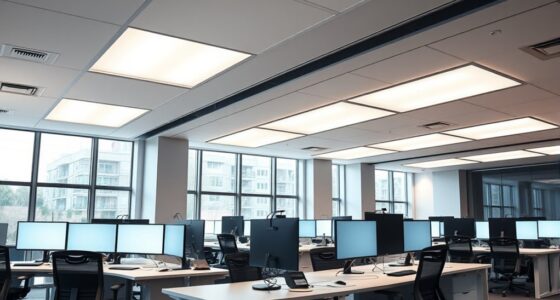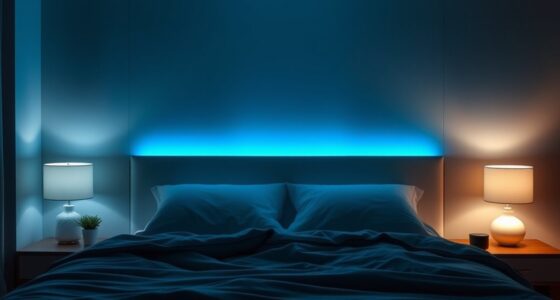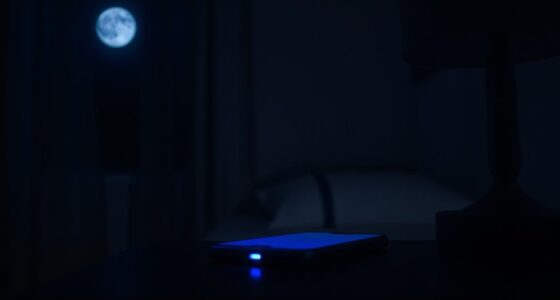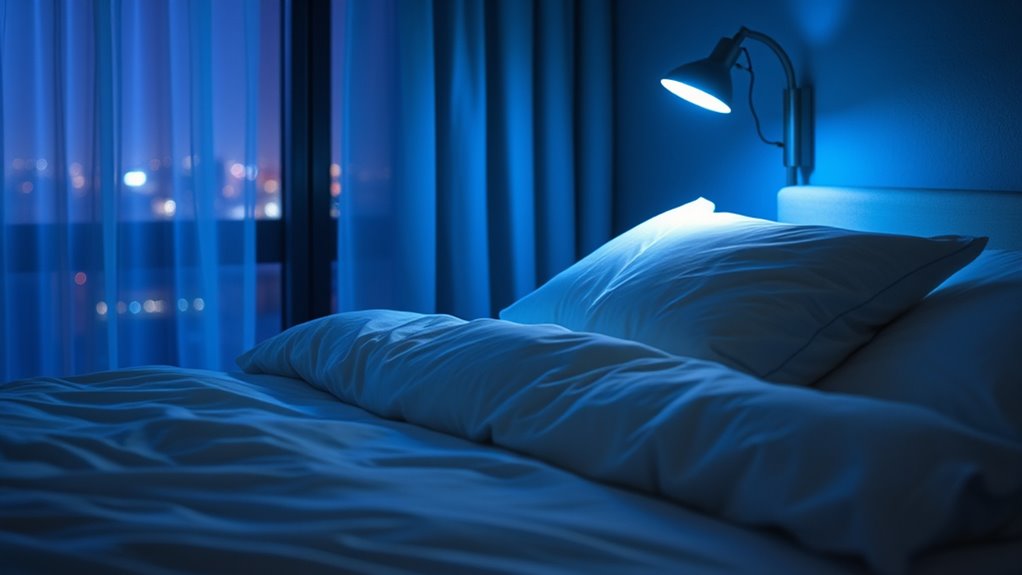
Artificial light at night can harm your sleep quality by disrupting your natural circadian rhythms and lowering melatonin production. When exposed to artificial light, especially blue wavelengths, your brain interprets it as daytime, making it harder to fall asleep and stay asleep. Over time, this can cause sleep disturbances and affect your overall health. To better understand how to protect your sleep from light pollution, keep exploring the ways to minimize its impact.
Key Takeaways
- Artificial light at night suppresses melatonin production, disrupting sleep onset and quality.
- Exposure to blue wavelengths from artificial lighting interferes with natural circadian rhythms.
- Light pollution delays sleep timing and reduces total sleep duration over time.
- Reducing evening light exposure with dimming or blackout curtains improves sleep quality.
- Maintaining darkness at night supports healthy sleep patterns and overall well-being.
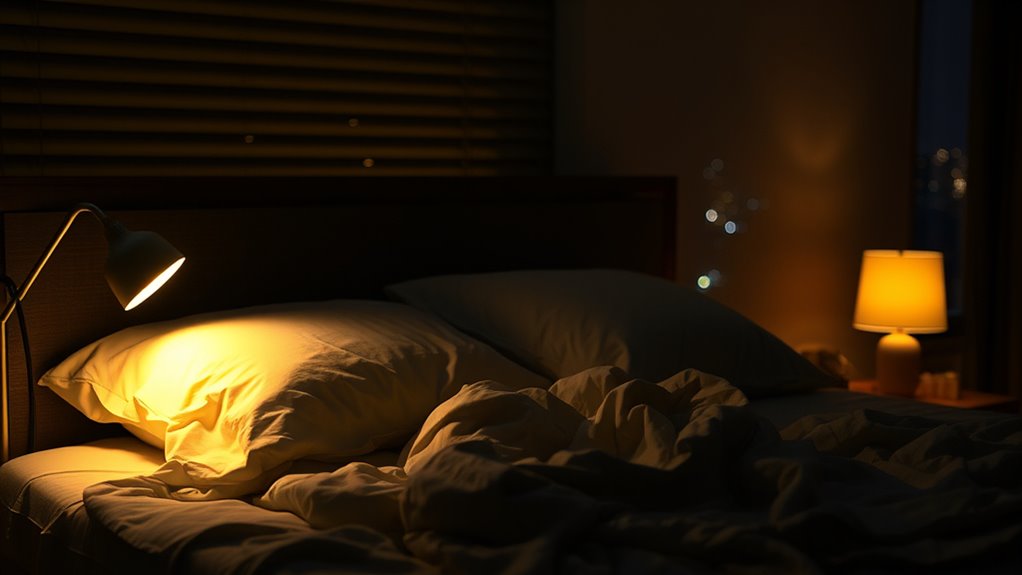
Have you ever wondered how artificial light at night affects your sleep? The glow of streetlights, screens, and indoor lighting creates a phenomenon known as light pollution, which profoundly impacts your body’s natural rhythms. When your environment is flooded with artificial light during nighttime hours, it disrupts your circadian rhythm—the internal clock that guides your sleep-wake cycle. This disruption isn’t just about feeling alert or tired; it has real biological consequences. One of the primary effects is melatonin suppression. Melatonin is a hormone your body produces in response to darkness, signaling that it’s time to wind down and prepare for sleep. When you’re exposed to artificial light, especially the blue wavelengths emitted by screens and modern lighting, your brain receives signals that it’s still daytime. As a result, melatonin production decreases, making it harder for you to fall asleep and stay asleep throughout the night.
Light pollution doesn’t just dim the night sky; it actively interferes with your sleep health. When your environment is brightly lit, your brain interprets this as a cue to stay alert, which delays the onset of sleep. Over time, this can lead to a decreased total sleep duration and poorer sleep quality. Additionally, suppressed melatonin levels don’t just affect sleep timing—they can also influence other biological processes. Melatonin acts as an antioxidant and supports immune function, so its suppression has broader health implications beyond just feeling tired. Chronic exposure to light pollution at night can lead to irregular sleep patterns, increased sleep fragmentation, and even long-term health issues like metabolic disorders and mood disturbances.
To protect your sleep quality, minimizing your exposure to artificial light before bed is essential. Consider dimming your indoor lights an hour or two before sleep, turning off screens or using blue light filters, and creating a darker sleeping environment. Wearing blackout curtains or using eye masks can also help reduce the effects of external light pollution if you sleep in urban areas. Remember, your body’s natural rhythm evolved to follow the day-night cycle, and artificial light at night works against that. By reducing your exposure, you give your body a better chance to produce melatonin naturally, helping you fall asleep faster, stay asleep longer, and wake up feeling more refreshed. Protecting yourself from light pollution isn’t just about saving the night sky; it’s about safeguarding your health and sleep quality for the long term.

100% Blackout Curtains for Bedroom Portable Window Blinds Cover Adhesive Thermal Blackout Blinds No Drill Guard Blind for Window Shades Temporary Room Darkening Shades for Skylight RV Dorm(79×57 inch)
100% Blackout blind: Portable blackout curtains for bedroom are made of safe and non-toxic materials, can fit well…
As an affiliate, we earn on qualifying purchases.
As an affiliate, we earn on qualifying purchases.
Frequently Asked Questions
How Does Artificial Light Affect Melatonin Production?
Artificial light, especially from screens and streetlights, suppresses your melatonin production, making it harder for you to fall asleep. Light pollution disrupts your circadian rhythm, leading to circadian disruption that affects your sleep cycle. When exposed to artificial light at night, your body receives signals that it’s daytime, reducing melatonin levels and impairing your sleep quality. To improve sleep, minimize exposure to artificial light before bedtime.
Are Certain Types of Artificial Light More Disruptive Than Others?
Like a thief in the night, certain artificial lights steal your sleep. Blue light from LED lighting is particularly disruptive, more so than warm or dim lights. It suppresses melatonin more effectively, making it harder for you to fall asleep. You should limit exposure to blue light in the evening, especially from screens and bright LED bulbs, to protect your sleep quality and maintain natural sleep rhythms.
Can Sleep Quality Improve With Specific Light-Dimming Devices?
Yes, your sleep quality can improve with specific light dimming devices. Using light dimming technology helps you create a sleep environment optimized for rest by reducing blue light exposure before bedtime. You can gradually lower light levels, signaling your body to prepare for sleep. This simple adjustment encourages melatonin production, making it easier to fall asleep and enjoy restorative sleep throughout the night.
Does Exposure to Artificial Light at Night Impact Mental Health?
Imagine you’re exposed to bright screens late at night, and your circadian rhythm gets disrupted. This circadian disruption often leads to mood disturbances, making you feel anxious or depressed. Artificial light at night can markedly impact your mental health by interfering with natural hormone production and sleep patterns. Reducing evening light exposure helps restore your circadian balance, improving overall mood and mental well-being.
What Are the Long-Term Health Effects of Artificial Light Exposure?
Long-term exposure to artificial light can cause circadian disruption, throwing off your body’s natural clock, and leading to endocrine imbalance. This disruption may increase your risk for chronic conditions like obesity, diabetes, and cardiovascular disease. You might also experience mood swings and decreased immunity over time. Protect your health by minimizing nighttime light exposure, especially before bed, to support your circadian rhythms and maintain hormonal balance.
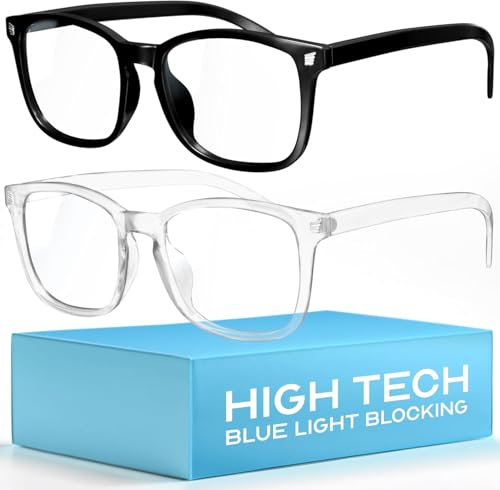
livho High Tech Blue Light Glasses – Advanced Blue Light Blocking Computer Glasses – Screen Fatigue & UV Protection
Elevate your screen time comfort with these stylish women's/men's eyewear frame blue light blocking glasses, designed to reduce…
As an affiliate, we earn on qualifying purchases.
As an affiliate, we earn on qualifying purchases.
Conclusion
In short, artificial light at night can seriously disrupt your sleep quality, making it harder to rest and recharge. You might think it’s no big deal, but it’s a classic case of missing the forest for the trees. To protect your sleep, try dimming lights before bed and avoiding screens. Remember, a good night’s sleep is worth its weight in gold, so don’t overlook the power of darkness in restoring your health and well-being.

Fygrip 3D Eye Mask Sleep Mask for Men & Women, 100% Pressure-Free & Light Block-Out Eye Mask for Sleep with Easy Adjustable Strap, Night Eye Cover for Travel, Black
【100% Pressure-Free】: Patented 3D contour design with deep & wide eye pockets provides large space for your eyes…
As an affiliate, we earn on qualifying purchases.
As an affiliate, we earn on qualifying purchases.

AUVON Plug-in LED Backlit Night Light with Motion Sensor & Dusk to Dawn Sensor, Dimmable Warm White Nightlight with 1-50 lm Adjustable Brightness for Bedroom, Bathroom, Stairs, Hallway (4 Pack)
Diffuse Backlit Design: AUVON backlit night light features 16 LED bulbs with uniform luminescence and produces diffuse backlight…
As an affiliate, we earn on qualifying purchases.
As an affiliate, we earn on qualifying purchases.