Studies show that full-spectrum office lighting can greatly reduce eye strain by mimicking natural daylight, helping you see more clearly and stay comfortable. It supports your circadian rhythm, keeping you alert during work hours and helping your body prepare for rest later. Proper lighting reduces the need for your eyes to constantly adjust, decreasing fatigue over time. To discover how adjusting your workspace lighting can benefit your vision and well-being, keep exploring the details.
Key Takeaways
- Studies indicate full-spectrum lighting reduces eye fatigue by providing balanced, natural-like wavelengths that ease visual strain.
- Research shows adjustable full-spectrum lighting supports circadian rhythms, improving alertness and reducing discomfort during long work periods.
- Evidence suggests that proper color temperature in office lighting enhances visual clarity and minimizes the need for constant pupil adjustment.
- Findings demonstrate that full-spectrum lighting decreases headaches and eye discomfort compared to standard or harsh lighting environments.
- Multiple studies confirm that workplaces with full-spectrum, adjustable lighting improve worker well-being and productivity by reducing eye strain.

Many office workers experience eye strain, especially when lighting conditions are suboptimal. One key factor influencing this discomfort is the color temperature of your workspace lighting. Color temperature refers to the warmth or coolness of the light, measured in Kelvin (K). Cooler light, with higher Kelvin numbers, mimics daylight and is often associated with alertness and focus. Warmer light, on the other hand, produces a softer, more relaxing glow. When your office lighting doesn’t match the natural light cycle or feels mismatched in color temperature, your eyes may strain more. This mismatch can cause your pupils to constantly adjust, leading to fatigue and discomfort over time.
Research indicates that lighting with an appropriate color temperature can help mitigate eye strain by providing visual comfort and clarity. Full-spectrum lighting, which closely resembles natural daylight, offers a balanced range of wavelengths, reducing the harshness that often causes eye fatigue. When your workspace incorporates this kind of lighting, your eyes don’t have to work as hard to focus or adjust to inconsistent light sources. This balance is especially important during long working hours, where cumulative eye strain can impact productivity and well-being. Additionally, the use of Full-spectrum lighting can support better visual acuity and reduce headaches related to poor lighting conditions.
Proper full-spectrum lighting reduces eye fatigue and enhances comfort during long work hours.
Another critical aspect connected to lighting is your circadian rhythm—the natural biological clock that regulates sleep-wake cycles. The circadian rhythm is sensitive to light, and exposure to certain light wavelengths at specific times of day can either support or disrupt it. During daytime hours, exposure to bright, blue-enriched light helps keep your circadian rhythm aligned, promoting alertness and focus. Conversely, in the evening, warmer, dimmer lighting signals your body to prepare for rest. When your office lighting is mismatched with your circadian needs—such as harsh, cool light late in the day—it can interfere with your sleep patterns, leading to fatigue and increased eye strain the next day.
Studies show that adjusting your office lighting to match natural light patterns can improve eye comfort and overall health. Full-spectrum lights with adjustable color temperature settings allow you to customize your environment—using cooler tones during work hours and warmer tones later in the day. This approach not only reduces eye strain but also supports your circadian rhythm, helping you stay alert when needed and wind down when it’s time to rest. By aligning your workspace lighting with natural light cycles, you create a healthier, more comfortable environment that minimizes eye discomfort and enhances your well-being throughout the workday.
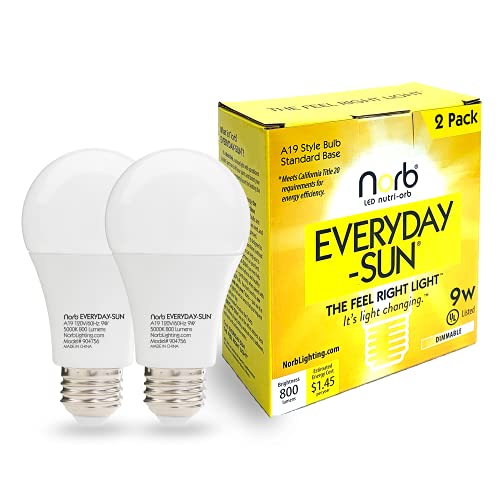
Norb Everyday Sun Light Bulb – Full Spectrum Wellness Lighting, Sunlight-Mimicking Technology for Energy, Mood & Performance. Supports Sleep/Wake Cycles, 5000K, 9W, US Based, Budget-Priced (2-Pack)
Full Spectrum Light Bulb – Boost your mood, energy, and productivity with our bright, daylight LED light bulbs…
As an affiliate, we earn on qualifying purchases.
As an affiliate, we earn on qualifying purchases.
Frequently Asked Questions
How Does Full-Spectrum Lighting Compare to LED Lighting for Eye Health?
You might wonder how full-spectrum lighting compares to LED lighting for eye health. Full-spectrum lighting offers better color rendering, making everything appear more natural and reducing eye strain. It also minimizes melatonin suppression, helping you maintain better sleep patterns. LED lighting can sometimes cause more glare and disrupt your circadian rhythm. Overall, full-spectrum lighting tends to support healthier eyes by providing a more balanced, natural light environment.
Can Specific Light Colors Reduce Eye Strain During Prolonged Computer Use?
You might find that specific light colors, like soft blues and greens, can help reduce eye strain during long computer sessions. Color therapy suggests these hues relax your eyes, while circadian benefits mean they support your natural sleep-wake cycle. By choosing lighting with calming colors, you can lessen discomfort and improve focus, making prolonged use more comfortable and less taxing on your eyes.
What Are the Long-Term Effects of Full-Spectrum Lighting on Vision?
You might wonder about the long-term effects of full-spectrum lighting on your vision. Prolonged exposure can disrupt melatonin production, affecting sleep patterns, and may lead to retinal damage over time. While some studies suggest benefits for eye health, others raise concerns about these risks. It is crucial to balance lighting choices to protect your eyes and overall well-being, especially if you spend many hours under artificial light.
Are There Recommended Lighting Levels for Different Office Tasks?
Your eyes deserve a superhero’s shield! For different office tasks, you should aim for specific lighting levels. An ergonomic desk setup benefits from bright, even lighting to reduce strain, ideally mimicking natural light for comfort. For detailed work, like reading or writing, higher illumination around 500-1000 lux is recommended, while softer lighting suits brainstorming or relaxing areas. Adjust your lighting to match the task, and your vision will thank you!
How Quickly Can Users Notice Improvements in Eye Comfort With New Lighting?
You might notice improvements in eye comfort within a few days after adjusting your lighting. When you tweak the color temperature and make lighting adjustments, your eyes respond quickly, often within hours. Proper lighting reduces strain, so you feel less tired and more comfortable. Keep in mind, consistent use of ideal lighting conditions helps maintain these benefits, ensuring your workspace supports better visual health over time.

Verilux SmartLight Full Spectrum LED Modern Floor Lamp with Adjustable Brightness, Flexible Gooseneck and Easy Controls – Reduces Eye Strain and Fatigue – Ideal for Reading, Artists, Craft (White)
Full Spectrum, LED Light – Long-lasting, LED light delivers better brilliance and truer color for reading and performing…
As an affiliate, we earn on qualifying purchases.
As an affiliate, we earn on qualifying purchases.
Conclusion
So, when choosing your office lighting, think of it as painting with sunlight—full-spectrum lighting mimics natural daylight, helping reduce eye strain like a gentle river flowing smoothly. By prioritizing these lighting options, you can create a workspace that’s easier on your eyes and boosts your comfort. Remember, your environment influences how you feel and perform, so make lighting choices that brighten your day without causing unnecessary strain, just like a clear, sunny sky.

Full Spectrum Light Bulb, 6000K Natural Sunlight Bulbs, 9W 60W Equivalent LED Light Bulb, Natural Light Bulbs A19, E26/E27 LED Light Bulbs for Home, 3 Pack
💡 Enjoy Your Natural SunLight:Bring the revitalizing energy of a bright day indoors. Neporal full spectrum light bulb…
As an affiliate, we earn on qualifying purchases.
As an affiliate, we earn on qualifying purchases.

The Circadian Home Lighting Blueprint: Replace harsh lighting before bed with science-backed, room-specific upgrades that reset your sleep, boost your … focus. Try one tonight! (Eco homes Book 3)
As an affiliate, we earn on qualifying purchases.
As an affiliate, we earn on qualifying purchases.