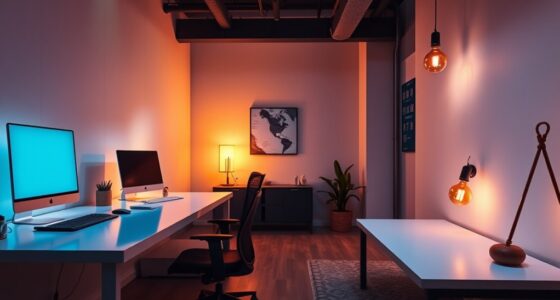
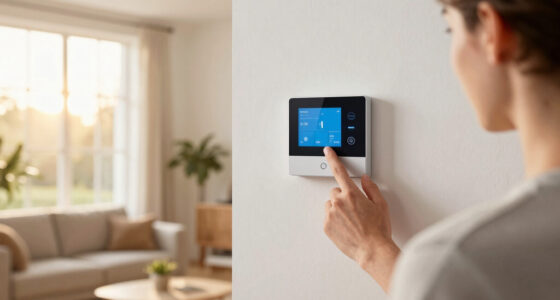
When designing lighting for elderly care facilities, it’s vital to combine natural and artificial light to guarantee safety and comfort. Use well-placed fixtures with low glare, adjustable controls, and appropriate color temperatures to help residents see clearly and feel relaxed. Incorporate daylight through windows and consider layered lighting to minimize shadows. Balancing these elements can considerably improve residents’ well-being. Explore further to discover how detailed lighting strategies can transform care environments even more effectively.

Get the latest gadgets delivered free with Prime
- Fast, free delivery on millions of items
- Prime Video, Amazon Music and more included
- Member-only deals all year
Key Takeaways
- Use layered lighting with adjustable fixtures to reduce glare and enhance safety for residents.
- Incorporate natural light through windows and skylights, balanced with controllable shading options.
- Select lighting with appropriate color temperatures: cooler for alertness, warmer for relaxation.
- Install dimmable and high-CRI lighting to improve visibility and support residents’ circadian rhythms.
- Position fixtures to minimize reflections and glare, enhancing comfort and visual clarity.

Good lighting is indispensable in elderly care facilities because it directly impacts residents’ safety, comfort, and well-being. When designing lighting, pay close attention to how color temperature influences the environment. Cooler color temperatures, like those around 4000K to 5000K, can promote alertness and help residents stay focused during daytime activities. On the other hand, warmer tones, around 2700K to 3000K, create a cozy, calming ambiance that’s ideal for evening hours and relaxation. Balancing these temperatures throughout different areas ensures that residents feel both energized and comfortable, depending on the time of day.
Proper color temperature balance enhances safety and comfort in elderly care environments.
Another critical aspect is glare reduction. As people age, their eyes become more sensitive to bright lights and glare, which can cause discomfort and even increase fall risks. To minimize glare, select lighting fixtures that diffuse light evenly and avoid direct beams into residents’ eyes. Use fixtures with frosted or textured covers, and position lights thoughtfully to prevent harsh reflections on surfaces like mirrors or shiny floors. Incorporate layered lighting—combining ambient, task, and accent lights—to provide sufficient illumination without overwhelming any single space. This layered approach helps residents navigate safely and comfortably without straining their eyes.
In addition, consider the placement and type of light sources to reduce glare further. For example, wall-mounted fixtures or recessed lighting can direct light downward or sideways, preventing glare from overhead lights. Dimmers are also valuable, giving staff and residents control over brightness levels, which can be adjusted based on activity or time of day. When selecting bulbs, opt for those with a high Color Rendering Index (CRI); this makes colors appear more natural and helps residents distinguish between objects more easily, aiding in daily activities and reducing confusion. Incorporating appropriate lighting controls can further enhance flexibility and comfort for residents and staff alike.
Natural light plays a significant role in elderly care environments, so designing windows and skylights to maximize daylight without causing glare is crucial. Use window treatments like blinds or shades that can be adjusted to control sunlight intensity, preventing excessive brightness that could lead to glare. Additionally, ensure that artificial lighting complements natural light, filling in shadows and providing consistent illumination throughout the day.
As an affiliate, we earn on qualifying purchases.
Frequently Asked Questions
How Does Lighting Impact Elderly Residents’ Mood and Mental Health?
You can improve elderly residents’ mood and mental well-being by optimizing lighting. Bright, natural light boosts mood enhancement, helping residents feel more alert and positive. Proper lighting reduces feelings of depression and anxiety, supporting mental health. By ensuring adequate illumination, especially during daytime, you create a more comfortable environment that encourages social interaction and activity, ultimately fostering a sense of well-being and overall happiness for residents.
What Are Cost-Effective Lighting Solutions for Small Care Facilities?
You can save money by choosing energy-efficient lighting such as LED bulbs, which consume less power and last longer. Incorporate smart lighting controls like motion sensors and dimmers to reduce unnecessary energy use and tailor lighting levels to residents’ needs. These solutions are cost-effective, easy to install, and enhance safety and comfort, making your small care facility more efficient while improving residents’ well-being.
How Can Lighting Be Adapted for Residents With Visual Impairments?
You can adapt lighting for residents with visual impairments by implementing adaptive lighting systems that adjust brightness and color temperature based on individual needs. Focus on enhancing visual acuity with high-contrast, glare-free lighting, and make certain pathways are well-lit to prevent falls. Using task lighting for specific activities also helps residents see clearly. These measures create a safer, more comfortable environment that supports residents’ independence and well-being.
Are There Specific Lighting Regulations for Elderly Care Environments?
In the blink of an eye, regulations for elderly care lighting have become more precise. You must follow specific lighting standards to guarantee safety compliance and ideal visibility for residents. These rules address illumination levels, glare reduction, and color rendering to promote comfort and safety. Staying updated with local and national regulations helps you create a secure environment, ensuring residents feel confident and cared for in your facility.
What Maintenance Considerations Are Important for Aging Lighting Systems?
You should regularly check aging lighting systems to guarantee optimal LED longevity and maintain energy efficiency. Replace any flickering or dimming bulbs promptly to prevent safety hazards. Clean fixtures to keep light output consistent, and consider upgrading to more durable, energy-efficient LEDs when needed. Keep a maintenance schedule to monitor performance, extend the lifespan of your lighting, and ensure a safe, well-lit environment for elderly residents.
As an affiliate, we earn on qualifying purchases.
Conclusion
Good lighting in elderly care facilities isn’t just about visibility; it’s about creating a safe haven where residents feel secure and supported. When you carefully design lighting, it becomes the guiding star that gently leads residents through their day, reducing confusion and boosting comfort. Remember, thoughtful lighting is the lighthouse guiding your residents safely home, illuminating their path with care and compassion. Prioritize it, and you’ll foster an environment where they can truly thrive.
adjustable wall-mounted lighting fixtures
As an affiliate, we earn on qualifying purchases.
As an affiliate, we earn on qualifying purchases.
window blinds for glare reduction
As an affiliate, we earn on qualifying purchases.
As an affiliate, we earn on qualifying purchases.
Halloween Picks
halloween
As an affiliate, we earn on qualifying purchases.