Blue light boosts your plants’ vegetative growth by increasing photosynthesis efficiency, which helps them produce more energy. It activates photoreceptors like cryptochromes, promoting leaf and stem development. Blue light also influences hormones like auxins, encouraging elongation and expansion. Additionally, it enhances pigment content, making plants healthier and more resilient. If you want to discover how to optimize blue light effects for stronger plants, keep exploring these essential interactions.
Key Takeaways
- Blue light enhances photosynthesis by activating chlorophyll, leading to increased energy production and vigorous vegetative growth.
- It stimulates photoreceptors like cryptochromes and phototropins, promoting leaf expansion and stem elongation.
- Blue light modulates pigment synthesis, resulting in darker, more efficient chlorophyll molecules for better light absorption.
- It influences hormone production, especially auxins, which drive stem elongation and leaf development.
- Proper blue light exposure strengthens plant structures, improving resilience and overall vegetative health.

Blue light plays a crucial role in plant growth by influencing key processes such as photosynthesis, flowering, and stem development. When you expose plants to blue light, you’re activating specific plant pigment influences that are essential for healthy vegetative growth. These pigments, including chlorophyll and other light-absorbing molecules, rely heavily on blue wavelengths to optimize energy capture. As a result, blue light enhances photosynthetic efficiency, allowing your plants to produce more energy and grow sturdily. This process isn’t random; it’s mediated through specialized photoreceptor pathways in plant cells that detect blue light and translate it into physiological responses.
Blue light enhances photosynthesis and growth by activating plant pigments and photoreceptor pathways for healthy development.
Your plants contain photoreceptors like cryptochromes and phototropins that are sensitive to blue wavelengths. When blue light hits these photoreceptors, they trigger signaling pathways that promote leaf expansion, stem elongation, and overall vigor. These pathways regulate gene expression related to growth, ensuring that the plant allocates resources effectively. For example, cryptochromes influence flowering timing and help plants adapt to changing light conditions, while phototropins coordinate directional growth toward light sources, improving light capture for photosynthesis. This precise control over growth processes underscores how essential blue light is for vegetative development.
Moreover, blue light influences plant pigment influence by modulating chlorophyll content and distribution. Plants exposed to adequate blue light tend to develop darker, more efficient chlorophyll molecules, which increases their ability to absorb light and convert it into chemical energy. This not only accelerates growth but also strengthens the plant’s overall health. The activation of photoreceptor pathways by blue light also impacts hormone production, such as auxins, which further stimulate stem elongation and leaf expansion. These effects combined result in a robust, well-structured plant capable of thriving in its environment.
Understanding how blue light interacts with plant pigment influence and photoreceptor pathways gives you the ability to optimize growth conditions. By ensuring your plants receive the right amount of blue light, you promote vigorous vegetative growth, enhanced photosynthesis, and healthier stems and leaves. Whether you’re growing indoors or outdoors, tweaking the blue light spectrum can make a significant difference in plant development. Remember, these processes are interconnected: blue light activates photoreceptor pathways, which in turn influence pigment production and growth responses. Harnessing this knowledge allows you to cultivate stronger, more resilient plants that are better equipped to reach their full potential.

Grow Lights for Indoor Plants, Garpsen Grow Light with Red Blue Full Spectrum, 2 Heads Clip 40 LEDs Plant Light for Indoor Plants, 3 Switch Modes & Auto ON/Off, 6 12 16H Timer, 5 Dimmable Levels
[Upgraded Timer 6 12 16H] Most of the plant lights with built-in controllers on the market do not…
As an affiliate, we earn on qualifying purchases.
As an affiliate, we earn on qualifying purchases.
Frequently Asked Questions
How Does Blue Light Influence Plant Flowering Timing?
Blue light influences plant flowering timing by acting as a vital flowering cue, signaling when conditions are ideal for reproduction. It affects growth regulation by promoting specific photoreceptors that trigger flowering pathways. When you provide blue light during the right period, you can accelerate or delay flowering, depending on your goals. This precise light manipulation helps you control flowering timing, ensuring your plants bloom at the most advantageous time for growth and yield.
Can Blue Light Affect Plant Resistance to Pests and Diseases?
Like a shield in a knight’s arsenal, blue light can boost your plant’s pest and disease resistance. It activates defense mechanisms, making plants less appealing to pests and more resilient against diseases. By incorporating blue light into your growth environment, you help your plants stand strong and healthy, reducing the need for chemical interventions. This natural boost enhances overall plant vigor, ensuring your garden stays lush and protected.
What Are the Best Blue Light Wavelengths for Vegetative Growth?
You should use blue light wavelengths around 440-470 nm for ideal vegetative growth. These wavelengths boost photosynthesis efficiency and promote healthy leaf pigment development, resulting in vigorous, lush plants. By providing this specific blue light spectrum, you enhance your plants’ ability to produce energy effectively and develop strong foliage. Make sure your grow lights emit within this range for the best results in vegetative stages.
How Does Blue Light Interact With Other Light Spectra in Plant Development?
You’ll find that blue light interacts with other light spectra through light spectrum synergy, enhancing plant development. It works alongside red and far-red light, optimizing processes like photosynthesis and flowering. Blue light’s photoreceptor interactions regulate growth patterns, ensuring healthy vegetative development. When combined, these spectra create a balanced light environment, boosting plant vigor and ensuring robust growth. This synergy helps your plants develop stronger stems and leaves efficiently.
Are There Any Long-Term Effects of Blue Light Exposure on Plants?
You’ll find that long-term blue light exposure influences plant adaptation by promoting sustained vegetative growth and healthy development. It can lead to stronger stems and more efficient photosynthesis, but excessive exposure may cause stress or inhibit flowering. The plant’s response depends on the light spectrum balance and duration, so monitoring and adjusting blue light levels helps optimize growth without adverse effects, ensuring your plants adapt well over time.

Uallhome 2 Pack LED Grow Light Panel 200W Lamp for Indoor Plants, Full Spectrum with White Blue Red UV IR LEDs for 4x4ft Coverage Grow Tent Greenhouse Veg and Bloom Seedlings Hydroponics
Beetter light spectrum optimization: Full spectrum lights are all-around products that can provide adequate and balanced lighting for…
As an affiliate, we earn on qualifying purchases.
As an affiliate, we earn on qualifying purchases.
Conclusion
As you harness the power of blue light, remember it’s both a gentle guide and a potent trigger for your plants’ growth. Like a quiet whisper encouraging significance, it shapes their development silently. Yet, it can also be a fierce force, pushing them toward lush, vigorous leaves. In this delicate balance, blue light becomes your secret weapon—nurturing life softly, but with undeniable strength—proving that sometimes, the smallest light holds the greatest influence.

Stick-On Under Cabinet Grow Lights with Timer, High PPFD Sun-Like Full Spectrum LED Puck Light for Indoor Plants, Succulents, Mini Spotlight for Shelves, Terrarium & Display Case (3500K Warm White)
High PPFD Spotlight & 3500K Full Spectrum:Experience professional-grade lighting with our 60-LED Full Spectrum Grow Light, engineered with…
As an affiliate, we earn on qualifying purchases.
As an affiliate, we earn on qualifying purchases.
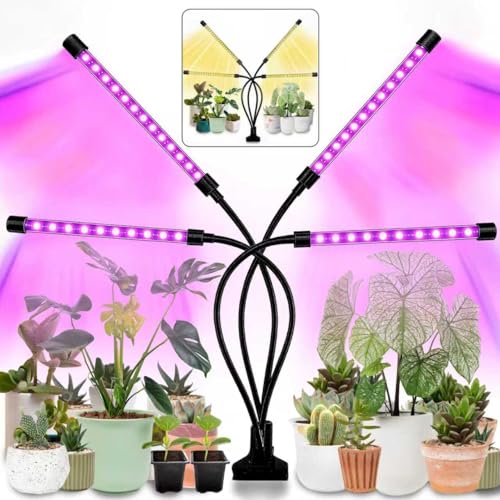
LEOTER Grow Light for Indoor Plants – Upgraded Version 80 LED Lamps with Full Spectrum & Red Blue Spectrum, 3/9/12H Timer, 10 Dimmable Level, Adjustable Gooseneck,3 Switch Modes
80 High-Efficiency Full Spectrum LED Grow Lights-LEOTER plant grow light features 80 high-efficiency LEDs (32 Red, 12 Blue,…
As an affiliate, we earn on qualifying purchases.
As an affiliate, we earn on qualifying purchases.