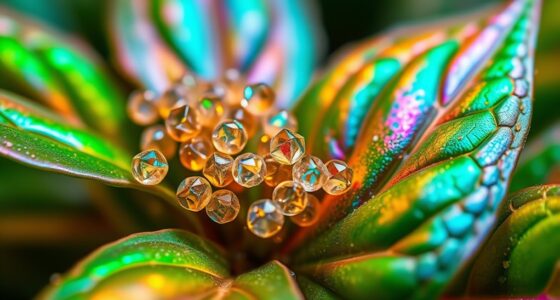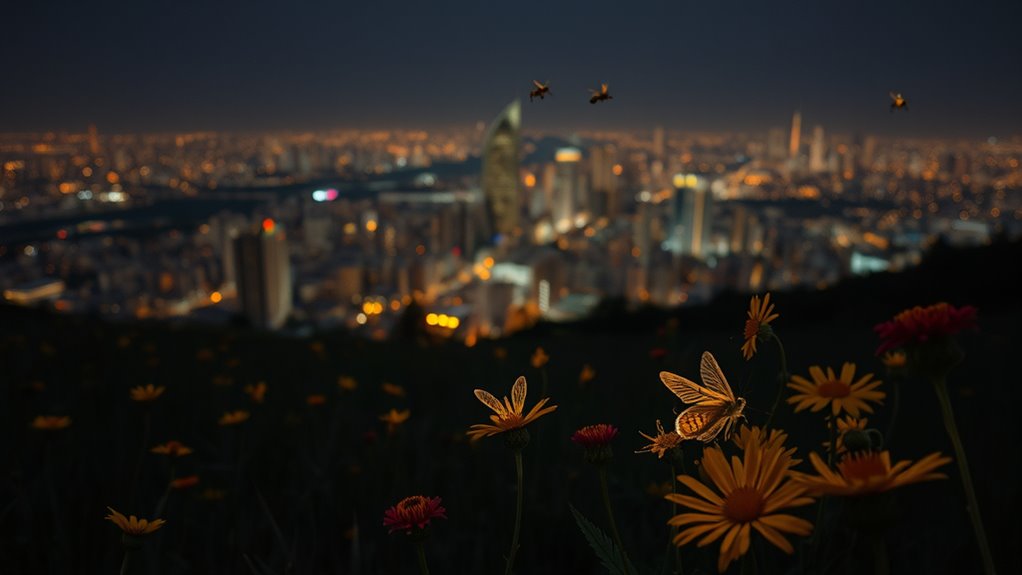

Artificial light pollution at night can seriously disrupt the natural behaviors of nocturnal pollinators like moths and bats, leading to disorientation, exhaustion, and even death. This interference reduces their ability to pollinate plants, which harms ecosystems and biodiversity. By understanding how artificial lighting affects these essential insects, you can see why responsible outdoor lighting matters. Keep going to discover how you can help protect these key pollinators and support healthier environments.
Key Takeaways
- Artificial light disrupts nocturnal pollinators’ navigation, causing disorientation and reduced foraging efficiency.
- Light pollution attracts and exhausts nocturnal insects like moths, decreasing their survival and pollination roles.
- Extended artificial illumination interferes with natural pollination cycles, threatening plant reproduction and ecosystem health.
- Using shielded, amber, or red lights and turning off unnecessary outdoor lighting can mitigate negative impacts.
- Protecting darkness preserves nocturnal pollinator behaviors, supporting biodiversity and overall ecosystem resilience.

Light pollution is more than just an aesthetic issue; it has serious consequences for pollinators like bees, butterflies, and moths. In urban environments, artificial lighting from streetlights, billboards, and buildings creates a bright, unnatural glow that disrupts natural nighttime conditions. This excessive urban lighting confuses nocturnal pollinators, which rely on darkness to navigate, forage, and perform crucial roles in ecosystems. When the night sky is filled with artificial light, these pollinators struggle to find their way, often becoming disoriented or avoiding lit areas altogether. As a result, their ability to efficiently pollinate plants diminishes, impacting plant reproduction and the broader health of ecosystems.
Your presence and actions in cities can influence the extent of light pollution and its impact on nocturnal pollinators. Bright, poorly designed urban lighting can drown out the subtle cues these insects depend on. Many nocturnal pollinators, such as moths, are attracted to artificial lights, which can lead to exhaustion, increased predation, or even death. This phenomenon, known as disorientation, causes them to circle around light sources instead of heading toward their natural food sources. Over time, this behavior can considerably reduce their populations. Butterflies and bees, although primarily diurnal, also have nocturnal or crepuscular species that are affected by the extended hours of artificial illumination. When their natural behaviors are disrupted, their ability to pollinate plants diminishes, which can threaten local plant diversity and food sources for other wildlife.
As someone living in or near urban areas, you have the power to reduce the negative effects of urban lighting on nocturnal pollinators. Simple steps like using shielded light fixtures, choosing amber or red-colored bulbs, and turning off unnecessary outdoor lights can make a big difference. These measures help minimize skyglow and prevent artificial light from spilling into natural habitats. When you advocate for responsible lighting practices, you support the preservation of the natural behaviors of nocturnal pollinators. This not only benefits their populations but also ensures that the plants relying on them for pollination can thrive. Additionally, understanding that light pollution can affect other animals and ecosystems emphasizes the importance of mindful lighting choices.
Ultimately, understanding the connection between urban lighting and nocturnal pollinators highlights the importance of mindful lighting choices. Reducing light pollution isn’t just about saving energy or improving our night sky; it’s about protecting the delicate balance of life that depends on darkness. By making conscious decisions about outdoor lighting, you help safeguard these essential pollinators and maintain healthier, more resilient ecosystems for future generations.

VOLT 12V Waterproof IP68 3-in-1 in-Grade Light (Shielded Top)
- Versatile 3-in-1 Fixture: Use underwater, in-grade, or as well light
- Waterproof Design: IP68 rated, submersible to 1 meter
- Durable Materials: Cold forged brass and PVC body
As an affiliate, we earn on qualifying purchases.
As an affiliate, we earn on qualifying purchases.
Frequently Asked Questions
How Does Light Pollution Affect Nocturnal Pollinators Specifically?
Light pollution disrupts nocturnal pollinators by impairing their natural nocturnal behavior and increasing their light sensitivity. When artificial lights glow, these pollinators struggle to navigate and find flowers, leading to reduced pollination efficiency. You might notice fewer pollinators at night, which can threaten plant reproduction. By reducing light pollution, you help preserve their natural activities, ensuring healthy ecosystems and successful pollination processes.
Are Certain Types of Artificial Lighting More Harmful to Pollinators?
Certain types of artificial lighting spectra are more harmful to pollinators because they attract and disorient them, disrupting their natural behaviors. You should advocate for better urban lighting policies that prioritize low-impact spectra, like amber or red lights, which are less attractive to pollinators. By choosing these safer options, you help protect nocturnal pollinators and maintain healthy ecosystems.
What Are the Long-Term Ecological Impacts of Reduced Pollinator Activity?
Reduced pollinator activity threatens ecosystem stability and plant reproduction. As pollinators decline, plants struggle to reproduce, leading to a loss of biodiversity and disrupted food chains. Over time, this imbalance can cause habitat degradation and diminish resources for other species, including humans. You might notice fewer fruits, vegetables, and flowers, highlighting how crucial pollinators are for maintaining healthy, resilient ecosystems that support life on Earth.
Can Urban Planning Reduce Light Pollution to Protect Pollinators?
Sure, urban design can definitely help reduce light pollution and save pollinators. By implementing smart lighting policies—like dimming unnecessary lights, using shielded fixtures, and turning off lights during peak pollination hours—you make your city more eco-friendly. Thoughtful policy implementation guides these changes, creating a habitat where pollinators thrive without being dazzled by neon distractions. Who knew good urban planning could be so naturally pollinator-friendly?
How Can Individuals Contribute to Minimizing Light Pollution for Pollinator Health?
You can help minimize light pollution by raising community awareness about its impact on pollinators and encouraging others to take action. Use personal lighting wisely—install fixtures that direct light downward, use lower wattage bulbs, and turn off outdoor lights when not needed. Your efforts not only protect pollinator health but also promote a healthier environment for everyone. Small changes, when shared, can make a big difference in reducing light pollution.

DiCUNO E26 Edison Bulbs 60W, 2200K Amber Warm, Amber Glass, 600LM, 2-Pack
- Warm Amber Glow: 2200K soft retro lighting ambiance
- Energy Efficient: 90% energy savings compared to incandescent
- Long Lifespan: 25,000 hours of use
As an affiliate, we earn on qualifying purchases.
As an affiliate, we earn on qualifying purchases.
Conclusion
As you can see, light pollution takes a toll on pollinators, disrupting their natural behaviors and threatening ecosystems. By reducing unnecessary lighting, you can help turn the tide and give pollinators a fighting chance. Remember, every small step counts—it’s like shining a light in the dark for these essential creatures. Together, you can make a difference and keep our planet buzzing with life. Don’t wait until the cows come home; act now for brighter, healthier skies.

Par38 Red Flood Light Bulb – 15W (100Watt Equivalent) – E26 Base Red LED Flood Lights 2 Pack, Party Decoration, Porch, Home Lighting, Holiday Lighting, Light Bulb Outdoor Indoor
- Energy Efficient: 15W bulb, 100W equivalent
- Long Lifespan: Lasts up to 25,000 hours
- Versatile Use: Ideal for various occasions and settings
As an affiliate, we earn on qualifying purchases.
As an affiliate, we earn on qualifying purchases.
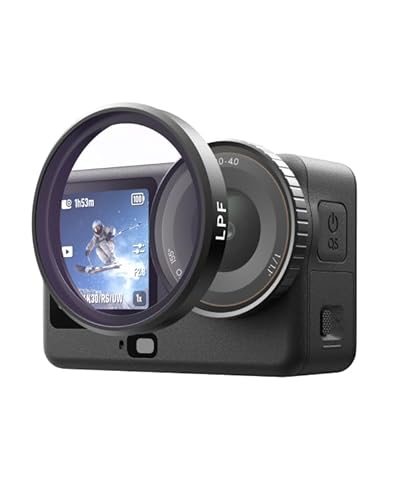
TELESIN LPR Light Pollution Reduction Filter for DJI Osmo Action 6, Night Clear Filter, Reduce Light Pollution, Enhance Stars & City Night Shots, HD Optical Glass, Nano Multi-Coated
- Light Pollution Reduction: Clearer night skies and sharper stars
- Enhanced Low-Light Contrast: Improves details and vivid colors
- High-Quality Optical Glass: True color reproduction, no color cast
As an affiliate, we earn on qualifying purchases.
As an affiliate, we earn on qualifying purchases.