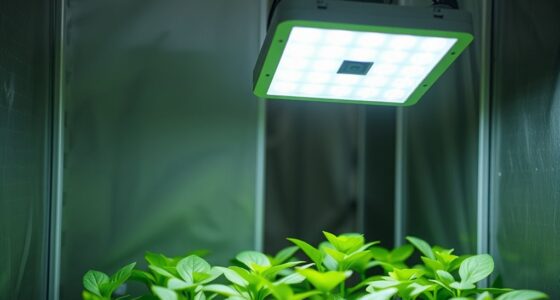

To break dormancy in bulbs, you need to provide adequate light exposure, which signals them to exit rest and start growing. Use natural sunlight or grow lights to guarantee they receive consistent, bright light. Along with proper watering and good soil drainage, this encourages sprouting and healthy root development. As light triggers growth, monitoring other conditions helps ensure success. Keep exploring for more tips to help your bulbs thrive beyond dormancy.
Key Takeaways
- Provide consistent, bright light to bulbs to signal the end of dormancy and initiate sprouting.
- Use natural sunlight or grow lights to ensure adequate light levels during the dormancy break.
- Increase light exposure gradually as bulbs prepare to exit dormancy for healthy growth.
- Combine proper lighting with appropriate watering and soil conditions for successful dormancy transition.
- Monitor environmental cues like foliage yellowing to determine when bulbs are ready to respond to increased light.

Many bulb varieties require a period of dormancy to trigger healthy growth, and light plays a vital role in breaking this rest period. To successfully encourage your bulbs to sprout, you need to pay close attention to their dormancy conditions, including watering schedules and soil drainage. During dormancy, bulbs rest in the soil, conserving energy, but when the right light conditions are met, they begin to grow actively. Knowing how to manage these factors ensures you get vibrant blooms at the right time.
Bulb dormancy relies on proper light, watering, and soil drainage for healthy growth and vibrant blooms.
When preparing your bulbs for dormancy break, focus on their watering schedule. Most bulbs need a dry dormancy period; overwatering can cause rot or fungal problems, while too little water might prevent the bulb from storing enough energy for growth. You should reduce watering as the plant enters dormancy, letting the soil dry out between waterings. Once you notice the foliage has yellowed or died back naturally, it’s a good sign to cut back on watering further. When the dormancy period is over and growth begins, resume regular watering, ensuring the soil remains moist but not soggy. This helps promote healthy root development and prevents stress that could hinder flowering later.
Soil drainage is equally critical during dormancy break. Bulbs need well-draining soil to prevent excess moisture from lingering around their roots. Poor drainage leads to waterlogged conditions, which can rot the bulb or cause fungal infections. To improve soil drainage, you can amend your planting site with organic matter like compost or sand, or choose a specialized bulb planting mix designed for excellent drainage. Proper drainage allows roots to breathe and prevents standing water after watering or rain, which is especially important during the transition from dormancy to active growth.
Light exposure is the key trigger for breaking dormancy, but it works in tandem with watering schedules and soil conditions. Once you provide the appropriate light levels—whether natural sunlight or supplemented grow lights—your bulbs will receive the signal to exit dormancy. Keep in mind that consistent soil moisture and good drainage support this process by creating an essential environment for root expansion and nutrient uptake. As soon as the bulbs sense the increase in light, they start sprouting, pushing up new shoots and leaves. Regularly monitoring environmental conditions and maintaining proper storing practices will also help ensure successful dormancy breaking and healthy growth.
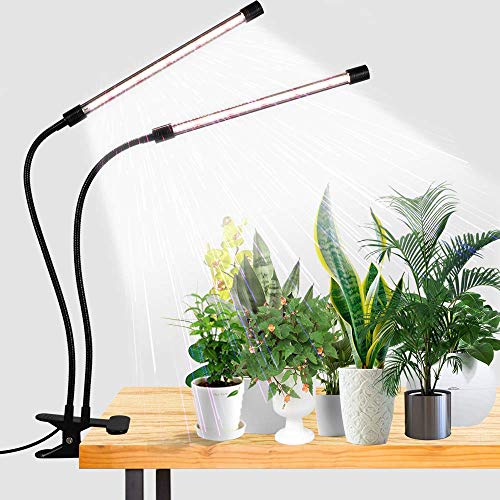
GooingTop LED Grow Light,6000K Full Spectrum Clip Plant Growing Lamp with White Red LEDs for Indoor Plants,5-Level Dimmable,Auto On Off Timing 4 8 12Hrs
6000K White Light – equipped with 10 Red + 74 White LEDs, this growing Lamp is similar to…
As an affiliate, we earn on qualifying purchases.
As an affiliate, we earn on qualifying purchases.
Frequently Asked Questions
How Long Does Dormancy Typically Last in Different Bulb Species?
Dormancy duration varies widely among bulb species, typically lasting from a few weeks to several months. For example, tulips might dormancy for 6-8 weeks, while daffodils can stay dormant for up to 3 months. You should consider bulb species variability when planning planting schedules, as some bulbs need a longer chilling period to break dormancy and sprout successfully. Pay attention to specific care instructions for each type.
Can Artificial Light Replace Natural Light for Dormancy Breaking?
You can replace natural light with artificial light for dormancy breaking, but it depends on the light spectrum and duration. Studies show that the effects of light spectrum, especially blue and red wavelengths, stimulate dormancy release. The impact of light duration also matters; providing 12-16 hours of artificial light daily can mimic natural conditions effectively. So, with the right spectrum and timing, artificial light can successfully break dormancy in bulbs.
What Temperature Range Is Optimal for Breaking Bulb Dormancy?
You should maintain a dormancy temperature between 35-45°F (2-7°C) for bulb chilling to break dormancy effectively. This range mimics natural winter conditions, signaling the bulb to end dormancy. Keep the bulbs in a cool, dark place, ensuring they don’t get too cold or warm, as extremes can delay or prevent sprouting. Proper dormancy temperature management helps promote healthy, uniform growth when conditions become favorable.
Are There Any Chemical Treatments That Can Accelerate Dormancy Break?
Yes, chemical stimulants and hormone treatments can help accelerate dormancy break in bulbs. You might use gibberellic acid or other plant hormones to promote sprouting. These treatments work by signaling the bulb to exit dormancy sooner, speeding up growth. Apply the chemicals according to instructions, usually via a soak or spray. Be cautious with concentrations to avoid damaging the bulb, and always follow safety guidelines for chemical use.
How Do I Identify if a Bulb Has Successfully Broken Dormancy?
Imagine tiny green shoots poking through the soil, signaling growth initiation. You’ll notice visual cues like new leaves or stems emerging, which indicate the bulb has successfully broken dormancy. Sometimes, the bulb’s top may swell or develop roots. If you see these signs, it means your bulb is waking up and ready to grow, confirming dormancy is over and growth has begun.

Chalily Amaryllis Potting Soil Perfect Planting Indoor & Outdoor House Tropical Mix Well Draining Houseplant Gardening Dirt Flower Paperwhites Hyacinth Premium Garden Poting (4 qt)
✅PURE GOLD! Chalily Amaryllis Gold Soil is the perfect blend for ALL bulb plants. That means your amaryllis,…
As an affiliate, we earn on qualifying purchases.
As an affiliate, we earn on qualifying purchases.
Conclusion
By understanding how to effectively break dormancy in bulbs with proper lighting, you can make certain a vibrant, healthy garden. Did you know that over 60% of bulb failures are due to improper dormancy management? Don’t let your efforts go to waste—use the right lighting techniques to wake your bulbs up and enjoy stunning blooms. With a little care and attention, you’ll transform your garden into a colorful paradise this season.

XLUX Soil Moisture Meter, Plant Water Monitor, Hygrometer Sensor for Gardening, Farming, Indoor and Outdoor Plants, No Batteries Required
Accurate Soil Moisture Detection:The XLUX Soil Moisture Meter can tell you if the soil deep inside your pot…
As an affiliate, we earn on qualifying purchases.
As an affiliate, we earn on qualifying purchases.

R&M Organics Premium Organic Compost
All-purpose fertilizer. Derived from 100% dairy cow manure, our compost helps improve your soil by bringing needed nutrients…
As an affiliate, we earn on qualifying purchases.
As an affiliate, we earn on qualifying purchases.