
TL;DR

Get the latest gadgets delivered free — and shop member deals
- Fast, free delivery on millions of items
- Access to Prime Big Deal Days deals on October 6–7
- Prime Video, Amazon Music and more included
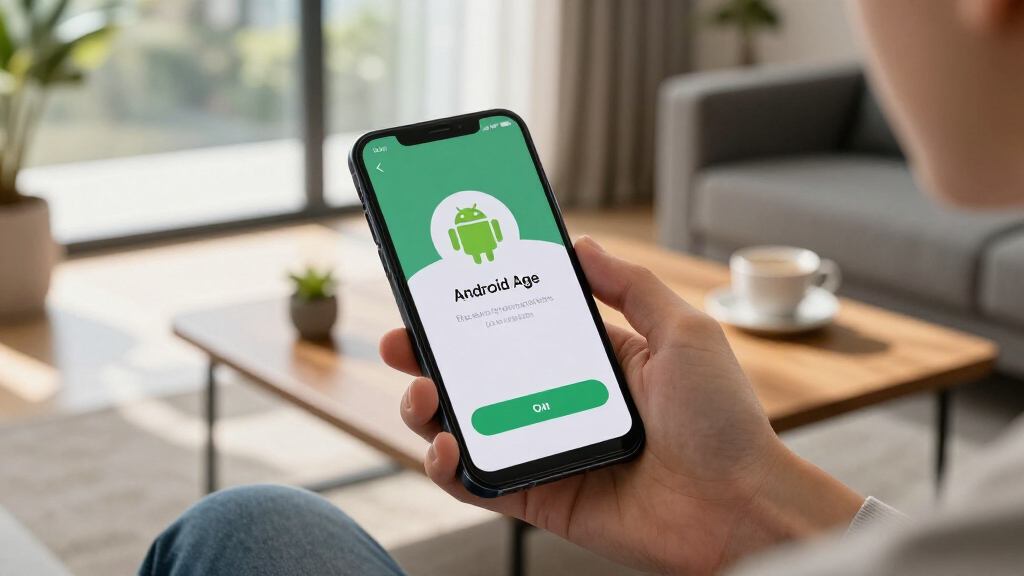
Google announced it will expand its age verification system on Android devices globally by the end of 2023. The move aims to improve safety and compliance but raises questions about privacy and implementation. The expansion is confirmed, but specific details remain to be clarified.
Google has confirmed that it will expand its age verification system on Android devices to cover all markets globally by the end of 2023. This move aims to enhance user safety and ensure regulatory compliance across different countries, according to an official statement. The expansion will apply to new and existing Android devices, affecting millions of users worldwide.
The company announced the initiative earlier this year and has now confirmed that the age check feature will be rolled out internationally within the next few months. The system involves verifying users’ ages through various methods, including biometric verification, identity documents, or third-party verification services, depending on regional requirements, as per Google’s statement.
Google stated that this policy is part of its broader effort to create a safer digital environment, especially for minors. The company emphasized that the system is designed to be privacy-conscious, with data protection measures in place. However, it did not specify the exact technical details or the countries where the rollout will begin first.
Industry experts note that this expansion aligns with increasing global regulations on online safety and age verification, such as in the European Union and parts of Asia. Google has previously tested the system in select markets, and now it plans to implement it worldwide.
Impact of Global Age Checks on Android Users
This expansion signifies a major step in regulatory compliance and user safety efforts by Google. It could influence how apps and content are accessed on Android devices, potentially restricting underage users from inappropriate material and ensuring compliance with local laws. The move also raises concerns about privacy and data security, especially given the global scope of implementation.
For parents, educators, and policymakers, the development may lead to safer online environments for minors. However, critics warn that the effectiveness of the system will depend on how well it balances privacy rights with safety measures.
As an affiliate, we earn on qualifying purchases.
Previous Trials and Regulatory Push for Age Verification
Google has been testing its age verification system in select markets since early 2023, with pilot programs in countries like India and the UK. These trials aimed to assess user acceptance, technical feasibility, and privacy safeguards. The move is part of broader industry trends, with other tech giants also exploring or implementing age verification features.
Globally, regulators are increasingly demanding stricter measures to protect minors online, with some countries proposing legislation that mandates age checks for digital platforms. Google’s announcement aligns with these regulatory trends, signaling a commitment to proactive compliance.
“We are committed to creating a safer online environment for users worldwide and will expand our age verification system across all markets by the end of 2023.”
— Google spokesperson
As an affiliate, we earn on qualifying purchases.
Unclear Details on Implementation and Privacy Safeguards
It is not yet clear which specific methods Google will prioritize for age verification in different regions or how the company will address potential privacy risks. Details about the rollout sequence, technical standards, and user data handling remain undisclosed. Additionally, the effectiveness of the system in diverse regulatory environments is still to be seen.
parental control software for Android
As an affiliate, we earn on qualifying purchases.
As an affiliate, we earn on qualifying purchases.
Next Steps in Global Rollout and Policy Clarification
Google is expected to begin phased implementation of the age check system in various countries over the coming months, with full global coverage targeted by December 2023. The company may also release further details on privacy measures and technical standards as the rollout progresses. Stakeholders, including regulators and user advocacy groups, are likely to monitor the system’s deployment closely.
As an affiliate, we earn on qualifying purchases.
Key Questions
Will all Android devices be affected by the new age checks?
Google has stated that the expansion will apply to both new and existing Android devices, but specific implementation details may vary by region and device type.
What methods will Google use for age verification?
Google has not disclosed detailed methods but indicated that options may include biometric verification, identity documents, or third-party services, depending on the country.
Does this mean my privacy will be compromised?
Google emphasizes that the system is designed with privacy in mind, but concerns about data security and privacy remain a topic of discussion among experts and users.
When will the rollout start in my country?
The exact timeline varies by region; Google has not specified the precise order but aims for a full global rollout by the end of 2023.
Will this restrict access to content for minors?
Yes, the primary goal is to restrict access to age-inappropriate content for underage users, aligning with regulatory requirements and safety standards.
Source: hn
Fall Picks
fall essentials
As an affiliate, we earn on qualifying purchases.