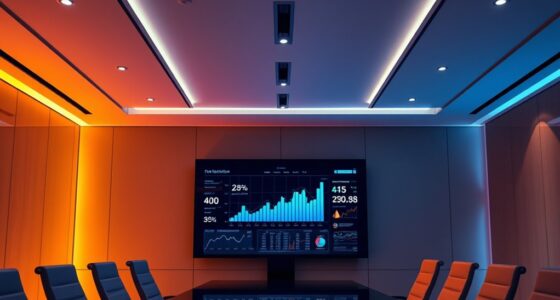

Occupancy and light sensors in commercial buildings help you save energy by automatically adjusting lighting based on presence and natural light levels. They detect movement and daylight, turning off or dimming lights when spaces are unoccupied or well-lit naturally. This not only reduces energy costs but also improves comfort for occupants. Advanced sensor technology guarantees reliable performance and seamless integration into building systems. To discover how these sensors can transform your building management, keep exploring the options available.
Key Takeaways
- Occupancy sensors automatically turn off or dim lights when spaces are unoccupied, reducing energy waste.
- Light sensors adjust artificial lighting based on natural daylight levels to optimize energy efficiency.
- Advanced sensors differentiate movement types and can be customized for specific areas like conference rooms or hallways.
- Integration with building management systems allows for automated, data-driven energy management and long-term savings.
- Improved occupant comfort and workspace quality are achieved through adaptive lighting that responds to occupancy and natural light.

In today’s commercial buildings, occupancy and light sensors play a crucial role in optimizing energy efficiency and occupant comfort. These sensors use advanced sensor technology to detect movement, presence, and light levels, allowing building systems to respond intelligently and automatically. By integrating these sensors into lighting and HVAC controls, you can markedly reduce unnecessary energy consumption, leading to substantial energy savings. This not only cuts costs but also supports sustainability efforts by lowering your building’s carbon footprint.
Occupancy and light sensors optimize energy use and enhance comfort in commercial buildings.
When you incorporate occupancy sensors, you enable your lighting systems to turn off or dim when spaces are unoccupied, ensuring lights are only on when needed. This prevents wasteful energy use and extends the lifespan of lighting fixtures. Light sensors, on the other hand, adjust artificial lighting based on the amount of natural daylight entering a space. If sunlight is sufficient, these sensors reduce or turn off electric lights, further conserving energy. Together, occupancy and light sensors create a dynamic environment where energy is used efficiently without sacrificing comfort.
Sensor technology has evolved rapidly, allowing for more precise and reliable detection. Modern sensors can differentiate between different types of movement, adjust sensitivity levels, and integrate seamlessly with building management systems. This means you can customize sensor settings to suit specific spaces, whether it’s a conference room, corridor, or open office. As a result, you gain granular control over lighting and climate, optimizing both energy use and occupant experience.
Implementing occupancy and light sensors also simplifies building management. Instead of relying on manual adjustments, these systems operate automatically, reducing the need for oversight. This automation minimizes human error and ensures consistent energy-saving practices. Additionally, with data collected from sensors, you can analyze usage patterns and identify opportunities for further efficiency improvements. Over time, this data-driven approach helps you refine your energy management strategies and achieve even greater savings.
Furthermore, these sensors contribute to a more comfortable environment. When lighting adjusts to occupancy and natural light levels, occupants experience improved visual comfort and reduced glare. This creates a more pleasant workspace, boosting productivity and satisfaction. You also avoid the frustration of flickering or inadequate lighting, which can occur with traditional, static lighting systems. Advancements in sensor technology have made these systems more reliable and adaptable for various building applications.

Sensor Switch CMR 10 Contractor Select Extended Range Passive Infrared Ceiling Mount Occupancy Sensor, White
MOTION SENSOR FOR COMMERCIAL SPACES: The SensorSwitch CMR Series motion sensor provides high-performance indoor motion sensor light automation;…
As an affiliate, we earn on qualifying purchases.
As an affiliate, we earn on qualifying purchases.
Frequently Asked Questions
How Do Sensors Distinguish Between Different Occupancy Types?
You can differentiate between different occupancy types by using sensor calibration and occupancy detection techniques. Adjust the sensors to recognize patterns like movement, temperature, or sound specific to each occupancy type. For example, calibrate them to detect continuous presence or frequent activity, which helps identify whether a space is occupied by staff, visitors, or maintenance. Proper calibration ensures accurate detection, reducing false triggers and optimizing energy use based on occupancy.
What Maintenance Is Required for Long-Term Sensor Accuracy?
To keep your sensors running perfectly, you need to perform regular sensor calibration and check hardware durability. Think of calibration as fine-tuning a super-sensitive instrument, ensuring it never misses a beat. You should also inspect and clean the sensors routinely to prevent dust or debris from sabotaging their accuracy. By doing these simple yet vital steps, you’ll maintain long-term sensor precision and avoid costly malfunctions that could disrupt your entire building’s operations.
Are Sensors Compatible With Existing Building Automation Systems?
Yes, sensors are generally compatible with existing building automation systems, especially if they support standard communication protocols like BACnet or Zigbee. To guarantee seamless integration, you need to perform sensor calibration and verify data integration, which helps the sensors communicate accurately with your system. Regular calibration maintains sensor accuracy over time, and proper data integration ensures your building automation responds correctly to occupancy and lighting data.
How Do Sensors Impact Energy Savings in Different Climates?
Imagine a building whispering thanks as sensors adapt to your environment. In different climates, these devices optimize thermal comfort and daylight harvesting, leading to significant energy savings. In colder regions, they reduce heating needs by adjusting lighting and blinds, while in warmer areas, they minimize cooling costs. By tailoring lighting based on occupancy and natural light, sensors make your space more efficient, saving energy regardless of the climate’s unique demands.
What Are the Privacy Considerations With Occupancy Sensors?
You should be aware that occupancy sensors raise privacy concerns because they collect data on movement and presence. To address this, guarantee data security by implementing strong encryption and access controls. Additionally, obtain user consent where applicable and be transparent about how data is used. Regularly review privacy policies to protect individuals’ rights, and consider anonymizing data to prevent identification, maintaining trust and compliance.
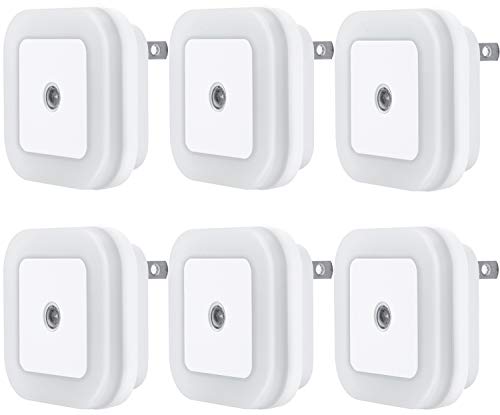
Uigos LED Night Light Lamp with Smart Sensor Dusk to Dawn Sensor, Daylight White, 0.5W Plug-in, 6-Pack
Not too bright, not too dim, just the right amount of light to see where you are going…
As an affiliate, we earn on qualifying purchases.
As an affiliate, we earn on qualifying purchases.
Conclusion
By integrating occupancy and light sensors, you can reduce energy consumption by up to 30%, making your building more efficient. These sensors guarantee lights turn off when spaces are unoccupied and adjust lighting levels based on natural light. Imagine saving significant costs while enhancing comfort for occupants. Embracing this technology isn’t just smart—it’s essential for modern commercial buildings aiming to cut expenses and environmental impact. Stay ahead by leveraging sensor technology to create a smarter, greener workspace.

Smart Buildings Systems for Architects, Owners and Builders
As an affiliate, we earn on qualifying purchases.
As an affiliate, we earn on qualifying purchases.

The Automated Lighting Programmer's Handbook
As an affiliate, we earn on qualifying purchases.
As an affiliate, we earn on qualifying purchases.