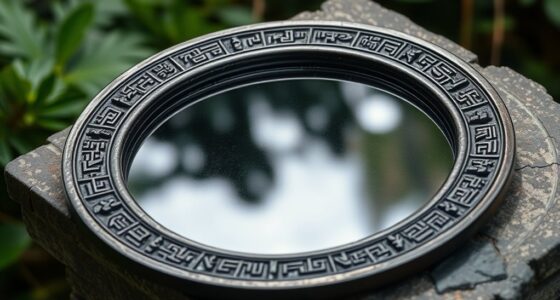
Throughout history, artist’s palettes have evolved from natural pigments like lapis lazuli and plant dyes to vibrant synthetic paints, expanding artistic possibilities. Technological advancements in mediums like oil, watercolor, and acrylics allowed for new textures and realism. Today, digital tools and pixels offer instant, precise color control, transforming how artists create and communicate. By exploring this evolution, you’ll uncover how science and innovation continue to shape artistic expression in exciting ways.
Key Takeaways
- Historically, artists relied on natural pigments from minerals, plants, and insects, which limited color choices and influenced symbolism.
- The invention of synthetic pigments in the 19th century expanded the artist’s palette, improving color durability and accessibility.
- Technological advances in media, such as oil paints and acrylics, enhanced blending, layering, and realistic effects in art.
- Digital tools have transformed color usage, enabling instant, precise manipulation and new expressive possibilities in contemporary art.
- The evolution of color reflects societal, cultural, and technological shifts, shaping artistic practices from ancient times to digital media.

Throughout history, the use of color in art has evolved dramatically, reflecting advances in technology, cultural shifts, and changing artistic philosophies. As you explore the development of color, you’ll notice how the meanings attributed to different hues—color symbolism—have shifted over time, often influenced by societal values, religious beliefs, and scientific discoveries. For example, in ancient Egypt, the color green symbolized fertility and rebirth, while in medieval Europe, gold represented divine light and wealth. These symbolic associations helped convey complex ideas and emotions to viewers, making color a powerful storytelling tool.
Technological advancements played a critical role in expanding the artist’s palette and transforming how colors were created and applied. In early times, pigments were derived from natural sources like minerals, plants, and insects. For example, ultramarine from lapis lazuli was highly prized for its vivid blue, but it was expensive and difficult to produce. The invention of synthetic pigments in the 19th century revolutionized art, making bright, durable colors accessible to a broader range of artists. The development of oil paints, watercolors, and acrylics allowed for greater versatility, blending, and layering, which enhanced the depth and realism in artworks. These innovations made it possible for artists to experiment with color relationships and tonal variations more freely, leading to new stylistic movements and expressive possibilities.
As you examine modern art, you’ll see how technological progress continues to influence color use. Digital tools and computer-generated imagery have introduced a new domain of possibilities, where colors can be manipulated instantly and precisely. The shift from physical pigments to pixels has redefined color symbolism, too; in digital art, colors can be adjusted dynamically to evoke specific moods or conceptual ideas. Additionally, the accessibility of digital platforms and digital color technology means that artists can communicate with audiences worldwide, sharing their interpretations of color in ways that were impossible before.

ARTIFY 25 Pieces Professional Paint Brush Set – Expert Series Synthetic Nylon Brushes for Acrylic, Oil, Watercolor, Gouache – No Shedding, Canvas Roll Case & Palette Knife, Artist Gifts Art Supplies
Ferrules Stay Secure: ARTIFY paint brushes feature chrome-plated copper ferrules, secured with premium glue at the wood-bristle junction….
As an affiliate, we earn on qualifying purchases.
As an affiliate, we earn on qualifying purchases.
Frequently Asked Questions
How Did Ancient Cultures Create Their Earliest Pigments?
You learn that ancient cultures created their earliest pigments using natural sources like minerals, plants, and insects. They extracted colors through early dye techniques such as grinding minerals to make powders or boiling plants to produce dyes. These methods allowed them to produce vibrant hues for their art and textiles, showcasing ingenuity in utilizing available materials. Their innovations laid the foundation for the rich color traditions in art throughout history.
What Are the Environmental Impacts of Modern Synthetic Dyes?
Did you know that over 700,000 tons of synthetic dyes are produced annually? These dyes often lead to dye waste and pollutant runoff, harming ecosystems and water quality. You should be aware that these environmental impacts come from improper disposal and manufacturing processes. Reducing dye waste and controlling runoff can help lessen pollution, protecting aquatic life and human health from the harmful effects of synthetic dyes.
How Does Digital Color Calibration Affect Art Reproduction?
Digital color calibration directly impacts your art reproduction by ensuring color accuracy across screens and printers. When you use calibration techniques, you can match digital images closely to original artwork, preventing color discrepancies. This process helps maintain the integrity of your colors, making sure viewers see your work as intended. Proper calibration is essential for accurate art reproduction, allowing your digital images to faithfully represent your creative vision.
What Are Emerging Technologies in Color Innovation?
You’ll find that emerging technologies like AI color prediction and immersive color experiences are transforming how we perceive and create art. AI predicts color trends and enhances digital palettes, making compositions more vibrant and accurate. Meanwhile, immersive experiences—using VR and AR—let you explore colors in three dimensions, offering a new depth of visual interaction. Together, these innovations push the boundaries of artistic expression and redefine our relationship with color.
How Do Cultural Perceptions Influence Color Choices in Art?
You’re influenced by cultural symbolism and societal influences when choosing colors in art. These factors shape how you perceive certain hues, associating them with specific meanings or emotions. For example, red might symbolize passion or danger, while white can represent purity or mourning. Your cultural background guides your color choices, making your art resonate more deeply within your community and reflecting shared beliefs and values.

Beginner's Guide to Digital Painting in Procreate: How to Create Art on an iPad®
As an affiliate, we earn on qualifying purchases.
As an affiliate, we earn on qualifying purchases.
Conclusion
As you step back and look at a painting, imagine the vibrant pigments transforming into pixels, each shade telling a story across centuries. From ancient caves to digital screens, the evolution of color paints a vivid journey through time. You become part of this colorful tapestry, witnessing how innovation continuously breathes new life into art. So, next time you see a masterpiece, remember the rich history behind every hue that brings it to life.
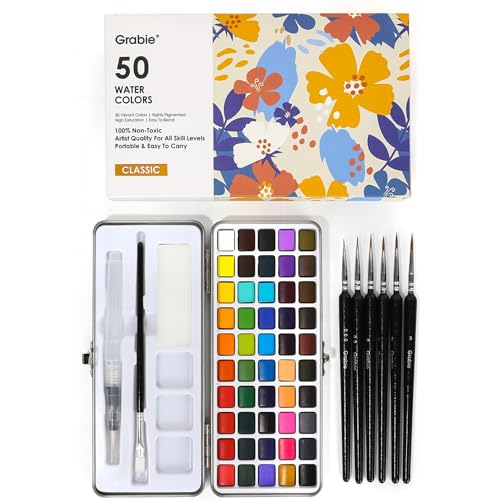
Grabie 50 Colors Watercolor Paint Set, Detail Paint Brush Included, Watercolor Paints, Painting Sets, Art Supplies for Painting, Travel Watercolor Set, Amateur Hobbyists
50 Essential Colors for Every Artist: A carefully curated palette of vibrant, rich pigments that cater to all…
As an affiliate, we earn on qualifying purchases.
As an affiliate, we earn on qualifying purchases.

Colorful Acrylic Painting Kit – Paint Supplies Set with 24 Colors, 30 Brushes, 5 Canvases, 1 Pad, 2 Palette, 2 Sponge & 1 Wood Easel – Art Acrylic Paint Set for Beginners, Kids, Adults
【Premium Acrylic Paints for Adults】COLORFUL acrylic paint set contains acrylic medium based 24 rich colors with artist quality….
As an affiliate, we earn on qualifying purchases.
As an affiliate, we earn on qualifying purchases.