
🔍 Read the full analysis: How OpenAI Expanded Cyber Access In Ukraine For Civilian Defense on ThorstenMeyerAI.com

Get the latest gadgets delivered free — and shop member deals
- Fast, free delivery on millions of items
- Access to Prime Big Deal Days deals on October 6–7
- Prime Video, Amazon Music and more included
TL;DR
OpenAI says it is extending cyber-related access in Ukraine to support civilian defense. The company has not publicly specified which capabilities are covered, who can qualify, or how access will be monitored.
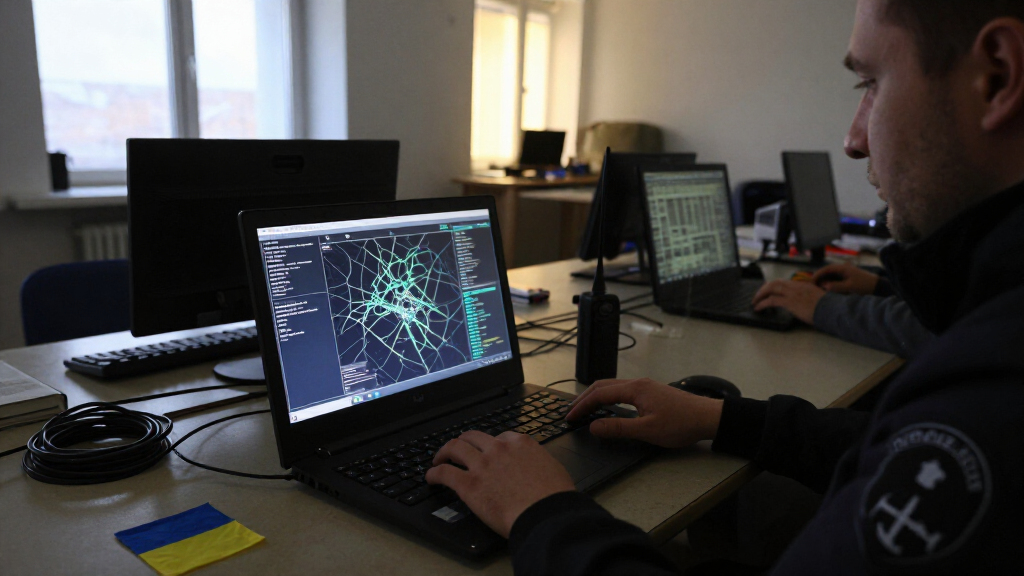
OpenAI says it is extending cyber-related access in Ukraine to support civilian defense, a policy change covered in the original analysis that could make some of the company’s capabilities more available to users working to protect civilian systems. The announcement describes a civilian-defense purpose, but does not identify the tools, eligible users or oversight process.
According to the supplied account of OpenAI’s announcement, the extension is intended to support protection of critical infrastructure, government services and civilian-facing systems. The company has not publicly detailed whether this means changes to existing product access, dedicated tools, expanded API access or different handling of some cyber-related requests.
The announcement is presented as a change in access policy for a country facing sustained cyber pressure. However, no operational examples, usage figures or named participating organizations are provided in the source material. It is consequently not possible to establish how many users will receive access or what defensive work they will be able to perform.
OpenAI has not specified whether eligibility would cover Ukrainian government agencies, critical-infrastructure operators, contracted security teams, independent defenders or a wider group of vetted users. The announcement also does not describe how the company would assess applications or respond if access were used outside the stated civilian-defense purpose.
Access for Civilian Infrastructure Defenders
The change concerns systems that support everyday civilian life, including energy, communications, banking and public administration. If eligible defenders receive useful capabilities, AI-assisted analysis could help them examine security alerts, understand vulnerabilities or organize incident response. Those are potential uses; the announcement, as described in the source material, does not report that the extension has already improved response times or prevented attacks.
The policy also raises a question for AI companies: how to provide tools for defensive security in a conflict setting while limiting use for intrusion or other harmful cyber activity. OpenAI’s stated civilian-defense purpose sets an intended boundary, but the practical safeguards and enforcement arrangements have not been disclosed.
Any country-specific access policy may attract scrutiny from governments, security teams and other technology providers. The details will matter: eligibility rules, review procedures and public reporting would help observers understand who receives access and how the stated purpose is maintained. Without them, the announcement signals a policy direction but offers limited evidence about its reach or effects.
Top picks for "openai expand cyber"
As an affiliate, we earn on qualifying purchases.
Ukraine’s Ongoing Cyber Pressure
Ukraine has faced cyber activity affecting public institutions and infrastructure during Russia’s full-scale invasion, which began in 2022. The supplied source material refers to attacks involving power, communications and government networks, but does not provide incident dates, specific cases or independently verifiable figures. This article therefore does not treat any particular attack or outcome as newly confirmed by OpenAI’s announcement.
AI systems can be used in defensive security work, including analyzing technical information and supporting vulnerability research. The same general capabilities can also be misused. The source material says OpenAI’s policies restrict certain high-risk cyber activity while allowing some defensive applications by authorized users. It does not quote the relevant policy text or explain how the Ukraine extension changes those rules.
The announcement extends OpenAI’s engagement with Ukraine into cyber-related access, according to the supplied account. It does not establish whether the arrangement is a formal government partnership or describe how it relates to any earlier OpenAI initiatives. Those distinctions matter because they affect who is responsible for selecting users and overseeing use.
Scope and Oversight Remain Unspecified
The public details provided in the source material do not answer which models, features or access levels are involved. They also do not say whether OpenAI will change policy enforcement for certain requests, create dedicated tools or provide API access to selected organizations.
The process for vetting users is unknown, as are the safeguards intended to keep use within civilian defense. The supplied material does not identify participating Ukrainian agencies or infrastructure operators, describe a review body, or mention transparency reports. The duration and possible revocation conditions are also not stated.
These gaps make the immediate operational impact difficult to assess. The announcement establishes OpenAI’s stated policy direction; it does not, by itself, show how access will work in practice or what results it has produced.
Further Details Could Clarify Access
Readers should look for additional documentation from OpenAI explaining the capabilities covered, eligibility criteria and safeguards. Statements from Ukrainian government bodies or infrastructure operators could clarify whether they are involved and how the access is being used.
Further information about monitoring, duration and public reporting would help establish how the civilian-defense purpose is being applied. Until OpenAI or Ukrainian authorities provide those details, the arrangement’s reach and practical effects remain unconfirmed.
Key Questions
What did OpenAI announce?
OpenAI says it is extending cyber-related access in Ukraine to support civilian defense. The supplied material does not give the announcement date or explain the technical change.
Who can receive the expanded access?
Eligibility has not been specified in the supplied source material. It does not say whether access is for government agencies, infrastructure operators, contracted defenders or other users.
What tools or capabilities are included?
OpenAI has not publicly identified the models, features, usage limits or API arrangements covered, according to the supplied account.
How will OpenAI keep access focused on civilian defense?
The announcement’s stated purpose is civilian defense, but the supplied material does not describe vetting, monitoring or enforcement safeguards. How those protections will work remains unclear.
Primary source: OpenAI · via ThorstenMeyerAI.com
Fall Picks
fall essentials
As an affiliate, we earn on qualifying purchases.