The Leica Q3 is my best overall pick among the best Leica cameras: its full-frame sensor, fixed 28mm lens, and modern features make it a versatile choice for everyday photography. The Q3 43 suits photographers who prefer a tighter field of view, while the M11-P is the premium choice for deliberate rangefinder shooting and interchangeable M lenses. The main tradeoff is between the convenience of a fixed-lens Q camera, the hands-on commitment of the M system, and the zoom flexibility of D-Lux models. Resolution, lens angle, video needs, and bundle contents can matter more than choosing the newest model. Read on for the full breakdown and guidance on which Leica best fits your way of shooting.

Get the latest gadgets delivered free with Prime
- Fast, free delivery on millions of items
- Prime Video, Amazon Music and more included
- Member-only deals all year
Complete the kit

Key Takeaways
- The Q3 is the most balanced pick: its fixed 28mm lens and full-frame design offer broader everyday versatility than the more specialized Q2 Monochrom or Q3 43.
- The Q3 43 changes the framing, not just the model name: its 43mm lens is better suited to portraits and tighter compositions, while the 28mm Q models are more natural for travel and environmental scenes.
- The M11-P rewards commitment to manual rangefinder photography: its interchangeable-lens system offers a different kind of control, but asks more of the photographer than a Q camera.
- D-Lux models prioritize reach and accessibility over full-frame image making: they suit buyers who want a compact zoom camera, while the Q family offers a fixed lens and larger sensor.
- Monochrome and bundle choices serve distinct needs: the Q2 Monochrom is purpose-built for black-and-white work, and bundles are worth comparing for useful included accessories rather than assuming they improve the camera itself.
| Leica Q2 Monochrom Full-Frame Compact Digital Camera | 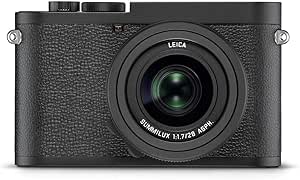 | Best for Dedicated Black-and-White Photography | Sensor: 47.3MP full-frame CMOS | Lens: 28mm f/1.7 Summilux ASPH. | Viewfinder: 3.68MP OLED electronic | VIEW LATEST PRICE | See Our Full Breakdown |
| Leica Q3 Compact Digital Camera, Black (19080) |  | Best Overall | Sensor: 60MP BSI CMOS, full frame | Processor: Maestro IV | Autofocus: Hybrid contrast and phase detection, 399 points | VIEW LATEST PRICE | See Our Full Breakdown |
| Leica M11-P 60MP Full-Frame Camera with 256GB Internal Memory, Black |  | Best for Manual-Focus M-System Photographers | Sensor: 60MP BSI CMOS full frame; 60.3MP total still resolution | Resolution technology: Triple-Resolution | Mount: Leica M bayonet | VIEW LATEST PRICE | See Our Full Breakdown |
| Leica D-Lux 8 Compact Digital Camera Bundle with 64GB Memory Card and Accessories |  | Best for Versatile Zoom Framing | Sensor: 17MP Four Thirds CMOS, 17.3 × 13.0mm | Lens: 10.9–34mm f/1.7–2.8, 24–75mm full-frame equivalent | Viewfinder: 2.36MP OLED electronic | VIEW LATEST PRICE | See Our Full Breakdown |
| Leica Q Typ 116 24.2 MP Full-Frame Compact Camera with 28mm f/1.7 Lens |  | Best Entry to Full-Frame Leica Q Photography | Sensor: 24.2MP full-frame CMOS | Lens: Fixed 28mm Summilux f/1.7 ASPH. | ISO range: 50–50,000 | VIEW LATEST PRICE | See Our Full Breakdown |
| Leica Q3 60MP Full-Frame Compact Camera Bundle |  | Best Overall | Sensor: 60MP full-frame BSI CMOS | Lens: Fixed 28mm | Processor: Maestro IV | VIEW LATEST PRICE | See Our Full Breakdown |
| Leica Q3 43 Digital Camera, Black |  | Best for Portraits and Everyday Framing | Sensor: 60MP full-frame BSI CMOS | Lens: 43mm f/2 APO-Summicron | Macro focus distance: 10.4 inches | VIEW LATEST PRICE | See Our Full Breakdown |
| Leica M11-P 60MP Full-Frame Camera with 256GB Internal Memory, Silver |  | Best for Manual-Focus Rangefinder Purists | Mount: Leica M | Sensor: 60MP full-frame BSI CMOS | Internal memory: 256GB | VIEW LATEST PRICE | See Our Full Breakdown |
| Leica Q3 43 60MP Full-Frame Compact Camera with 43mm f/2 Lens Bundle |  | Best 43mm Bundle | Sensor: 60MP full-frame BSI CMOS | Lens: APO-Summicron 43mm f/2 ASPH. | Autofocus: Hybrid phase-detection, contrast-detection, and DFD with subject tracking | VIEW LATEST PRICE | See Our Full Breakdown |
| Leica D-Lux 8 17MP Compact Digital Camera Bundle |  | Best Compact Zoom | Sensor: 17MP Four Thirds CMOS | Lens: 10.9–34mm f/1.7–2.8 (24–75mm full-frame equivalent) | Viewfinder: 2.36MP OLED electronic viewfinder | VIEW LATEST PRICE | See Our Full Breakdown |
| Leica D-Lux 7 Compact Camera, Silver |  | Best Leica Pocket Zoom | Sensor: 17 MP Four Thirds MOS | Lens: 24–75 mm equivalent Vario-Summilux | Maximum aperture: f/1.7–2.8 | VIEW LATEST PRICE | See Our Full Breakdown |
| Leica SL2-S Full-Frame Mirrorless Digital Camera |  | Best for L-Mount System Builders | Camera type: Full-frame mirrorless | Sensor: 24 MP CMOS-BSI | Lens mount: Leica L | VIEW LATEST PRICE | See Our Full Breakdown |
| Leica Q2 47.3MP Full-Frame Digital Camera with 28mm f/1.7 Lens |  | Best Premium Fixed-Lens Leica | Sensor: 47.3 MP full-frame CMOS | Lens: 28mm f/1.7 Summilux ASPH. | Image stabilization: Optical | VIEW LATEST PRICE | See Our Full Breakdown |
| Leica camera | Sensor | Video | Lens | Display |
|---|---|---|---|---|
| Leica Q2 Monochrom Full-Frame | 47.3MP full-frame CMOS | 2160p | 28mm f/1.7 Summilux ASPH. | 3-inch capacitive touchscreen |
| Leica Q3 Compact Digital Camer | 60MP BSI CMOS, full frame | 8K | — | Tilting capacitive touchscreen |
| Leica M11-P 60MP Full-Frame Ca | 60MP BSI CMOS full frame; 60.3MP total still resolution | — | — | 6.1-inch fixed capacitive touchscreen LCD |
| Leica D-Lux 8 Compact Digital | 17MP Four Thirds CMOS, 17.3 × 13.0mm | 2160p | 10.9–34mm f/1.7–2.8, 24–75mm full-frame equivalent | 3-inch, 1.84m-dot TFT LCD with touch control |
| Leica Q Typ 116 24.2 MP Full-F | 24.2MP full-frame CMOS | FHD 1080p, MP4 | Fixed 28mm Summilux f/1.7 ASPH. | 3-inch TFT LCD touchscreen |
| Leica Q3 60MP Full-Frame Compa | 60MP full-frame BSI CMOS | DCI 8K at 30p; 4K at 60p with 10-bit color | Fixed 28mm | — |
| Leica Q3 43 Digital Camera | 60MP full-frame BSI CMOS | DCI 8K at 30p; 4K at 60p | 43mm f/2 APO-Summicron | — |
| Leica M11-P 60MP Full-Frame Ca | 60MP full-frame BSI CMOS | 1080p or 4K | — | — |
| Leica Q3 43 60MP Full-Frame Co | 60MP full-frame BSI CMOS | DCI 8K up to 30p; 4K up to 60p | APO-Summicron 43mm f/2 ASPH. | Tilting 3-inch LCD |
| Leica D-Lux 8 17MP Compact Dig | 17MP Four Thirds CMOS | — | 10.9–34mm f/1.7–2.8 (24–75mm full-frame equivalent) | 3-inch, 1.84M-dot TFT LCD |
| Leica D-Lux 7 Compact Camera | 17 MP Four Thirds MOS | UHD 4K at 30p | 24–75 mm equivalent Vario-Summilux | 3-inch capacitive touchscreen LCD |
| Leica SL2-S Full-Frame Mirrorl | 24 MP CMOS-BSI | 1080p | — | — |
| Leica Q2 47.3MP Full-Frame Dig | 47.3 MP full-frame CMOS | 4K and Full HD 1080p; MP4 | 28mm f/1.7 Summilux ASPH. | — |
More Details on Our Top Picks
Leica Q2 Monochrom Full-Frame Compact Digital Camera
I’d choose the Q2 Monochrom when black-and-white photography is the point, not just one option among many. Its 47.3MP full-frame sensor records monochrome images, while the fixed 28mm f/1.7 lens gives street, travel, and environmental portraits a consistent wide-angle perspective. Compared with the color-capable Leica Q3, this is a narrower creative tool: you give up color flexibility and its newer autofocus and video features in exchange for a camera built around monochrome capture. The bright lens, optical stabilization, and electronic viewfinder support low-light shooting, but the fixed focal length means framing depends on your position rather than interchangeable lenses. I’d skip it if color work or one-camera versatility matters more than a dedicated black-and-white workflow.
Pros:- 47.3MP full-frame sensor dedicated to monochrome capture
- Bright 28mm f/1.7 lens suits available-light photography
- Optical image stabilization supports steadier handheld shooting
- OLED electronic viewfinder and touchscreen provide two clear ways to compose
Cons:- Monochrome-only capture limits flexibility for color projects
- Fixed 28mm lens has no optical zoom or interchangeable-lens option
- Single SD card slot provides no in-camera card backup
Best for: Photographers who primarily make black-and-white street, documentary, or travel images and want a high-resolution full-frame camera with a bright fixed wide-angle lens.
Not ideal for: Photographers who need color capture, interchangeable lenses, or the newer autofocus and video options of the Leica Q3.
- Sensor:47.3MP full-frame CMOS
- Lens:28mm f/1.7 Summilux ASPH.
- Viewfinder:3.68MP OLED electronic
- Display:3-inch capacitive touchscreen
- Video:2160p
- Image stabilization:Optical
- Continuous shooting:Up to 10 fps
- Memory card slot:Single SD/SDHC/SDXC UHS-II slot
Our verdict“Choose the Q2 Monochrom for a dedicated, high-resolution black-and-white camera; choose the Q3 if you need color and broader shooting flexibility.”
Leica Q3 Compact Digital Camera, Black (19080)
The Leica Q3 is my most versatile pick here because it pairs a 60MP full-frame sensor with hybrid autofocus and subject tracking, so it suits more than deliberate, manually composed scenes. Its tilting touchscreen is useful for low or high angles, and the digital zoom reaches a 90mm-equivalent framing option when stepping closer is not practical. Compared with the Q2 Monochrom, the Q3 keeps color capture and adds newer autofocus and 8K video; compared with the M11-P, it offers a fixed-lens, autofocus-driven experience rather than a manual-focus M-mount system. That convenience comes with limits: the lens is not interchangeable, digital zoom does not replace optical reach, and the camera is listed as not water resistant. I’d pick it for broad everyday use, not for rugged conditions or lens-system flexibility.
Pros:- 60MP full-frame sensor with Triple Resolution Technology
- Hybrid autofocus offers phase and contrast detection with subject tracking
- Tilting touchscreen helps compose from less typical angles
- Supports 8K video and provides USB-C and HDMI connectivity
Cons:- Fixed lens limits focal-length choices, and digital zoom is not optical zoom
- Not water resistant
- Listed weight of 5 pounds may be burdensome for everyday carry
Best for: Photographers and hybrid creators who want a high-resolution full-frame Leica with autofocus tracking, a tilting screen, and high-resolution video in a fixed-lens camera.
Not ideal for: Buyers who need weather protection, optical zoom, or interchangeable lenses for varied focal lengths.
- Sensor:60MP BSI CMOS, full frame
- Processor:Maestro IV
- Autofocus:Hybrid contrast and phase detection, 399 points
- Digital zoom:Up to 90mm
- Continuous shooting:Up to 15 fps
- Video:8K
- Display:Tilting capacitive touchscreen
- Connectivity:Wi-Fi, USB-C, HDMI
Our verdict“Pick the Q3 if you want the most capable all-round fixed-lens Leica in this group, provided you can live without weather protection or interchangeable lenses.”
Leica M11-P 60MP Full-Frame Camera with 256GB Internal Memory, Black
The M11-P is the choice for photographers who want the discipline and lens options of the Leica M system, rather than the autofocus convenience of the Q3. Its 60MP full-frame sensor supports detailed files, and the Leica M bayonet opens access to compatible M lenses. The optical viewfinder and manual focus make framing and focusing a more deliberate process; that can suit rangefinder-style shooting, but it is a poor fit for anyone who depends on subject tracking or quick autofocus. A distinctive advantage over the Q3 is the 256GB internal memory, alongside Content Credentials designed to support image authenticity through publication. The fixed screen and lack of water resistance temper its appeal for flexible field use. I’d rank it below the Q3 for general versatility, but above it for buyers committed to manual-focus M photography.
Pros:- 60MP full-frame sensor with Triple-Resolution technology
- Leica M bayonet supports compatible M lenses
- 256GB internal memory adds storage without relying solely on a card
- Content Credentials support image-authenticity information
Cons:- Manual focus is less suited to fast-moving subjects than the Q3’s hybrid autofocus
- Not water resistant
- No built-in flash and a fixed display limit flexibility
Best for: Experienced photographers who want a high-resolution Leica M body, manual-focus shooting, compatible M lenses, and substantial built-in storage.
Not ideal for: Action, family, or event photographers who rely on fast autofocus tracking, as well as buyers who need weather resistance or a tilting display.
- Sensor:60MP BSI CMOS full frame; 60.3MP total still resolution
- Resolution technology:Triple-Resolution
- Mount:Leica M bayonet
- Internal memory:256GB
- Viewfinder:Optical, 0.73x magnification
- Focus:Manual focus; contrast-detection autofocus technology
- Display:6.1-inch fixed capacitive touchscreen LCD
- Weight:3 lbs
Our verdict“Choose the M11-P if manual focus, M-mount lenses, and built-in storage matter more to you than the Q3’s autofocus convenience.”
Leica D-Lux 8 Compact Digital Camera Bundle with 64GB Memory Card and Accessories
I’d recommend the D-Lux 8 to buyers who would rather have a zoom lens than a full-frame sensor. Its 24–75mm-equivalent range covers wide scenes through short-telephoto framing without changing lenses, while the f/1.7–2.8 aperture and optical stabilization help when light is limited. That makes it more adaptable for everyday travel than the fixed-28mm Q2 Monochrom or the fixed-lens Q3, though its Four Thirds sensor has less resolution than either full-frame Q. The OLED viewfinder and touchscreen keep composition familiar, and this bundle adds a memory card and travel accessories. I would not treat the bundle as a weight-saving choice: the listed 2.9-pound weight is substantial for a compact camera. Its listed maximum shutter speed of 1/500 second also narrows its fit for bright scenes or fast action.
Pros:- 24–75mm-equivalent zoom covers wide-angle through short-telephoto framing
- f/1.7–2.8 maximum aperture is bright for a compact zoom
- Optical image stabilization supports handheld shooting
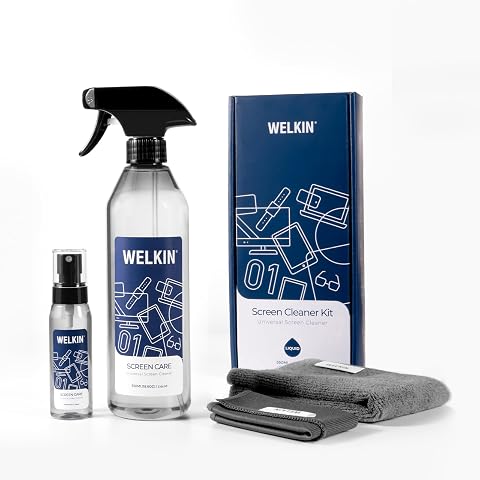
- Bundle includes a 64GB memory card, travel bag, cleaning kit, and card wallet
Cons:- 17MP Four Thirds sensor has lower resolution than the full-frame Q3 and Q2 Monochrom
- Listed weight of 2.9 pounds may limit carry comfort
- Listed maximum shutter speed of 1/500 second may constrain bright-light shooting
Best for: Travelers and casual photographers who value a built-in standard zoom, optical stabilization, and included carrying and memory accessories over full-frame resolution.
Not ideal for: Buyers seeking the highest resolution, a full-frame sensor, or a lightweight pocketable camera; the listed weight is 2.9 pounds.
- Sensor:17MP Four Thirds CMOS, 17.3 × 13.0mm
- Lens:10.9–34mm f/1.7–2.8, 24–75mm full-frame equivalent
- Viewfinder:2.36MP OLED electronic
- Display:3-inch, 1.84m-dot TFT LCD with touch control
- Image stabilization:Optical
- Video:2160p
- Connectivity:Bluetooth LE, USB-C
- Bundle includes:64GB memory card, travel bag, cleaning kit, memory card wallet
Our verdict“Choose the D-Lux 8 bundle if zoom range and included accessories matter more than the full-frame image quality of the Q-series cameras.”
Leica Q Typ 116 24.2 MP Full-Frame Compact Camera with 28mm f/1.7 Lens
The original Leica Q Typ 116 is the straightforward choice for buyers who want a full-frame Leica with a bright fixed wide-angle lens, without needing the newer resolution and video features of the Q3. Its 24.2MP sensor is lower resolution than the Q3’s 60MP and the Q2 Monochrom’s 47.3MP, but it still gives this camera a full-frame foundation and a useful 28mm f/1.7 lens for low-light and environmental scenes. Optical stabilization helps steady handheld shots, while the touchscreen and Wi-Fi add practical convenience. The tradeoff is a more basic feature set: video tops out at 1080p, autofocus uses contrast detection, and the fixed lens offers no zoom. I’d choose this over the D-Lux 8 when full-frame capture matters more than zoom flexibility, but not for buyers prioritizing modern video or tracking autofocus.
Pros:- 24.2MP full-frame CMOS sensor
- Fixed 28mm f/1.7 lens supports available-light shooting
- Optical image stabilization helps steady handheld photos and video
- Touchscreen and built-in Wi-Fi offer convenient control and sharing
Cons:- Fixed focal length offers no optical zoom or lens changes
- Video is limited to FHD 1080p, unlike the Q3’s 8K capability
- Contrast-detection autofocus is less advanced than the Q3’s hybrid system
Best for: Photographers who want a full-frame Leica Q with a bright 28mm lens and simple operation, and who do not need high-resolution video or the latest autofocus features.
Not ideal for: Hybrid creators who need 4K or 8K video, photographers who want zoom or interchangeable lenses, and action shooters who need subject tracking.
- Sensor:24.2MP full-frame CMOS
- Lens:Fixed 28mm Summilux f/1.7 ASPH.
- ISO range:50–50,000
- Autofocus:Contrast detection, 121 points
- Video:FHD 1080p, MP4
- Image stabilization:Optical
- Display:3-inch TFT LCD touchscreen
- Connectivity:Wi-Fi, HDMI, USB
Our verdict“Pick the original Q if you want a full-frame Leica with a fast 28mm lens and can accept its lower resolution and older video and autofocus features.”
Leica Q3 60MP Full-Frame Compact Camera Bundle
I rank this Q3 bundle as the most versatile choice here for photographers who want a high-resolution Leica without a separate lens system. Its 60MP full-frame sensor and fixed 28mm lens suit landscapes, interiors, street scenes, and environmental portraits; multiple image resolutions also let you trade file size for detail. Compared with the Q3 43, the wider field of view is easier to use in tight spaces, though it gives less natural framing for portraits and distant subjects. Hybrid autofocus, bursts up to 15 fps, and 8K video broaden its usefulness beyond still photography. The tradeoff is the fixed lens, which cannot match an interchangeable system’s framing options. The extensive accessory bundle is helpful at setup, but adds items to store and carry.
Pros:- 60MP full-frame sensor offers detailed files and room for digital cropping.
- Fixed 28mm lens gives a broad view for streets, interiors, and landscapes.
- Hybrid autofocus and up to 15 fps shooting support action and candid moments.
- Bundle includes a memory card, bag, filters, tripod, and other useful accessories.
Cons:- Fixed 28mm framing cannot be changed with another lens.
- The many bundle accessories add bulk and may include items some buyers will not use.
Best for: Photographers who want one high-resolution Leica for wide-angle travel, street, landscape, and video work, plus bundled starter accessories.
Not ideal for: Buyers who need interchangeable focal lengths or prefer a minimal, lightweight kit without extra bundled accessories.
- Sensor:60MP full-frame BSI CMOS
- Lens:Fixed 28mm
- Processor:Maestro IV
- Autofocus:Hybrid autofocus
- Video:DCI 8K at 30p; 4K at 60p with 10-bit color
- Continuous shooting:Up to 15 fps
- ISO range:50–100000
- Ports:Micro-HDMI and USB-C
- Bundle accessories:64GB SD card, bag, filters, flexible tripod, cables, and additional accessories
Our verdict“Choose this Q3 if you want the most flexible wide-angle Leica package here and can live with a fixed lens.”
Leica Q3 43 Digital Camera, Black
The Q3 43 is the better fit for buyers who prefer a natural, tighter view over the broad perspective of the 28mm Q3. Its 43mm f/2 APO-Summicron lens suits portraits, everyday scenes, and close-ups, while a macro mode focuses as close as 10.4 inches. You still get the Q3 family’s 60MP full-frame sensor and 8K recording, so image detail and video capability remain strong. Compared with the Q3 60MP bundle, this focal length is less accommodating in cramped interiors, and this listing does not highlight the same extensive accessory package. Subject tracking, a tilting touchscreen, and IP52-rated construction add practical flexibility. The fixed lens remains the central limitation, and the listed 4.2-pound weight is substantial for a camera described as compact.
Pros:- 43mm f/2 APO-Summicron lens offers a portrait-friendly field of view.
- Macro mode supports close-up subjects from 10.4 inches.
- 60MP sensor, subject tracking, and 8K video cover varied photo and video needs.
- Tilting touchscreen and IP52-rated body add flexibility for changing angles and conditions.
Cons:- The fixed 43mm lens is less useful than a wide angle in cramped spaces.
- The listed 4.2-pound weight is substantial for a compact camera.
- Digital image stabilization is less adaptable than a system with interchangeable stabilized lenses.
Best for: Portrait, documentary, and everyday photographers who prefer a 43mm view and want macro close focusing in a fixed-lens camera.
Not ideal for: Travelers who frequently shoot tight interiors or want a lighter camera and the framing options of interchangeable lenses.
- Sensor:60MP full-frame BSI CMOS
- Lens:43mm f/2 APO-Summicron
- Macro focus distance:10.4 inches
- Autofocus:Hybrid autofocus with subject tracking and 150 focus points
- Video:DCI 8K at 30p; 4K at 60p
- Continuous shooting:15 fps
- Viewfinder:5.76-megapixel OLED electronic viewfinder
- Body protection:Magnesium alloy; IP52 dust and moisture resistance
- Weight:4.2 pounds
Our verdict“Pick the Q3 43 if portraits and close-ups matter more to you than the Q3’s wider 28mm coverage.”
Leica M11-P 60MP Full-Frame Camera with 256GB Internal Memory, Silver
This M11-P is the specialist choice for photographers who want a Leica M rangefinder experience rather than the autofocus convenience of the Q3 models. Its M mount and optical viewfinder suit deliberate manual focusing, while the 60MP sensor and triple-resolution technology let photographers balance detail with file size. The 256GB of internal memory is a meaningful advantage over the Q3 43 bundle’s supplied 64GB card: there is substantial built-in storage before adding a card. Content Credentials also appeal to photographers who want capture-origin information attached to images. Compared with either Q3, the M11-P lacks a fixed lens and autofocus system, so buyers must choose and focus an M-mount lens themselves. It is also not water resistant, and the listed 3.2-pound weight makes it less carefree to carry than its compact designation suggests.
Pros:- M mount supports a broad choice of Leica M lenses.
- 60MP sensor and triple-resolution technology offer detail and file-size flexibility.
- 256GB internal memory provides substantial built-in storage.
- Content Credentials support image authenticity tracking.
Cons:- Manual rangefinder focusing is less convenient than the autofocus on the Q3 models.
- No lens is specified in the product data, so buyers need to select one separately.
- The body is not water resistant and has a listed weight of 3.2 pounds.
Best for: Experienced photographers who value optical rangefinder framing, manual focus, M-mount lens choices, and built-in image-authenticity tracking.
Not ideal for: Beginners, action shooters, and anyone who wants autofocus, a supplied lens, or weather-resistant construction.
- Mount:Leica M
- Sensor:60MP full-frame BSI CMOS
- Internal memory:256GB
- Image formats:JPEG and RAW
- Viewfinder:Optical
- Video:1080p or 4K
- Maximum ISO:50,000
- Water resistance:Not water resistant
- Finish:Silver with brass top cover and chrome finish
Our verdict“Choose the silver M11-P if you want a manual-focus M system and built-in storage more than Q3-style autofocus.”
Leica Q3 43 60MP Full-Frame Compact Camera with 43mm f/2 Lens Bundle
This Q3 43 bundle makes the most sense for buyers set on a 43mm fixed-lens Leica who also want a few basic accessories in the box. Its 60MP sensor and APO-Summicron 43mm f/2 lens are aimed at detailed stills with a natural perspective, while subject tracking and a tilting LCD help with moving subjects and awkward shooting angles. Compared with the Q3 60MP 28mm bundle, it gives a tighter view that better suits portraits and everyday documentary work, but it is less accommodating for wide interiors and landscapes. The 8K and 4K video modes broaden its role beyond stills. The included 64GB card, cleaning kit, and wallet are a modest add-on rather than a full kit, and the fixed lens still limits framing choices. The listing also describes optical stabilization, a useful distinction from the digital stabilization specified for the other Q3 43 listing.
Pros:- 60MP sensor offers 60MP, 36MP, and 18MP image-resolution options.
- 43mm f/2 APO-Summicron lens is suited to portraits and everyday scenes.
- Hybrid autofocus includes subject tracking for eyes, faces, and animals.
- Bundle adds a 64GB memory card, cleaning kit, and memory card wallet.
Cons:- Fixed 43mm framing is limiting for wide scenes and close quarters.
- The included 64GB card may be restrictive for frequent high-resolution or 8K shooting.
- The bundle has fewer accessories than the 28mm Q3 bundle.
Best for: Photographers who want the Q3 43’s portrait-friendly field of view, tracking autofocus, and a small starter set of storage and cleaning accessories.
Not ideal for: Wide-angle shooters or anyone expecting a large accessory kit, interchangeable lenses, or a more generous memory card.
- Sensor:60MP full-frame BSI CMOS
- Lens:APO-Summicron 43mm f/2 ASPH.
- Autofocus:Hybrid phase-detection, contrast-detection, and DFD with subject tracking
- Video:DCI 8K up to 30p; 4K up to 60p
- Image resolutions:60MP, 36MP, or 18MP
- Image stabilization:Optical
- Display:Tilting 3-inch LCD
- Connectivity:Wi-Fi, Bluetooth, HDMI, and USB-C
- Bundle contents:64GB SD memory card, cleaning kit, and memory card wallet
Our verdict“Pick this bundle if you want the Q3 43’s tighter perspective and only need a few useful accessories to get started.”
Leica D-Lux 8 17MP Compact Digital Camera Bundle
The D-Lux 8 is the practical pick for buyers who value a zoom range and a smaller sensor over the Q3 models’ full-frame resolution. Its 24–75mm-equivalent lens covers wide scenes through short-telephoto framing without changing lenses, and the f/1.7–2.8 aperture gives more low-light flexibility than a slower compact zoom. DNG capture, an OLED viewfinder, and optical stabilization add useful control for still photography. Compared with the Q3 60MP, the D-Lux 8’s 17MP Four Thirds sensor provides less resolution and less room for heavy cropping, but the zoom is more adaptable for travel and everyday use. The bundle includes a card, bag, tripod, and other accessories. One practical uncertainty is that a battery charger is not specified, and the included card uses the UHS-I interface.
Pros:- 24–75mm-equivalent zoom handles wide-angle through short-telephoto framing.
- f/1.7–2.8 lens aperture supports lower-light shooting.
- DNG raw capture offers more editing flexibility than JPEG-only shooting.
- Bundle includes a memory card, camera bag, flexible tripod, and cleaning kit.
Cons:- 17MP Four Thirds sensor offers less resolution and cropping room than the Q3’s 60MP full-frame sensor.
- A battery charger is not specified in the bundle details.
- The included memory card uses the UHS-I interface.
Best for: Travelers and casual photographers who want a pocketable Leica with a versatile zoom, raw capture, and useful bundled accessories.
Not ideal for: Buyers who need full-frame image quality, high-resolution cropping, or the Q3’s 8K video capability.
- Sensor:17MP Four Thirds CMOS
- Lens:10.9–34mm f/1.7–2.8 (24–75mm full-frame equivalent)
- Viewfinder:2.36MP OLED electronic viewfinder
- Display:3-inch, 1.84M-dot TFT LCD
- Image formats:DNG and JPEG
- Image stabilization:Optical
- Connectivity:Bluetooth LE and USB-C
- Included storage:64GB UHS-I SDXC memory card
- Included accessories:Padded bag, flexible tripod, cleaning kit, cables, hand strap, and card accessories
Our verdict“Choose the D-Lux 8 if you want zoom convenience and a travel-ready bundle more than full-frame resolution.”
Leica D-Lux 7 Compact Camera, Silver
The D-Lux 7 is the most flexible framing option here without changing lenses: its 24–75 mm equivalent zoom moves from wide scenes to tighter portraits, while the bright f/1.7–2.8 aperture and optical stabilization help in dimmer light. Compared with the fixed-lens Leica Q2, it gives up full-frame resolution and the Q2’s 28mm perspective, but gains zoom versatility and a lighter 14.22-ounce body. It also offers 4K video and 11 fps bursts, making it a practical travel camera for mixed subjects. The tradeoffs are a fixed rear screen that cannot tilt and a 30-minute video limit; buyers seeking maximum image detail or a full-frame sensor should look to the Q2 instead.
Pros:- 24–75 mm equivalent zoom covers a useful range without lens changes
- Bright f/1.7–2.8 maximum aperture and optical stabilization support low-light shooting
- Compact 14.22-ounce body with full metal housing
- Records UHD 4K video and shoots up to 11 fps
Cons:- Fixed rear display does not tilt or swivel
- Video recording is limited to 30 minutes
- 17 MP Four Thirds sensor offers less resolution and sensor area than the full-frame Leica Q2
Best for: Travelers and everyday photographers who want a compact Leica with a versatile zoom for landscapes, street scenes, and casual portraits.
Not ideal for: Photographers who need full-frame detail, a tilting screen for low or high angles, or longer uninterrupted video recording.
- Sensor:17 MP Four Thirds MOS
- Lens:24–75 mm equivalent Vario-Summilux
- Maximum aperture:f/1.7–2.8
- Image stabilization:Optical
- Video:UHD 4K at 30p
- Continuous shooting:Up to 11 fps
- Display:3-inch capacitive touchscreen LCD
- Weight:14.22 oz
Our verdict“Choose the D-Lux 7 if you want a compact Leica with zoom flexibility, and choose the Q2 if full-frame image quality matters more than framing range.”
Leica SL2-S Full-Frame Mirrorless Digital Camera
The SL2-S is the lineup’s system-camera choice: its 24 MP full-frame sensor pairs with a Leica L mount, giving photographers room to build a kit around interchangeable lenses rather than commit to the fixed optics of the Leica Q2 or D-Lux 7. Its electronic shutter reaches 25 fps, with a 9 fps mechanical option, which gives action and event shooters more burst flexibility than the Q2’s 10 fps maximum. Digital stabilization and DNG capture add useful tools for stills work. The compromise is that this body is a more involved camera system, not a pocketable all-in-one; its listed video capability is 1080p, while the Q2 records 4K. It also lacks a built-in flash, so buyers need to plan for external lighting when required.
Pros:- 24 MP full-frame CMOS-BSI sensor in an interchangeable-lens body
- Leica L mount supports a configurable lens system
- Electronic shutter offers bursts up to 25 fps, with 9 fps mechanical shooting
- Includes battery, charger, strap, and screen protection film
Cons:- Listed video recording is limited to 1080p, unlike the Q2’s 4K
- No built-in flash
- Digital stabilization and contrast-detection autofocus may not suit every handheld or fast-moving subject
Best for: Photographers who want a full-frame Leica body with an L mount and plan to choose lenses for portraits, events, or action.
Not ideal for: Travelers seeking a compact fixed-lens camera or creators who prioritize 4K recording over an interchangeable-lens system.
- Camera type:Full-frame mirrorless
- Sensor:24 MP CMOS-BSI
- Lens mount:Leica L
- Image stabilization:Digital
- Continuous shooting:Up to 25 fps electronic shutter; 9 fps mechanical shutter
- Autofocus:Contrast detection; 250 focus points
- Video:1080p
- Connectivity:Wi-Fi, Ethernet, HDMI
Our verdict“Pick the SL2-S if you want to build a full-frame Leica L-mount kit, but choose the Q2 for a simpler compact camera with 4K video.”
Leica Q2 47.3MP Full-Frame Digital Camera with 28mm f/1.7 Lens
The Q2 is the premium compact choice for photographers who want a high-resolution full-frame sensor without building a separate lens kit. Its 47.3 MP sensor and stabilized 28mm f/1.7 Summilux lens suit detailed street, travel, and environmental photography, while 4K video and a built-in electronic viewfinder make it more versatile than a minimalist rangefinder-style setup. Compared with the D-Lux 7, the Q2 delivers full-frame resolution and a brighter, wider fixed lens, but loses the D-Lux’s zoom range and lighter 14.22-ounce body. The fixed 28mm view rewards photographers who like wide-angle framing; it is a poor fit for buyers who regularly need telephoto reach. A single SD card slot also leaves less backup flexibility than a dual-slot design.
Pros:- 47.3 MP full-frame sensor captures highly detailed images
- 28mm f/1.7 lens combines a bright aperture with optical stabilization
- Electronic viewfinder and touchscreen support flexible composition
- Records 4K video and shoots up to 10 fps
Cons:- Fixed 28mm lens cannot zoom or change to a different focal length
- Single memory card slot provides no in-camera card backup
- At 1.6 pounds, it is heavier than the D-Lux 7 compact zoom
Best for: Street and travel photographers who want high-resolution full-frame files, a bright stabilized wide-angle lens, and a compact all-in-one camera.
Not ideal for: Photographers who need zoom or interchangeable lenses, dual-card recording, or a lighter carry than the listed 1.6-pound body.
- Sensor:47.3 MP full-frame CMOS
- Lens:28mm f/1.7 Summilux ASPH.
- Image stabilization:Optical
- Video:4K and Full HD 1080p; MP4
- Continuous shooting:Up to 10 frames per second
- Viewfinder:Electronic, 0.70× magnification
- Memory card:Single SD/SDHC/SDXC slot; UHS Speed Class 3 (U3)
- Weight:1.6 pounds
Our verdict“Choose the Q2 if you favor full-frame detail and a fast 28mm lens over the zoom range and lighter body of the D-Lux 7.”

How We Picked
I compared these 13 listings by the factors that most affect the ownership experience: sensor format and resolution, lens focal length and flexibility, focusing and shooting style, portability, video capability where relevant, and the usefulness of the listed configuration. I also separated camera differences from listing differences: a memory card or accessory bundle may add convenience, but it does not change the camera’s core image-making capabilities.
The ranking favors models that fit a wider range of photographic needs without losing the traits that make Leica systems distinctive. That puts the Q3 first for its balance of full-frame quality and straightforward fixed-lens handling; the Q3 43 and M11-P follow for buyers with clearer preferences. Specialized monochrome bodies and older Q models rank lower for general use, while D-Lux cameras earn consideration for compact zoom flexibility and the SL2-S for buyers who need a more adaptable mirrorless system. Listings that appear to be the same camera in different colors or bundles are judged by the underlying model, not treated as separate performance upgrades.
Factors to Consider When Choosing Best Leica Cameras
Leica choices are shaped less by a simple good-better-best ladder than by different ways of working. Before choosing a model, I would settle the shooting style and lens needs first, then weigh sensor, portability, video, and included accessories.
Choose Your Lens Approach Before Your Body
A fixed lens removes the decision of which lens to carry, but it also makes focal length a lasting commitment. A 28mm view is useful for travel, street scenes, and photographs that include a sense of place; a 43mm view gives subjects more emphasis without feeling as tight as a long portrait lens. An M body makes sense when changing lenses and manual rangefinder focusing are part of the appeal, not chores to tolerate. A common mistake is buying a fixed-lens camera for its sensor while overlooking whether its framing suits everyday subjects. If you regularly need zoom reach, a compact zoom camera may fit better than a Q, even if its sensor class differs.
Match the Sensor to Your Output, Not Just the Number
High resolution can help when cropping, making large prints, or retaining fine detail, but it also creates larger files and demands more storage and backup capacity. A lower-resolution camera can remain a sound choice when photographs are shared digitally or printed at modest sizes. Full-frame and smaller-sensor models also differ in depth-of-field potential and low-light behavior, though lens choice and technique influence results too. Avoid treating megapixels as a direct measure of camera quality or ease of use. Decide how you deliver photographs, how much cropping you do, and whether your computer and storage setup can comfortably handle the files.
Be Honest About Manual Focus and Shooting Pace
Rangefinder photography asks you to focus and frame in a different way from a camera built around a conventional electronic viewfinder and autofocus workflow. That deliberate process can be rewarding for photographers who enjoy choosing a lens and anticipating a frame, but it may slow down fast-moving subjects or spontaneous family moments. A fixed-lens Q is a more direct route into Leica shooting, while the SL system is a better direction for buyers seeking an interchangeable-lens mirrorless setup with broader handling options. Before paying for a system you may grow into, think about what you actually enjoy doing while taking pictures. The best camera is the one whose shooting rhythm you will use.
Separate Travel Convenience From True Pocketability
Compact camera naming does not guarantee that a camera will fit comfortably in every pocket or stay unobtrusive on a strap. Compare the whole carried setup, including lens shape, grip, batteries, and any case you plan to use. A fixed-lens camera can simplify packing, while a zoom model reduces the need to carry extra lenses and can cover a wider range of scenes. Buyers who travel light should also think about charging access, backup storage, and whether they want a second camera body. Do not choose on body dimensions alone: the lens and your intended carrying method can change the practical experience.
Pay More for a Capability You Will Use
Premium features are worthwhile when they support a recurring need, such as a preferred focal length, interchangeable lenses, video work, or a dedicated monochrome workflow. They are harder to justify when the extra capability will sit unused or when a simpler model already covers your subjects. Specialized monochrome cameras, for example, make the most sense for photographers committed to black-and-white output rather than buyers who want color flexibility. Likewise, high resolution is most useful when cropping or output size makes it visible in the final result. Write down the two or three limits you regularly encounter with your current camera, then spend on the Leica that addresses those limits.
Check the Listing, Bundle, and Support Details
Product listings may distinguish cameras by color, bundled accessories, or included memory cards without changing the camera model. Read the included-items list closely and verify that any bundle supplies accessories you would buy anyway. A bundled card does not replace a backup plan, and add-on accessories should not outweigh a more suitable lens or camera system. For older models, check availability of batteries, service, and compatible accessories before committing to a long-term setup. When two listings name the same camera, compare what is actually included and how the seller handles warranty and returns rather than assuming one version performs differently.
Frequently Asked Questions
Should I choose the Leica Q3 or Q3 43?
I would choose the Q3 if you want a wider 28mm view for travel, street photography, and scenes where surroundings matter. The Q3 43 is a better match when you often photograph people or prefer a more natural, tighter perspective. Neither focal length is universally more versatile; the right one depends on how you frame without moving or changing lenses. If you are undecided, review your recent photographs and note which focal lengths you use most. Since both are fixed-lens cameras, that habit matters more than a small difference in specifications.
Is the M11-P a sensible first Leica camera?
It can be, provided you actively want a rangefinder experience and are ready to learn manual focusing and lens selection. Buyers seeking quick, familiar autofocus handling may find a Q model easier to pick up and use. The M11-P also makes more sense when you value building a system around interchangeable M lenses rather than keeping one lens permanently attached. Before choosing it as a first camera, try a rangefinder-style body if possible and consider whether its shooting pace suits your subjects. If convenience is the priority, a Q is the more straightforward introduction.
Is a D-Lux a better travel choice than a Q?
A D-Lux can be a better travel companion if you value a zoom range and want one camera to cover changing distances without swapping lenses. A Q is more compelling when you want a full-frame sensor and are comfortable composing around its fixed focal length. Those are different priorities, not simply different levels of the same camera. Think about whether you photograph distant details, wide scenes, or subjects in changing positions, and whether low-light image quality or framing flexibility matters more. The best travel option is the one that fits your usual subjects and carrying habits.
Does the Q2 Monochrom make sense if I sometimes shoot color?
The Q2 Monochrom is intended for photographers who want a dedicated black-and-white camera, not a single body that can switch between color and monochrome files. If color remains part of your regular work, a color-capable Q gives you more flexibility without requiring a second camera. A monochrome-only choice is easier to justify when black-and-white output is your consistent creative focus and you welcome committing to that approach while shooting. Consider how often you would miss color before choosing a specialized body. If that possibility bothers you, choose a color model.
Are camera bundles worth choosing over a body-only listing?
A bundle is useful when its included items match what you need, such as an appropriate memory card or practical accessories you would otherwise purchase. It is not a reason to choose a camera with a less suitable lens or shooting style. Check each item in the package and confirm compatibility, quality, and whether you already own it. Compare the listing’s warranty and return terms as well, since bundle contents can complicate a simple model-to-model comparison. Judge the camera first and treat the bundle as a convenience, not a performance upgrade.
Conclusion
For most buyers, I recommend the Leica Q3 as the best overall because its full-frame sensor and 28mm fixed lens offer a strong balance of image quality and day-to-day simplicity. The best value depends on the listing and your needs: a D-Lux 8 is the more approachable choice for zoom flexibility, while an older Q may suit buyers who specifically want a full-frame fixed-lens camera and do not need the newest features. For a best premium pick, choose the M11-P if interchangeable M lenses and rangefinder shooting are your priorities; the Q3 43 is the premium fixed-lens alternative for tighter framing. I would point beginners toward a Q or D-Lux rather than the M system, with the D-Lux especially appealing to those who want a zoom. For specific needs, choose the Q2 Monochrom for dedicated black-and-white work, the SL2-S for an interchangeable-lens mirrorless direction, and the Q3 43 for a 43mm perspective. Let your preferred framing and shooting rhythm decide the final choice.