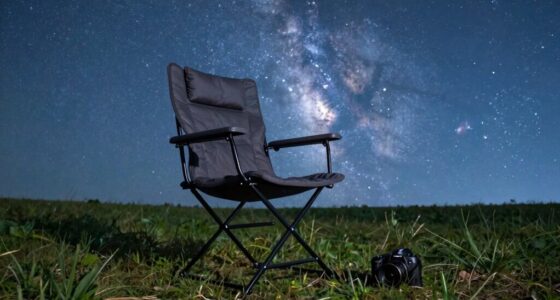
Light pollution filters for astrophotography are essential tools for capturing clear images from urban and suburban locations. The best overall pick, the HOYA 82mm Starscape Light Pollution Filter, offers broad spectrum reduction suitable for most amateurs. Standout alternatives like the SVBONY SV260 Multi-bandpass Filter excel at targeting specific emission lines, making them ideal for nebula imaging. The main challenge in this category is balancing filter effectiveness with image brightness and color fidelity. Cheaper filters may reduce light pollution but often at the cost of color distortion or reduced clarity. Keep reading for a detailed breakdown of these options and how to choose the right filter for your needs.

Get the latest gadgets delivered free with Prime
- Fast, free delivery on millions of items
- Prime Video, Amazon Music and more included
- Member-only deals all year
Key Takeaways
- The top filters combine broad-spectrum reduction with minimal impact on image brightness, making them versatile for various targets.
- Narrowband filters excel at revealing nebulae but can be less effective for deep-sky objects with faint details.
- Price varies significantly; premium models tend to offer sharper images and better durability, justifying higher costs for serious astrophotographers.
- Compatibility with your telescope’s thread size and camera type is a common overlooked factor that can limit filter usability.
- Choosing a filter depends heavily on your target objects—broadband filters suit general use, while narrowband filters are better for emission nebulae.
| HOYA 82mm Starscape Light Pollution Astrophotography Filter |  | Best Overall for Urban Night Sky Imaging | Diameter: 82mm | Material: Didymium glass | Coating: Multi-layer coating | VIEW ON AMAZON | See Our Full Breakdown |
| SVBONY SV260 2” Multi-bandpass Telescope Filter for Astrophotography |  | Best Value for Versatile Multi-Band Imaging | Thread Size: M48*0.75 | Peak Transmittance: 90% | Cut-Off Depth: OD4 | VIEW ON AMAZON | See Our Full Breakdown |
| 1.25 Inch UHC Filter for Telescopes – High Contrast, Light Pollution Reduction |  | Best for Beginners and Portability | Thread Size: M28.5×0.6 | Optical Performance: Multi-coated, >90% transmission | Material: Aircraft-grade aluminum | VIEW ON AMAZON | See Our Full Breakdown |
| SVBONY SV115 Telescope O-III Filter Narrowband for Astronomy, 1.25 inch |  | Best for Contrast Enhancement of Nebulae | Thread Size: 31.75mm | Coating Description: Multi Coating | Water Resistance Level: Not Water Resistant | VIEW ON AMAZON | See Our Full Breakdown |
| SVBONY SV220 Telescope Filter, 7nm Dual-Band Nebula, H-Alpha and O-III Narrowband Filter for One-Shot Color Cameras |  | Best for Deep-Sky Imaging in Light Pollution | Filter Type: Dual-Band Narrowband | Wavelength: 7nm | Compatibility: One-Shot Color Cameras | VIEW ON AMAZON | See Our Full Breakdown |
| SVBONY 1.25″ UHC Filter for Astrophotography and Light Pollution Reduction |  | Best Overall for Versatility and Contrast Enhancement | Thread Size: 31.75 Millimeters | Coating Description: Multi Coating | Water Resistance Level: Not Water Resistant | VIEW ON AMAZON | See Our Full Breakdown |
| SVBONY 2″ CLS Broadband Telescope Filter for Reducing City Light Pollution |  | Best for Narrowband Imaging of Emission Lines | Size: 2 inches | Type: Broadband filter | Wavelengths: Ha 656nm, OIII 496nm, 500nm, SII 672nm, H-beta 486nm | VIEW ON AMAZON | See Our Full Breakdown |
| SVBONY SV220 2″ Dual-Band Nebula Filter (SII & OIII, 7nm) for Astrophotography |  | Best for Narrowband Nebula Imaging in Bright Conditions | Filter Type: Dual-Band Nebula Filter | Wavelength: 7nm | Size: 2 inches | VIEW ON AMAZON | See Our Full Breakdown |
| SVBONY SV240 1.25 inch Multi-Narrowband Telescope Filter for Astrophotography and Observation |  | Best for Full-Color Deep Sky Imaging in Light-Polluted Environments | Filter Size: 1.25 inch | Design: Multi-Narrowband | Key Emission Lines: Ha, OIII, H-Beta | VIEW ON AMAZON | See Our Full Breakdown |
More Details on Our Top Picks
HOYA 82mm Starscape Light Pollution Astrophotography Filter
The HOYA 82mm Starscape filter stands out for its combination of high light transmission and effective pollution suppression, making it ideal for astrophotographers capturing scenes in city environments. Compared to the SVBONY SV260, which offers multi-bandpass capabilities, this filter specializes in broad-spectrum light pollution reduction with excellent color fidelity. Its multi-layer coating and Didymium glass ensure contrast enhancement without sacrificing brightness, though its 82mm diameter limits compatibility to wider lenses, and the price might be steep for casual users. This pick is perfect for dedicated astrophotographers who need a reliable, high-quality filter to improve clarity amid light pollution while maintaining natural colors.
Pros:- Reduces light pollution effectively for clearer night sky images
- Enhances star contrast and preserves natural colors
- Slim design prevents vignetting on wide lenses
- High light transmission (>97%) ensures bright, detailed photos
Cons:- Limited to 82mm lens diameters, reducing versatility
- Higher cost may deter casual users
Best for: Astrophotographers shooting in urban or suburban areas with significant light pollution, needing versatile, high-transparency filters.
Not ideal for: Casual hobbyists or those using smaller or standard-sized lenses, as the 82mm diameter increases cost and limits compatibility.
- Diameter:82mm
- Material:Didymium glass
- Coating:Multi-layer coating
- Light Transmission:97%+
- Frame Material:Aluminum
Our verdict“This filter is best suited for serious astrophotographers who prioritize image quality in light-polluted environments and use wide lenses.”
SVBONY SV260 2” Multi-bandpass Telescope Filter for Astrophotography
The SVBONY SV260 excels in its versatility, combining high transmittance and multi-band capabilities, making it a strong choice for those wanting to capture a variety of celestial features. Unlike the single-band O-III filter, which is excellent for nebula detail, the SV260’s broad wavelength range (300-1000nm) allows for more comprehensive imaging, especially in light-polluted areas. Its durable metal edge and compatibility with multiple telescope systems add to its appeal. However, it’s limited to 2-inch filters and isn’t water resistant, requiring careful handling in damp conditions. This makes it ideal for amateur astronomers seeking a flexible, durable filter that can handle different targets and environments without the need for multiple specialized filters.
Pros:- High transmittance (90%) for bright, detailed images
- Effective at reducing light pollution across multiple wavelengths
- Durable metal mount and compatibility with many systems
- Versatile for different celestial targets
Cons:- Limited to 2-inch filter size, less compatible with smaller setups
- Not water resistant, requiring careful handling
Best for: Amateur astronomers who want a multi-purpose filter compatible with various telescopes and capable of handling deep-sky and star field imaging.
Not ideal for: Photographers or users with smaller telescopes or specific narrowband requirements, due to its 2-inch size and broader wavelength range.
- Thread Size:M48*0.75
- Peak Transmittance:90%
- Cut-Off Depth:OD4
- Filter Size:2 inches
- Wavelength Range:300-1000nm
Our verdict“This filter offers excellent value for those wanting a flexible, multi-bandpass solution for a variety of astrophotography needs.”
1.25 Inch UHC Filter for Telescopes – High Contrast, Light Pollution Reduction
The 1.25-inch UHC filter provides a straightforward, effective solution for enhancing contrast and reducing light pollution, especially suited to beginner astronomers or those with smaller telescopes. It performs well at isolating emission lines like H-beta and O-III, making nebulae and lunar details pop against a darker background. Compared to the SVBONY SV115, which is more specialized for gaseous nebulae, this filter offers broader versatility for general astrophotography. Its multi-coated optical glass and durable aluminum frame ensure longevity, yet it may require additional filters for full customization and is limited to 1.25-inch eyepieces, reducing its use with larger setups. It’s an accessible choice for new users seeking improved views without complexity.
Pros:- Effectively reduces light pollution and boosts contrast
- Compatible with multiple filters and accessories
- Durable construction with lightweight aluminum
- Compact for easy transport and storage
Cons:- Performance depends heavily on atmospheric conditions
- Limited to 1.25-inch telescopes, less versatile for larger systems
Best for: Beginner astrophotographers with 1.25-inch telescopes looking for a reliable, easy-to-use light pollution reduction filter.
Not ideal for: Advanced users or those with larger or specialized equipment, as compatibility is limited and additional filters may be needed for full control.
- Thread Size:M28.5×0.6
- Optical Performance:Multi-coated, >90% transmission
- Material:Aircraft-grade aluminum
- Wavelength Isolation:H-beta, O-III
- Design:Compact, portable
Our verdict“Ideal for beginners who want a simple, effective way to enhance astrophotography with small telescopes and minimal fuss.”
SVBONY SV115 Telescope O-III Filter Narrowband for Astronomy, 1.25 inch
The SVBONY SV115 O-III filter is tailored for detailed nebula imaging, emphasizing contrast of gaseous and planetary nebulae by filtering out all but the double ionized oxygen lines. Unlike broader filters, the narrow bandwidth allows for high-contrast images, especially in less light-polluted skies, but may struggle under heavily light-polluted conditions. Its high-grade glass and multi-coatings ensure durability and clarity, yet it’s not water resistant and only suitable for 1.25-inch eyepieces. This filter is best suited for astrophotographers focusing on nebulae or gaseous objects, who need precise wavelength filtering to reveal intricate details.
Pros:- Enhances contrast of nebulae and gaseous objects
- Reduces light pollution effects for clearer views
- High-quality glass with multi-coatings for durability
- Specifically isolates oxygen emission lines for detailed imaging
Cons:- Limited to 1.25-inch eyepieces and setups
- Not water resistant, requiring careful handling
- Does not increase brightness, only contrast
Best for: Astrophotographers targeting nebulae and gaseous objects, especially in moderate to dark skies, with 1.25-inch setups.
Not ideal for: Wide-field or planetary imaging in heavily light-polluted environments, due to narrow bandwidth limits and limited versatility.
- Thread Size:31.75mm
- Coating Description:Multi Coating
- Water Resistance Level:Not Water Resistant
- Compatible Devices:All 1.25″ eyepieces
- Item Dimensions:1.25″L x 1.25″W
Our verdict“This filter offers excellent contrast enhancement for nebula imaging but is best suited for moderate skies and dedicated target focus.”
SVBONY SV220 Telescope Filter, 7nm Dual-Band Nebula, H-Alpha and O-III Narrowband Filter for One-Shot Color Cameras
The SVBONY SV220 dual-band nebula filter simplifies deep-sky imaging by combining H-Alpha and O-III lines into one filter, making it especially suitable for One-Shot Color (OSC) cameras. Its 7nm bandwidth delivers high contrast and detail, even in light-polluted areas, offering a practical alternative to stacking multiple narrowband filters like the SVBONY SV220 2″ dual-band option. While it requires compatible camera and telescope setups, its targeted wavelength bands significantly improve nebula visibility, with fewer post-processing steps needed for color balance. However, it’s limited to specific wavelengths and not ideal for casual stargazing or broad-spectrum imaging. This filter is best for dedicated deep-sky astrophotographers aiming to maximize nebula contrast under challenging conditions.
Pros:- Reduces light pollution while enhancing nebula contrast
- Dual-band design captures both H-Alpha and O-III emissions
- Simplifies post-processing with combined bands
- Ideal for deep-sky imaging in light-polluted areas
Cons:- Requires compatible OSC camera and telescope setup
- Limited to specific wavelength bands, reducing flexibility
- Not suitable for general observation or broadband imaging
Best for: Deep-sky astrophotographers using One-Shot Color cameras seeking high-contrast, dual-band imaging in light-polluted environments.
Not ideal for: Casual stargazers or those using monochrome cameras without compatible systems, since setup complexity and wavelength specificity are required.
- Filter Type:Dual-Band Narrowband
- Wavelength:7nm
- Compatibility:One-Shot Color Cameras
- Size:1.25 inches
Our verdict“This dual-band narrowband filter provides deep-sky imaging advantages but is best suited for experienced astrophotographers with compatible equipment and specific targets.”
SVBONY 1.25″ UHC Filter for Astrophotography and Light Pollution Reduction
This UHC filter excels in providing a noticeable boost in contrast by filtering out unwanted light pollution while transmitting specific wavelengths, making it a strong choice for both visual observers and astrophotographers. Compared with the SVBONY SV240 1.25″ Multi-Narrowband Filter, the UHC offers broader wavelength coverage, allowing for more flexibility with various deep sky objects. Its sturdy aluminum construction and multi-coating enhance durability and image clarity, though it’s not water resistant—requiring careful handling. For those who want a reliable, all-around light pollution filter, this model strikes a good balance between performance and affordability. The main tradeoff is the limited to 1.25″ eyepieces, which might restrict use with larger setups.
Pros:- Reduces light pollution for sharper, clearer images
- Enhances contrast of nebulae and deep sky objects
- Suitable for visual and photographic use
Cons:- Not water resistant, requiring careful storage
- Limited to 1.25″ eyepieces, restricting larger setups
Best for: Amateur astronomers and astrophotographers seeking a versatile filter suitable for a range of celestial objects under light-polluted skies.
Not ideal for: Advanced astrophotographers using larger or specialized equipment who need water-resistant filters or broader spectral coverage.
- Thread Size:31.75 Millimeters
- Coating Description:Multi Coating
- Water Resistance Level:Not Water Resistant
- Enclosure Material:Aluminum
- Compatible Devices:Telescopes
- Item Dimensions:3.15″L x 3.15″W
Our verdict“This filter is ideal for beginners and hobbyists who want improved contrast without complex setup requirements.”
SVBONY 2″ CLS Broadband Telescope Filter for Reducing City Light Pollution
The SVBONY 2″ CLS broadband filter is designed to significantly cut down urban light interference, boosting contrast especially for nebulae. Its high transmission rates at key emission lines like Ha 656nm and OIII 496nm make it well-suited for astrophotographers using CCD cameras or unmodified DSLRs who want to capture detailed nebulae from light-polluted locations. Compared with the SVBONY SV220 2″ Nebula Filter, which specializes in narrowband imaging, the CLS offers broader spectral coverage, making it more versatile but slightly less specialized for faint nebulae. While its durable coatings are a plus, it may not fit all telescope types without adapters, and its focus on emission lines limits effectiveness for broad-spectrum imaging. It’s a solid pick for those prioritizing urban astrophotography.
Pros:- Reduces city light pollution for clearer images
- High transmission of key nebula emission lines
- Scratch-resistant coatings enhance durability
Cons:- May not suit all telescope sizes or types without adapters
- Limited effectiveness for broad-spectrum or non-emission line objects
Best for: Amateur astrophotographers with 2-inch focusers seeking to photograph emission nebulae in heavily light-polluted areas.
Not ideal for: Photographers aiming for deep-sky objects outside emission lines or those with smaller, 1.25-inch focusers.
- Size:2 inches
- Type:Broadband filter
- Wavelengths:Ha 656nm, OIII 496nm, 500nm, SII 672nm, H-beta 486nm
- Transmission:90% on-band, 0.1% off-band
- Coating Technology:Ion-assisted deposition
Our verdict“This filter makes the most sense for city-based astrophotographers focusing on emission nebulae with CCD or DSLR cameras.”
SVBONY SV220 2″ Dual-Band Nebula Filter (SII & OIII, 7nm) for Astrophotography
The SVBONY SV220 dual-band nebula filter shines in capturing emission nebulae, planetary nebulae, and supernova remnants, especially in environments with significant light pollution or moonlight. Its narrow 7nm bandwidth at SII and OIII wavelengths dramatically enhances contrast, making faint nebulae pop out against bright skies. Compared with the broader spectral coverage of the SVBONY CLS Broadband Filter, the SV220’s narrow focus offers superior detail for specific emission lines but requires an optical system faster than f/4 for best results. Its limited wavelength range means it’s less effective for general deep-sky objects or broad-spectrum imaging. This makes it a targeted choice for dedicated nebula astrophotographers.
Pros:- Excellent at reducing sky glow for nebula imaging
- Enhances contrast of emission lines for detailed nebula shots
- Suitable for bright sky conditions and moonlit nights
Cons:- Requires > f/4 optical systems for optimal performance
- Limited to specific narrowband wavelengths, less versatile for other objects
Best for: Astrophotographers with fast optical systems aiming to capture emission nebulae in light-polluted or moonlit skies.
Not ideal for: Those using slower telescopes or interested in broad-spectrum imaging of galaxies and star clusters.
- Filter Type:Dual-Band Nebula Filter
- Wavelength:7nm
- Size:2 inches
- Designed For:Astrophotography
- Compatibility:Optical systems > f/4
Our verdict“This narrowband filter is best suited for astrophotographers targeting emission nebulae in challenging light conditions with fast telescopes.”
SVBONY SV240 1.25 inch Multi-Narrowband Telescope Filter for Astrophotography and Observation
The SVBONY SV240 multi-narrowband filter offers a flexible solution for both visual observation and astrophotography, capable of capturing multiple emission lines such as Ha, OIII, and H-beta. Its ability to produce full-color images makes it stand out among narrowband filters, which often produce monochrome results. Compared with the SVBONY 1.25″ UHC Filter, the SV240 covers more emission lines, providing richer color data for deep sky objects. However, it requires a compatible telescope and camera setup to perform effectively, and its performance can vary depending on sky conditions. This filter is well-suited for astrophotographers who want to combine narrowband imaging with vibrant color.
Pros:- Reduces light pollution while enabling full-color imaging
- Versatile for different deep sky objects
- Enhances contrast and detail in challenging skies
Cons:- Requires compatible telescope and camera setup
- Performance may vary with sky conditions and equipment
Best for: Amateur astronomers seeking to capture colorful images of galaxies, nebulae, and star clusters in urban or moonlit conditions.
Not ideal for: Users with incompatible telescopes or cameras who need a simple, monochrome filter for specific emission lines only.
- Filter Size:1.25 inch
- Design:Multi-Narrowband
- Key Emission Lines:Ha, OIII, H-Beta
- Application:Astrophotography, Visual Observation
- Light Pollution Compatibility:Heavy light pollution to moonlit skies
Our verdict“This multi-narrowband filter is ideal for those who want vibrant, full-color astrophotos from light-polluted sites without sacrificing detail.”
How We Picked
These products were evaluated based on their optical performance, build quality, ease of use, and value for money. We compared how effectively each filter reduces light pollution without sacrificing image detail or color fidelity. Compatibility with common telescope and camera setups was also considered, along with user feedback from astrophotography communities. The ranking reflects a balance between affordability and performance, prioritizing filters that deliver noticeable improvements under typical light-polluted conditions. Premium options are included for advanced users seeking the highest quality results, while budget picks cater to beginners or casual observers.Factors to Consider When Choosing Light Pollution Filters For Astrophotography
When selecting a light pollution filter for astrophotography, several factors influence your final choice. Understanding your typical shooting environment, target objects, and equipment compatibility helps ensure you pick a filter that enhances your images effectively. Additionally, considering the filter’s bandwidth, material quality, and ease of mounting prevents common pitfalls like poor fit or reduced image quality. The right filter should complement your camera’s sensitivity and your telescope’s optical system, not hinder them. Carefully weighing these factors prevents costly mistakes and leads to more satisfying astrophotos.Filter Bandwidth and Target Type
Narrowband filters, such as O-III or H-alpha, target specific emission lines, making them excellent for nebulae but less versatile for general deep-sky imaging. Broadband filters, on the other hand, reduce city light pollution across multiple wavelengths, offering broader usability. Choosing between them depends on your primary targets; narrowband filters are more specialized, while broadband options provide flexibility for various objects and conditions.
Compatibility and Size
Filters come in different thread sizes, commonly 1.25 inches and 2 inches. Ensuring compatibility with your telescope’s focuser and your camera’s mount is crucial. An ill-fitting filter can cause vignetting or be incompatible with your setup, leading to frustration and subpar results. Always check your system’s specifications before purchase, and consider adapters if needed to maximize versatility.
Optical Quality and Coatings
High-quality optical coatings improve light transmission and reduce reflections, which can cause glare or halos around bright objects. Cheaper filters often lack durable coatings, leading to quicker degradation or increased image artifacts. Investing in well-coated filters ensures durability and consistent performance, especially important for long exposure astrophotography.
Effect on Image Brightness and Colors
Some filters, particularly narrowband types, can significantly dim your images, requiring longer exposures. Others might shift color balance, affecting the natural look of your images. Understanding how a filter impacts brightness and color fidelity helps you choose a model that aligns with your editing style and target objects, avoiding disappointment in post-processing.
Price and Long-Term Value
While budget filters may seem attractive initially, they often compromise on durability, optical quality, and effectiveness. Premium filters tend to last longer, offer better performance, and provide more consistent results, justifying higher costs. Consider your budget and how often you plan to shoot; investing more initially can save money and frustration later.
Frequently Asked Questions
Can I use a light pollution filter with my DSLR and telescope?
Yes, most light pollution filters are designed to be compatible with DSLR cameras and telescopes, but verifying thread sizes and mount compatibility is essential. Many filters come with adapters to fit standard sizes, ensuring they can be used across different setups. Properly matching the filter to your camera and telescope prevents vignetting and maximizes image quality, making it a worthwhile step before purchase.
Will a light pollution filter affect my ability to capture faint deep-sky objects?
Light pollution filters generally improve contrast by reducing skyglow, but narrowband filters might dim faint objects more than broadband ones. The effect depends on the filter’s bandwidth; narrower filters can require longer exposures. Balancing filter choice with exposure time is key to capturing faint details without losing signal strength, especially when imaging under heavily light-polluted skies.
Are expensive filters worth the investment for amateur astrophotographers?
Higher-priced filters often feature better coatings, durability, and optical performance, which can translate into clearer, more detailed images. For serious hobbyists or those aiming to produce professional-quality photos, the investment can be justified by the improved results and longevity. Beginners or casual users might find mid-range filters sufficient, but upgrading as skills develop can lead to better overall images.
How do narrowband filters impact exposure times?
Narrowband filters tend to reduce the amount of light reaching your camera, often requiring longer exposures to gather enough signal. While this can increase shooting time, it allows for detailed imaging of emission nebulae against light-polluted skies. Planning for extended exposures and using tracking mounts helps mitigate the impact, ensuring high-quality results without excessive frustration.
What should I consider if I want a versatile filter for different objects?
For varied astrophotography targets, broadband filters provide more flexibility, reducing light pollution across multiple wavelengths without significantly dimming the image. Narrowband filters are ideal if you mainly focus on nebulae but less suited for galaxies or star clusters. Analyzing your typical targets and shooting environment helps you select a filter that offers the best balance between versatility and specialization.
Conclusion
For general astrophotography in light-polluted areas, the HOYA 82mm Starscape Light Pollution Filter offers a strong balance of performance and affordability, making it ideal for beginners or casual shooters. Serious amateurs aiming for high-detail nebula imaging will benefit from narrowband options like SVBONY’s SV220 2″ Dual-Band Nebula Filter, which provides excellent contrast with longer exposures. Budget-conscious users should consider the SVBONY 1.25″ UHC Filter as a reliable entry point. For those seeking premium durability and performance, the SVBONY SV240 Multi-Narrowband Filter justifies its higher price with consistent results. Ultimately, your choice hinges on your target objects, budget, and equipment compatibility — match your needs to the right filter for the best results.Halloween Picks
halloween
As an affiliate, we earn on qualifying purchases.